Modern Interior Living Room Design
Explore related guides:
AI-Driven Interior Design •
Interior Design Mistakes That Make a Home Look Smaller •
More Living Room Ideas
Planning a Living Room
Start by listing the activities that regularly take place in the room. A household that mainly uses the space for conversation may need a different seating arrangement from one that prioritizes television, children’s play, or occasional dining.
Common living room functions include:
- conversation and family gatherings;
- watching television or films;
- reading and quiet relaxation;
- entertaining visitors;
- working or studying;
- children’s activities;
- display and closed storage;
- dining in an open-plan interior.
Prioritize the functions used most frequently. Trying to accommodate every possible activity can leave the room crowded and make its main purpose less comfortable.
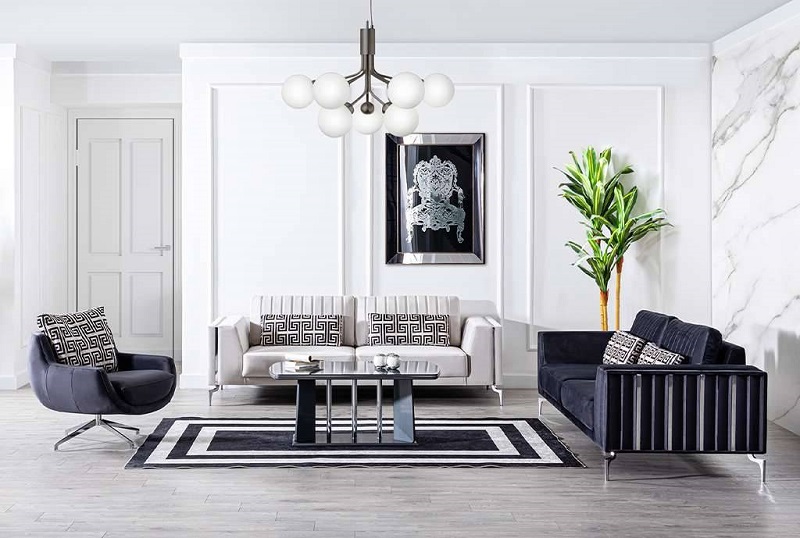
Measure Before Buying Furniture
Record the room dimensions and the positions of windows, doors, radiators, outlets, built-in features, and walkways. Include the space needed to open doors, cabinets, and drawers.
Mark the dimensions of a sofa, table, or storage unit on the floor with removable tape. This simple test reveals how much open space will remain and whether the proposed furniture interrupts movement through the room.
Identify the Natural Focal Point
A fireplace, large window, architectural feature, artwork, television, or attractive view can provide a visual center. Furniture can then be arranged to acknowledge this feature without requiring every seat to face it directly.
If the room has no obvious focal point, create one with a substantial artwork, a textured wall, a distinctive light fixture, a carefully arranged media unit, or a well-planned aquarium. If you are considering the latter, see our aquarium design guide for advice on tank placement, equipment, lighting, maintenance access, and creating a balanced layout.
Choosing the Right Living Room Layout
A successful layout supports conversation and movement. The furniture should feel connected without forcing people to walk around unnecessary obstacles.
Conversation-Focused Layout
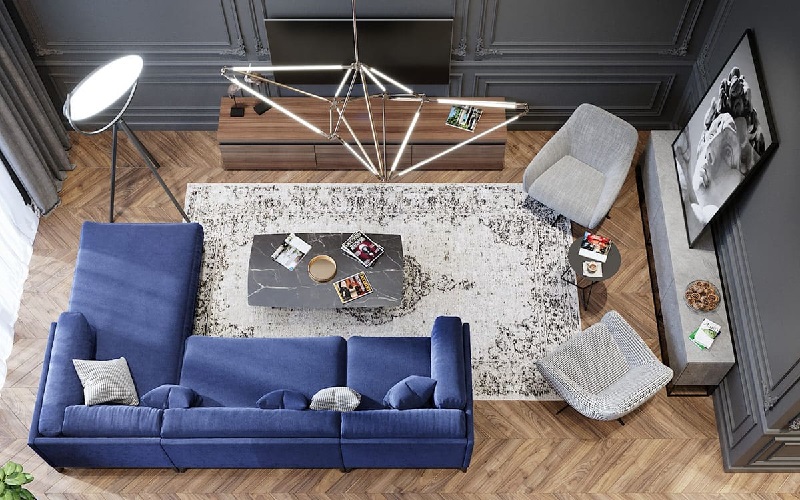
Place sofas and chairs so people can see and hear one another comfortably. Seating can face directly across a coffee table or form a softer L-shaped or U-shaped arrangement.
Television-Focused Layout
Position the main seating at a comfortable viewing angle and avoid placing the screen where direct sunlight creates persistent glare. Additional chairs can face slightly toward both the television and the conversation area.
Open-Plan Layout
In an open-plan home, use the back of a sofa, an area rug, a console, or a lighting group to identify the living area. Keep the connection with the dining space or kitchen visually consistent through repeated colors, wood tones, or metal finishes.
Flexible Layout
Lightweight chairs, nesting tables, stools, and small movable side tables allow the arrangement to change when guests visit or another activity requires more floor space.
Avoid pushing every piece of furniture against a wall automatically. In a sufficiently large room, bringing the seating closer together can create a more comfortable conversation area and improve the overall proportions.
Creating a Clear Design Direction
A living room does not need to follow one design style precisely. However, choosing a clear general direction helps coordinate furniture, colors, materials, and accessories.
Possible approaches include:
- Contemporary: clean forms, restrained detailing, layered neutrals, and selected accent pieces.
- Modern organic: simple furniture combined with wood, stone, woven materials, and soft natural colors.
- Traditional: balanced arrangements, classic furniture profiles, detailed textiles, and warm finishes.
- Industrial: metal, brick, concrete-inspired surfaces, leather, and strong architectural elements.
- Minimalist: carefully selected furniture, controlled storage, and limited visual clutter.
- Eclectic: furniture and artwork from different periods connected by repeated colors, shapes, or materials.
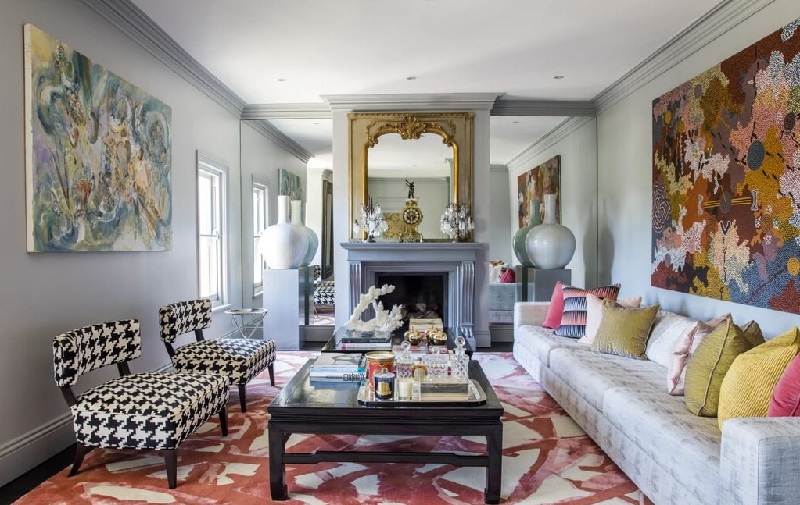
How to Mix Styles Successfully
Combining styles works best when the room includes several repeated elements. These might be a consistent wood tone, similar metal finishes, one dominant color family, or recurring rounded or angular shapes.
Avoid adding unrelated statement pieces simply to make the room appear eclectic. Each large item should have a clear relationship with at least one other element in the interior.
Living Room Color Ideas
The room’s orientation, daylight, flooring, and existing furniture should guide the palette. Colors can appear noticeably different under morning light, evening light, and artificial illumination.
Warm Neutrals
Warm white, cream, beige, taupe, and greige create a flexible foundation. They work with many wood tones and can be updated easily through textiles and artwork.
Soft Greens
Sage, muted olive, and gray-green can create a calm background for wood, stone, cream upholstery, and warm metal accents.
Blue Tones
Dusty blue and blue-gray can feel quiet and airy, while navy introduces more depth. Deeper blue works particularly well as a limited wall color, built-in finish, or upholstery choice.
Earth-Inspired Colors
Terracotta, clay, muted ochre, and warm brown can add character without relying on very bright accents. These shades coordinate naturally with wood and woven textures.
Deeper Accents
Charcoal, forest green, burgundy, and other rich shades can give the room definition. Use them on a selected wall, armchair, rug, curtains, or smaller decorative features when covering the entire room would feel too heavy.
Test the Complete Palette
Compare paint samples beside the flooring, sofa fabric, curtains, and major wood finishes. A color that looks neutral on its own may reveal yellow, pink, green, or blue undertones when placed beside another material.
Living Room Materials and Finishes
A combination of smooth, textured, reflective, and matte surfaces gives the interior depth. Using only one finish can make even a well-coordinated palette feel flat.
Common living room materials include:
- natural or engineered wood;
- stone and stone-inspired surfaces;
- glass;
- metal;
- ceramic;
- leather or leather alternatives;
- woven and upholstered fabrics.
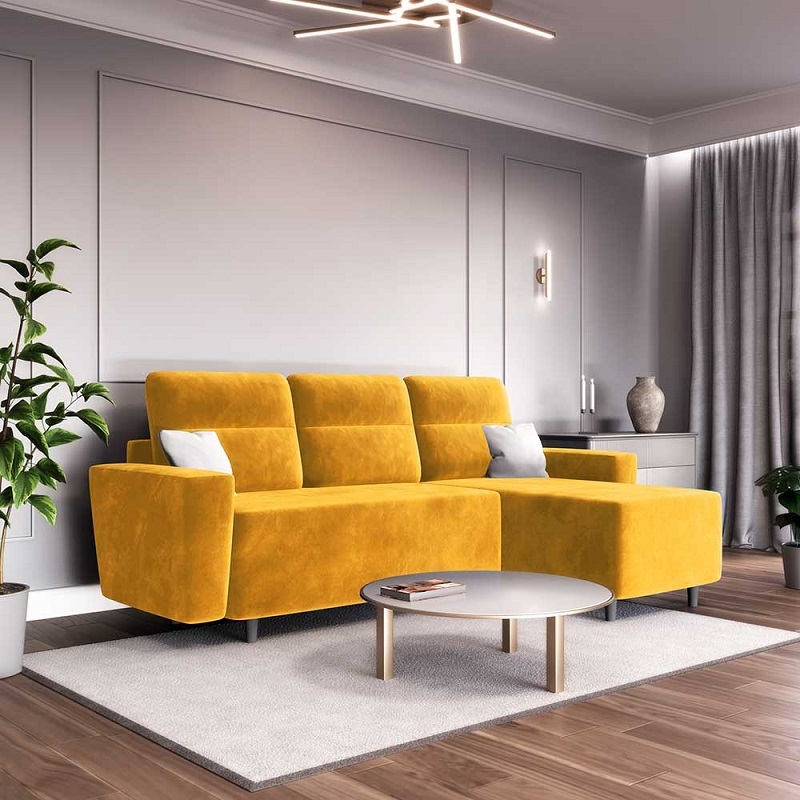
Combine Materials With Restraint
Select two or three primary materials and repeat them across the room. For example, a wood coffee table can relate to shelving, while black metal lighting can connect with smaller furniture details.
Consider Everyday Maintenance
Material choices should reflect the way the room is used. Households with children, pets, or frequent visitors may benefit from washable covers, durable upholstery, forgiving rug patterns, and surfaces that are easy to maintain.
For more detailed comparisons, read our guide to
living room flooring options.
Working With Architectural Features
Windows, fireplaces, doors, columns, alcoves, and unusual wall angles can influence the layout. Treat these elements as part of the design rather than trying to conceal all of them.
Interior Doors
Doors influence circulation, privacy, natural light, and the visual connection between adjoining rooms. Where more separation is needed without making the interior feel closed off, indoor glass French doors can provide a wider opening while allowing light to pass between spaces.
Walk-Through Living Rooms
If people regularly pass through the room to reach another area, preserve a clear pathway. Arrange the main seating beside the route rather than placing it directly across the flow of movement.
Low-profile furniture and visually open pieces can reduce the feeling of obstruction. Avoid placing fragile decorations or projecting table corners beside a busy passage.
Bay Windows
A bay window can become a reading corner, compact work area, plant display, or built-in seat with storage. Choose furniture that follows the proportions of the feature without blocking too much daylight.
Alcoves
Alcoves can hold shelving, cabinets, a small desk, artwork, or additional lighting. Built-in storage may create a more integrated result, but freestanding furniture provides greater flexibility.
Fireplaces
A fireplace often becomes the natural focal point. Keep its surroundings visually balanced and follow relevant installation, clearance, ventilation, and heat-safety requirements when positioning furniture or a television nearby.
Living Room Zoning Ideas
Zoning helps one room support several activities without requiring solid walls. It is especially useful in open-plan homes and larger living areas.
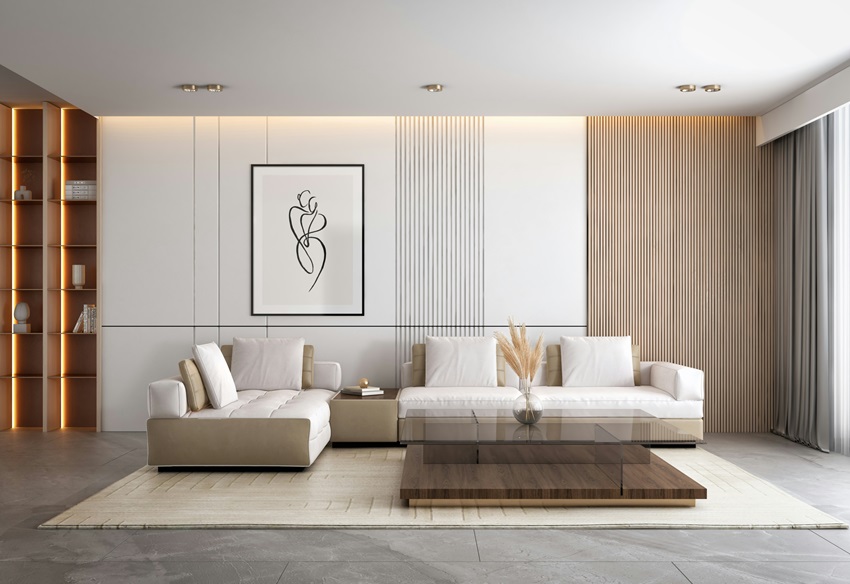
Possible zones include:
- a conversation and relaxation area;
- a television area;
- a reading corner;
- a dining area;
- a small workspace;
- a children’s play area;
- display or storage sections.
Use Furniture to Define Areas
The back of a sofa, an open shelf, a console, or a pair of chairs can create a visual boundary without blocking light or making the space feel enclosed.
Use Rugs Carefully
An area rug can connect furniture within one zone. Choose a size that relates to the complete seating arrangement rather than placing a very small rug in the center with no connection to the surrounding furniture.
Create Separate Lighting Groups
Pendant lights, floor lamps, wall lights, and table lamps can identify different functions. A reading chair benefits from focused illumination, while a dining table may require a dedicated pendant or ceiling fixture.
Repeat Materials and Colors
Zones should remain visually connected. Repeat one or two colors, materials, or shapes throughout the space to prevent each area from looking like a separate room.
Small Living Room Design Ideas
A compact living room requires clear priorities. Begin with essential seating and storage, then add optional pieces only when enough comfortable movement remains.
Choose Furniture by Dimensions
A visually attractive sofa may still be too deep or wide for the room. Compare its complete dimensions with the available floor area and the width of the main pathways.
A compact sofa combined with one movable chair may provide more flexibility than a large sectional.
Use Vertical Space
Tall shelving, wall-mounted cabinets, and higher display areas can provide storage without occupying additional floor space. Avoid filling every wall, as too many vertical units may make a compact room feel enclosed.
Select Multipurpose Pieces
An ottoman with storage, a nesting table, a sofa bed, or a console that can serve as a small desk may reduce the total number of furniture pieces required.
Control Visual Clutter
Closed storage can conceal cables, games, documents, and other small items. Leave some shelves and surfaces partially empty so the room does not appear overcrowded.
Use Mirrors Thoughtfully
A mirror can reflect daylight or an attractive part of the room, but its position matters. Avoid placing it where it primarily reflects clutter, persistent screen glare, or an unwanted view.
For more compact-space advice, explore our
small apartment furniture ideas.
Choosing Living Room Furniture
Select the largest essential piece first, usually the sofa, and build the rest of the arrangement around its size and position.
Sofa
Consider width, depth, seat height, upholstery, cleaning requirements, and how the sofa will be delivered into the room. A large design may fit the floor plan but still be difficult to move through a doorway or stairwell.
Armchairs
Armchairs can add flexible seating and introduce a different color or texture. Swivel or lightweight chairs may work well when the room has more than one focal point.
Coffee and Side Tables
Tables should be proportionate to the seating and leave comfortable circulation space. Rounded designs may be useful in tight pathways, while nesting tables can provide extra surfaces only when needed.
Storage Furniture
Combine accessible storage with display space. Closed cabinets help control visual clutter, while a limited number of open shelves can hold books, artwork, and personal objects.
Media Units
Plan space for the screen, devices, ventilation, cables, and future access. A simple cable-management system can make the entire wall appear more organized.
Planning Living Room Lighting
A living room usually needs several light sources because it supports different activities throughout the day.
Ambient Lighting
Ceiling fixtures, recessed lights, or indirect illumination provide general light. Dimmers can help adjust brightness for conversation, cleaning, or evening relaxation when compatible with the selected fixtures and bulbs.
Task Lighting
Floor lamps, table lamps, and wall lights provide focused illumination for reading, working, hobbies, or games. For help choosing the right style, size, light direction, and placement, see our modern floor lamp design guide.
Accent Lighting
Picture lights, shelf lighting, and carefully directed fixtures can emphasize artwork, architectural details, or textured surfaces.
Use several smaller sources at different heights instead of relying entirely on one bright central light. This creates a more comfortable atmosphere and allows the room to adapt to different activities.
Textiles, Artwork and Decorative Details
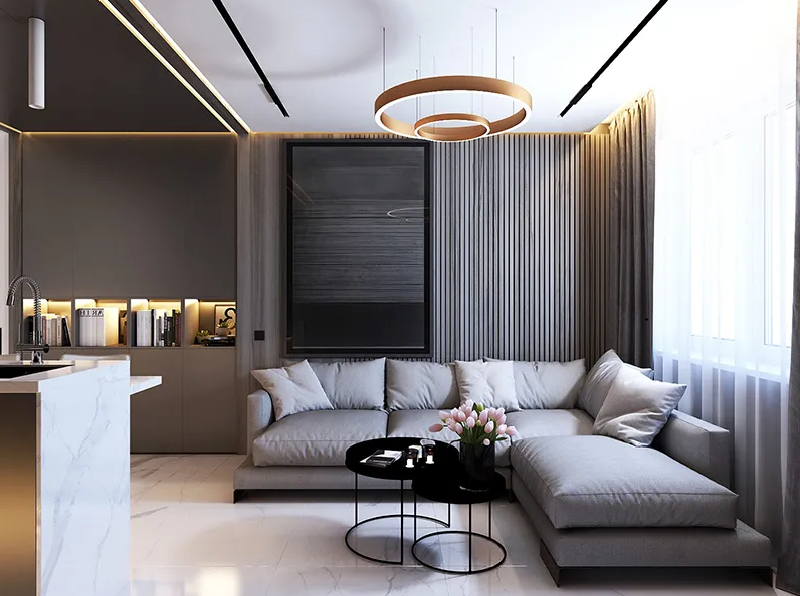
Decorative details make a living room feel personal, but they work best after the layout, furniture, storage, and lighting have been resolved.
Rugs
A rug can introduce pattern, color, and texture while visually connecting the seating. Select its size according to the furniture arrangement and consider cleaning requirements in busy households.
Curtains and Window Treatments
Curtains can soften hard surfaces, improve privacy, and influence how tall or wide the window appears. Choose their length, fullness, and opacity according to the window and the amount of daylight control required.
Cushions and Throws
These are practical places to introduce seasonal color or pattern. Use a limited palette and vary texture or scale instead of making every item identical.
Artwork
Choose artwork according to the wall and furniture below it. One substantial piece or a carefully planned group usually creates more impact than several unrelated small decorations. For practical advice on height, spacing, gallery walls, and safe mounting, see our guide to hanging art and pictures.
Plants
Plants can add color and organic form, but their placement should reflect available light, maintenance requirements, pets, and children. Select species appropriate for the household.
Personal Objects
Books, photographs, collected objects, and handmade items give the room individuality. Display a selected group and rotate items occasionally rather than filling every available surface.
Common Living Room Design Mistakes
Buying Furniture Before Measuring
Incorrectly sized furniture can block pathways, overwhelm the room, or leave awkward unused gaps.
Depending on One Ceiling Light
A single overhead fixture may create harsh light and leave activity areas poorly illuminated. Combine general, task, and accent lighting.
Using a Rug That Is Too Small
A small rug floating between the furniture can make the arrangement feel disconnected. Choose a size that relates to the main seating group.
Pushing Every Piece Against a Wall
This may be necessary in a very compact room, but in a larger space it can make conversation difficult and leave an awkward empty center.
Ignoring Pathways
The shortest route between doors or adjoining areas should not require people to move around tables, lamps, or projecting furniture corners.
Using Too Many Focal Points
A dramatic fireplace, feature wall, large artwork, patterned rug, and statement lighting can compete when all are equally strong. Decide which element should receive the most attention.
Choosing Everything From One Furniture Set
Perfectly matching pieces can make the room feel impersonal. A more natural interior often combines compatible furniture with some variation in shape, texture, or material.
Decorating Before Solving Storage
Additional accessories will not improve a room if everyday belongings have nowhere practical to go. Establish storage first, then add selected decorative elements.
Living Room Inspiration
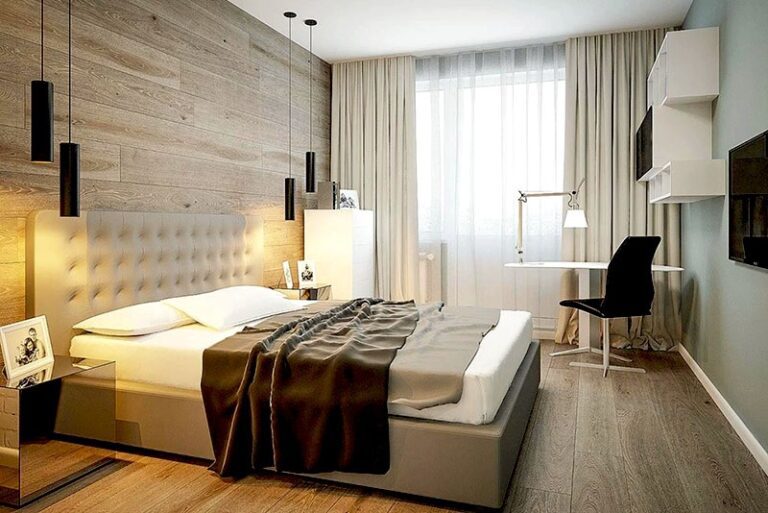
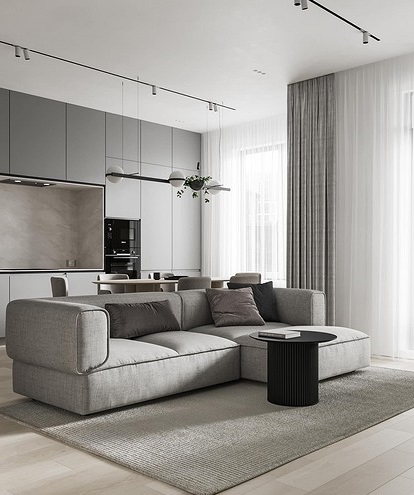
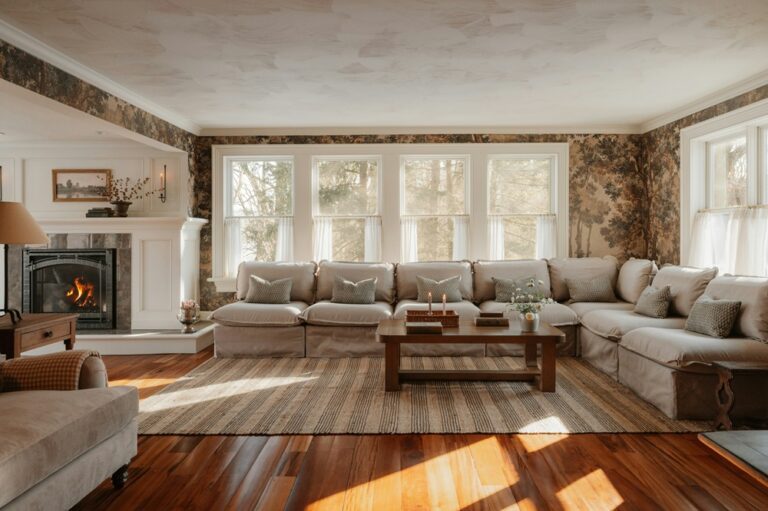
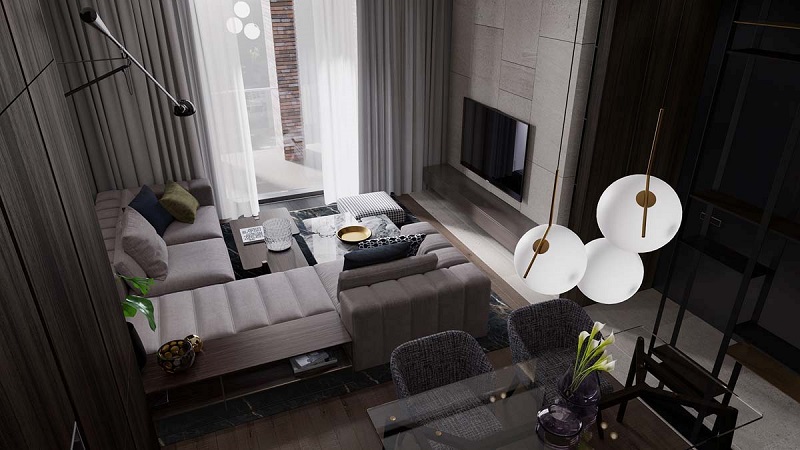
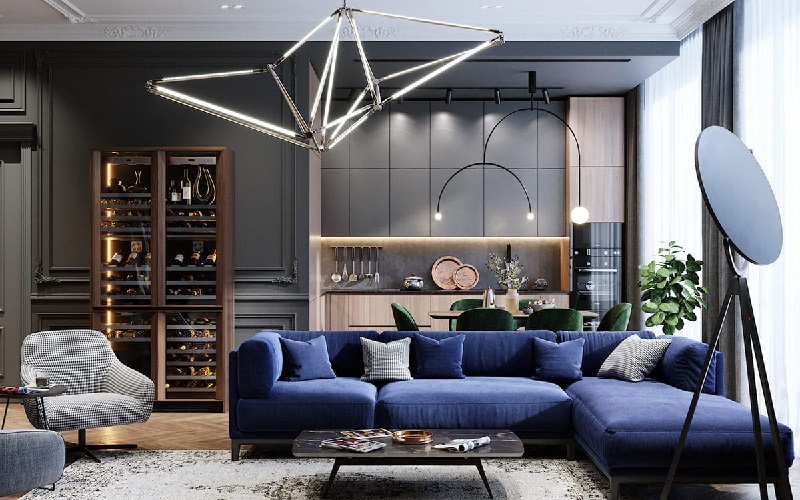
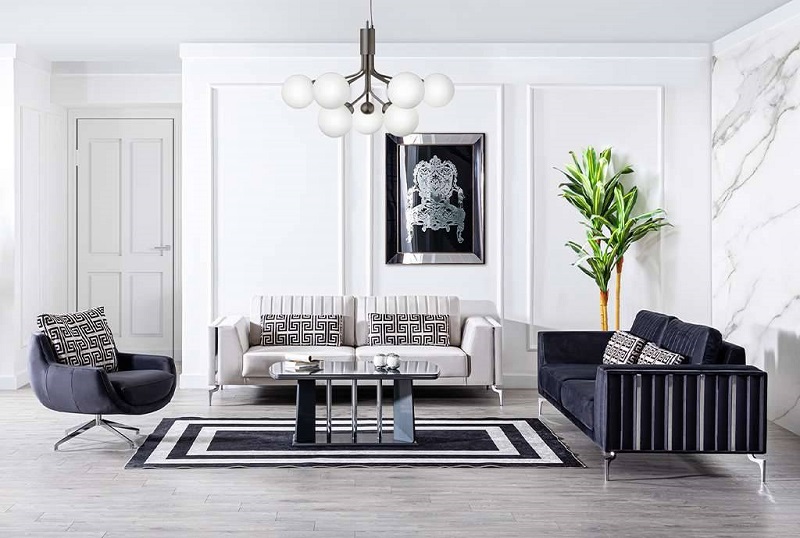
The following interiors demonstrate different ways to combine furniture, color, lighting, and decorative details. Use them as references for individual elements rather than attempting to copy an entire room without considering your own dimensions and needs.
Frequently Asked Questions
Where should I start when designing a living room?
Begin by identifying the room’s main activities, measuring the space, and mapping the doors, windows, pathways, and fixed architectural features. Select the layout before choosing colors and decorative accessories.
How can I make a living room feel more comfortable?
Use an arrangement that supports conversation, keep pathways clear, provide surfaces beside the seating, and combine several light sources. Rugs, curtains, cushions, wood, and other tactile materials can add warmth.
How many colors should a living room have?
There is no fixed number, but one main color family, a supporting neutral, and one or two accents provide a manageable starting point. Repeating the same colors in different proportions creates a coordinated result.
Does all living room furniture need to match?
No. Furniture can vary in style, material, and color when the pieces share some visual connection, such as compatible proportions, repeated wood tones, similar shapes, or a coordinated palette.
How do I arrange furniture in a small living room?
Start with essential seating, select pieces according to their actual dimensions, and protect the main pathways. Use vertical storage and multipurpose furniture while limiting pieces that occupy floor space without serving an important function.
Should the sofa face the television or the fireplace?
The answer depends on which feature is used more often. The sofa can face the primary focal point while movable or angled chairs acknowledge the secondary one. In some rooms, both features can be positioned on the same wall.
How can I update a living room without replacing the furniture?
Change the wall color, rug, curtains, cushions, lighting, artwork, and arrangement of existing pieces. Improving cable management, reducing clutter, and reorganizing displays can also make a significant difference.
Final Thoughts
Successful living room design ideas balance appearance with everyday function. Begin with the room’s purpose, dimensions, pathways, and available light. Then select furniture, colors, materials, and lighting that support those conditions.
Decorative details should complete the interior rather than compensate for an uncomfortable layout or insufficient storage. A well-planned living room does not need to follow every trend: it should feel comfortable, personal, and appropriate for the way the household actually lives.