Living Room Ideas You’ll Obsess Over
The best modern living room ideas combine comfort, personality, and practical planning rather than relying on decoration alone. A beautiful living room should support the way you actually relax, entertain, read, watch television, and spend time with family or friends.
You do not need to replace every piece of furniture to transform the space. Adjusting the layout, improving lighting, simplifying the color palette, adding texture, and displaying a few meaningful objects can make an existing room feel more inviting and intentional.
The following ideas will help you create a living room that looks distinctive while remaining comfortable and practical for everyday life.
Explore related guides:
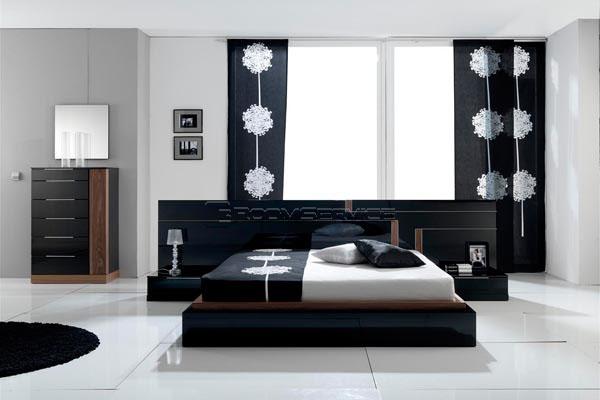
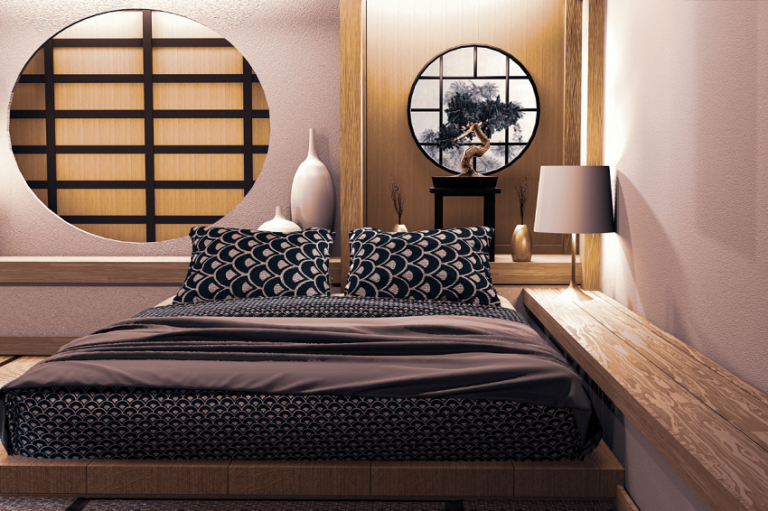
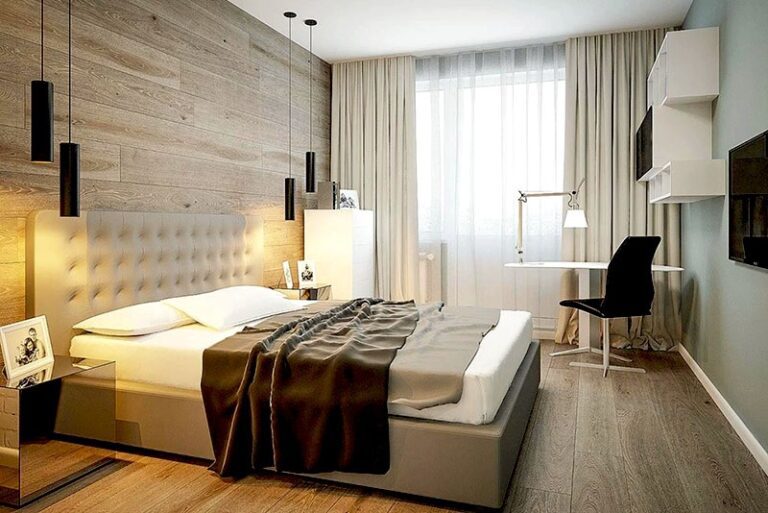
Contemporary Bedroom Design Ideas •
Home Decorating Trends

Start With the Way You Use the Living Room
Before choosing colors or buying new furniture, decide which activities the living room needs to support. A room designed primarily for conversation requires a different layout from one centered around television, reading, children’s play, or frequent entertaining.
Ask yourself:
- How many people use the room regularly?
- Is television viewing an important activity?
- Do you need space for reading, working, or hobbies?
- Does the room need to accommodate children or pets?
- How often do guests visit?
- Which items need to be stored in the room?
- Are there architectural features worth emphasizing?
These answers help determine the amount of seating, the best furniture arrangement, and whether the room needs flexible pieces that can be moved when necessary.
Measure Before Making Changes
Record the dimensions of the room and note the positions of doors, windows, radiators, outlets, and built-in features. Measure existing furniture as well as any pieces you plan to buy.
A sofa can look appropriately sized in a large showroom but overwhelm a modest living room. Marking its dimensions on the floor with removable tape is a simple way to check the scale and remaining circulation space.
Create a Comfortable Furniture Layout
A successful layout makes conversation, movement, and everyday activities feel natural. Avoid automatically pushing every piece of furniture against the walls without considering whether another arrangement would make the room more comfortable.
Choose a Focal Point
A fireplace, window, television, large artwork, bookcase, or distinctive piece of furniture can serve as the room’s focal point. Arrange the primary seating so that it relates to this feature without making every other part of the space feel secondary.
If the room has several competing focal points, decide which one should dominate. For example, a television can be integrated into cabinetry or positioned near a fireplace rather than placed on an unrelated wall.
Arrange Seating for Conversation
Sofas and chairs should feel connected rather than scattered around the room. In a large space, bringing seating closer together can create a more intimate conversation area.
A chair placed at an angle can soften a rigid layout and make the arrangement feel more welcoming. Small movable stools or ottomans can provide occasional seating without permanently filling the room.
Keep Pathways Clear
Leave comfortable routes between doorways, seating, storage, and adjoining rooms. People should not need to squeeze between furniture or repeatedly walk through the main conversation area.
Check that cabinet doors and drawers can open fully and that tables do not obstruct normal movement.
Use a Rug to Define the Seating Area
An area rug can visually connect a sofa, chairs, and coffee table. A rug that is too small may make the furniture look disconnected, while a properly proportioned rug can make the arrangement appear larger and more cohesive.
As a general design approach, try to place at least the front legs of the principal seating pieces on the rug. The exact arrangement will depend on the room and furniture dimensions.
Introduce an Unexpected Element
A memorable living room often includes one feature that breaks the predictability of a standard sofa, coffee table, and television arrangement.
Consider adding:
- a daybed or chaise in an underused corner;
- a sculptural chair in a contrasting shape;
- a large ottoman instead of a conventional coffee table;
- a vintage cabinet in an otherwise contemporary room;
- an oversized floor lamp;
- a record player or music corner;
- a painted ceiling or distinctive interior door.
The unexpected element should still serve the room. One unusual piece normally has more impact than several unrelated statement objects competing for attention.
Mix Old and New
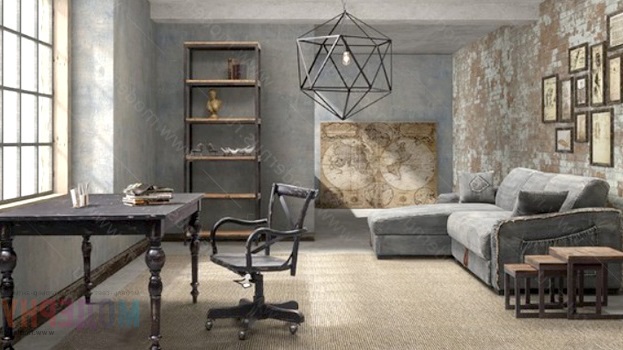
Combining contemporary furniture with a vintage table, inherited cabinet, or aged decorative object can give a living room more depth. The pieces do not need to come from the same period if they share a color, material, proportion, or visual quality.
This approach can make the room feel developed over time instead of purchased as one matching set.
Build a Balanced Living Room Color Palette
Color influences whether a living room feels calm, energetic, intimate, or spacious. Instead of choosing each item separately, create a simple palette that connects the walls, larger furniture, textiles, and decorative accents.
Begin With the Fixed Elements
Flooring, built-in cabinetry, fireplaces, and large furniture pieces are usually more difficult or expensive to change. Use their undertones as a starting point when choosing paint, rugs, curtains, and accessories.
Use Bold Color Strategically
Deep green, blue, burgundy, terracotta, ochre, and other saturated colors can add warmth and character. They can be introduced through:
- one painted wall;
- an accent chair;
- curtains;
- a rug;
- artwork;
- cushions and throws;
- painted shelving or cabinetry.
Balance stronger colors with quieter shades such as warm white, cream, beige, taupe, soft gray, or natural wood.
Repeat Accent Colors
A color usually feels more intentional when it appears in more than one location. A shade from an artwork might be repeated in a cushion, vase, or small detail in the rug.
The repetitions do not need to match exactly. Slight variations can create a more natural, layered appearance.
Test Colors in the Room
Paint and textile colors change under different lighting conditions. View samples beside the flooring and furniture during both the day and evening before making a final decision.
Layer the Living Room Lighting
A single ceiling fixture rarely provides all the light a living room needs. Layering several sources creates a more flexible space and allows the atmosphere to change throughout the day.
General Lighting
Ceiling fixtures, recessed lights, or indirect architectural lighting provide overall illumination. General lighting should make it easy to move around and clean the room without producing uncomfortable glare.
Task Lighting
Floor lamps and table lamps can provide focused light for reading, writing, crafts, or other activities. Position them where the light reaches the activity area without shining directly into someone’s eyes.
Accent Lighting
Picture lights, wall sconces, shelf lighting, and carefully positioned lamps can emphasize artwork, bookcases, textured walls, or architectural details.
Use Several Light Levels
A combination of high, medium, and low light sources creates more depth than fixtures installed at one height. Lamps with warm diffused light can make seating areas feel more comfortable in the evening.
Where appropriate, dimmers or separately controlled lighting groups can make it easier to switch between brighter everyday illumination and a softer evening setting.
Combine Materials and Textures
Texture prevents a restrained living room from feeling flat. Even a mostly neutral space can feel rich and inviting when it includes a thoughtful combination of smooth, soft, woven, and natural surfaces.
Possible combinations include:
- linen or cotton curtains;
- velvet or woven cushions;
- a wool or flatwoven rug;
- wooden tables or shelving;
- leather or textured upholstery;
- ceramic and glass accessories;
- metallic lighting or hardware;
- stone or stone-effect surfaces.
Keep the Materials Connected
A room does not need every available texture. Repeat a small number of materials across different areas—for example, wood in the coffee table and frames or black metal in the lighting and furniture legs.
This repetition gives variety a sense of order.
Use Textiles to Soften Hard Surfaces
Rugs, curtains, cushions, and upholstered furniture can make rooms with hard flooring and large windows feel more comfortable. They can also help reduce the visual and acoustic harshness of an open-plan interior.
Decorate With Plants and Natural Elements
Plants can introduce color, organic shapes, and natural texture into a living room. Choose varieties according to the actual light, temperature, humidity, and level of care available in the space.
Different arrangements can create different effects:
- a larger floor plant can fill an empty corner;
- a compact plant can soften a shelf or side table;
- trailing foliage can add movement to higher storage;
- a small group of plants can create a stronger focal point.
Check whether a plant is appropriate for homes with children or pets before bringing it into the room. Artificial plants, dried branches, or cut foliage can provide a decorative alternative where natural plants are impractical.
Use Other Natural Materials
Wood, stone, woven fibers, ceramics, and natural textiles can create a similar connection with nature. A wooden bowl, linen curtain, stone side table, or woven basket may be enough to make a contemporary room feel warmer.
Personalize the Living Room With Art
Artwork gives a living room identity and can help establish its color palette. Choose pieces because they have meaning or visual appeal rather than because they perfectly match every cushion.
Ideas include:
- one large painting or print;
- a gallery wall of photographs and artwork;
- vintage posters;
- textile art;
- maps or architectural drawings;
- children’s artwork displayed in coordinated frames;
- sculptural or handmade objects.
Choose the Right Scale
Artwork placed above a sofa or console should relate to the furniture below it. A very small picture can appear lost on a large wall, while a larger work or coordinated group can create a stronger focal point.
Plan a Gallery Wall Before Hanging It
Arrange the frames on the floor or make paper templates before attaching anything to the wall. Consistent spacing can connect pieces with different subjects, colors, or frame styles.
A gallery wall does not need to be perfectly symmetrical. An informal arrangement can still feel balanced when its outer shape and spacing are controlled.
Create a Cozy Reading Corner
An unused corner, window area, or space beside a bookcase can become a comfortable place for reading or relaxing.
A simple reading corner may include:
- a supportive armchair;
- a small side table;
- a floor or wall-mounted reading light;
- a cushion or throw;
- nearby storage for books;
- a footstool where space permits.
The chair should be comfortable enough for actual use, and the light should illuminate the reading area effectively. These practical details matter more than filling the corner with decorative accessories.
Make the Nook Feel Connected
Repeat one or two colors or materials from the main seating area so the corner feels like part of the living room rather than a separate collection of furniture.
Modern Ideas for Small Living Rooms
A small living room does not need miniature furniture everywhere, but each piece should justify the floor space it occupies.
Choose Furniture With Appropriate Proportions
A sofa with narrow arms or raised legs can provide useful seating while appearing lighter than a bulky design. Compact armchairs, nesting tables, and movable stools can add flexibility without permanently crowding the room.
Use Fewer, Better-Sized Pieces
Several undersized furniture pieces may make a room feel busier than one appropriately proportioned sofa and chair. Prioritize the items used most often.
Keep Sightlines Open
Low furniture, open-legged tables, and carefully positioned shelving can preserve a sense of visual space. Avoid blocking the brightest window or the principal route through the room.
Use Vertical Space Carefully
Tall shelving and wall-mounted storage can reduce pressure on the floor, but every wall does not need to be filled. Leaving some surfaces open gives the eye a place to rest.
Limit Visual Clutter
A restrained palette and repeated materials can make a compact room feel more coherent. Closed storage is useful for electronics, games, paperwork, and other items that would otherwise dominate visible surfaces.
Add Practical Living Room Storage
Storage helps a living room remain usable, especially when it serves several functions. Begin by identifying what genuinely needs to stay in the room.
Useful options include:
- built-in or freestanding bookcases;
- closed media cabinets;
- drawers beneath a console;
- storage ottomans;
- baskets for throws or children’s toys;
- side tables with shelves or drawers;
- low cabinets beneath a window where appropriate.
Combine Open and Closed Storage
Open shelving can display books, art, and meaningful objects, while closed cabinets conceal cables, electronics, paperwork, and less decorative belongings.
Leaving some open shelves partially empty usually creates a calmer result than filling every available surface.
Organize Electronic Equipment
Plan for power access, ventilation, and cable management when choosing a television unit or media cabinet. Equipment should remain accessible without allowing wires and extension cords to dominate the room.
Make the Living Room Feel Collected, Not Staged
A comfortable home does not need to look untouched. A vintage rug with faded color, a wooden table with signs of use, well-read books, or inherited objects can add character and make a new interior feel established.
The goal is not to create artificial wear but to allow meaningful and useful items to remain part of the room.
Avoid Buying Everything as a Set
Matching furniture collections can be convenient, but using the same finish and shape everywhere may make a living room feel impersonal. Combining compatible pieces from different sources often creates more depth.
Connect varied furniture through repeated colors, materials, proportions, or shapes so the result still feels deliberate.
Edit the Accessories
Personal does not need to mean overcrowded. Display selected books, photographs, art, and objects, then leave some negative space around them.
Rotating accessories occasionally can refresh the room without requiring new purchases.
Common Living Room Design Mistakes
Buying Furniture Before Measuring
Furniture dimensions should be compared with the room, doorways, pathways, and surrounding pieces before purchase. Scale problems are difficult to correct after a large sofa or cabinet arrives.
Pushing Every Piece Against the Walls
This arrangement can leave a large empty area in the middle while making conversation feel distant. Where space permits, bring seating closer together and use a rug to define the group.
Relying on One Ceiling Light
One overhead fixture may make the room feel flat or overly bright. Add task and ambient lighting at different heights to create flexibility and depth.
Choosing a Rug That Is Too Small
A small rug floating beneath the coffee table can make the seating arrangement feel disconnected. Choose a size that visually relates to the principal furniture.
Using Too Many Accent Colors
Several unrelated colors can make a room feel unsettled. Choose a limited palette and repeat the main accents in different parts of the space.
Ignoring Everyday Practicality
A delicate table, uncomfortable chair, or pale high-maintenance fabric may not suit a busy household. Materials and furniture should reflect the way the room is actually used.
Overdecorating Every Surface
Filling every shelf, wall, and table makes individual objects harder to appreciate. A mixture of decorated and open areas creates a clearer visual rhythm.
Following Trends Without Considering the Room
A popular color or furniture shape may not suit the architecture, lighting, or proportions of your living room. Use trends as inspiration and adapt them to the existing space.
Final Thoughts
The most successful modern living room ideas begin with layout, comfort, and the way the space needs to function. Once those fundamentals are resolved, color, lighting, texture, plants, artwork, and personal objects can give the room its character.
You do not need to follow every trend or replace all the furniture at once. A better arrangement, an appropriately sized rug, layered lighting, and a few carefully selected accents can substantially change how the room looks and feels.
Aim for a living room that supports everyday life, reflects your personality, and feels comfortable rather than overly staged. That is what makes a space enjoyable long after a temporary decorating trend has passed.