Home Decorating Trends For the Decade
Home decorating trends change with the way we live, work, relax, and use our homes. This decade is less about following one dominant style and more about combining comfort, natural materials, personal expression, practical layouts, and technology in ways that suit everyday life.
Minimalist interiors remain popular, but they are becoming warmer and more personal. Traditional details are returning, natural textures continue to influence modern rooms, and richer colors are appearing alongside familiar neutral palettes.
Below are some of the most influential home decorating ideas shaping contemporary interiors — and practical ways to adapt them without completely redesigning your home.
1. Warm Minimalism
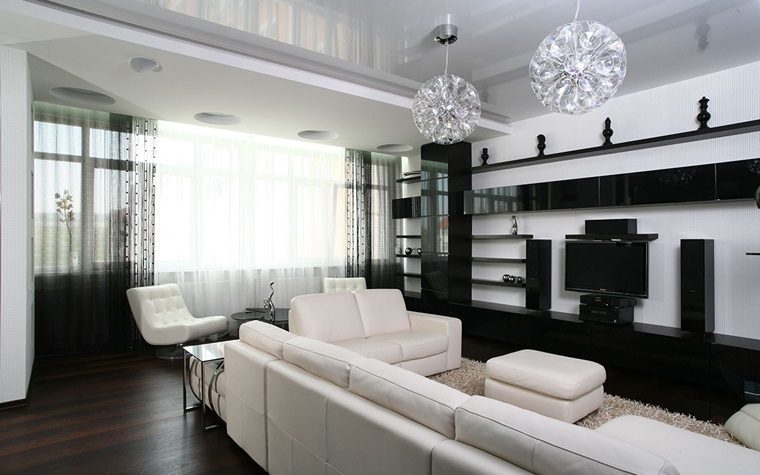
Minimalism continues to influence interior design, but contemporary minimalist homes are often softer and more comfortable than the stark interiors associated with earlier versions of the style.
The emphasis is increasingly on simplicity without making a home feel empty. Clean lines and uncluttered spaces are combined with wood, natural fabrics, warm neutral colors, plants, and personal objects.
Ways to create a warmer minimalist interior:
- Use warm white, beige, taupe, sand, or soft gray instead of relying only on bright white.
- Combine simple furniture with natural wood and textured fabrics.
- Keep visible surfaces organized without removing every decorative object.
- Choose fewer decorations, but make them meaningful.
- Allow some empty space around furniture and artwork.
For a deeper look at this style, read our guide to
minimalist interior design.
2. Return to Traditional Style
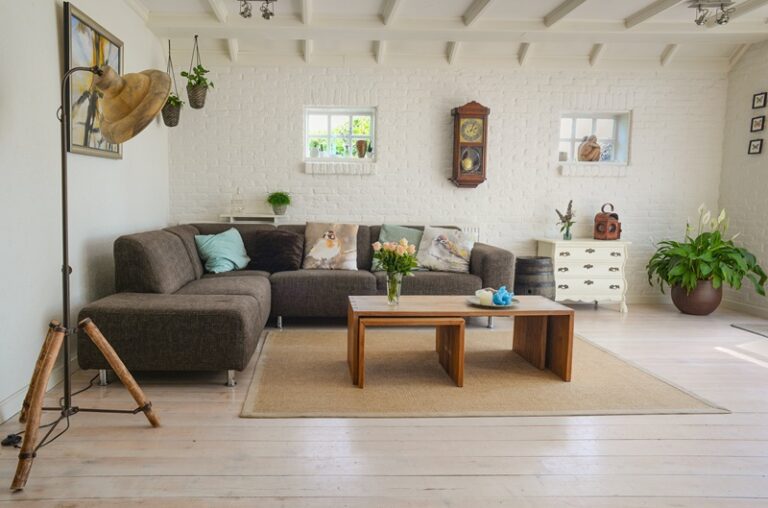
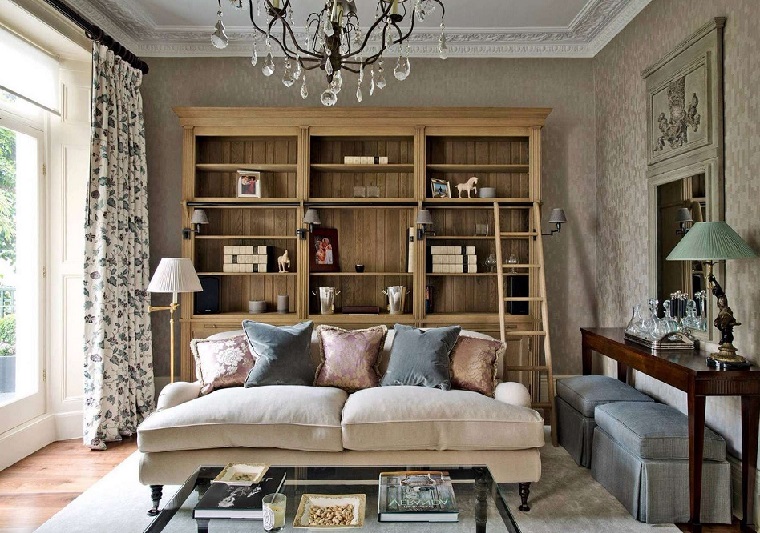
Traditional details are appearing again in contemporary homes, often mixed with modern furniture rather than reproduced as a complete period interior.
Wood furniture, decorative moldings, patterned textiles, classic lighting, framed artwork, vintage objects, and warmer colors can add character to rooms that might otherwise feel too uniform.
This does not necessarily mean returning to heavy or formal interiors. A modern interpretation may combine a traditional wooden table with simple chairs, classic wall paneling with modern lighting, or an antique cabinet inside an otherwise contemporary room.
Traditional elements that work well in modern homes include:
- Natural wood furniture
- Decorative wall molding
- Patterned rugs
- Classic lamps and sconces
- Vintage or inherited furniture
- Framed art rather than completely bare walls
3. Natural Materials and Textures
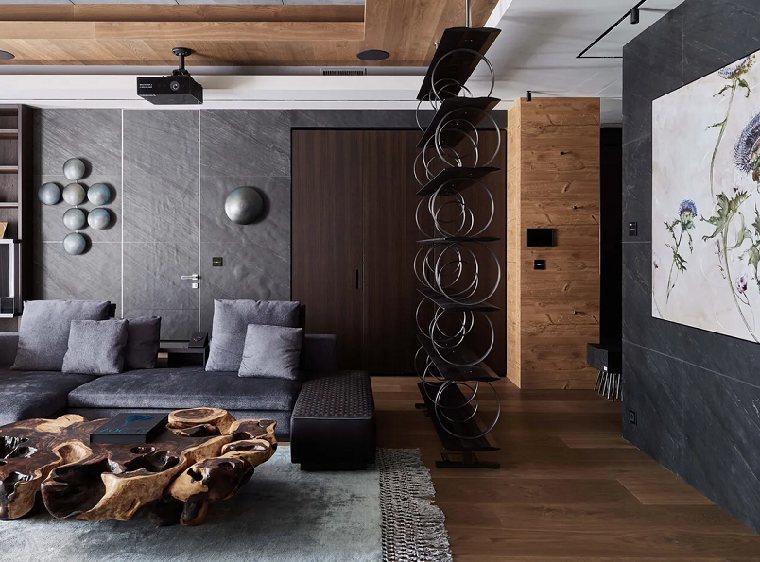
Natural materials continue to play an important role in contemporary home decorating because they introduce texture, variation, and warmth.
Rather than filling a room with many different decorative objects, natural materials can provide visual interest through the surfaces themselves.
Popular materials include:
- Wood: oak, walnut, pine, bamboo, and other visible wood finishes.
- Stone: marble, limestone, travertine, slate, and stone-effect surfaces.
- Natural fibers: linen, cotton, wool, jute, and similar textiles.
- Rattan and wicker: useful for furniture, baskets, lighting, and small accents.
- Ceramics: handmade or irregular finishes can add character to kitchens and living spaces.
A room does not need to use expensive materials everywhere. Even small additions such as linen curtains, a wooden side table, woven storage baskets, or ceramic accessories can create a warmer atmosphere.
4. Relaxed Coastal Interiors
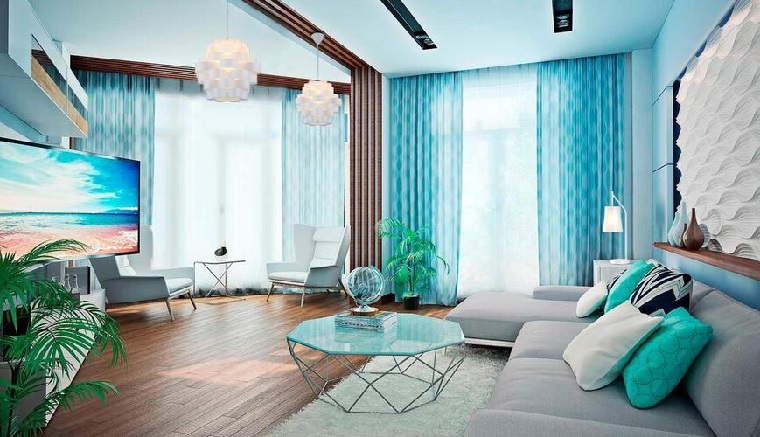
Coastal design remains appealing because it emphasizes light, space, natural textures, and an informal atmosphere. However, a modern coastal interior does not need to rely heavily on obvious marine decorations.
Instead of filling the room with anchors, ropes, and seashell motifs, try creating the feeling of a coastal home through color and materials.
Modern coastal decorating ideas:
- Use off-white, sand, pale blue, and muted green tones.
- Choose light woods and woven natural textures.
- Use linen or cotton curtains that allow natural light through.
- Add simple ceramics, baskets, or subtle marine-inspired artwork.
- Keep the layout open and visually light.
5. More Personal and Collected Interiors
One of the most useful changes in home decorating is the move away from interiors that look as though every object came from the same collection.
Homes can feel more individual when new furniture is combined with older pieces, artwork, books, photographs, travel objects, handmade items, or inherited furniture. When decorating humid spaces, artwork also needs to suit the room conditions. Our guide to canvas art in bathrooms explains how humidity, ventilation, and placement can affect canvas paintings.
The goal is not to fill every surface. Instead, choose objects that have visual or personal value and give them enough space to be noticed.
Avoid Designing Only for a Photograph
A room can look perfect in a photograph while being inconvenient in everyday life. Your home needs places for chargers, coats, keys, cleaning supplies, remote controls, shoes, and all the other ordinary objects that rarely appear in styled interior photographs.
Good decorating should work when people are actually living in the room.
6. Richer and Bolder Color Palettes
Neutral colors remain useful because they are easy to combine, but many interiors are also embracing deeper and warmer shades.
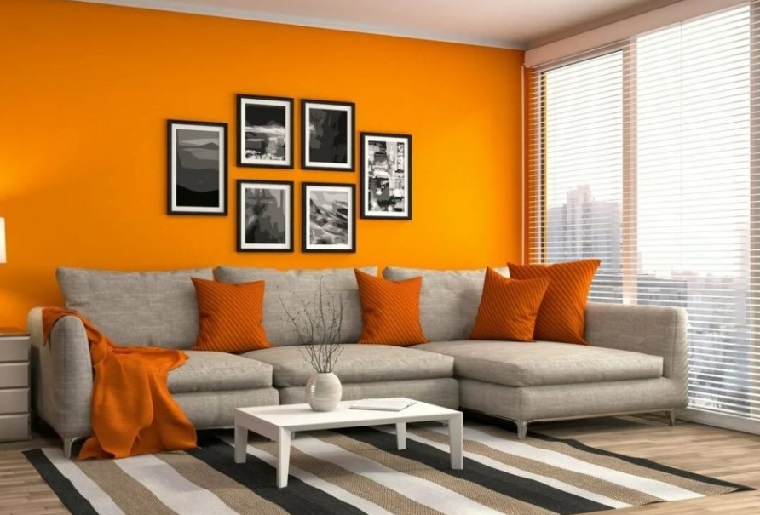
Instead of using bold colors everywhere, they can be introduced selectively through a wall, sofa, cabinet, rug, curtains, artwork, or smaller accessories.
Colors that can create strong interior accents include:
- Deep green
- Terracotta
- Burnt orange
- Mustard and ochre
- Dark blue
- Burgundy
- Warm brown
Lighting has a major influence on how paint colors appear. Before painting an entire room, test a sample on several walls and observe it during different times of day.
7. Biophilic Design and a Stronger Connection to Nature
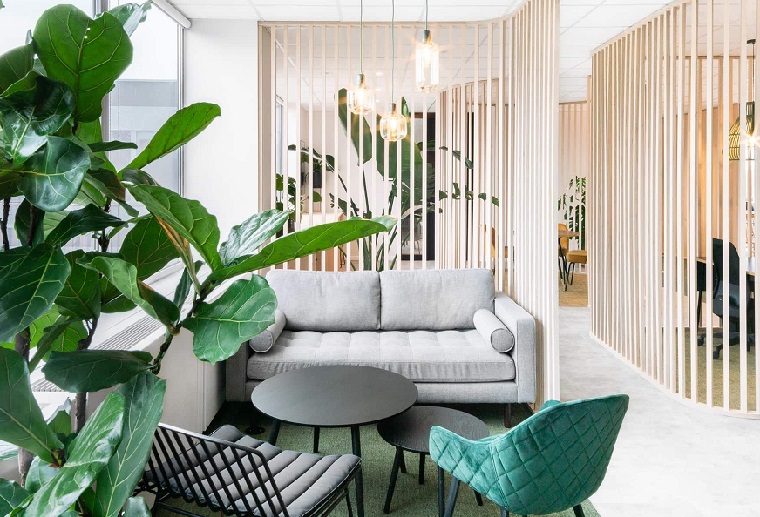
Biophilic design is based on strengthening the connection between indoor environments and the natural world.
In a home, this can be interpreted in simple ways rather than requiring dramatic architectural changes.
Common biophilic design elements include:
- Indoor plants
- Views toward gardens or outdoor spaces
- Natural daylight
- Wood, stone, and natural textiles
- Organic shapes and patterns
- Colors inspired by plants, earth, water, and natural landscapes
Large windows and thoughtful window placement can also strengthen the visual connection between inside and outside. See our guide to
modern window design
for more ideas about natural light and glazing.
8. Mixing Old and New
Homes increasingly combine different periods instead of following one style completely. A modern sofa can sit beside an antique side table, contemporary lighting can be installed above an older dining table, or traditional architecture can be paired with minimalist furniture.
This approach can make interiors feel less generic and allows useful existing furniture to remain part of the home.
How to Mix Styles Successfully
- Repeat one or two colors across old and new pieces.
- Keep some consistency in materials or proportions.
- Use a limited number of strong statement pieces.
- Avoid trying to represent too many unrelated styles in one small room.
- Allow older furniture to contrast with cleaner contemporary elements.
Common Decorating Mistakes to Avoid
Trends can provide inspiration, but following them too literally can create rooms that become dated quickly or simply do not work for your lifestyle.
- Replacing everything just to follow a trend: update smaller elements first before changing expensive furniture.
- Ignoring room proportions: furniture should suit the actual size and shape of the space.
- Choosing style over comfort: a beautiful chair that nobody wants to sit in is not particularly useful.
- Using too many trends at once: choose the ideas that genuinely work with your existing home.
- Forgetting lighting: colors and materials can look completely different under poor lighting.
- Copying showroom interiors exactly: real homes need practical storage and room for everyday belongings.
- Buying everything new: existing and second-hand furniture can add character while reducing unnecessary replacement.
Frequently Asked Questions About Home Decorating Trends
What decorating styles are popular right now?
Contemporary interiors often combine warm minimalism, natural materials, traditional details, richer colors, plants, vintage pieces, and practical layouts rather than following one strict style.
Is minimalist interior design still popular?
Yes, but minimalism is increasingly interpreted in a warmer way, with natural wood, textured fabrics, plants, personal objects, and softer colors rather than completely empty spaces.
Are neutral interiors going out of style?
No. Neutral colors remain versatile, but they are often being combined with warmer materials and stronger accent colors to create more depth and personality.
How can I update my home without replacing everything?
Start with paint, textiles, lighting, artwork, plants, furniture arrangement, and smaller decorative objects. These changes can noticeably alter a room without requiring a complete renovation.
Should every room follow the same decorating style?
Not necessarily. Rooms can have different personalities while still feeling connected through recurring colors, materials, lighting, or architectural details.
How do I choose a trend that will last?
Prioritize ideas that also serve a practical purpose. Natural materials, good lighting, comfortable furniture, useful storage, and layouts suited to your lifestyle generally age better than highly specific decorative fashions.
Final Thoughts
Home decorating trends are most useful as inspiration rather than strict rules. The strongest interiors usually combine ideas from different styles with the architecture of the home and the needs of the people who live there.
You might prefer the calm of warm minimalism, the character of traditional furniture, the texture of natural materials, or the energy of deeper colors. There is no need to choose only one.
Start with the things that are difficult or expensive to change — layout, major furniture, windows, flooring, and lighting — and use trends more freely for paint, textiles, artwork, and accessories.
A home that reflects your habits and personality will usually remain enjoyable much longer than one designed only around the latest trend.