Why Is Minimalist Interior Design So Popular?
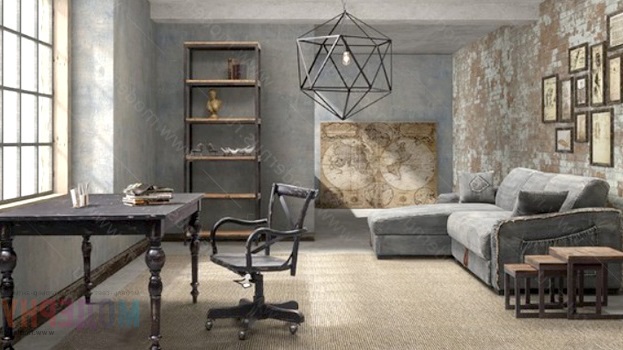
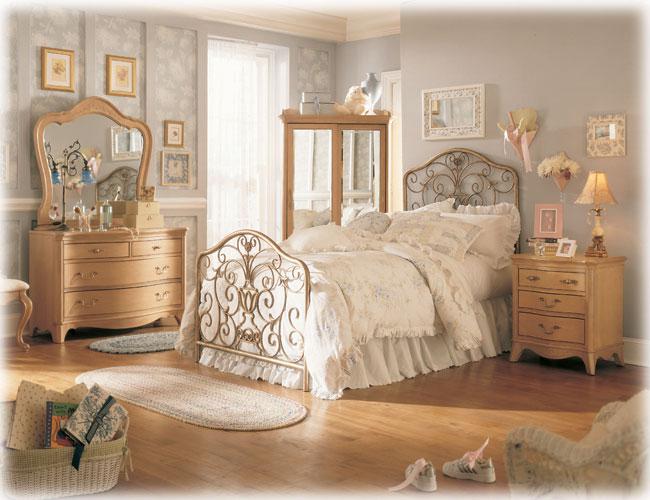
The style can be adapted to apartments, family homes, bedrooms, kitchens, and living spaces. It can also combine with Scandinavian, Japanese-inspired, contemporary, industrial, and traditional interiors.
This guide explains the characteristics and benefits of minimalist interior design, why the style continues to appeal to many people, and how to create a simple home without making it feel cold or unfinished.
1. Why Is Minimalist Interior Design So Popular?
Minimalist interior design appeals to people who want their homes to feel organized, functional, and visually coherent.
Several practical factors contribute to its popularity:
- Smaller homes benefit from carefully selected furniture.
- Clear floor space can improve movement through a room.
- Fewer exposed objects may make routine cleaning easier.
- Neutral foundations can be adapted with new textiles and accessories.
- Closed storage helps manage everyday belongings.
- Simple interiors can highlight natural light and architectural details.
- Buying fewer objects can encourage more deliberate decisions.
- Minimalism combines easily with several other design styles.
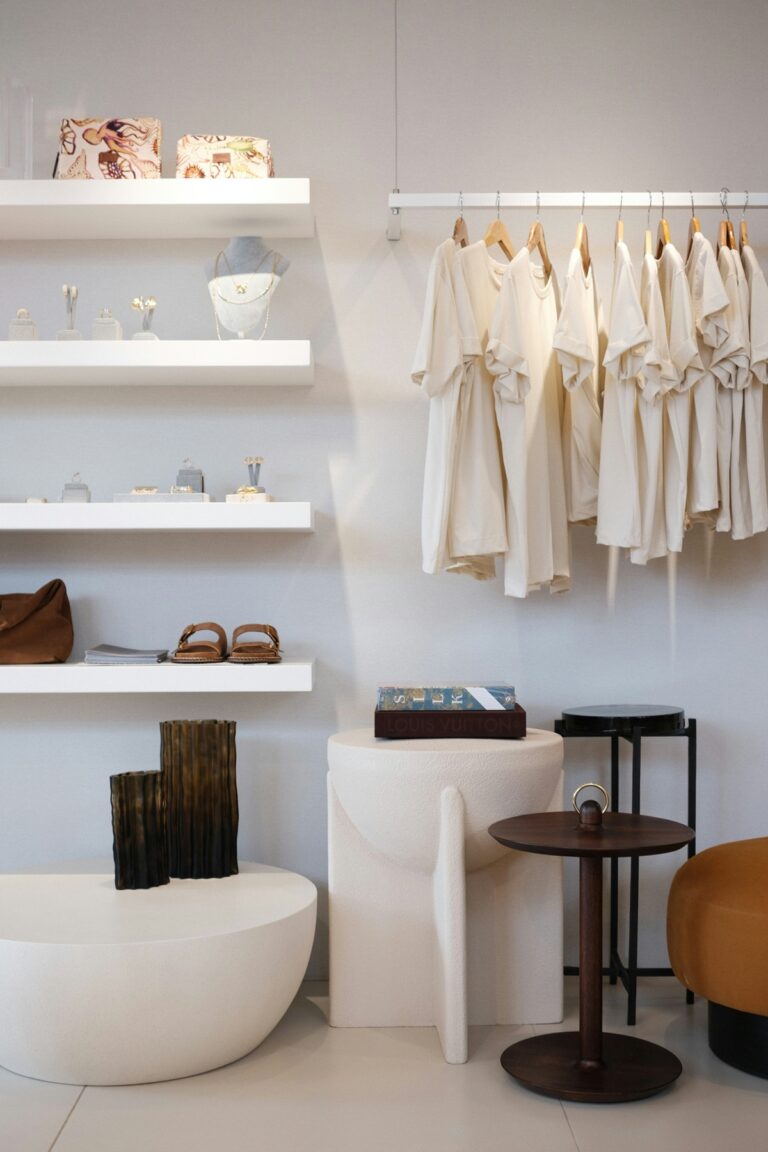
Its visual popularity is also understandable. Images of bright rooms, clean surfaces, and carefully positioned furniture are easy to appreciate. However, a photographed minimalist space may not show where its everyday belongings are stored.
For minimalism to work in real life, the home needs appropriate storage and furniture that supports the household’s normal routine.

2. What Does Minimalist Interior Design Mean?
Minimalist interior design focuses on using space and objects intentionally. Each major element should contribute to function, comfort, or the desired atmosphere.
This does not mean that every possession must be hidden or that decoration is prohibited. Instead, the room avoids unnecessary repetition, poorly proportioned furniture, and decorative elements that compete without creating a coherent result.
A minimalist interior often asks:
- Does this furniture support how the room is used?
- Is there enough storage for everyday belongings?
- Can people move through the space comfortably?
- Do the colors and materials work together?
- Does each displayed object have a clear purpose or meaning?
- Is the room comfortable as well as visually simple?
Minimalism is not the same as having fewer possessions
A household can own many belongings and still create a visually restrained interior when those items are organized appropriately.
Likewise, a nearly empty room is not automatically well designed. It may lack seating, lighting, storage, acoustic comfort, or personality.
Minimalism is not one fixed style
Minimalist principles can be expressed through warm wood and textured textiles, concrete and metal, traditional furniture, Japanese-inspired design, or contemporary architecture.
The shared idea is restraint and clarity rather than one mandatory appearance.
3. Key Characteristics of Minimalist Interior Design
Minimalist interiors vary, but they often share several design characteristics.
Clear room layout
Furniture is arranged to support movement and daily activities. Walkways are not blocked by unnecessary tables, storage units, or decorative objects.
Simple forms
Furniture and architecture often use clear shapes and relatively restrained detailing. Simple does not have to mean uncomfortable, inexpensive, or plain.
Limited color palette
A smaller group of coordinated colors creates visual continuity. Accent colors may still be used, but they do not compete across every surface.
Functional furniture
Pieces are chosen according to comfort, size, durability, and use. A visually minimal chair that is uncomfortable does not improve the room.
Practical storage
Everyday objects need accessible locations. Closed cabinets can create a quieter appearance, while selected open shelves keep useful or meaningful objects visible.
Controlled decoration
Artwork, books, plants, photographs, and collected objects are used selectively. Fewer displayed pieces can give each one more visual impact.
Attention to materials
When there are fewer decorative objects, the texture and quality of flooring, furniture, textiles, walls, and hardware become more noticeable.
Use of negative space
Empty wall and floor areas are treated as part of the composition rather than space that must always be filled.
4. Modern Minimalist Interior Design
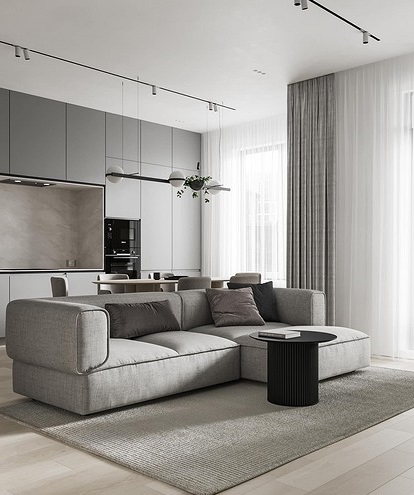
Modern minimalist interior design combines functional layouts with restrained furniture, integrated storage, and carefully selected materials.
Common elements include:
- Simple architectural lines
- Open or visually connected layouts
- Built-in storage
- Large or unobstructed windows
- Neutral and muted colors
- Natural wood and stone
- Matte surfaces
- Simple lighting fixtures
- A limited number of decorative focal points
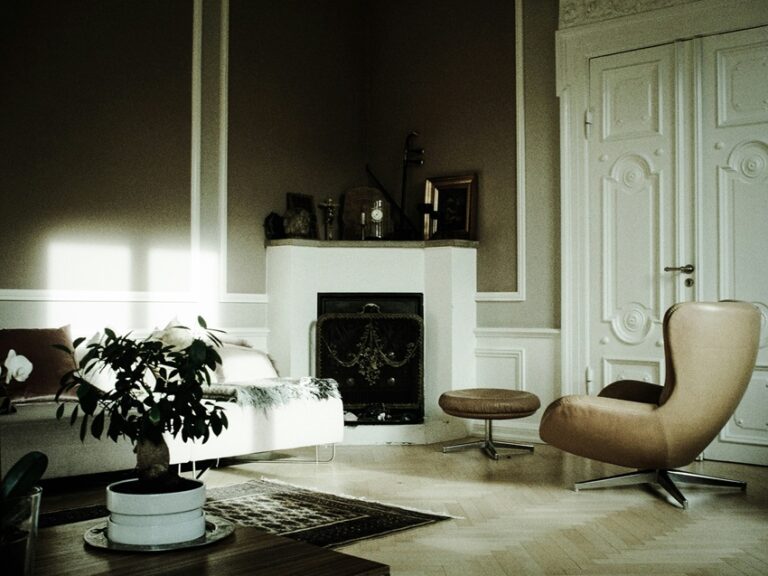
Modern minimalism does not require the removal of traditional elements. An older wooden table, vintage chair, handmade rug, or collected artwork can create contrast and prevent the interior from looking generic.
Japanese-inspired minimalism
Japanese-inspired interiors are often associated with thoughtful use of space, natural materials, restrained decoration, and a close relationship between interior and exterior light.
This approach can be especially useful in compact rooms. See our guide to Japanese-style small bedroom design for a room-specific example.

5. Minimalist Colors and Materials
Minimalism is often associated with white, but a minimalist home does not need to be completely white or monochromatic.
Possible base colors include:
- Warm white
- Ivory
- Beige
- Taupe
- Soft gray
- Muted green
- Deep blue
- Natural wood tones
- Charcoal accents
Use undertones consistently
White, beige, gray, and wood can have warm or cool undertones. Compare samples in the actual room before committing to paint, flooring, curtains, or large furniture.
Daylight and artificial lighting can change how neutral colors appear.
Add depth through texture
A restrained palette can feel flat when every surface has the same finish. Texture introduces variety without requiring many colors.
Useful materials include:
- Natural wood
- Linen
- Wool
- Cotton
- Stone
- Ceramic
- Woven fibers
- Plaster-style wall finishes
- Matte metal
Use contrast selectively
Dark elements can give structure to a pale interior. Black frames, dark lamp bases, hardware, or one piece of furniture may provide enough definition without dominating the room.
Avoid matching every material
A room can feel more natural when woods, fabrics, and finishes coordinate without being identical. Small variations add depth and prevent a catalog-like appearance.
6. Minimalist Furniture and Room Layout
Minimalist furniture should be appropriately sized, comfortable, and useful. Thin legs and simple silhouettes can make furniture appear visually lighter, but appearance should not override function.
When choosing furniture, consider:
- Room dimensions
- Walkway clearance
- Comfort
- Storage requirements
- Durability
- Maintenance
- How often the piece will be used
Use fewer appropriately scaled pieces
Several small furniture items can make a room feel busier than one or two well-proportioned pieces.
A large room does not need to be filled around every wall. A small room should not contain oversized furniture that blocks circulation.
Avoid pushing everything against the walls
In some rooms, moving a sofa, chair, or table slightly away from the wall creates a clearer seating zone and more intentional composition.
The best arrangement depends on room shape, doors, windows, and daily activities.
Choose multifunctional furniture carefully
Multifunctional furniture can be useful in compact homes:
- Storage beds
- Ottomans with internal storage
- Extendable dining tables
- Desks integrated into shelving
- Benches with drawers
- Nesting tables
A multifunctional piece is useful only when each function is practical and easy to operate.
7. Storage and Organization in a Minimalist Home
Storage is one of the most important parts of minimalist home design. Without appropriate storage, the room may look simple only immediately after cleaning.
Give frequently used items an accessible place
Objects used every day should not require complicated storage routines. Keys, charging cables, toiletries, clothing, and documents need locations that are convenient enough to use consistently.
Combine closed and open storage
Closed cabinets reduce visual activity, while open storage keeps selected objects visible and accessible.
A balanced system may use:
- Closed cabinets for practical supplies
- Drawers for small items
- Open shelves for books and meaningful objects
- Baskets for flexible storage
- Hooks for frequently used items
- Built-in wardrobes for clothing
Do not buy organizers before sorting
Storage products cannot solve clutter when the underlying belongings have not been reviewed. Sort first, measure the available space, and then choose organizers for specific categories.
Leave some storage capacity available
Cabinets packed completely full are difficult to maintain. A small amount of unused capacity allows belongings to be returned without rearranging the entire system.
8. Artwork and Decoration in Minimalist Interiors
Minimalism does not mean removing all decoration. Art and personal objects can become more noticeable when they are surrounded by fewer competing elements.
Possible decorative elements include:
- One large artwork
- A small coordinated collection
- Books
- Plants
- Handmade ceramics
- Family photographs
- Travel objects
- Textiles
- Sculptural lighting
Houseplants can add natural color, texture, and height without introducing excessive decoration. For help choosing suitable plants and keeping them healthy indoors, see our houseplant care guide.
Create one clear focal point
A room may use one artwork, fireplace, window view, furniture piece, or architectural detail as the main focus.
Several equally strong focal points can make a minimalist room feel visually confused.
Group small objects
Several small objects often look more intentional when grouped on one shelf or tray instead of being distributed across every surface.
Use art you genuinely like
Do not select generic monochrome prints only because they appear minimalist. A colorful or expressive piece can work well when the surrounding room remains restrained.
For size, framing, color, and placement guidance, see our complete guide to choosing artwork for a bedroom.
9. Minimalist Lighting Design
Lighting should support tasks, movement, atmosphere, and the room’s architectural qualities.
A minimalist room may combine:
- General ceiling lighting
- Task lighting for reading, cooking, or working
- Wall lights
- Floor and table lamps
- Indirect lighting
- Selected accent lighting
Use simple fixtures without under-lighting the room
Restrained fixtures should still provide sufficient illumination. A room with one decorative pendant may need additional task or ambient lighting.
Hide light sources where appropriate
Concealed LED strips beneath cabinets or within architectural details can provide indirect light without adding visible fixtures.
The power supply, wiring, heat management, and maintenance access still require proper planning.
Choose a comfortable light appearance
Warm light often complements bedrooms and living rooms, while kitchens and workspaces may benefit from a more neutral appearance.
The same color temperature can look different against warm and cool wall colors, so test lamps in the actual space.
Use controls selectively
Dimmers, sensors, and scenes can reduce the number of visible controls and help one room support several activities. Automation should remain easy to override manually.
10. Minimalist Design for Small Apartments and Rooms
Minimalist principles can be useful in small spaces, but removing furniture is not enough. The room still needs to support storage, seating, sleep, work, and other daily functions.
For a small room:
- Measure before buying furniture.
- Preserve clear walking routes.
- Use vertical wall space where appropriate.
- Choose storage that fits specific belongings.
- Avoid excessive furniture depth.
- Use mirrors carefully to reflect light.
- Keep important work surfaces available.
- Limit decorative objects to selected areas.
- Use furniture legs or wall mounting to expose more floor visually.
Do not make the room impractical
A small minimalist bedroom still needs enough clothing storage, bedside lighting, and accessible surfaces. A living room still needs comfortable seating.
Function should determine what remains rather than an arbitrary rule about how many objects are permitted.
11. What Is Luxury Minimalism?
Luxury minimalism combines visual restraint with high-quality materials, careful proportions, precise construction, and comfortable furniture.
Instead of relying on many decorative objects, the room may emphasize:
- Natural stone
- Solid wood
- Custom cabinetry
- High-quality textiles
- Architectural lighting
- Large-scale artwork
- Carefully finished hardware
- Detailed joinery
Luxury minimalism is not simply an expensive empty room. Materials should be selected for durability, comfort, and suitability rather than price or brand alone.
A modest interior can also feel refined when its layout is clear, lighting is comfortable, and existing materials are maintained well.
12. Benefits and Limitations of Minimalist Interior Design
Potential benefits
- Easier routine cleaning: fewer loose objects can simplify dusting and floor care.
- Clearer circulation: appropriately sized furniture can improve movement.
- Flexible visual foundation: neutral walls and major furniture can be updated with textiles and art.
- Greater focus on selected objects: artwork and meaningful possessions receive more attention.
- More deliberate purchases: the style can encourage evaluation before adding new items.
- Better use of small spaces: suitable furniture and storage can reduce congestion.
Potential limitations
- Insufficient storage can make the look difficult to maintain.
- Very pale interiors may require frequent cleaning.
- A rigid approach can remove comfort and personality.
- Custom concealed storage can be expensive.
- Rooms may feel unfinished when texture and lighting are ignored.
- Minimalism may not suit people who enjoy displaying large collections.
Minimalist interior design is one option rather than a universal solution. A home should support the preferences and daily routines of its occupants.
13. How to Create a Minimalist Interior
Step 1: Start with one room
Choose one space and identify what currently makes it difficult to use. The problem may be excessive furniture, insufficient storage, crowded surfaces, or an inconsistent layout.
Step 2: Define the room’s functions
List the activities that need to happen in the space. Keep furniture and equipment that support those activities.
Step 3: Remove items temporarily
Instead of discarding everything immediately, remove uncertain objects from the room temporarily. This makes it easier to evaluate the layout without forcing a permanent decision.
Step 4: Improve the furniture arrangement
Test whether existing furniture can be repositioned before buying replacements. Preserve access to doors, windows, storage, and walkways.
Step 5: Sort belongings by category
Review books, clothing, paperwork, cables, decor, and other categories gradually. Keep what is useful, meaningful, or genuinely enjoyed.
Step 6: Create practical storage
Assign everyday belongings accessible places. Measure shelves, drawers, and cabinets before buying organizers.
Step 7: Simplify the palette
Choose a small group of wall, furniture, textile, and accent colors that work together. Existing fixed elements such as flooring should guide the palette.
Step 8: Add texture
Use wood, fabric, rugs, curtains, plants, and matte surfaces to prevent a simple room from feeling flat.
Step 9: Improve lighting
Make sure the room has enough task and ambient light. Replace or reposition fixtures only when they solve a clear problem.
Step 10: Add personal elements
Return selected artwork, photographs, books, plants, and meaningful objects. Leave enough space around them to remain visually distinct.
For a wider discussion of possessions, habits, and simplifying daily routines, see our guide to minimalist living.
14. Common Minimalist Interior Design Mistakes
- Making the room too empty: minimalism should still support comfort and daily activities.
- Using only white: other neutral, muted, and dark colors can also create a restrained interior.
- Ignoring texture: identical smooth surfaces can make the room feel flat.
- Choosing appearance over comfort: furniture must remain pleasant to use.
- Underestimating storage: everyday belongings need practical locations.
- Buying organizers too early: sort and measure before selecting storage products.
- Purchasing new minimalist decor unnecessarily: first evaluate and rearrange what you own.
- Hiding everything: useful and meaningful objects can remain visible.
- Removing all color: controlled accents can give the room character.
- Using furniture that is too small: several undersized pieces may create more visual clutter.
- Following photographs instead of daily needs: a real home must be maintainable.
- Treating minimalism as a strict rule: adapt the approach to the household.
Frequently Asked Questions
Why is minimalist interior design so popular?
It combines a visually restrained appearance with practical ideas about furniture, storage, and room layout. Many people also appreciate its flexibility and compatibility with other interior styles.
Does minimalist interior design have to be white?
No. Beige, gray, muted green, dark blue, natural wood, and deeper accent colors can all be used. Visual coherence and restraint matter more than using white exclusively.
Can a minimalist home feel cozy?
Yes. Warm lighting, wood, curtains, rugs, upholstered furniture, plants, books, and personal artwork can create a comfortable minimalist interior.
Is minimalist design suitable for a family home?
It can be, provided the home includes sufficient storage, durable materials, and furniture that supports family routines. Minimalism should not require every surface to remain empty at all times.
Is minimalism good for small apartments?
Appropriately sized furniture, clear walkways, and practical storage can make a small apartment easier to use. Removing necessary furniture or storage will not improve the space.
Does minimalism mean getting rid of most possessions?
No. Interior minimalism focuses on intentional arrangement and reduced visual clutter. The appropriate number of belongings differs between households.
Can minimalist interiors include artwork?
Yes. Artwork can become a strong focal point because there are fewer competing decorative elements. Colorful and expressive art can work as well as neutral pieces.
Is minimalist interior design expensive?
Not necessarily. Rearranging furniture, reducing clutter, simplifying colors, and buying less can cost very little. Custom cabinetry and premium materials are optional.
What is the difference between minimalism and modern design?
Modern design refers to a broader historical and aesthetic approach, while minimalism emphasizes restraint and intentional use of space. A room can be both modern and minimalist, but the terms are not identical.
How can I make a minimalist room less sterile?
Add texture, warm lighting, natural materials, comfortable textiles, plants, books, and selected personal objects. Avoid using the same pale color and smooth finish on every surface.
Final Thoughts
Minimalist interior design remains popular because it can make a home feel more coherent and easier to use without requiring one rigid decorating formula.
The most successful minimalist interiors are not empty. They combine practical storage, comfortable furniture, thoughtful lighting, coordinated colors, natural textures, and a limited number of meaningful decorative elements.
Instead of asking how little can be placed in a room, consider whether each element supports the way the space needs to look, feel, and function.