Secret Interior Design Accent Wall Tips You Should Know
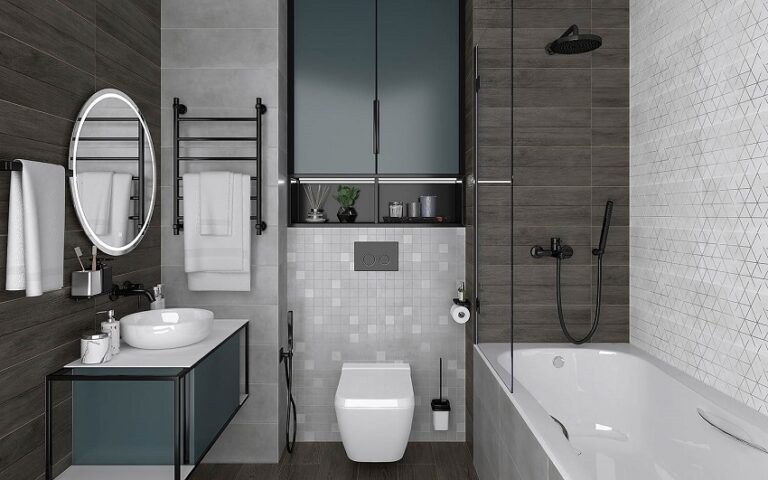
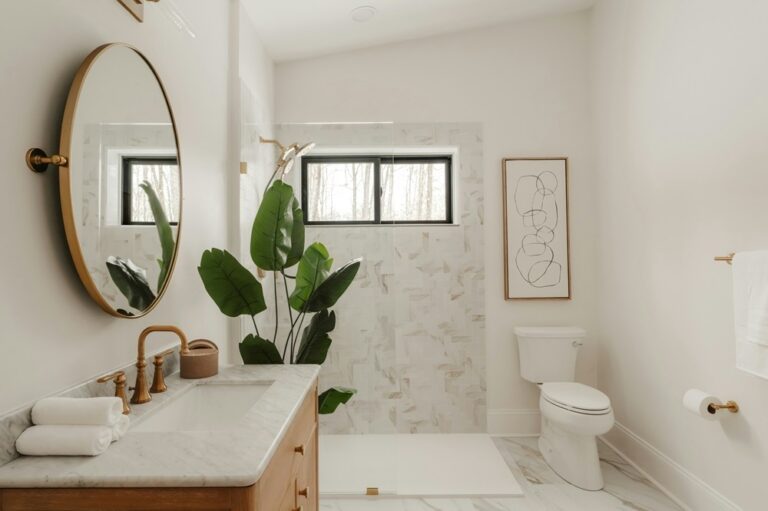
Accent wall ideas can add depth, contrast, texture, and personality to a room without requiring a complete renovation.
Instead of treating every wall in the same way, one surface becomes a visual focal point through paint, wallpaper, wood, molding, stone, lighting, or another decorative treatment.
However, a successful accent wall should feel connected to the room rather than added randomly. The best wall and material depend on the layout, natural focal points, lighting, furniture, architectural details, and overall color palette.
This guide explains how to choose an accent wall, select suitable colors and materials, avoid common mistakes, and create a result that remains balanced over time.
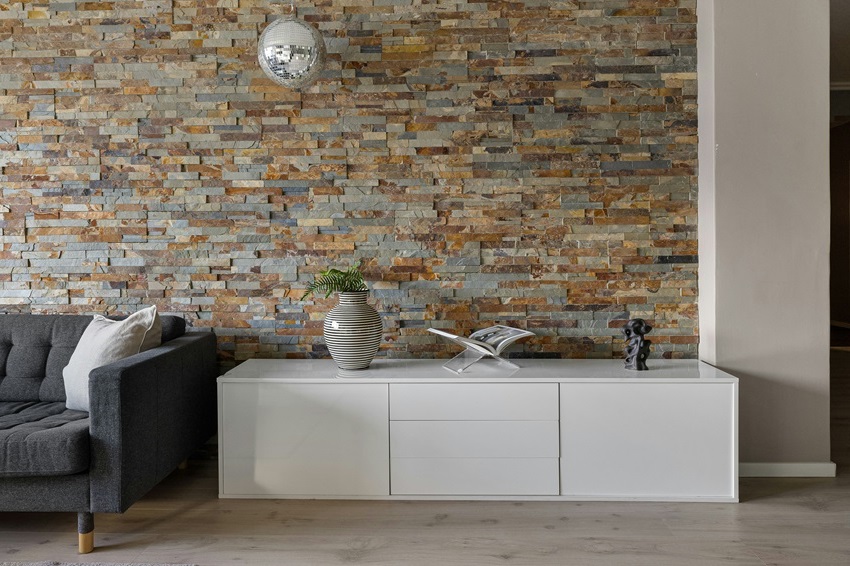
What Is an Accent Wall?
An accent wall, sometimes called a feature wall, is designed to stand out from the other surfaces in a room.
It may use a different:
- paint color
- wallpaper pattern
- material
- texture
- architectural detail
- lighting treatment
- collection of artwork
The purpose is normally to create a focal point and give the room a clearer visual structure.
Accent walls can be used in:
- living rooms
- bedrooms
- dining rooms
- entryways
- home offices
- hallways
- children’s rooms
- commercial interiors
They can also emphasize an existing architectural feature, such as a fireplace, built-in shelving, headboard, staircase, dining area, or media unit.
Does Every Room Need an Accent Wall?
No. Some rooms look more cohesive when every wall uses the same paint or material.
An accent wall should solve a visual or practical design problem. For example, it might define a focal point, connect a furniture arrangement, highlight architecture, or introduce color without changing the entire room.
How to Choose the Right Accent Wall
The best accent wall is often the surface that already attracts attention naturally.
Good candidates include:
- the wall behind a bed
- the wall behind a sofa
- a fireplace wall
- a dining-area wall
- a television or media wall
- the first complete wall visible when entering
- a wall with built-in storage
- a wall with an architectural feature worth emphasizing
Follow the Furniture Layout
An accent wall should support the room’s furniture arrangement.
For example, the wall behind a sofa can anchor the living area. Similarly, the wall behind a bed can reinforce the bedroom’s natural focal point.
If the furniture faces away from the feature wall, the treatment may feel disconnected from the room.
Consider the View From the Entrance
Stand at the main entrance and notice where your eye goes first.
A visually prominent wall can be a strong candidate. However, the first visible surface is not automatically the correct choice if it is interrupted by several doors, windows, or unrelated architectural elements.
Look at the Complete Wall
A simple, clearly defined surface often works better than a wall divided into many small sections.
Nevertheless, windows, fireplaces, shelving, and alcoves can become part of the feature when the design accounts for them intentionally.

Which Walls Should You Avoid?
Not every wall is equally suitable for a contrasting treatment.
Be cautious when the wall:
- is divided by several unrelated doors and openings
- has no visual relationship with the furniture
- contains damage or moisture problems
- is already crowded with storage and decoration
- competes with a stronger architectural feature elsewhere
- receives lighting that makes the selected finish look uneven
Do Not Use Decoration to Hide a Building Problem
Paint, wallpaper, and panels should not be used to conceal active dampness, mold, leaks, unstable plaster, or structural cracks.
Identify and correct the underlying problem before applying a decorative finish.
Avoid Competing Focal Points
If the room already contains a visually strong fireplace, large window, dramatic staircase, or distinctive ceiling, an unrelated accent wall may create competition.
Instead, consider incorporating the existing feature into the treatment.
How to Choose an Accent Wall Color
An accent wall does not have to be darker than the surrounding walls.
It can be:
- darker
- lighter
- warmer
- cooler
- more saturated
- textured rather than differently colored
Dark Colors
Deep blue, green, charcoal, burgundy, brown, and other dark colors can add depth and drama.
However, very dark paint can make a poorly lit wall feel visually heavy. Therefore, consider the room size, ceiling height, natural light, and artificial lighting.
Light Colors
A lighter accent can create subtle variation in a dark or highly saturated room.
This approach works well when the goal is to highlight architecture without creating a strong contrast.
Warm Colors
Warm reds, oranges, terracotta tones, and some yellows can make a wall feel more visually prominent or closer.
Use strong warm colors carefully in a restful room because they can become dominant.
Cool Colors
Blue, green, and some gray tones can create a calmer impression.
Nevertheless, their appearance depends on the room’s light and surrounding colors.
Repeat the Color Elsewhere
An accent color feels more intentional when it appears in smaller amounts around the room.
For example, repeat it in:
- cushions
- artwork
- a rug
- curtains
- ceramics
- small decorative objects
Test Large Samples
Small color cards do not show how paint will look across an entire wall.
Apply a large movable sample or test area and observe it in morning, afternoon, and evening light.
Also check the color beside the floor, ceiling, furniture, curtains, and existing wall paint.
Painted Accent Wall Ideas
Paint is generally the simplest and most affordable way to create a feature wall.
Single Solid Color
A single contrasting color provides a clean focal point and is relatively easy to update later.
This approach works especially well when furniture, artwork, and textiles already contain several patterns.
Color Blocking
Color blocking uses geometric shapes or clearly separated areas of paint.
It can visually define a desk, reading area, dining space, or headboard without covering the complete wall.
Painted Arch or Headboard Shape
A painted arch, rectangle, or other simple shape can create a focal point behind a bed, desk, or display cabinet.
However, the size should relate to the furniture rather than appearing as an isolated shape.
Ombre and Specialist Paint Effects
Gradient, limewash-style, mineral, or textured effects can introduce visual movement.
Check whether the selected product is suitable for the existing wall and follow the complete preparation and application instructions.
Ventilate While Painting
Paints, primers, stripping products, adhesives, and other decorating materials may release volatile organic compounds.
Follow product safety instructions and provide appropriate ventilation during and after the work. The
US Environmental Protection Agency’s VOC guidance
explains how paints and other household products can affect indoor air.
Wallpaper Accent Wall Ideas
Wallpaper can add pattern, illustration, color, or subtle texture without covering every wall.
Large Botanical Patterns
A botanical print can create a strong focal point behind a bed, sofa, or dining table.
Keep surrounding textiles relatively controlled when the wallpaper contains many colors or fine details.
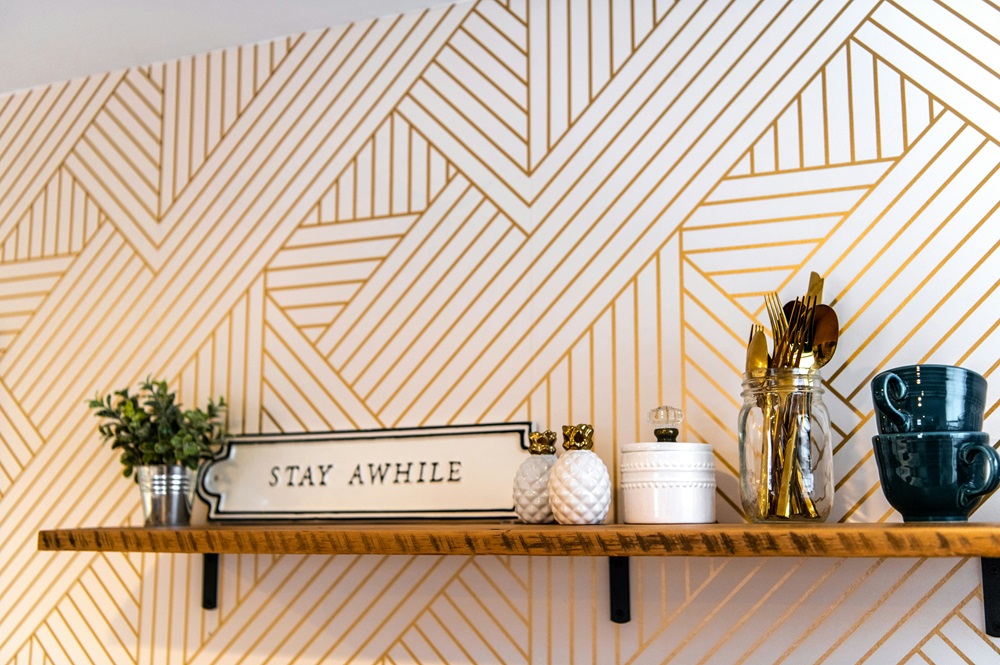
Geometric Wallpaper
Geometric patterns work well in contemporary interiors and can emphasize the shape of a wall.
Careful alignment is essential because small installation errors may be particularly visible in repeating patterns.
Textured and Fabric-Look Wallpaper
Subtle texture can add depth without introducing a dominant print.
This can be useful in bedrooms, home offices, and dining rooms where a calmer effect is preferred.
Murals
A large mural can turn the wall into an artwork.
Before ordering one, confirm the wall dimensions and check how doors, windows, furniture, outlets, and switches will interact with the image.
Prepare the Wall Correctly
Wallpaper does not hide every imperfection.
Uneven plaster, loose paint, grease, dust, and moisture can affect adhesion and finish quality.
Follow the wallpaper and adhesive manufacturer’s instructions for priming, lining, pattern matching, and drying.
Wood and Slatted Accent Walls
Wood can introduce warmth, texture, and architectural rhythm.
Possible options include:
- vertical wood slats
- veneered panels
- tongue-and-groove boards
- reclaimed boards
- wood-look panels
- acoustic slat products
Vertical Slats
Vertical lines can draw the eye upward and emphasize ceiling height.
However, narrow slats collect more dust and may complicate cleaning.
Horizontal Boards
Horizontal lines can make a wall appear wider.
The effect depends on the dimensions of the room, board width, and contrast between the boards and background.
Check the Substrate and Fixings
Wood and panel systems can be considerably heavier than paint or wallpaper.
Use fixings suitable for the wall construction and the weight of the complete system. In addition, check for hidden plumbing and electrical cables before drilling.
Allow for Material Movement
Real wood can expand and contract with changes in humidity.
Store, acclimate, space, and finish the material according to the manufacturer’s instructions.
Be Careful Around Fireplaces
Combustible materials must not be installed too close to a fireplace, stove, flue, or other heat source.
Follow appliance instructions, local building requirements, and appropriate professional advice.
Molding and Decorative Wall Panels
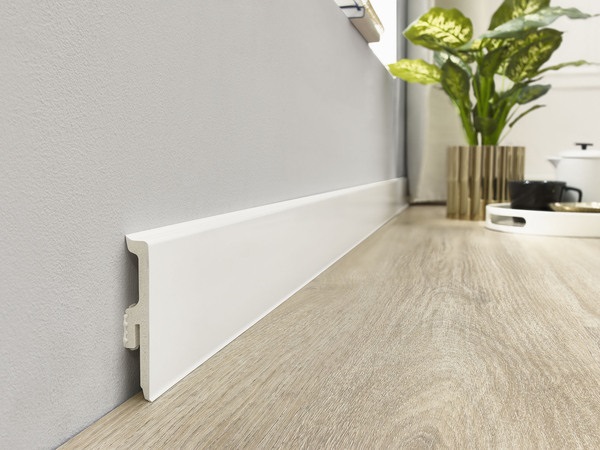
Molding can create an architectural feature without introducing a strong pattern.
Picture-Frame Molding
Simple rectangular molding can add proportion and structure to a wall.
Painting the molding and wall in the same color creates a subtle result. By contrast, using different colors increases the visual contrast.
Board and Batten
Board-and-batten-style treatments use vertical and horizontal strips to create repeated panels.
The spacing should be planned around furniture, switches, outlets, windows, and wall dimensions.
Three-Dimensional Panels
Three-dimensional panels can create shadows and texture, especially when illuminated from the side.
However, pronounced surfaces may collect dust and make artwork or wall-mounted furniture more difficult to install.
Plan the Pattern Before Cutting
Draw the complete layout and mark it lightly on the wall before installing molding.
Balanced spacing at the edges normally looks more intentional than beginning at one side and leaving an awkward narrow section at the other.
Brick, Stone and Textured Accent Walls
Brick, stone, plaster effects, and realistic alternatives can give an accent wall stronger architectural character.
Exposed Brick
Existing brick can add warmth and texture. However, it may require cleaning, repair, or appropriate sealing depending on its condition and location.
Stone Veneer
Stone veneer can create a substantial focal point around a fireplace, television, or dining area.
Check the wall’s load capacity, substrate requirements, adhesive, fixings, and edge details before installation.
Plaster and Mineral Effects
Specialist finishes can create subtle tonal variation and texture.
Because the final appearance depends heavily on preparation and application technique, make a sample board before treating the complete wall.
Realistic Lightweight Alternatives
Lightweight decorative panels may imitate brick, stone, concrete, or other materials.
Nevertheless, check:
- fire performance
- product composition
- cleaning requirements
- UV resistance
- installation method
- suitability for the intended room
Use Lighting to Improve an Accent Wall
Light affects how an accent color or texture appears throughout the day.
Wall Washing
A broad wash of light can illuminate paint, wallpaper, or artwork relatively evenly.
Grazing Light
Lighting positioned close to a textured surface can emphasize relief and shadow.
However, it can also reveal uneven plaster, panel joints, or installation defects.
Picture Lights and Spotlights
Focused lighting can highlight artwork, shelves, or selected details.
Avoid excessive glare and ensure that the fixture does not damage light-sensitive art or materials.
Consider Color Temperature
Warm light can make warm colors and wood feel richer, while cooler light may change how the same materials appear.
Choose a consistent light appearance that works with the rest of the room.
Electrical Safety
New wall lights, concealed wiring, outlets, and integrated LED systems must comply with local electrical requirements.
Use a qualified electrician where required, and do not hide unsafe extension leads or unapproved wiring behind decorative panels.
Living Room Accent Wall Ideas
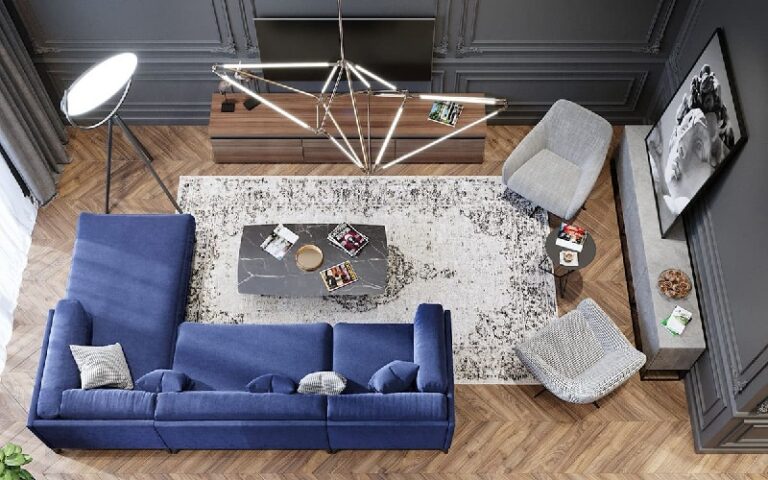
A living room usually contains several potential focal points, including the sofa, fireplace, television, window, or shelving.
Behind the Sofa
The wall behind a sofa can be emphasized with paint, wallpaper, artwork, or molding.
Make sure the feature relates to the width and position of the sofa.
Fireplace Wall
A fireplace already acts as a natural focal point.
Therefore, color, stone, tile, or molding can reinforce it rather than creating a separate competing wall.
Television Wall
A dark or textured media wall can reduce the visual contrast between a black screen and a pale wall.
However, avoid adding so many patterns, lights, shelves, and decorative objects that they distract from viewing.
Wall-mounted televisions and heavy storage units require suitable supports and fixings. Follow equipment instructions and confirm the wall structure before installation.
Built-In Shelving
Painting shelving and the wall behind it in one color can create a cohesive focal point.
For more planning guidance, see our
modern living room design guide.
Bedroom Accent Wall Ideas
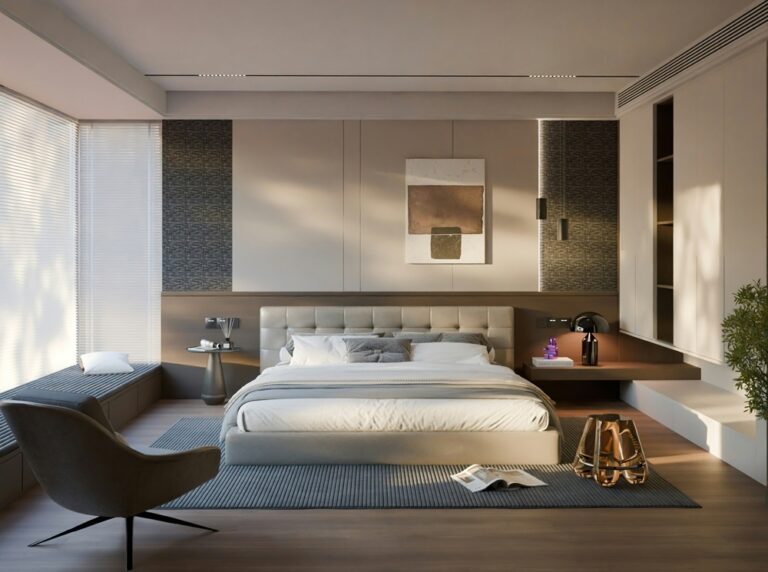
The wall behind the headboard is usually the most natural bedroom accent wall because the bed already functions as the room’s visual center.

Suitable bedroom treatments include:
- deep blue or muted green paint
- warm neutral colors
- wallpaper
- wood slats
- upholstered panels
- decorative molding
- carefully positioned wall lighting
Keep the Room Restful
A bedroom feature wall should support rather than overpower the sleeping area.
If the wallpaper or wall material is visually complex, use simpler bedding and window treatments.
Coordinate With the Bed
Consider the wall treatment together with the headboard height, bedside tables, lamps, artwork, and ceiling.
For more layered styling ideas, see our guide to
creating a cohesive eclectic bedroom.
Can an Accent Wall Make a Small Room Look Bigger?
An accent wall can influence how the proportions of a room are perceived. However, the result depends on color, contrast, pattern, lighting, and wall placement.
Create Visual Depth
A darker or cooler treatment on the far wall of a room may create a sense of depth.
Nevertheless, a very dark wall in a poorly lit room can also feel heavy.
Use Lines Strategically
Vertical slats, stripes, or molding can emphasize height.
Horizontal patterns may make a wall appear wider, although they can also make a low ceiling feel lower.
Avoid Excessive Visual Detail
In a small room, every feature becomes more noticeable.
Use one dominant treatment and keep surrounding furniture, textiles, and accessories relatively controlled.
Consider a Partial Accent
Instead of covering the complete wall, use:
- a painted arch
- half-height paneling
- a wallpaper panel
- a framed mural
- a color block behind furniture
This can introduce character without visually overwhelming the room.
Renter-Friendly Accent Wall Options
Renters should confirm the lease terms and obtain permission before making permanent changes.
More removable options may include:
- removable wallpaper approved for the surface
- large framed artwork
- a freestanding screen
- curtains or textiles mounted with permitted hardware
- removable decorative panels
- temporary color blocks where repainting is allowed
Test Adhesive Products First
Removable does not always mean damage-free.
Adhesives may pull away paint, leave residue, or react with certain wall finishes.
Test the product in a hidden area and follow the manufacturer’s surface, temperature, removal, and application instructions.
Keep Original Materials
If you replace approved hardware, outlet covers, curtain fittings, or other removable parts, label and store the original components for reinstatement.
How to Plan an Accent Wall Project
- Choose the purpose. Decide whether the wall should define a focal point, add texture, introduce color, or highlight architecture.
- Select the wall. Consider furniture, entrances, windows, lighting, and existing features.
- Measure carefully. Record the complete wall dimensions and positions of outlets, switches, openings, and fixed furniture.
- Choose the material. Check weight, cleaning requirements, durability, fire performance, and suitability for the room.
- Prepare samples. Test paint, wallpaper, panels, or finishes in the actual room.
- Inspect the wall. Correct moisture, cracks, loose plaster, and surface contamination before decorating.
- Plan the layout. Center patterns, panels, slats, and molding intentionally.
- Locate hidden services. Check for electrical cables, pipes, and structural elements before drilling.
- Prepare the room. Protect floors, furniture, outlets, and adjacent walls.
- Follow product instructions. Use the required primer, adhesive, fixings, spacing, drying time, and ventilation.
Calculate Materials With an Allowance
Pattern matching, cutting, damaged pieces, and future repairs may require additional material.
Purchase an appropriate allowance from the same production batch where color or pattern variation may occur.
Keep Future Maintenance in Mind
Consider how the wall will be dusted, repaired, repainted, or accessed if electrical and media equipment is installed behind it.
Common Accent Wall Mistakes
Choosing a Random Wall
The feature should support an existing focal point, architectural detail, or furniture arrangement.
Using Too Many Accent Walls
One strong focal wall is usually enough in a room.
Several competing treatments can weaken the hierarchy and make the space feel visually busy.
Ignoring Lighting
Colors and textures can look significantly different under natural and artificial light.
Skipping Samples
Always test paint, wallpaper, wood, or another finish in the actual room before completing the wall.
Overdecorating the Feature
Strong color, texture, artwork, shelves, a television, and lighting on the same wall may become overwhelming.
Using Unsuitable Materials
Confirm that the finish is appropriate for the room’s moisture, heat, cleaning, and fire-safety conditions.
Ignoring Wall Condition
Decorative materials should not conceal active dampness, mold, unstable plaster, or structural movement.
Using Incorrect Fixings
Heavy panels, shelves, televisions, and cabinets require suitable fixings and adequate structural support.
Following a Trend That Does Not Fit the Room
Choose a treatment that works with the architecture, furniture, and household rather than copying a design solely because it is currently popular.
Forgetting the Edges
Plan how wallpaper, panels, slats, molding, and paint will finish at ceilings, corners, baseboards, doors, and adjacent walls.
Frequently Asked Questions About Accent Walls
Which wall is best for an accent wall?
Usually, the best wall is one that already acts as a natural focal point, such as the wall behind a bed, sofa, fireplace, dining table, or media unit.
Does an accent wall have to be darker?
No. It can be darker, lighter, warmer, cooler, textured, patterned, or made from another material.
The purpose is to create deliberate visual emphasis rather than meet a fixed darkness rule.
Can I use an accent wall in a small room?
Yes. A carefully selected wall can add depth and character to a small room.
However, avoid combining a very busy treatment with excessive furniture and decoration.
Can wallpaper be used for an accent wall?
Yes. Wallpaper is a practical way to introduce pattern, illustration, or texture without covering the complete room.
Are accent walls suitable for living rooms?
Yes. Common choices include the wall behind a sofa, fireplace, television, dining zone, or shelving system.
Should every room have an accent wall?
No. Some rooms look more cohesive with the same treatment on every wall.
How many accent walls should a room have?
One clear focal wall is normally sufficient.
A second treatment may work in a large open-plan interior, but the two features should not compete for equal attention.
Can an accent wall make a room look larger?
It can influence the perception of depth, width, or height. However, the result depends on wall placement, color, pattern, lighting, and room proportions.
Are accent walls still popular?
Accent walls remain useful because they create a focal point without requiring every surface to change.
The most durable designs rely on the room’s architecture and layout rather than one temporary color or material trend.
Can I put a television on an accent wall?
Yes, provided the wall and mounting system can safely support the television.
Plan cables, outlets, ventilation, reflections, screen height, and future equipment access before completing the decorative treatment.
Final Thoughts
The strongest accent wall ideas begin with the room’s architecture, furniture, lighting, and practical use.
First, identify the natural focal point. Next, test colors or materials in the actual room. Finally, plan the complete wall, including edges, outlets, lighting, furniture, and future maintenance.
Paint and wallpaper provide relatively accessible changes, while wood, molding, stone, and three-dimensional panels can create a more architectural result.
Whichever treatment you choose, the accent wall should feel connected to the room rather than added as an afterthought.