Eclectic Bedroom Designs
However, an eclectic bedroom should not feel like a random collection of unrelated objects. A well-designed space uses color, repetition, proportion, and texture to connect contrasting elements and create a cohesive interior.
This approach works particularly well for people who enjoy several design styles, have collected furniture and decor over time, or simply want a bedroom that feels personal rather than copied from a showroom.
This guide explains how to create an eclectic bedroom that feels expressive, comfortable, and visually balanced without becoming crowded or chaotic.
What Is Eclectic Bedroom Design?
An eclectic bedroom combines elements from different periods, cultures, materials, and decorative styles while maintaining a clear visual connection between them.
For example, a room might pair a contemporary bed with a vintage bedside table, a traditional rug, modern artwork, and handmade textiles.
The combination feels intentional when the objects share one or more connecting features, such as:
- a repeated color;
- similar wood tones;
- compatible proportions;
- a common material;
- repeated shapes;
- a consistent level of visual detail.
Eclectic design is not about placing every favorite object in one room. It is about choosing pieces carefully and leaving enough visual space for each element to stand out.
Start With a Clear Bedroom Plan
Before choosing colors, furniture, and decorative objects, decide how the bedroom needs to function.
Consider:
- bed size and position;
- walking space;
- clothing storage;
- bedside storage;
- reading or working areas;
- window coverings;
- lighting controls;
- electrical outlets.
The room should remain comfortable and practical even when it contains expressive furniture and decorative details.
Measure Before Buying Furniture
Eclectic rooms often contain furniture from different manufacturers and periods, so dimensions can vary considerably.
Measure the room, doorways, staircases, and available circulation space before purchasing large pieces.
Identify What Will Remain
Make a list of the furniture, artwork, rugs, and textiles you already own and want to keep.
These pieces can become the starting point for the new design. Reusing suitable items can also make the bedroom feel more personal while reducing unnecessary purchases.
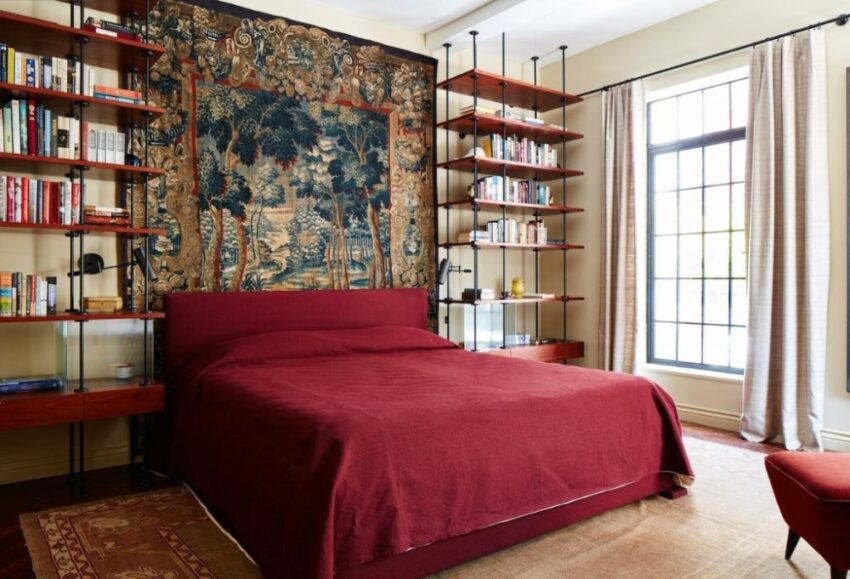
Choose a Visual Foundation
Every successful eclectic bedroom needs a visual foundation that prevents the room from feeling disconnected.
The foundation might be:
- a wall color;
- a patterned rug;
- a large piece of artwork;
- a distinctive bed or headboard;
- a favorite textile;
- a particular wood tone.
Once you have chosen the foundation, use its colors, shapes, materials, or overall mood to guide the rest of the room.
For example, a patterned rug containing muted red, blue, and cream can establish a palette for cushions, curtains, artwork, and smaller accessories.
Let One Element Lead
Not every feature needs to compete for attention.
Choose one dominant element and allow the other pieces to support it. If the headboard is highly decorative, for example, simpler bedding and wall treatments can help maintain balance.
Similarly, a large gallery wall may work better above a simple bed than above an already complex patterned headboard.
Build a Cohesive Eclectic Color Palette
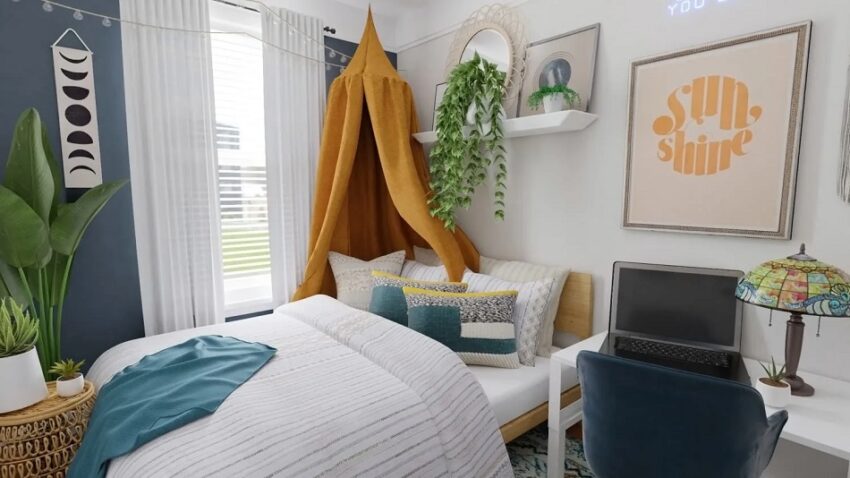
Color is one of the easiest ways to connect furniture and decorative objects from different styles.
A practical palette might include:
- one main background color;
- one or two supporting colors;
- one smaller accent color;
- several natural material tones.
Use a Calm Background
Neutral or muted walls can provide a comfortable background for patterned textiles, artwork, and distinctive furniture.
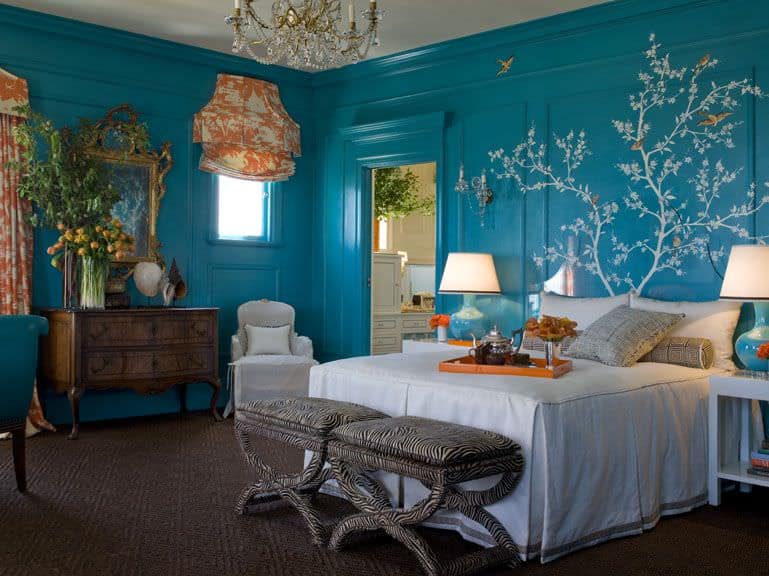
However, an eclectic bedroom does not have to use white or neutral walls. Deep blue, green, clay, or another saturated color can also create a strong foundation when it is repeated elsewhere in the room.
Repeat Colors Around the Room
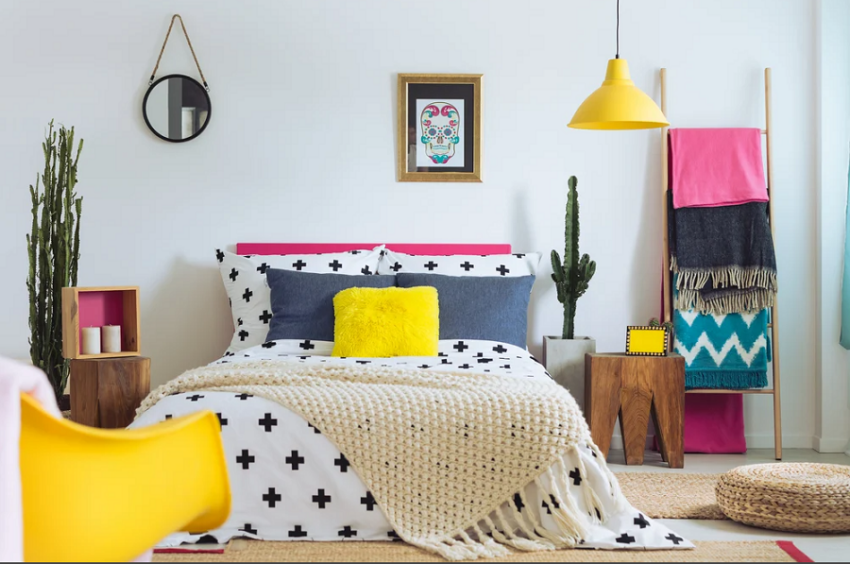
A color usually feels more intentional when it appears in more than one place.
For example, a blue detail in a rug might reappear in a cushion, framed print, ceramic lamp, or curtain pattern.
The colors do not need to match exactly. Slight variations can add depth while maintaining a visual connection between different elements.
Check Colors in Real Lighting
Paint, textiles, and wood can look different in daylight and under artificial lighting.
View samples in the bedroom at different times of day before making a final decision.
How to Mix Furniture Styles Successfully
Matching bedroom furniture creates consistency automatically. In an eclectic room, that consistency needs to come from other elements.
Match Proportion Rather Than Style
A contemporary bed can work beautifully with vintage bedside tables when their proportions are compatible.
Very small tables beside a tall upholstered bed, however, may look accidental rather than intentionally mismatched.
Connect Furniture Through Materials and Details
Different furniture styles can be connected through:
- similar wood tones;
- repeated metal finishes;
- coordinated upholstery colors;
- similar leg shapes;
- repeated curves or straight lines.
Avoid Too Many Competing Wood Tones
Several wood finishes can work together, especially when they share similar warm or cool undertones.
Too many unrelated orange, gray, red, and yellow wood tones, however, can make the room feel fragmented.
Use Matching Pairs Selectively
Bedside tables do not have to match. Similar heights, matching lamps, or repeated artwork can create enough visual balance around the bed.
Alternatively, matching bedside tables can provide a calm foundation while other furniture remains varied.
Combine Patterns and Textures Without Creating Clutter
Textiles are an important part of eclectic bedroom design because they make it easy to layer patterns, colors, and materials without permanently changing the room.
Vary the Scale of Patterns
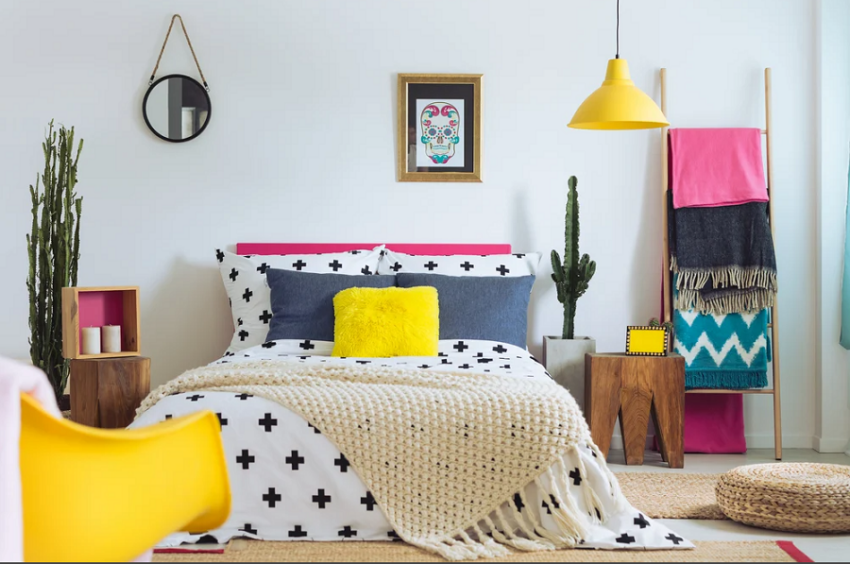
Several patterns are easier to combine when they use different scales.
For example, you might pair:
- a large botanical print;
- a medium geometric pattern;
- a small stripe or repeated motif.
Patterns with the same visual scale can compete with one another, especially when their colors are also unrelated.
Use Solid Colors Between Patterns
Plain bedding, walls, curtains, or upholstery can create visual pauses between stronger decorative patterns.
This allows the room to feel layered without becoming overwhelming.
Mix Texture as Well as Pattern
Texture can add interest even when the color palette is restrained.
Possible materials include:
- linen;
- cotton;
- wool;
- velvet;
- rattan;
- wood;
- ceramic;
- metal.
Choose bedding and upholstery that remain comfortable and practical to clean, and check care instructions before using delicate fabrics in areas exposed to everyday wear.
Use Artwork and Personal Objects
An eclectic bedroom is a natural place to display artwork, books, photographs, handmade objects, and meaningful items collected over time.
However, a personal room does not need to feel crowded.
Create a Gallery Wall
A gallery wall can combine different sizes, frame styles, and types of artwork.
To keep the arrangement cohesive, repeat at least one feature:
- frame color;
- mat color;
- artwork palette;
- spacing;
- overall alignment.
Use Fewer Large Pieces
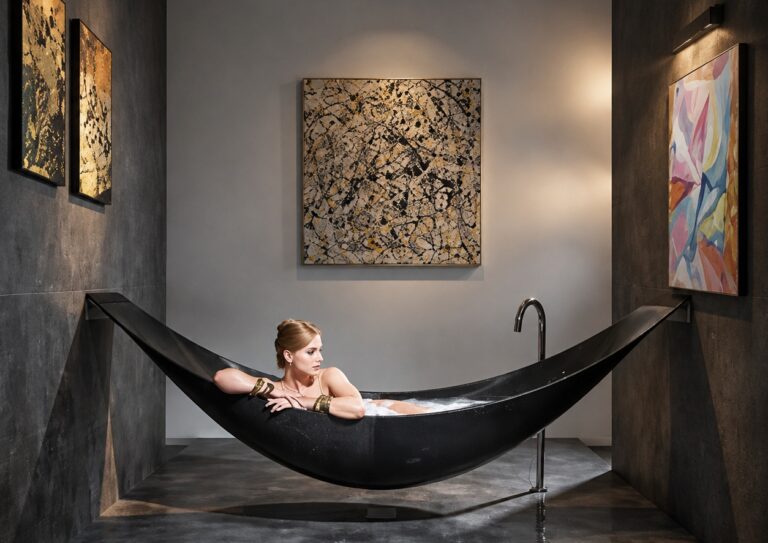
A small number of larger artworks can create a calmer effect than many small decorative objects.
This can be particularly useful when the bedding, rug, or wallpaper already contains a strong pattern.
Look Beyond Current Retail Collections
Museums, archives, vintage markets, craft studios, and family collections can provide inspiration that feels more individual than following a current retail trend.
For example, the Cooper Hewitt, Smithsonian Design Museum collection includes historical and contemporary furniture, textiles, wall coverings, metalwork, and other decorative objects.
Respect the Source of Decorative Influences
When using textiles, artwork, or objects associated with a particular culture, learn about their origin and meaning.
Avoid using culturally significant or sacred objects simply as anonymous decorative motifs.
Layer the Bedroom Lighting
Lighting helps bring the room together and affects how colors, materials, and artwork appear.
An eclectic bedroom may use several types of lighting:
- general ceiling lighting;
- bedside reading lamps;
- wall lights;
- a floor lamp near a chair;
- subtle accent lighting.
Mix Lamp Styles Carefully
The lamps do not need to come from the same collection.
For example, vintage-inspired bedside lamps can work with a contemporary ceiling fixture when they share a material, color, shape, or similar visual weight.
Keep Bedside Controls Practical
Bedside lights should be easy to reach and provide enough illumination for their intended purpose.
Use suitable lamps, switches, cords, and electrical fittings. Electrical changes should follow local requirements and be completed by a qualified electrician where necessary.
Choose Consistent Light Quality
Very different light colors can make an already varied room feel disconnected.
Try to use compatible light sources with a reasonably consistent color temperature and good color rendering.
Create Balance, Repetition, and Visual Space
Balance does not require perfect symmetry.
Instead, distribute color, height, pattern, and visual weight throughout the room so that one area does not feel significantly heavier than another.
Repeat Shapes
A round mirror can visually connect with a curved chair, circular lamp, or rounded pattern in a rug.
Likewise, straight furniture lines can be repeated in frames, shelves, and geometric textiles.
Create Resting Areas
Leave some walls, surfaces, or areas of bedding relatively simple.
These visual pauses allow distinctive pieces to stand out and prevent the room from feeling overly busy.
Edit the Room
After arranging the room, remove a few accessories and look at the space again.
Eclectic interiors often improve when less important objects are taken away. Decorative pieces can also be rotated rather than displayed all at once.
Eclectic Bedroom Style Combinations
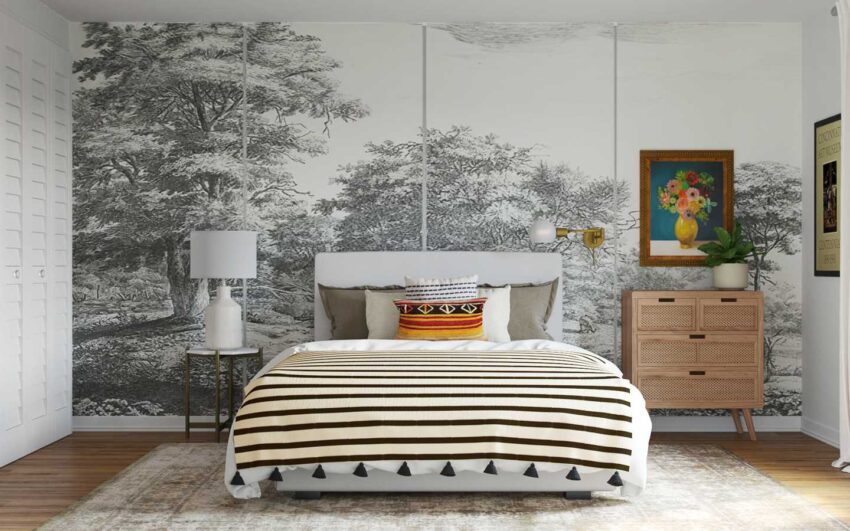
Many design styles can work together when their colors, proportions, and materials are carefully coordinated.
Contemporary and Vintage
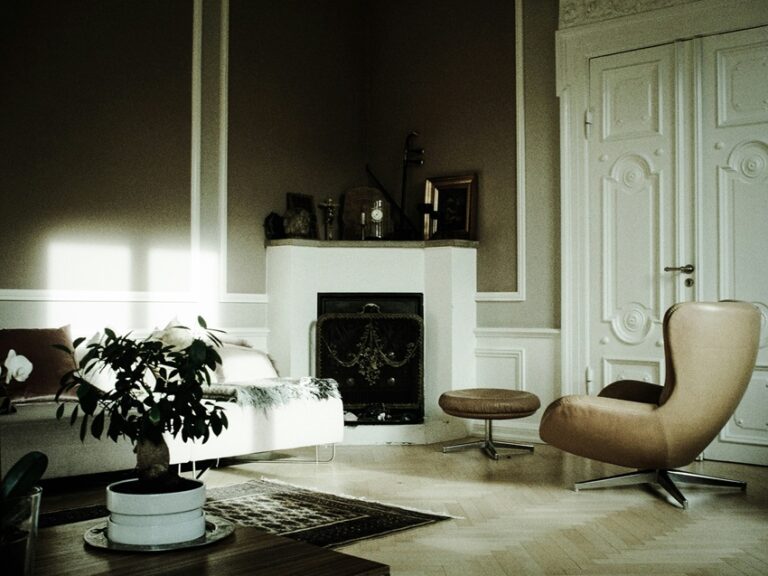
Combine a simple contemporary bed with vintage bedside tables, an older rug, or restored lighting.
The modern pieces provide visual calm, while vintage elements add history and character.
Modern and Country
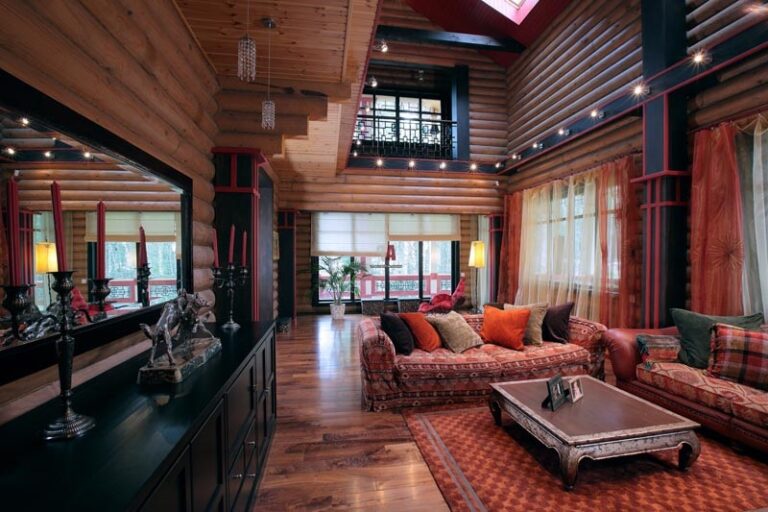
Clean-lined furniture can be softened with natural wood, woven baskets, linen, handmade ceramics, and warm colors.
This combination usually works best when rustic details are used selectively rather than applied to every surface.
Minimalist and Eclectic
Minimalism and eclecticism do not have to be opposites.
A bedroom can contain a carefully edited collection of varied objects while keeping the layout, storage, and background simple.
For more guidance, see our article explaining why minimalist interior design remains popular.
Modern and Tropical
Modern furniture can be combined with rattan, warm wood, botanical artwork, textured fabrics, and selected green accents.
Avoid covering every surface with tropical motifs. A few repeated references usually create a more convincing result.
Classical and Contemporary
Classical influence can be introduced through symmetry, sculptural shapes, decorative molding, traditional furniture, or restrained architectural details.
Contemporary lighting and simpler textiles can prevent the room from feeling like a historical recreation.
Scandinavian and Global
A light Scandinavian foundation can provide a calm background for handmade textiles, artwork, ceramics, and furniture from different traditions.
Keep the overall background restrained and allow selected objects to provide color and detail.
If you prefer a more contemporary foundation, explore our contemporary bedroom design ideas.
Eclectic Bedroom Design for a Small Space
A small bedroom can still support eclectic design, but every object becomes more visually noticeable.
Useful strategies include:
- limit the main color palette;
- choose furniture with practical storage;
- use wall-mounted lighting where appropriate;
- keep walking routes clear;
- display a small number of meaningful objects;
- use one main pattern with quieter supporting textiles;
- leave some walls and surfaces visually open.
Use Vertical Space
Tall storage, wall-mounted shelves, and artwork can draw attention upward without taking up additional floor space.
Shelves above a bed should be securely mounted and should not hold heavy or unstable objects.
Choose Multipurpose Furniture
A storage bed, compact desk that doubles as a dressing table, or bedside cabinet with drawers can reduce the number of separate furniture pieces required.
Use Mirrors Selectively
A mirror can reflect light and help a small bedroom feel more open.
Position it where it is useful and where reflected light will not create glare or discomfort.
Create an Eclectic Bedroom on a Budget
Eclectic design does not require buying an entirely new set of bedroom furniture.
In fact, combining existing pieces with carefully selected additions often creates a more authentic and personal result.
Reuse and Rearrange
Start by moving artwork, lamps, rugs, and small pieces of furniture from other rooms.
A familiar object can feel completely different when placed in a new setting.
Update Existing Furniture
Depending on the material and condition, furniture may be refreshed with:
- new hardware;
- appropriate paint or finish;
- professional reupholstery;
- minor repairs;
- a new position or purpose.
Check older furniture and lighting for structural problems, pests, lead paint, damaged wiring, or other safety concerns before bringing them into the bedroom.
Change Textiles
Bedding, cushions, curtains, and rugs can transform a bedroom without requiring permanent construction.
Choose a few coordinated textiles instead of filling the room with many unrelated decorative objects.
Shop Gradually
An eclectic bedroom often looks more natural when it develops over time.
Wait for pieces that genuinely suit the room rather than trying to fill every empty space immediately.
Common Eclectic Bedroom Design Mistakes
Using Too Many Unrelated Colors
A very wide color range can make the room feel fragmented. Choose a controlled palette and repeat those colors throughout the space.
Making Every Item a Statement Piece
If the bed, rug, curtains, wallpaper, lighting, and artwork all demand equal attention, the room can quickly become visually tiring.
Choose one or two main focal points and allow the remaining elements to support them.
Ignoring Scale
Furniture from different styles still needs compatible proportions and enough space for comfortable movement.
Confusing Eclectic With Cluttered
Good eclectic design is curated. Remove objects that do not contribute to the room’s function, color palette, or overall character.
Mixing Too Many Wood and Metal Finishes
Several finishes can work together, but repeat them intentionally and pay attention to their undertones.
Forgetting Storage
Decorative styling will not remain calm if everyday clothing and personal items have nowhere to go.
Copying Cultural Motifs Without Context
Learn about the origins and meanings of culturally specific textiles, artwork, and objects before using them as decoration.
Buying Everything at Once
A room assembled quickly from one current product collection may look coordinated, but it can lack the collected and personal character associated with eclectic design.
Frequently Asked Questions About Eclectic Bedrooms
What makes a bedroom eclectic?
An eclectic bedroom combines elements from different styles, periods, or influences while using color, proportion, repetition, and texture to create a cohesive result.
How many styles can I mix in one bedroom?
There is no fixed limit. However, starting with two main influences and adding smaller elements from a third style is often easier than combining many equally dominant styles.
How do I keep an eclectic bedroom from looking cluttered?
Limit the color palette, provide enough closed storage, leave visual space around important objects, and remove accessories that do not contribute to the overall design.
Do bedside tables have to match?
No. Different bedside tables can work well when their height, scale, color, material, or lamps create a visual connection.
Can an eclectic bedroom use neutral colors?
Yes. An eclectic bedroom can use a neutral palette and rely on different materials, shapes, periods, and textures for visual interest.
Can minimalist and eclectic styles work together?
Yes. Keep the layout simple and limit the number of objects, while choosing individual pieces from different styles or periods.
What is the easiest way to start an eclectic bedroom?
Begin with one existing item you love, such as a rug, artwork, bed, or textile. Use its colors, shapes, materials, or overall mood to guide the rest of the room.
Should an eclectic room follow current trends?
Trends can provide inspiration, but the bedroom should primarily reflect personal preferences and practical needs.
Choose expensive furniture and permanent finishes with longevity in mind, then introduce temporary trends through smaller accessories.
Final Thoughts
Eclectic bedroom design works best when variety is supported by a clear structure.
Start with a practical layout and one strong visual foundation. Establish a controlled color palette, then combine furniture with compatible proportions before gradually adding patterns, textures, artwork, and lighting.
Most importantly, edit the finished room. Not every favorite object needs to be displayed at the same time.
A successful eclectic bedroom should feel personal and collected while remaining restful, functional, and comfortable for everyday life.