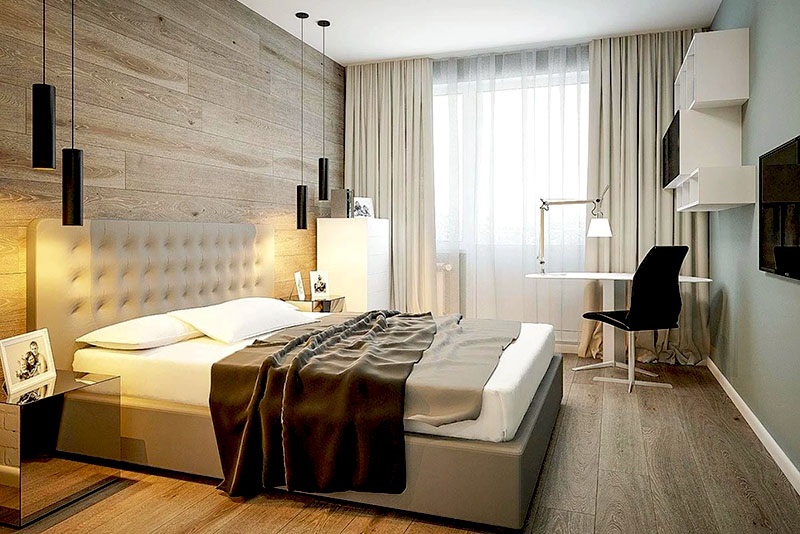
Beautiful Bedroom Interior Ideas for a Calm and Functional Space
Beautiful bedroom interior ideas should improve comfort, organization, and rest rather than focus only on decoration.
A successful bedroom combines a practical layout, comfortable bedding, useful storage, adjustable lighting, and colors that create a calm atmosphere.
The best beautiful bedroom interior ideas do not require expensive furniture or a complete renovation.
Careful changes to the bed, lighting, textiles, window treatments, and accessories can make the room feel more polished and personal.
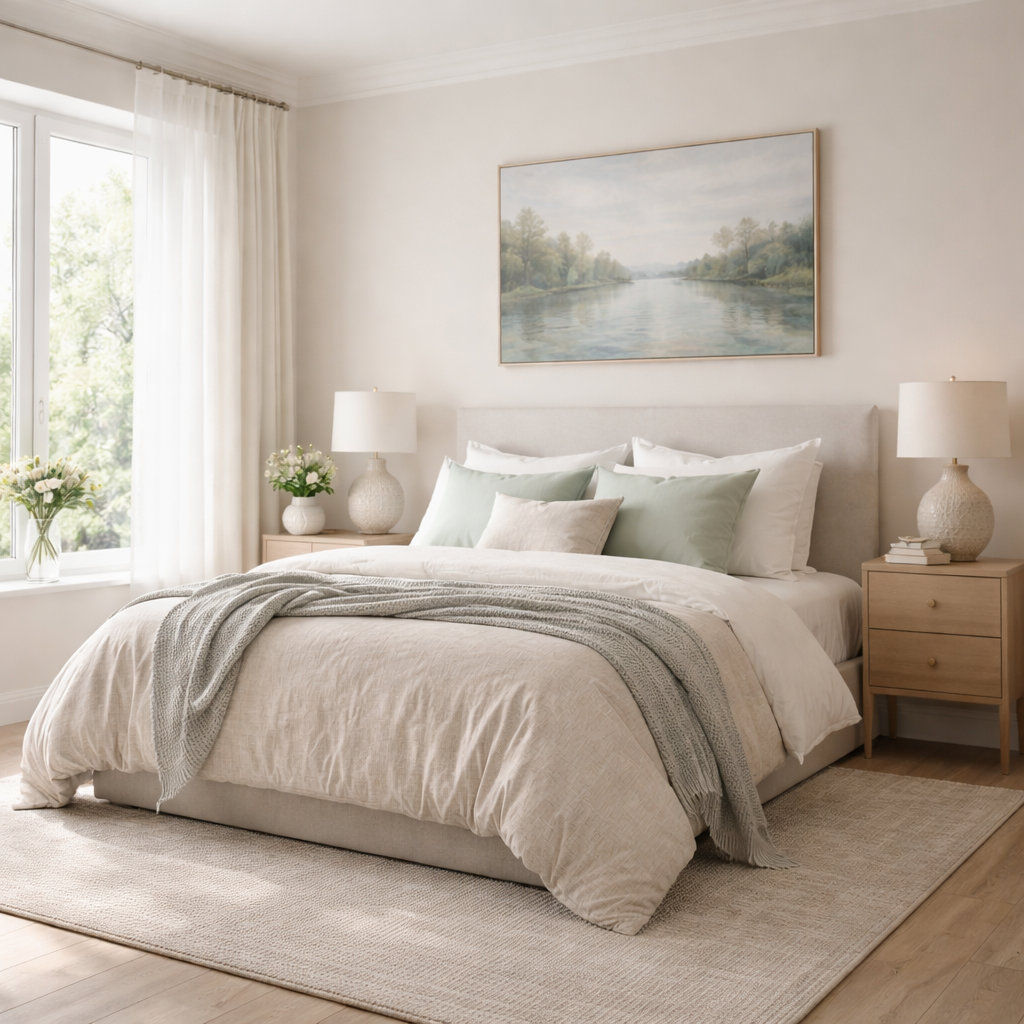
Plan the Bedroom Around Daily Use
Begin with the way you use the bedroom.
Sleeping is its main purpose, but the room may also support dressing, reading, storage, or occasional work.
Before buying furniture, consider:
- The position and size of the bed
- Clear paths between the door, bed, and wardrobe
- Access to windows and electrical outlets
- The location of natural and artificial light
- Storage for clothing and everyday belongings
- Whether you need a reading or dressing area
Measure the room and the furniture.
A piece that looks appropriately sized in a showroom may feel too large once it is placed in a bedroom.
Mark the positions of doors, windows, radiators, outlets, and wardrobe doors.
This will help you identify layouts that work before moving heavy furniture.
Choose a Coordinated Color Palette
Color influences how organized, bright, warm, or restful a bedroom feels.
A limited palette usually creates a calmer result than many unrelated colors.
Popular bedroom colors include:
- Warm white
- Soft beige
- Taupe
- Muted green
- Dusty blue
- Soft gray
- Terracotta and other earthy tones
Light colors can help distribute available light, but they are not the only option.
Deep blue, forest green, charcoal, and warm brown can create a comfortable atmosphere when balanced with lighter bedding and suitable lighting.
Choose one main color, one supporting neutral, and one or two accent colors.
Repeat them through textiles, artwork, lamps, or small accessories.
This gives the room a connected appearance.
Make the Bed the Main Focus
The bed is usually the largest visual element in the room.
Its position affects circulation, furniture placement, lighting, and the overall balance of the interior.
When possible, position the bed so that:
- There is comfortable access around it
- The door and wardrobe can open normally
- The bed does not block a main walkway
- The headboard has a visually stable background
- Bedside lighting can be installed safely
A headboard helps define the sleeping area.
It can be upholstered, wooden, painted, or integrated into wall paneling.
Even a carefully chosen paint color behind the bed can create a visual anchor.
Avoid choosing a bed that overwhelms the room.
Walking space and usable storage are more valuable than having the largest possible mattress.
Choose Comfortable Bedding
Bedding has a strong effect on both comfort and appearance.
Choose it according to fabric feel, breathability, warmth, washing requirements, and personal preference.
A practical layered arrangement can include:
- A fitted sheet
- A seasonally appropriate duvet or comforter
- Comfortable sleeping pillows
- A washable throw
- A limited number of decorative cushions
Too many decorative pillows can create work without improving comfort.
Use enough layers to make the bed inviting, but keep the arrangement manageable.
The mattress and sleeping pillows should take priority over decorative bedding.
Their comfort cannot be replaced by an attractive bedspread.
Select Functional Bedroom Furniture
Every piece of bedroom furniture should have a clear purpose.
Filling the room with a matching furniture set is not necessary.
Useful pieces may include:
- Bedside tables
- A wardrobe
- A chest of drawers
- A bench with storage
- A reading chair
- A compact dressing table
Choose furniture that is proportional to the room.
Low or visually light pieces can make a small bedroom feel less crowded.
Furniture with closed storage can also reduce visible clutter.
For additional help with dimensions, materials, and storage, see our guide to
choosing bedroom furniture.
Improve the Bedroom Layout
A good bedroom layout makes normal movement easy.
You should be able to enter the room, reach the bed, open drawers, and use the wardrobe without navigating around obstacles.
Keep frequently used items close to where they are needed.
For example, place reading lights near the bed and everyday clothing near the main dressing area.
If two people use the room, provide accessible surfaces and lighting on both sides of the bed when space permits.
The pieces do not have to match exactly, but similar heights can create visual balance.
Avoid placing furniture where it blocks natural light.
A tall wardrobe beside a window may darken the room and make the layout feel heavier.
Layer the Bedroom Lighting
One ceiling light rarely provides enough flexibility.
A layered lighting plan allows the room to support cleaning, dressing, reading, and relaxation.
General Lighting
A ceiling fixture or recessed lighting provides broad illumination.
It should be bright enough for everyday tasks without creating uncomfortable glare.
Bedside Lighting
Table lamps, pendant lights, or wall-mounted reading lights provide softer illumination.
Wall-mounted fixtures can preserve space on small nightstands.
Task Lighting
A dressing table, wardrobe, or desk may need brighter and more focused lighting.
Position the light so that your body does not cast an unnecessary shadow over the task area.
Accent Lighting
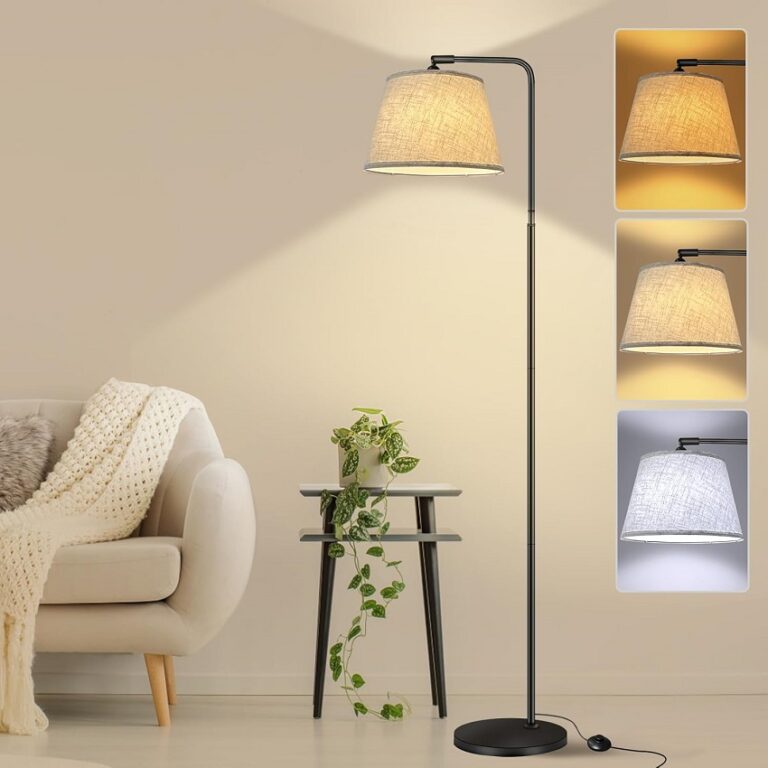
A floor lamp, illuminated shelf, or concealed LED strip can add depth.
Use accent lighting selectively so that the room does not become visually busy.
Dimmers are useful because they allow the same fixture to support different activities.
Use compatible bulbs, fixtures, and dimmer controls.
Warm light is commonly comfortable in the evening.
However, color appearance can vary between products, so compare lamps before using several types in the same room.
Control Clutter With Better Storage
Visible clutter can make a well-decorated bedroom feel unfinished.
Plan a place for clothing, bedding, books, chargers, and personal belongings.
Useful storage ideas include:
- Drawers in bedside tables
- Storage boxes beneath the bed
- Built-in or freestanding wardrobes
- Drawer dividers
- Closed cabinets
- A storage bench
- Baskets for extra textiles
Keep daily essentials within easy reach.
Store seasonal or rarely used items in less accessible areas.
Leaving some surfaces open creates visual breathing room.
A nightstand does not need to display every item used during the week.
Choose Suitable Window Treatments
Bedroom window treatments influence privacy, daylight, glare, temperature, and darkness at night.
Their appearance matters, but their practical performance is equally important.
Common options include:
- Sheer curtains for filtered daylight
- Lined curtains for greater privacy
- Blackout curtains for stronger light control
- Roller blinds for a simple appearance
- Roman blinds for a softer tailored look
- Layered blinds and curtains for flexible control
Curtains mounted higher and wider than the window can create the impression of a larger opening.
Make sure the fabric does not interfere with radiators, heaters, or ventilation.
Pale fabric does not automatically provide poor light control.
Lining, construction, fit, and coverage are more important than surface color alone.
Our guide to
off-white blackout curtains
explains what affects their performance.
Decorate the Bedroom Walls
Wall decoration can give the room character without using floor space.
Artwork above the bed, dresser, or reading chair can help define each area.
Choose artwork that relates to the room through color, subject, or mood.
It does not have to match every textile exactly.
A small amount of contrast can prevent the interior from looking overly coordinated.
Make sure heavy frames and mirrors are securely installed with fixings suitable for the wall.
Avoid placing unstable objects where they could fall onto the bed.
For help choosing proportions and placement, read our guide to
selecting artwork for a bedroom.
Design a Small Bedroom
A small bedroom does not need miniature versions of every furniture type.
Start with the bed and essential storage.
Add other pieces only when enough circulation space remains.
Useful small-bedroom ideas include:
- Wall-mounted bedside lights
- Nightstands with drawers
- Under-bed storage
- Sliding wardrobe doors
- Furniture raised on visible legs
- One well-positioned mirror
- A limited color palette
- Curtains that do not cover more of the window than necessary
Mirrors can reflect light and add visual depth.
Check what a mirror will reflect before mounting it.
A window, lamp, or uncluttered wall usually creates a better result than an untidy storage area.
Vertical storage can be useful, but do not cover every wall with shelving.
Some open wall space helps prevent a compact room from feeling crowded.
Add Personal Details
A beautiful bedroom should feel personal rather than staged.
Meaningful objects can add character and make a neutral interior feel more welcoming.
Consider displaying:
- Photographs
- Books
- Artwork
- Travel objects
- Handmade pieces
- A favorite lamp
- A small collection
Use a limited selection rather than displaying everything at once.
Rotating accessories can refresh the room without buying new decorations.
Indoor plants may add color and texture if the room offers suitable conditions.
Choose plants according to available light and keep potentially toxic species away from children or pets.
Avoid Common Bedroom Design Mistakes
Buying Furniture Before Measuring
Measure the room, doors, and delivery route.
Include enough clearance for drawers and wardrobe doors.
Using Only One Light Source
A single ceiling fixture cannot provide ideal light for every activity.
Combine general, bedside, and task lighting.
Choosing a Bed That Is Too Large
A large bed may reduce storage and walking space.
Choose dimensions that preserve a functional layout.
Ignoring Storage
Decorative furniture cannot compensate for inadequate storage.
Plan where ordinary belongings will go before adding accessories.
Combining Too Many Trends
Trends can provide inspiration, but several unrelated styles may make the room feel disorganized.
Use a consistent foundation and add fashionable details sparingly.
Blocking Natural Light
Keep tall furniture and bulky window treatments from unnecessarily covering the window.
Preserving daylight can make the room feel more open.
Forgetting Sleep Comfort
The bedroom should support rest as well as appearance.
The
CDC’s sleep guidance
recommends keeping the bedroom quiet, relaxing, and comfortably cool.
It also recommends limiting electronic devices before bedtime.
Bedroom Design Checklist
- Measure the bedroom and existing furniture.
- Mark doors, windows, outlets, and fixed features.
- Choose the best position for the bed.
- Confirm that circulation paths remain clear.
- Select a limited and coordinated color palette.
- Prioritize the mattress and sleeping pillows.
- Add furniture that has a clear purpose.
- Plan general, bedside, and task lighting.
- Provide storage for everyday belongings.
- Choose window treatments for privacy and light control.
- Add artwork and personal details gradually.
- Check that mirrors and heavy objects are securely mounted.
Frequently Asked Questions
What makes a bedroom interior beautiful?
A beautiful bedroom usually has a balanced layout, coordinated colors, comfortable textiles, useful lighting, and controlled clutter.
Personal details help the room feel authentic.
Which colors work best in a bedroom?
There is no single best color.
Soft neutrals, muted blues, greens, and earthy tones are popular.
Dark colors can also work when balanced with lighter surfaces and good lighting.
How can I make a bedroom look more expensive?
Improve proportion and consistency before buying luxury items.
Well-fitted curtains, layered lighting, coordinated bedding, clear surfaces, and correctly sized artwork can create a more polished result.
How can I make a small bedroom feel larger?
Reduce unnecessary furniture and preserve clear walkways.
Use closed storage, suitable mirrors, lighter visual elements, and window treatments that do not block daylight.
Does all bedroom furniture need to match?
No.
Furniture can use different materials or finishes.
Similar proportions, repeated colors, and a consistent style can connect the pieces.
How many colors should a bedroom have?
There is no fixed limit.
However, one main color, one supporting neutral, and a small number of accents provide an easy starting point.
Where should the bed be positioned?
Place it where circulation remains comfortable and doors can open normally.
A stable wall behind the headboard often creates a strong focal point.
The final position depends on the room’s shape and fixed features.
Final Thoughts
Beautiful bedroom interior ideas work best when appearance and function support each other.
Begin with the bed, layout, storage, lighting, and window treatments.
These elements have more impact than small decorative objects.
Add colors, textiles, artwork, and personal accessories gradually.
The finished bedroom should feel calm and comfortable while supporting the way you use the space every day.