Which bedroom furniture to choose?
The right furniture should fit the room, provide enough storage, support comfortable movement, and create a calm atmosphere that works for everyday life.
Style matters, but size, layout, materials, storage needs, and comfort are just as important. A beautiful bedroom can still feel awkward if the furniture is too large, poorly placed, or difficult to use.
Start With the Room and Your Needs
Before buying furniture, measure the bedroom and think about how you use it.
Consider:
- room width and length
- door and window positions
- radiators and heating elements
- electrical outlets
- wardrobe-door clearance
- walking space around the bed
- how much clothing and storage you need
The goal is to avoid overcrowding. A bedroom should feel comfortable to move through, even when drawers, wardrobes, and doors are open.
Choosing the Right Bed
The bed is usually the largest piece of furniture in the bedroom, so its size and placement influence everything else.
Choose the Size Carefully
A larger bed may be comfortable, but it should not leave so little floor space that the room becomes difficult to use.
Before buying, measure not only the mattress dimensions but also the complete bed frame, including the headboard and any projecting edges.
Consider Storage Beds
Beds with drawers or lift-up storage can be useful in small bedrooms where wardrobe space is limited.
Make sure there is enough clearance to open drawers or lift the storage mechanism comfortably.
Think About the Headboard
A headboard can add comfort and become an important visual feature, but very large or heavily upholstered designs can dominate a compact room.
Wardrobes and Bedroom Storage
Good storage helps a bedroom stay calm and uncluttered.
Common options include:
- freestanding wardrobes
- built-in wardrobes
- chests of drawers
- under-bed storage
- wall-mounted shelves
- storage benches
Sliding or Hinged Wardrobe Doors?
Sliding doors can be useful where floor space is limited because they do not swing outward.
Hinged doors can provide easier access to the full wardrobe interior, but they require clear space in front.
Plan the Inside as Carefully as the Outside
A large wardrobe is not automatically efficient. Internal shelves, drawers, hanging rails, and organizers should match the clothes and accessories you actually own.
Nightstands and Small Bedroom Furniture
Nightstands are useful for lighting, phones, books, glasses, and other small items, but they do not need to be large.
In a compact room, consider:
- narrow bedside tables
- wall-mounted shelves
- small floating drawers
- bed frames with integrated bedside storage
If space allows, a chest of drawers, bench, or small chair can add useful function, but every additional piece should justify the floor space it occupies.
Best Materials for Bedroom Furniture
There is no single material that is best for every bedroom. Durability, budget, maintenance, appearance, and construction quality all matter.
Solid Wood
Solid wood can be durable, repairable, and visually warm. It is often a good long-term choice when construction quality is high.
However, it can also be heavier and more expensive than other options.
Wood Veneer
Veneered furniture can provide the appearance of natural wood while using engineered material underneath.
High-quality veneer can be attractive and durable when well made.
MDF and Engineered Wood
MDF and other engineered materials are widely used in wardrobes, cabinets, and painted furniture.
Quality varies, so look at construction, edge finishing, hardware, and manufacturer specifications rather than judging the material name alone.
Metal
Metal frames can work well in modern, industrial, and minimalist bedrooms and can be both strong and visually lightweight.
Upholstered Furniture
Upholstered headboards, benches, and chairs add softness and comfort, but fabrics require more cleaning than smooth hard surfaces.
Choosing a Bedroom Furniture Style
Furniture should work with the overall room rather than compete with it.
Minimalist
Simple lines, limited decoration, practical storage, and a calm color palette work well in smaller or contemporary bedrooms.
Scandinavian
Light wood, soft colors, functional furniture, and natural materials create a relaxed and approachable look.
Modern
Modern furniture often uses clean shapes, smooth surfaces, restrained hardware, and a mix of wood, metal, glass, or upholstered elements.
Classic
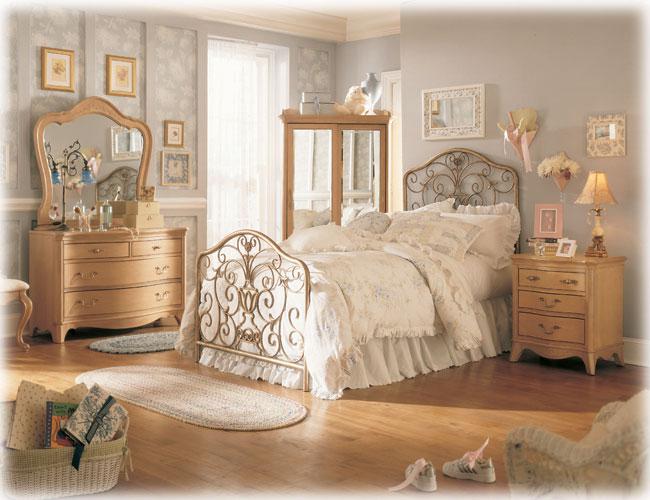
Classic interiors can include more detailed furniture, richer wood tones, upholstered headboards, and traditional proportions.
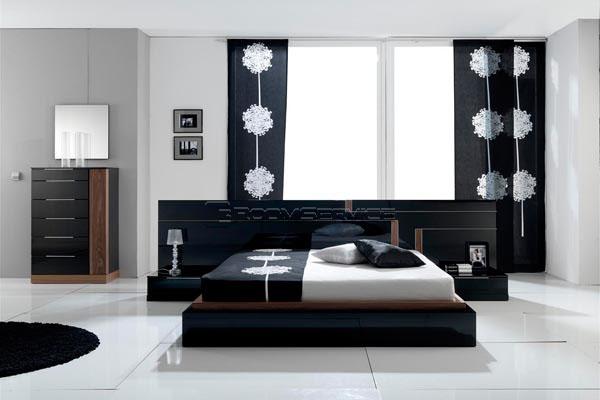
The most important rule is consistency. Furniture pieces do not need to come from the same set, but they should relate through color, material, proportion, or style. For a practical example of coordinating furniture with a strong color scheme, see our black and white bedroom design guide.
When Custom Bedroom Furniture Makes Sense
Custom furniture can be useful when standard sizes do not fit the room well.
It may be worth considering for:
- awkward corners
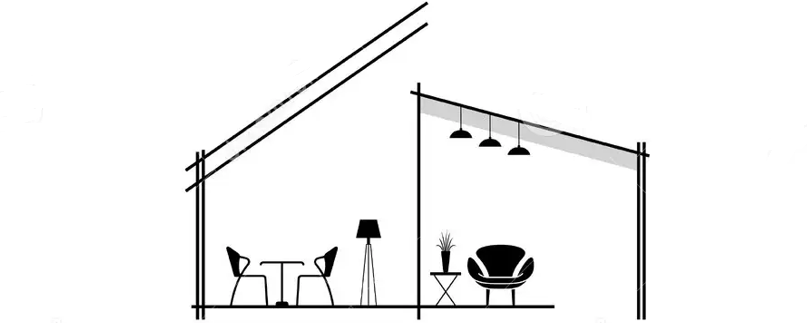
- sloped ceilings
- very small bedrooms
- wall-to-wall wardrobes
- unusual storage requirements
- rooms where every centimeter matters
The main advantage is not simply exclusivity. Custom furniture can use difficult spaces more efficiently and create storage that is tailored to your actual needs.
The trade-off is usually higher cost and less flexibility if you later move or change the room layout.
Furniture for Small Bedrooms
In a small bedroom, furniture size matters more than the number of decorative details.
Useful strategies include:
- choose a bed that leaves usable walking space
- use vertical storage carefully
- consider sliding wardrobe doors
- use under-bed storage
- replace bulky nightstands with smaller wall-mounted options
- avoid furniture that is deeper than necessary
- keep frequently used items easy to reach
Light colors can help visually, but good proportions and an uncluttered layout usually make the biggest difference.
For more ideas, see our guide to
small modern bedroom designs.
Common Bedroom Furniture Mistakes
- Buying furniture before measuring: always check full dimensions first.
- Choosing a bed that is too large: comfort matters, but so does usable space around it.
- Overfilling the room: more furniture does not always mean more function.
- Ignoring drawer and door clearance: furniture should be usable once installed.
- Buying matching sets automatically: coordinated pieces are fine, but a room can feel more natural when furniture is selected individually.
- Choosing style over storage: a bedroom becomes difficult to maintain without enough practical storage.
- Ignoring lighting and outlets: bedside lamps and charging devices need convenient access to power.
Frequently Asked Questions About Bedroom Furniture
What furniture is essential in a bedroom?
For most people, the essentials are a bed and enough storage for clothing and personal belongings. Nightstands, dressers, benches, and chairs depend on room size and individual needs.
Should all bedroom furniture match?
No. Furniture can differ in design as long as the pieces work together through color, material, scale, or overall style.
Is solid wood always better?
Not necessarily. High-quality engineered wood or veneer furniture can perform very well. Construction quality and hardware are often just as important as the base material.
What is the best furniture for a small bedroom?
Choose appropriately sized pieces, efficient storage, and furniture that uses vertical or under-bed space without blocking circulation.
Is custom bedroom furniture worth it?
It can be especially useful in small, irregular, or difficult rooms where standard furniture wastes valuable space.
How can I make bedroom furniture feel less bulky?
Use lighter proportions, raised legs where appropriate, simpler fronts, coordinated colors, and avoid placing large pieces on every wall.
Final Thoughts
Choosing bedroom furniture is a balance between comfort, storage, proportions, materials, and style.
Start with accurate room measurements and the furniture you genuinely need. Choose the bed first, plan storage around it, and make sure there is enough space to move comfortably and use doors and drawers.
A bedroom does not need a large matching furniture set to feel complete. A few well-proportioned, useful pieces can create a calmer and more comfortable room than filling every available wall.