European Interior Design
Modern European interior design combines classic architectural character with the simplicity, comfort, and practicality of contemporary living. The result can feel refined without becoming formal, elegant without looking excessively decorated, and timeless without attempting to reproduce a historic home.
European design is not one clearly defined style. Interiors across France, Italy, Scandinavia, Belgium, Spain, Germany, and Central Europe have distinct traditions. Modern homes often borrow compatible elements from several of them, including neutral colors, natural materials, quality craftsmanship, clean lines, vintage furniture, and carefully preserved architectural details.
The key is balance. Traditional features provide character, while contemporary furniture, lighting, storage, and uncluttered layouts make the interior practical for everyday life.
Explore related guides:
Modern Living Room Ideas •
Contemporary Bedroom Design Ideas •
Minimalist Interior Design

What Is Modern European Interior Design?
Modern European interior design is best understood as a balance between traditional character and contemporary simplicity. It respects materials, proportions, and architectural history while adapting rooms to modern routines.
Instead of filling a space with ornate furniture and decorative objects, the style typically keeps the overall composition controlled and introduces selected classic elements such as:
- wall moldings or paneling;
- arched openings;
- traditional wooden doors;
- natural stone;
- vintage or antique furniture;
- decorative plaster;
- classic artwork and mirrors.
These features can be balanced with a simple sofa, clean-lined cabinetry, modern lighting, integrated appliances, and surfaces that are not excessively decorated.
The objective is not to create a historical reconstruction. A successful European-inspired home should feel established and layered while still providing comfortable furniture, useful storage, appropriate lighting, and a practical layout.

European Regional Influences
Because Europe contains many distinct design traditions, it is useful to identify which regional influences best suit the building and the atmosphere you want to create.
French-Inspired Interiors
French-influenced rooms may combine wall paneling, elegant proportions, curved furniture, antique mirrors, parquet flooring, and restrained decorative details. Contemporary versions use these elements selectively and avoid making every surface ornate.
Italian-Inspired Interiors
Italian design often emphasizes craftsmanship, stone, wood, expressive lighting, and carefully proportioned furniture. It can range from rustic Mediterranean interiors to highly refined contemporary spaces.
Scandinavian Influence
Scandinavian interiors generally place greater emphasis on light, functionality, simple furniture, pale or warm wood, and comfortable textiles. These qualities can make a more traditional European room feel relaxed and suitable for everyday use.
Belgian-Inspired Interiors
Belgian-style rooms are often associated with quiet colors, linen, aged wood, stone, generous furniture, and a restrained combination of rustic and refined elements.
Mediterranean Influence
Southern European interiors may use plastered walls, terracotta, warm stone, dark wood, patterned tile, and colors inspired by the surrounding landscape.
A home does not need to include every regional influence. Choosing one principal direction and adding a few compatible elements from another usually creates a clearer result.
Key Characteristics of Modern European Design
Balanced Simplicity
Modern European interiors are usually less minimal than strict contemporary spaces but less decorative than traditional classical rooms. Moldings, artwork, vintage furniture, and patterned textiles may be present, but the overall composition remains organized.
Respect for Architecture
Windows, doors, flooring, ceiling height, fireplaces, arches, and original millwork often guide the design. Furniture and decoration should support these elements rather than compete with them.
Natural Materials
Materials with visible grain, variation, and texture are particularly effective. Common options include:
- oak and walnut;
- limestone and marble;
- linen and cotton;
- wool;
- leather;
- ceramic;
- metal and glass.
Natural materials can be combined with convincing alternatives when budget, maintenance, or room conditions make the original material impractical.
Quality Over Quantity
A smaller number of useful, well-proportioned pieces often creates more impact than filling a room with furniture and accessories.
A solid dining table, comfortable sofa, carefully made cabinet, or restored vintage chair can provide a stronger foundation than numerous decorative objects.
Old and New Together
One of the defining qualities of modern European interior design is the combination of different periods. A contemporary sofa might be paired with an antique table, traditional mirror, classic wall paneling, and modern floor lamp.
This contrast creates depth and prevents the room from looking like a matching furniture showroom.
European Interior Color Palettes
Neutral colors form the foundation of many European-inspired interiors because they support natural materials and architectural details without dominating them.
Common background colors include:
- warm white;
- cream;
- beige;
- taupe;
- soft gray;
- stone;
- muted brown.
Choose Neutrals by Undertone
A neutral palette is most successful when the undertones relate to the flooring, wood, stone, and available daylight. Warm white may complement oak and brass, while a cooler gray can work with stone, black metal, and cooler natural light.
Test paint samples in the actual room during both daytime and evening. Colors can change substantially under different lighting conditions.
Use Warm Neutrals Instead of Flat White
Pure white used across every surface can make a room feel cold or unfinished. Off-white, cream, limestone, and light taupe often create a softer transition between walls, wood, stone, and textiles.
Add Dark Accents
Black, dark bronze, charcoal, deep green, burgundy, or walnut can add contrast and definition without making the entire interior visually heavy.
Darker tones work well for:
- window frames;
- lighting fixtures;
- cabinet hardware;
- side tables;
- picture frames;
- selected upholstery or cabinetry.
Introduce Muted Color
European-style interiors do not have to be completely beige. Dusty blue, sage green, ochre, terracotta, muted rose, and deep red can add character through upholstery, curtains, rugs, artwork, or one painted surface.

Materials and Finishes for European Interiors
Modern European interiors usually look more convincing when their materials have visible texture and natural variation. Using fewer coordinated finishes often produces a stronger result than introducing a different material on every surface.
Wood
Wood brings warmth and can be used for:
- flooring;
- doors;
- dining and occasional tables;
- cabinetry;
- wall paneling;
- ceiling beams.
Oak is particularly versatile because it works in rustic, Scandinavian, classical, and contemporary settings. Walnut can introduce a deeper and more formal tone.
Not every wood element needs to match exactly. Different finishes can work together when they share compatible undertones and are repeated intentionally.
Stone
Natural stone or a suitable stone-effect surface can be used for fireplaces, worktops, bathrooms, flooring, window sills, and occasional tables.
Marble can create a more formal effect, while limestone and travertine tend to feel softer and more relaxed. Consider porosity, maintenance, and the intended location before choosing a natural stone.
Metal
Metal is generally most effective as an accent. Black steel, aged brass, bronze, and brushed nickel can appear in lighting, hardware, furniture frames, taps, and decorative objects.
Repeating one principal metal finish in several areas can make the interior feel coordinated. A second finish can be added selectively when it supports the design.
Natural Fabrics
Linen, cotton, wool, and leather soften architectural details and prevent formal rooms from feeling unwelcoming.
Select upholstery according to the way the room is used. Appearance should be balanced with comfort, cleaning requirements, durability, and the needs of children or pets.
Plaster and Matte Finishes
Matte paint, limewash-style finishes, and decorative plaster can add subtle movement to plain walls. They work particularly well with natural stone, wood, and restrained color palettes.
Choosing Furniture for a Modern European Interior
Furniture should feel substantial enough to last but simple enough to complement the architecture. Begin with comfort, dimensions, and function before considering style.
Sofas and Armchairs
Look for comfortable proportions, restrained silhouettes, and durable upholstery. Curved arms, subtle tailoring, turned legs, or other traditional details can work well when the piece does not become excessively ornate.
A clean-lined sofa can be paired with one more decorative or vintage chair to create contrast.
Dining and Coffee Tables
Tables in wood, stone, or a coordinated combination of materials can visually anchor a room. Their dimensions should suit both the furniture arrangement and the available circulation space.
Avoid adding several occasional tables simply to fill empty areas. Some open space helps the principal pieces stand out.
Cabinets and Storage
Freestanding cabinets, sideboards, bookcases, and built-in storage can contribute architectural character while keeping everyday belongings organized.
Combine closed storage with a limited amount of open display space. Filling every shelf with small decorative objects can make an otherwise calm room look cluttered.
Vintage and Antique Pieces
One or two older items can introduce history and individuality. Options include:
- a sideboard;
- a carved mirror;
- a writing desk;
- a vintage armchair;
- a small cabinet;
- a traditional dining table.
Older furniture does not need to be perfect. Visible age can add character, but the piece should remain stable, practical, and appropriate for its intended use.

Architectural Details That Create a European Feel
Architecture often contributes more to this style than movable decoration. Well-proportioned details can give a simple room depth even when the furniture remains contemporary.
Possible elements include:
- wall paneling;
- decorative moldings;
- arched openings;
- tall doors;
- ceiling cornices;
- built-in cabinetry;
- wooden beams;
- parquet or wide-plank flooring;
- stone or plaster fireplaces.
Use Architectural Details Selectively
Adding moldings to every wall is not necessary. One well-proportioned paneled wall, framed doorway, or cornice may provide enough classic character.
New details should relate to the room’s ceiling height, dimensions, windows, and doors. Oversized moldings can overwhelm a compact room, while details that are too small may look applied rather than integrated.
Work With the Existing Architecture
If the home has original doors, wooden floors, stone, brick, plasterwork, or ceiling details, consider whether they can be repaired or restored.
Existing architectural elements often provide more convincing character than newly added decoration. Modern interventions can then be kept simple so that the original features remain visible.
Do Not Invent History the Building Cannot Support
A contemporary apartment does not need to imitate an old Parisian or Italian residence. Use compatible ideas—such as natural materials, restrained paneling, or vintage furniture—without adding details that conflict with the building’s proportions.

Lighting a Modern European Interior
Lighting should support both the architecture and everyday activities. A single decorative chandelier may provide a focal point, but it rarely supplies all the light a room needs.
Layer Different Light Sources
Combine:
- general ceiling lighting;
- wall sconces;
- floor lamps;
- table and reading lamps;
- picture or cabinet lighting where appropriate.
Lighting at several heights creates depth and allows the atmosphere to change between daytime tasks and quieter evenings.
Mix Traditional and Contemporary Fixtures
A classic pendant or wall light can work with modern furniture, while a sculptural contemporary fixture can provide contrast in a room with traditional moldings.
Choose fixtures according to the scale of the room. A large chandelier needs enough ceiling height and surrounding space, while several smaller sources may work better in a compact interior.
Coordinate the Finishes
Lighting can help repeat the principal metal finishes used in cabinet hardware, furniture, or architectural details. The fixtures do not need to match exactly, but they should feel related.
Add Texture, Warmth, and Decoration
A neutral European-style interior can appear flat if every surface has the same finish. Layering texture creates depth without requiring numerous strong colors.
Try combining:
- wool or flatwoven rugs;
- linen curtains;
- visible wood grain;
- matte plaster;
- stone surfaces;
- soft upholstery;
- aged or brushed metal;
- ceramic accessories.
Use Curtains to Soften the Architecture
Full-length curtains can add softness and emphasize room height. Select the fabric weight according to the amount of privacy, light control, and insulation required.
Simple linen-look curtains can support a relaxed interior, while a heavier fabric may suit a more formal room.
Control Decorative Accessories
Instead of filling shelves and tables with many small objects, choose a limited number of larger or meaningful pieces.
Suitable options include:
- ceramic vases;
- books;
- candlesticks;
- framed artwork;
- sculptural objects;
- plants or natural branches.
Display Art With Intention
Traditional paintings, contemporary art, drawings, photographs, and vintage prints can all work. The frame, size, and placement should relate to the furniture and wall rather than being chosen only to match the room’s colors.

Modern European Design by Room
European-Style Living Room
A European-inspired living room can combine a comfortable neutral sofa, wooden or stone coffee table, layered lighting, and one or two traditional elements.
A vintage cabinet, framed artwork, classic mirror, or paneled wall can provide contrast against contemporary upholstery. Use a rug and furniture placement to create a clear conversation area.

European-Style Kitchen
A modern European kitchen may include:
- wood or painted cabinetry;
- stone or suitable stone-effect worktops;
- simple metal hardware;
- integrated appliances;
- open shelving used selectively;
- a traditional table or freestanding cabinet.
The kitchen should remain functional and easy to maintain. Decorative moldings, open storage, and natural surfaces should not interfere with cleaning, ventilation, or practical food preparation.
European-Style Bedroom
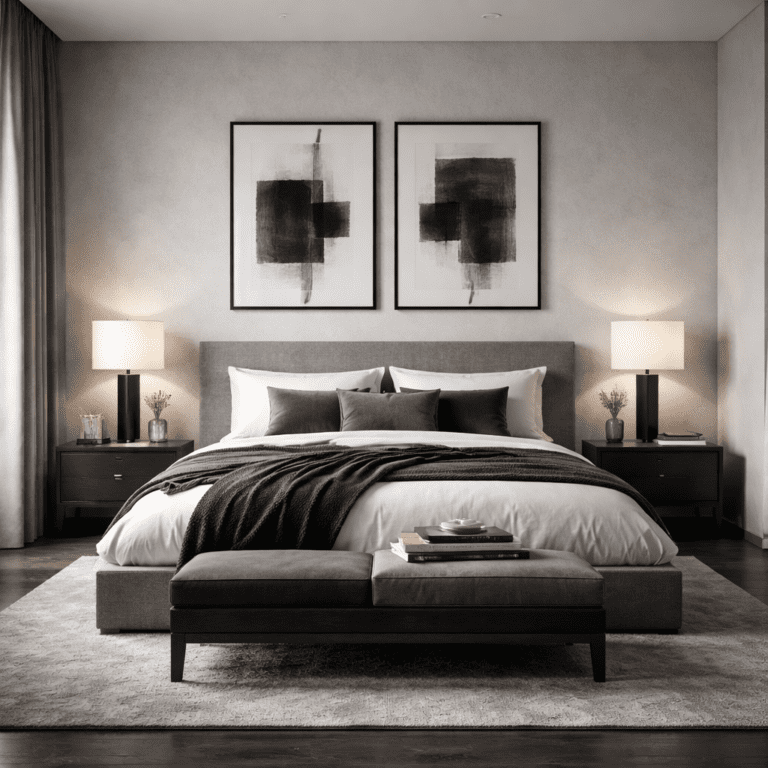
A bedroom can combine soft neutral walls, linen bedding, wood furniture, full-length curtains, and warm bedside lighting.
A traditional headboard, antique nightstand, classic wall molding, or vintage artwork can add character without overwhelming the room.
Keep the palette controlled and use textile layers to create comfort rather than filling every surface with decoration.

European-Style Dining Room
A well-proportioned dining table can become the central element of the room. Pair it with simple upholstered or wooden chairs, a pendant light, curtains, a sideboard, and restrained artwork.
The chairs do not need to be part of a matching set. Mixing compatible seating or using different chairs at the ends of the table can make the arrangement feel more collected.
Symmetry can create a sense of order, but the room should not become so rigid that it feels uncomfortable for everyday meals.

European-Style Bathroom
Stone-effect tile, wood cabinetry, restrained metal finishes, wall-mounted lighting, and simple sanitaryware can create a contemporary European bathroom.
Traditional character may be introduced through a framed mirror, paneled vanity, patterned floor, or carefully selected wall color. Materials used in wet areas must still meet the necessary technical and maintenance requirements.
How to Use European Style in a Small Home
A compact apartment can use European design principles without copying the scale of a large villa or historic townhouse.
Reduce the Number of Decorative Details
Choose one or two architectural ideas rather than applying moldings, arches, patterned flooring, and ornate furniture everywhere.
Select Appropriately Sized Furniture
Vintage and European-inspired furniture can have generous proportions. Measure carefully and choose pieces that leave clear pathways and enough space to use doors and storage.
Use Tall Storage
Full-height cabinets and bookcases can make use of vertical space and visually relate to traditional European architecture. Combine closed storage with limited open display areas to reduce clutter.
Keep the Material Palette Consistent
Repeating the same wood, stone tone, metal finish, or textile color across rooms can make a small home feel more cohesive.
Preserve Some Empty Space
Do not fill every wall and corner. Open space allows architectural details, furniture, and artwork to remain visible and gives the interior a calmer rhythm.
Common Modern European Design Mistakes
Using Too Much Decoration
European-inspired design does not require ornate furniture, gold details, elaborate moldings, and antiques on every surface. A few carefully selected classical elements usually create a more convincing result.
Treating European Design as One Style
Combining unrelated French, Tuscan, Scandinavian, and palace-inspired elements without a clear direction can make the room feel confused. Select a principal influence and add other ideas carefully.
Making Everything Beige
Neutral colors need contrast and texture. Combine wood, stone, darker accents, textiles, artwork, and tonal variation so the room does not feel flat.
Buying Matching Furniture Sets
A room often looks more natural when furniture comes from different collections or periods. The pieces should relate through color, material, proportion, or shape, but they do not need to match perfectly.
Ignoring Scale
Large sofas, dining tables, chandeliers, and antique cabinets can overwhelm a small room. Choose proportions that suit the actual interior instead of trying to reproduce a large historic residence.
Adding Architectural Details Without Planning
Moldings and paneling should relate to doors, windows, furniture, and ceiling height. Poorly proportioned decorative details can make the room look more artificial rather than more refined.
Using Too Many Different Materials
Marble, brass, dark wood, pale wood, several fabrics, and multiple patterned surfaces can compete when introduced at once. A limited, repeated material palette creates a clearer composition.
Copying Historic Interiors Too Literally
Modern European interior design works best when traditional features are adapted to current lifestyles. Comfort, storage, lighting, maintenance, and practical room use still matter.
Choosing Appearance Over Comfort
A beautiful antique chair or formal sofa may not support everyday relaxation. Make sure the principal furniture is comfortable and reserve more decorative pieces for occasional use or display.
Final Thoughts
Modern European interior design works because it balances architectural history with contemporary simplicity. Neutral colors, natural materials, quality furniture, layered lighting, and a few vintage or classical details can create a home that feels refined without becoming formal or overdecorated.
Start with the architecture and materials already present. Introduce traditional details selectively, choose furniture that suits the room’s proportions, and use texture rather than excessive decoration to create warmth.
The result should not look like a reproduction of a historic European house. It should feel like a comfortable modern home shaped by some of Europe’s most enduring design principles.