Modern Windows: A Symphony of Style, Function, and Efficiency
Modern window design combines natural light, comfort, energy performance, ventilation, security, and architectural style. The right windows can make rooms feel brighter and more spacious while helping to manage heat transfer, glare, outdoor noise, privacy, and airflow.
Whether you are replacing old windows, renovating an apartment, or planning a new home, it is important to look beyond appearance. Frame material, glazing, opening style, orientation, shading, installation, and maintenance all influence how well a window performs over time.
This guide covers popular modern window designs, frame and glazing options, planning considerations, and common mistakes to avoid before ordering new windows.
Explore related design guides:
Industrial Style Interiors •
Home Decorating Trends •
Minimalist Interior Design
What Makes a Good Modern Window Design?
Windows are among the strongest architectural elements in a room. Their size, position, proportions, frame color, and relationship to the surrounding walls influence how daylight enters the space and how connected the interior feels to the outdoors.
Modern window design ranges from slim frames and large fixed panes to traditional casement windows, bay windows, glazed doors, roof windows, and specialized switchable glazing.
The most suitable solution depends on:
- the building’s architectural style;
- the local climate;
- the direction each window faces;
- the function of the room;
- ventilation and privacy requirements;
- energy and building regulations;
- the available budget;
- future cleaning and maintenance.
Design the View From Inside and Outside
A window is part of both the exterior elevation and the interior composition. From outside, its dimensions and alignment affect the architecture. From inside, its height and position influence furniture placement, views, privacy, and usable wall space.
When possible, plan window openings in relation to important exterior views and interior features rather than treating every facade identically.
Balance Fixed and Opening Sections
Fixed panes can provide cleaner sightlines and relatively slim frames where ventilation is not required. Opening sections provide airflow and access for cleaning but normally need additional framing and hardware.
Combining the two can create wider views without making every part of a large window movable.
Benefits of Modern Window Design
Better Energy Performance
Modern windows can reduce unwanted heat transfer through insulated glazing, low-emissivity coatings, improved spacers, effective seals, and thermally efficient frames.
Performance depends on the complete window assembly rather than the number of panes alone. A well-performing glazed unit cannot compensate for an unsuitable frame or poorly sealed installation.
More Natural Light
Larger glazed areas and slimmer frames can introduce more daylight and make an interior feel open. Natural light can also reduce the need for artificial lighting during parts of the day.
More glass is not automatically better. Orientation, seasonal sun, summer overheating, screen glare, privacy, and shading should be evaluated together.
Improved Acoustic Comfort
Appropriate glazing, effective seals, frame construction, and installation can reduce the amount of outdoor noise entering a home.
For buildings near roads, railways, airports, nightlife, or other noise sources, ask for performance information relevant to the complete window—not just the thickness of one pane.
Controlled Ventilation
Casement, awning, tilt-and-turn, sliding, and other opening systems provide different patterns of airflow. The ideal type depends on climate, window position, room size, furniture placement, and how frequently it will be opened.
Window ventilation should be considered alongside any mechanical ventilation system rather than planned in isolation.
Improved Security
Suitable locking systems, robust frames, security hardware, laminated glass, and correct installation can improve resistance to forced entry.
Security requirements may differ between ground-floor windows, upper floors, balconies, and less accessible openings.
Stronger Architectural Character
Windows can substantially change the appearance of a home. Dark industrial grids, warm timber frames, slim aluminum systems, and traditional divided-light windows all create different visual effects.
Popular Modern Window Designs
Minimalist Windows
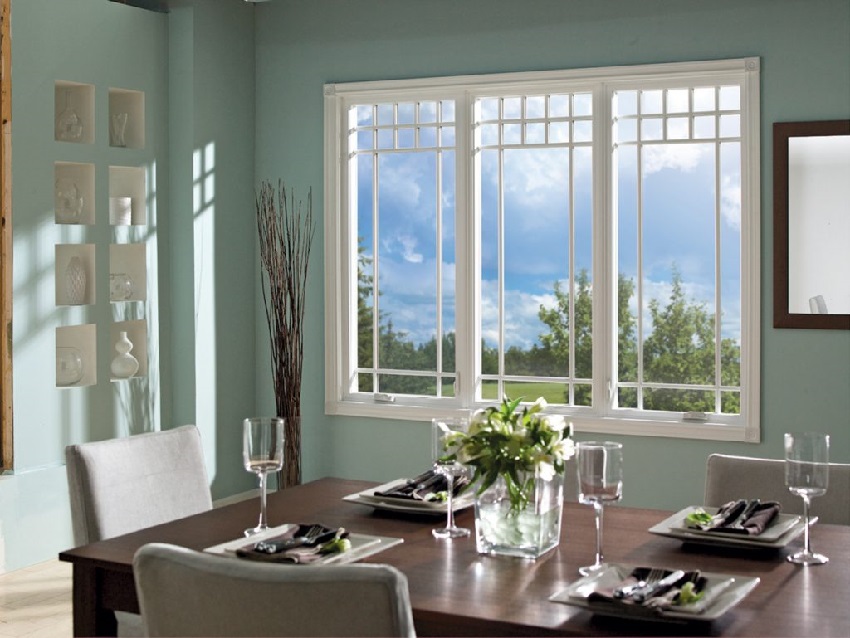
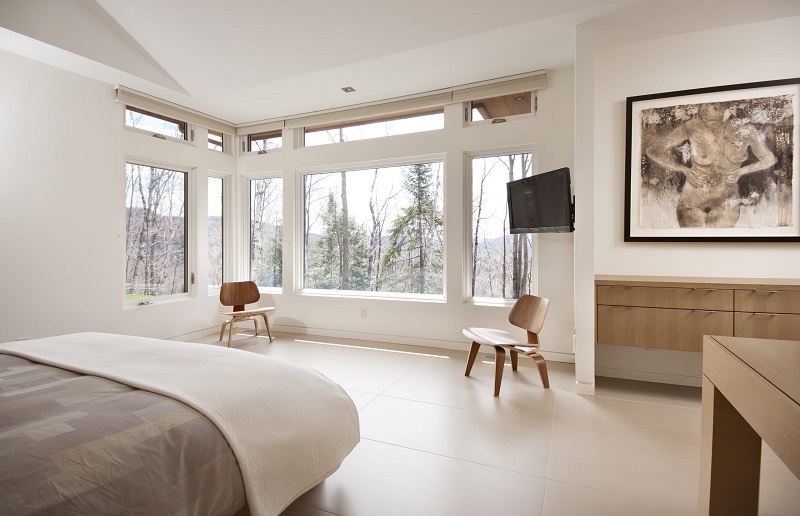
Minimalist windows use simple geometry, narrow visible frames, and large areas of glass. Their restrained appearance works particularly well in contemporary interiors where daylight, views, and visual simplicity are priorities.
Large panes can strengthen the connection between interior and exterior spaces, especially when they overlook a garden, terrace, courtyard, or landscape.
If you prefer this clean aesthetic, see our guide to
minimalist interior design.
Industrial-Style Windows
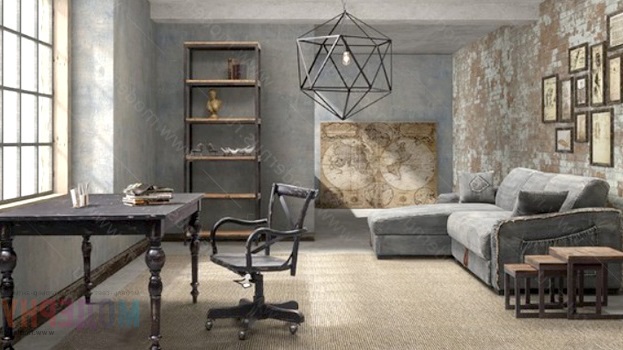
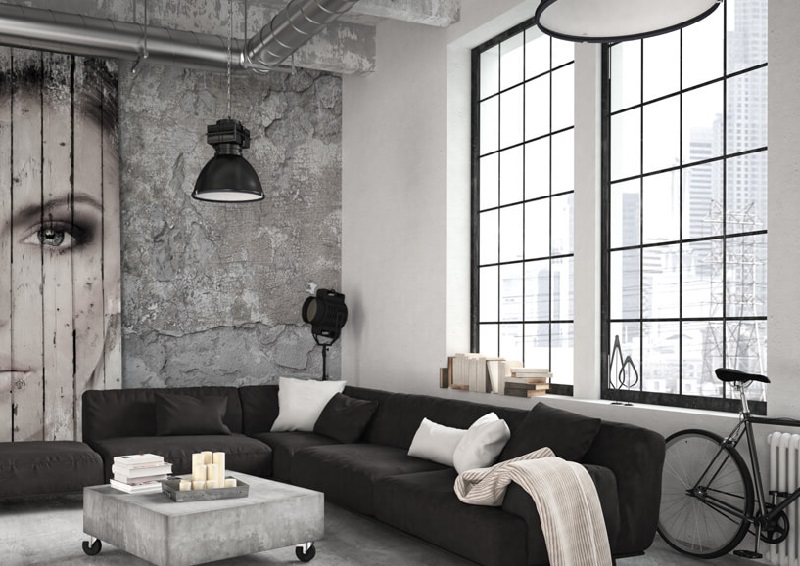
Industrial-style windows are recognizable by dark frames and strong grid patterns. They are often associated with converted factories, lofts, exposed brick, concrete, steel, and open-plan interiors.
Modern systems can reproduce this appearance with several frame materials. Decorative grids or simulated divisions may create a similar look without requiring every small section to be individually glazed.
For more inspiration, read
Is Industrial Style Still Popular?
Bay and Bow Windows
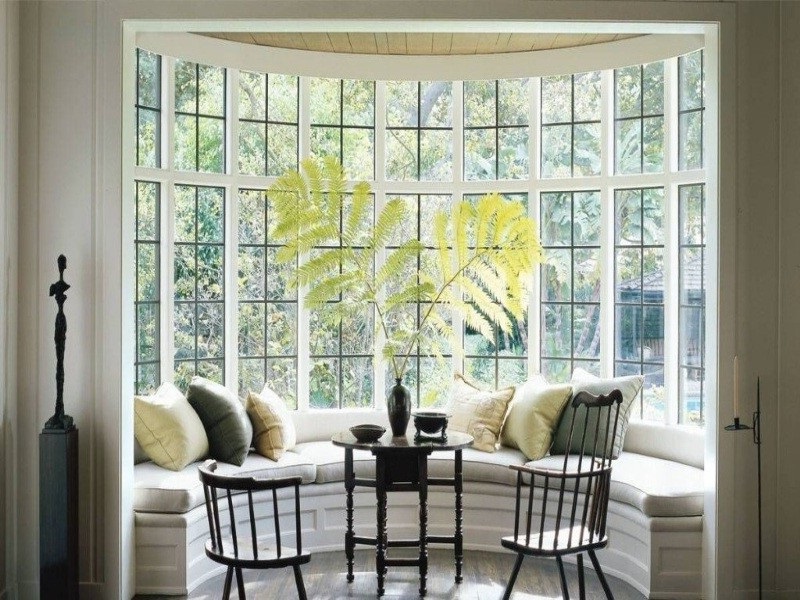
Bay windows project outward from the building and can create additional usable space inside. Depending on their size and sill height, the area may become a reading seat, display surface, dining corner, or bright architectural feature.
Because they receive daylight from more than one direction, they can make a living room, dining area, or bedroom feel brighter.
Their roofs, junctions, structure, and exterior weatherproofing require careful detailing because the projection creates more surfaces and connections than a flat window.
Casement Windows
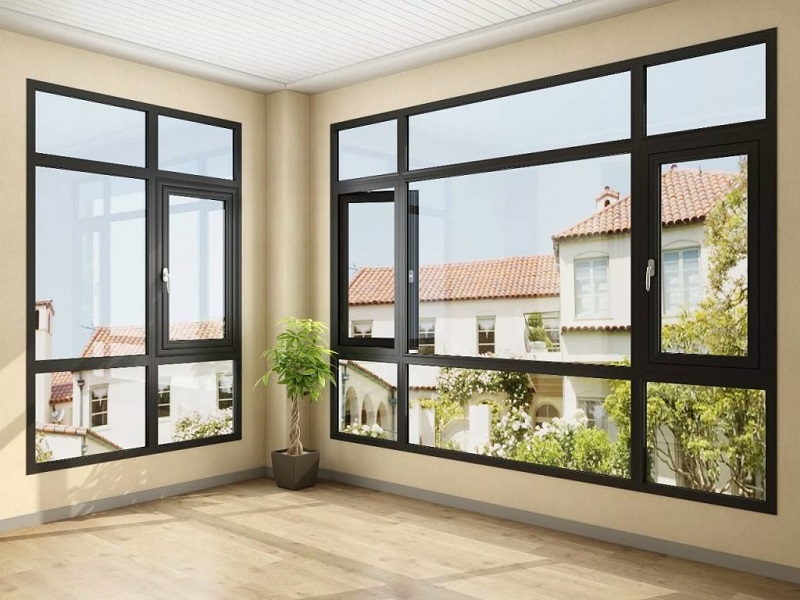
Casement windows are hinged at the side and open inward or outward depending on the system. When fully opened, they can provide effective ventilation and a relatively unobstructed view.
Compression seals used in many casement systems can provide good weather resistance when the window is correctly adjusted and maintained.
Check that the sash will not conflict with curtains, furniture, exterior paths, plants, or other building elements.
Tilt-and-Turn Windows
Tilt-and-turn windows can tilt inward at the top for limited ventilation or open inward from the side for wider access. They are common in many European homes because one sash can provide two opening modes.
The inward-opening sash requires clear space inside the room. Curtains, blinds, taps, shelves, and furniture should be positioned so they do not interfere with its movement.
Sliding Windows and Glazed Walls
Sliding systems can connect an interior to a balcony, patio, or garden without requiring an inward- or outward-swinging door.
Large sliding panels may be heavy, so operating force, threshold design, drainage, weather resistance, security, and long-term hardware maintenance should be reviewed carefully.
French Doors and Glazed Doors
Although technically doors, French doors perform a similar architectural role to windows by bringing daylight into a room and creating a visual connection with the outdoors.
They can provide access to a garden, terrace, patio, or balcony. Plan the opening direction and the surrounding furniture so the doors can operate fully.
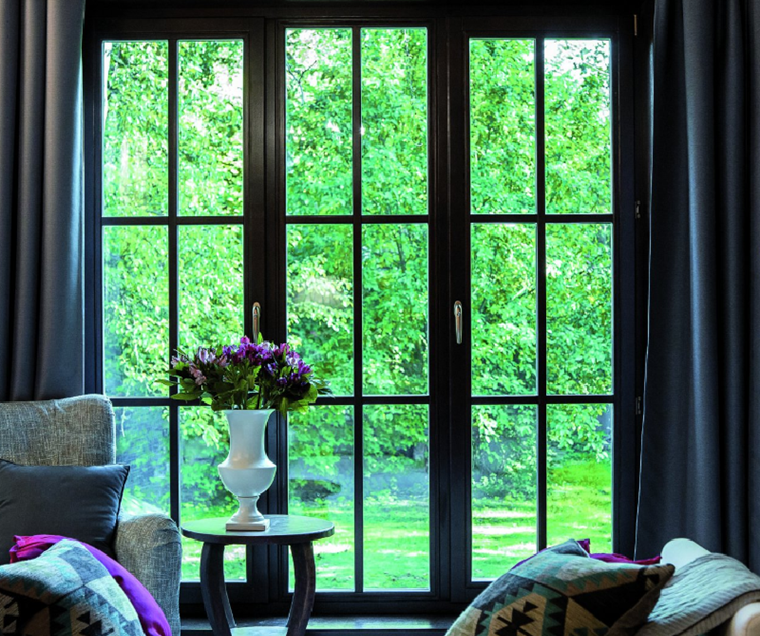
Skylights and Roof Windows
Skylights bring daylight from above and are useful where ordinary wall windows are limited or impossible. They can brighten attic conversions, hallways, bathrooms, kitchens, staircases, and deep floor plans.
Opening roof windows may provide ventilation, but placement requires careful consideration. Roof glazing can receive intense solar exposure and is more difficult to clean, shade, and maintain than many vertical windows.
The roof pitch, weatherproofing, drainage, flashing, and interior condensation control should all be addressed by an appropriate professional.
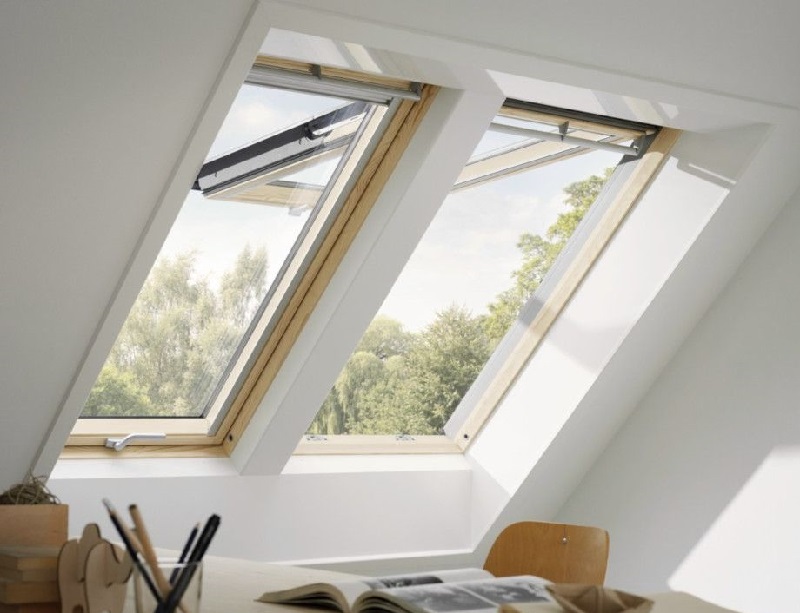
Smart and Switchable Windows
Some specialized glazing systems can change their optical properties electronically. Depending on the technology, switchable glass may alter transparency, improve privacy, or help control glare.
These systems are more complex than conventional glazing. Initial cost, electrical requirements, switching behavior, visual appearance, warranties, replacement, and long-term maintenance should be reviewed before installation.
Switchable privacy glass should not automatically be treated as a complete substitute for every shading or solar-control strategy.
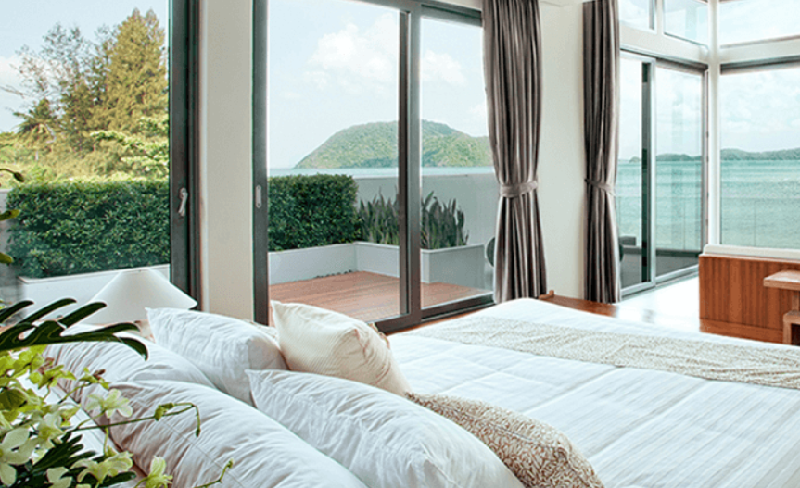
Choosing a Window Frame Material
The frame influences appearance, thermal performance, maintenance, durability, structural capacity, and price. No single material is the best option for every project.
uPVC Frames
uPVC windows are widely used because they generally require limited maintenance and can provide good thermal performance at a moderate cost.
They are available in many colors and surface finishes, although frame dimensions and visual appearance vary considerably between systems.
Aluminum Frames
Aluminum can provide relatively slim profiles and is frequently selected for modern architecture and larger glazed openings.
Because aluminum readily conducts heat, windows intended for conditioned interiors normally use thermal breaks and other measures designed to reduce heat transfer. Compare the complete system’s performance rather than assuming every aluminum frame performs equally.
Timber Frames
Wood provides a warm, natural appearance and can suit both traditional and contemporary architecture. It may also offer good thermal characteristics when used in a properly designed window system.
Maintenance requirements depend on the timber, finish, exposure, construction, and climate. Exterior coatings and vulnerable joints should be inspected as recommended by the manufacturer.
Composite Frames
Composite windows combine materials to use the advantages of each. A common example is timber on the interior with aluminum protection on the exterior.
These systems may provide the visual warmth of wood inside with reduced exterior maintenance, although they can cost more than basic single-material frames.
Steel Frames
Steel can create exceptionally slender profiles and an authentic industrial appearance. Modern steel window systems differ substantially from old single-glazed factory windows in their thermal construction, seals, glazing, and finishes.
Steel is normally a specialized and relatively expensive choice, so technical performance and corrosion protection should be reviewed carefully.
Glazing and Window Energy Performance
When comparing windows, look beyond simple labels such as “double glazing” or “triple glazing.” Overall performance depends on the glass, coatings, cavities, spacers, frame, sash, seals, dimensions, and installation.
Double and Triple Glazing
Multiple panes create sealed cavities that help reduce heat transfer. The cavities may contain air or another gas, depending on the glazed unit.
Triple glazing can improve thermal performance in suitable systems, but it is not automatically the best choice for every project. Climate, orientation, frame performance, glass weight, cost, and local requirements all matter.
Low-Emissivity Glass
Low-emissivity coatings are designed to reduce radiant heat transfer while allowing useful visible light to pass through the glazing.
Different coatings have different optical and solar-control characteristics. The appropriate specification depends on climate, orientation, and the balance between daylight, heat gain, and insulation.
Laminated and Toughened Safety Glass
Safety glazing may be required or advisable near floors, doors, showers, stairs, and other locations where impact or falling presents a risk.
Toughened and laminated glass behave differently when broken. The appropriate type depends on the application and relevant building requirements.
Acoustic Glazing
Effective acoustic design may use laminated glass, panes with different thicknesses, suitable cavity dimensions, tight seals, and robust frame construction.
Sound can also enter through walls, roofs, ventilation openings, and installation gaps. Replacing the glass alone may not solve every noise problem.
Compare the Complete Window
Energy labels and performance values vary by country. When comparing products, use metrics applicable to the complete window assembly and the conditions in your region.
Ask suppliers to explain whether a quoted value applies to the center of the glass, the glazed unit, or the entire window.
Window Orientation, Shading, and Privacy
The same window design can perform very differently depending on its direction, surrounding buildings, local climate, and seasonal sun.
Plan for Solar Exposure
Large windows exposed to strong sunlight may need exterior shading, overhangs, shutters, blinds, curtains, solar-control glazing, or a combination of measures.
Exterior shading can prevent some solar energy from reaching the glass, while interior blinds and curtains are also useful for glare, privacy, and visual comfort.
Control Glare
Direct sun reflected on television and computer screens can make a room uncomfortable even when the indoor temperature remains acceptable.
Consider screen placement, working positions, window orientation, and adjustable shading when arranging the room.
Protect Privacy Without Losing All Daylight
Large windows can provide excellent daylight but expose the interior to neighboring buildings or streets.
Possible privacy solutions include:
- curtains or blinds;
- external screens;
- landscaping;
- textured or translucent glass in selected areas;
- carefully positioned internal partitions;
- raising or repositioning windows where architectural changes are possible.
Privacy glazing should be chosen carefully where a clear exterior view is still desirable.
How to Choose the Right Windows for Your Home
The best window is the one that meets the requirements of its specific room and location rather than simply following a design trend.
Define the Priorities for Each Room
A bedroom may prioritize acoustic comfort, ventilation, privacy, and safe operation. A living room may place more emphasis on daylight and views, while a bathroom may need privacy, moisture-resistant finishes, and appropriate ventilation.
Set a Complete Budget
Compare the total installed cost rather than only the price of the window unit. Installation, structural work, interior and exterior finishing, shading, hardware, access equipment, disposal, and future maintenance may all affect the final cost.
Check Local Requirements
Window replacements and new openings may be affected by planning rules, building regulations, energy requirements, fire safety, ventilation provisions, fall protection, and requirements for safety glass.
Historic or protected buildings may have additional restrictions on frame materials, colors, glass, and external appearance.
Match the Architecture
Large minimalist windows may complement a contemporary home, while divided-light timber windows may suit a traditional building. Good design should respect the proportions and character of the architecture.
Plan Ventilation
Not every pane must open, but every room needs an appropriate ventilation strategy. Consider how far each sash opens and whether furniture, curtains, taps, balconies, or nearby walls interfere with it.
Consider Security and Safe Operation
Ground-floor windows may need different hardware from less accessible openings. In homes with children, consider restrictors, locking arrangements, furniture placement, and the risk associated with large opening sections.
Any safety devices should comply with applicable regulations and should not interfere with required emergency escape arrangements.
Request Comparable Quotations
Make sure quotations cover comparable glass, frame specifications, hardware, finishes, installation details, warranties, and removal of old windows. A lower price may reflect a substantially different specification.
Window Installation and Maintenance
Installation quality is critical to performance. Gaps, inadequate sealing, poor flashing, unsuitable fixings, and incorrect drainage can lead to air leakage, water ingress, condensation, and reduced thermal or acoustic performance.
Use an Appropriate Installer
The installer should understand the specific window system, wall construction, weather exposure, and applicable local requirements.
Clarify who is responsible for measuring the openings, removing old frames, preparing substrates, finishing internal reveals, repairing exterior surfaces, and disposing of waste.
Plan Weatherproofing and Drainage
Windows must control water as part of the complete wall assembly. Exterior seals, flashings, sill details, drainage paths, and connections to weather-resistant layers need to work together.
Allow for Safe Cleaning
Before choosing large panes or high-level glazing, determine how both sides will be cleaned. Inward-opening sashes, accessible balconies, specialized hinges, or professional cleaning access may be required.
Maintain Seals and Hardware
Locks, hinges, drainage openings, weather seals, and surface finishes may require periodic cleaning, adjustment, lubrication, or renewal according to the manufacturer’s instructions.
Address condensation, difficult operation, water entry, or damaged seals promptly rather than waiting for the problem to become more serious.
Common Window Design Mistakes
Choosing Windows Only for Appearance
Frame color and style matter, but thermal performance, ventilation, security, privacy, cleaning, and maintenance are equally important.
Ignoring Orientation
Large areas of unshaded glass can create glare or overheating in some climates and orientations. Window size, glass specification, and shading should be planned together.
Making Every Section Operable
Fixed glazing may provide clearer views, fewer moving components, and simpler frames where ventilation or cleaning access is not required.
Forgetting Furniture Placement
An inward-opening sash may conflict with a desk, sofa, sink, tap, shelf, curtain, or blind. Draw the opening movement on the room plan before choosing the final configuration.
Comparing Only the Number of Panes
Triple glazing does not automatically guarantee a better complete window. The frame, coatings, spacers, seals, dimensions, and installation all affect performance.
Neglecting Installation Quality
Even a high-performance product can perform poorly if it is measured, fitted, sealed, or weatherproofed incorrectly.
Ignoring Future Cleaning
Large fixed panes, roof windows, and high-level glazing may be difficult or expensive to maintain without suitable access.
Overlooking Privacy
Floor-to-ceiling glazing may require additional screening in densely populated areas. Plan the privacy strategy before the furniture and window treatments are finalized.
Using Too Many Different Window Styles
Several unrelated frame colors, grid patterns, and opening configurations can make the exterior look inconsistent. Variation may be necessary, but the windows should still share a clear architectural language.
Choosing Trendy Frames Without Considering the Interior
Strong black frames can look attractive, but they create prominent visual lines. Consider how the frame color relates to walls, floors, doors, furniture, and the exterior facade.
Frequently Asked Questions About Modern Windows
Are larger windows always better?
No. Larger windows can provide more daylight and wider views, but they may also increase heat gain, heat loss, glare, privacy concerns, structural requirements, and cost. The ideal size depends on orientation, climate, glass performance, shading, and room use.
Is triple glazing better than double glazing?
Triple glazing can provide improved thermal performance in a suitable window system, but it is not automatically the best value for every building. Climate, frame performance, glass weight, installation quality, orientation, cost, and local requirements should all be considered.
Which window style provides good ventilation?
Casement, awning, tilt-and-turn, sliding, and other opening windows can all provide ventilation. Their effectiveness depends on sash size, opening direction, window position, local wind, and the overall ventilation strategy.
What window frames are best for a modern home?
Aluminum is popular for slim contemporary profiles, but uPVC, timber, steel, and composite systems can also work well. Architectural compatibility, performance, maintenance, and budget matter more than choosing one material solely for its appearance.
Do black window frames make a room look smaller?
Dark frames create contrast and emphasize the geometry of the window. In some interiors this can frame the view effectively, while in others it may feel visually heavier. The result depends on window dimensions, wall color, daylight, and surrounding furniture.
Are smart windows useful in homes?
Switchable glazing can provide useful privacy or glare-control functions in certain locations. These systems are generally more complex and expensive than conventional glass, so their electrical requirements, visual quality, warranties, and maintenance should be considered carefully.
Can new windows eliminate condensation?
New windows may improve surface temperatures and reduce air leakage, but condensation also depends on indoor humidity, ventilation, outdoor temperature, thermal bridges, and room conditions.
Persistent condensation should be investigated as part of the complete building rather than assumed to be a glass-only problem.
Can windows reduce traffic noise?
Appropriate acoustic windows can reduce traffic noise, but results depend on the glass, frame, seals, ventilation openings, installation, and surrounding walls. Request performance information suited to the relevant noise source.
Should all replacement windows look identical?
They do not necessarily need the same opening configuration, but a consistent frame color, sightline, proportion, and grid pattern can help preserve a coherent exterior appearance.
Final Thoughts
Modern window design involves much more than choosing an attractive frame. The best windows balance daylight, insulation, ventilation, security, acoustic comfort, privacy, maintenance, and architectural character.
Begin by defining what each room needs. Then compare opening styles, frame materials, glazing, shading, technical performance, warranties, and total installation costs.
When windows are planned as part of the complete building and interior rather than as isolated products, they can substantially improve how a home looks, feels, and functions.
For more inspiration, explore our guides to
home decorating trends,
minimalist interiors,
and
industrial interior design.