
How to Use Rugs in the Bedroom the Right Way: A Complete Interior‑Design Guide
Rugs are one of the easiest ways to transform a bedroom. They add warmth, texture, color, and comfort while helping the bed and surrounding furniture feel visually connected. But choosing the right bedroom rug is not only about finding a beautiful pattern — size and placement matter just as much.
Whether you are wondering how far a rug should extend beyond the bed, what size works with a queen or king bed, or whether runners are better for a small bedroom, this guide explains the most practical bedroom rug layouts and how to choose the right one for your space.

Why Rugs Matter in Bedroom Design
A bedroom should feel comfortable, quiet, and visually balanced. A well-chosen rug can help achieve all three while adding another layer of texture and personality to the interior.
1. They Add Warmth and Comfort
Rugs soften hard flooring, reduce the feeling of cold underfoot, and create a comfortable landing spot when you get out of bed in the morning.
2. They Anchor the Furniture
A rug visually connects the bed, nightstands, and surrounding furniture. Without this connection, furniture can sometimes appear to be floating independently around the room.
3. They Add Texture and Personality
From plush wool to flat-woven cotton and patterned kilims, rugs introduce texture, pattern, and color without requiring major changes to the bedroom.
4. They Define Zones
In larger bedrooms, rugs can separate sleeping, reading, dressing, or seating areas without adding walls or physical partitions.
5. They Help Protect Flooring
Rugs also provide an additional layer of protection for hardwood, laminate, tile, and other bedroom flooring.
How Bedroom Size Influences Rug Placement
The size of your bedroom determines how much flexibility you have when choosing and positioning a rug. The goal is to make the rug feel connected to the furniture rather than looking like an isolated decorative object.
Small Bedrooms
Small bedrooms require careful rug placement. A rug should add softness without making the room feel crowded.
Good options for a small bedroom include:
- One large rug partially placed under the bed
- A runner on each side of the bed
- One medium rug positioned at the foot of the bed
Tip: Avoid filling a small bedroom with several unrelated small rugs. One well-proportioned rug usually creates a cleaner and more spacious appearance.
Medium Bedrooms
Medium-sized bedrooms offer more flexibility. You can use one large rug as the main visual anchor or combine it with a smaller rug in another functional area.
- A large rug under the bed
- A rug under the bed plus a runner near the closet
- A rug at the foot of the bed and a smaller rug near a reading chair
Make sure enough of the rug remains visible around the bed. If almost the entire rug disappears underneath the furniture, it may be too small for the intended layout.
Large Bedrooms
Large bedrooms can comfortably accommodate several rugs. This is especially useful when the room contains distinct functional zones.
- A large rug under the bed
- A second rug in a seating area
- A runner leading toward a bathroom or dressing room
- A separate rug under a vanity or reading nook
Using rugs to create separate visual zones can make a large bedroom feel warmer, more intentional, and more cohesive.
Where to Place Rugs in the Bedroom
There is no single rug layout that works for every bedroom. The best placement depends on the room dimensions, bed size, flooring, and how much of the rug you want to see.
1. At the Foot of the Bed
Placing a medium-sized rug at the foot of the bed is one of the simplest options. It adds texture and softness while leaving much of the original flooring visible.
This layout works particularly well for:
- Small and medium bedrooms
- Rooms with attractive wood or tile flooring
- Minimalist bedroom interiors
2. Under the Bed
Placing a large area rug partially under the bed is one of the most popular bedroom layouts because it creates balance and gives you a soft surface on both sides of the bed.
A practical approach is to position approximately the lower two-thirds to three-quarters of the bed over the rug, leaving the rug visible at the sides and foot.
Why this arrangement works:
- It visually anchors the bed
- It creates symmetry
- It provides a comfortable surface beside the bed
- It leaves the nightstands directly on the floor if desired
3. Under the Bed and Nightstands
For a more luxurious look, use an oversized rug large enough to sit beneath the entire bed and both nightstands.
This layout can:
- Create a polished hotel-style appearance
- Make the sleeping area feel larger
- Visually connect the bed and nightstands
Because it requires a considerably larger rug, this arrangement is best suited to spacious bedrooms.
4. Runners on Each Side of the Bed
If you do not want a large area rug, matching runners placed on both sides of the bed are a practical alternative.
This solution works particularly well in narrow bedrooms and minimalist or Scandinavian-style interiors.
- Requires less rug material
- Provides softness exactly where you step
- Creates visual symmetry
- Leaves more of the original flooring visible
5. In a Walkway or Passage
If the bedroom includes a long walkway leading to a bathroom, wardrobe, or dressing area, a runner can visually define the path while adding warmth and texture.
Choosing the Right Rug Material for a Bedroom
The material influences how a rug feels, how easy it is to maintain, and how long it is likely to last.
Wool Rugs
Wool is a popular choice for bedrooms because it combines softness, warmth, durability, and an attractive natural texture.
Advantages:
- Soft and comfortable underfoot
- Durable
- Naturally resilient
- Available in many styles and textures
Cotton Rugs
Cotton rugs are lightweight and often easier to handle than heavier wool rugs.
Advantages:
- Usually affordable
- Many smaller models are washable
- Available in a wide variety of colors and patterns
They are generally less durable than high-quality wool rugs, so they may be better suited to lower-traffic areas.
Shag and Plush Rugs
A shag or plush rug can create an especially cozy bedroom and feels soft under bare feet.
Advantages:
- Very soft texture
- Creates a warm, comfortable atmosphere
- Works well as a bedroom accent
The main disadvantage is maintenance: deep-pile rugs generally require more careful cleaning.
Jute and Natural-Fiber Rugs
Jute and other natural-fiber rugs are popular in earthy, coastal, rustic, and boho interiors.
- Strong natural texture
- Neutral appearance
- Works with many decorating styles
However, natural-fiber rugs are generally less soft underfoot than wool or plush alternatives.
Bedroom Rug Size Guide
Choosing the correct rug size is one of the most important parts of creating a balanced bedroom layout. A rug that is too small can make the bed look disconnected from the rest of the room.
Common area rug sizes include:
- 3 × 5 ft
- 5 × 8 ft
- 6 × 9 ft
- 8 × 10 ft
- 9 × 12 ft
- 12 × 15 ft
Rug Size for a King Bed
A 9 × 12 ft rug is a common choice for a king-size bed because it provides enough coverage to extend beyond the sides and foot of the bed in many rooms.
Larger bedrooms may accommodate a 12 × 15 ft rug, particularly when you want the nightstands to sit on the rug as well.
Rug Size for a Queen Bed
An 8 × 10 ft rug is a versatile choice for many queen-size beds. A 9 × 12 ft rug provides a more generous border and can work especially well in larger bedrooms.
A 6 × 9 ft rug may work in a smaller room when positioned primarily beneath the lower portion of the bed.
Rug Size for Twin Beds
For a twin bed, a 5 × 8 ft rug can work well depending on the room layout. Another space-saving option is to use a narrow runner alongside the bed.
Always measure the actual bed and room before buying. Bed frames, nightstands, benches, and room proportions can significantly change the amount of rug coverage you need.
Common Bedroom Rug Mistakes to Avoid
1. Choosing a Rug That Is Too Small
This is one of the most common mistakes. A very small rug underneath a large bed can make the room appear visually disconnected.
2. Letting the Rug Float in the Middle of the Room
Whenever possible, connect the rug visually with the bed, seating area, or another piece of furniture instead of leaving it isolated in an empty section of floor.
3. Using Too Many Small Rugs
Several small rugs can create unnecessary visual clutter, particularly in compact bedrooms.
4. Ignoring the Existing Flooring
Consider the pattern, color, and texture of the existing floor or carpet. A heavily patterned rug over an already busy floor can make the room feel visually crowded.
5. Forgetting Door Clearance
Check door clearance before choosing a thick or high-pile rug. Bedroom, closet, and bathroom doors should be able to open freely without catching on the rug.
Bedroom Rug Layout Examples
Modern Minimalist Bedroom
- One large rug positioned beneath the bed
- Neutral colors such as beige, cream, or gray
- Simple texture and clean edges
This approach adds softness without distracting from the clean lines of a minimalist interior.
Boho Bedroom
- Natural-fiber base rug
- Smaller patterned rug layered above it
- Warm and earthy colors
- More relaxed, asymmetrical placement
Layering creates depth and gives a boho bedroom a more collected, personal appearance.
Luxury Hotel-Style Bedroom
- Oversized rug beneath the bed and nightstands
- Soft wool or plush texture
- Muted, coordinated colors
A generously sized rug helps create the unified, comfortable appearance associated with hotel bedrooms.
Small Urban Bedroom
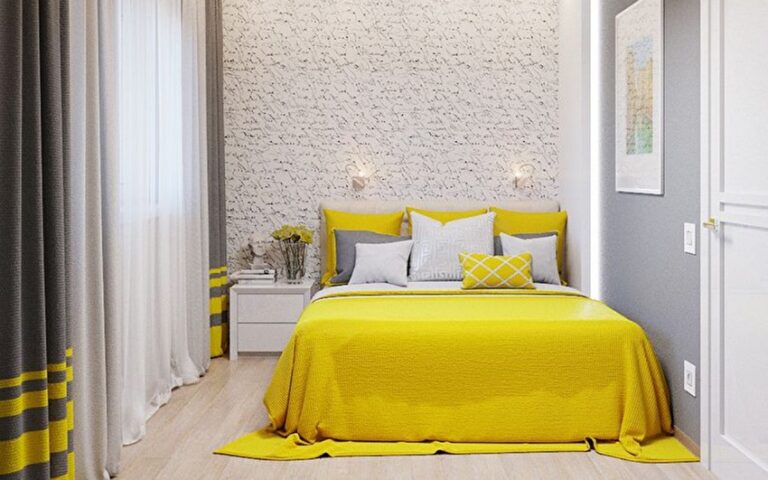
- One appropriately sized rug under the lower portion of the bed
- Light or neutral colors
- Low or medium pile for easier maintenance
Keeping the layout simple helps a compact bedroom feel less cluttered.


Frequently Asked Questions About Bedroom Rugs
What size rug should go under a king-size bed?
A 9 × 12 ft rug is a popular choice for a king-size bed. In a larger bedroom, a 12 × 15 ft rug can provide more generous coverage.
What size rug works with a queen-size bed?
An 8 × 10 ft rug works well with many queen beds. A 9 × 12 ft rug provides more coverage, while a 6 × 9 ft rug can work in a smaller room depending on its placement.
Can you put a rug over carpet in a bedroom?
Yes. An area rug can be placed over bedroom carpet to add color, texture, or define the sleeping area. It generally works best over relatively low-pile carpet, and the rug should be secured appropriately to reduce movement.
What type of rug is best for a bedroom?
Wool is an excellent all-around option because it is soft, durable, and comfortable. Cotton can be practical and affordable, while plush rugs are ideal when softness is the main priority.
Should a bedroom rug go under the nightstands?
It does not have to. In many bedrooms, the rug begins in front of the nightstands and extends beneath the lower portion of the bed. In larger rooms, an oversized rug can extend underneath both the bed and nightstands for a more luxurious look.
Bedroom Rug Video Guide
This video provides additional visual examples of choosing and positioning a bedroom rug:
Final Thoughts
The right bedroom rug does more than decorate the floor. It can make the room feel warmer, visually anchor the bed, protect flooring, and bring separate pieces of furniture together into one cohesive design.
Start with the size of your bed and room, then decide how much floor you want the rug to cover. For smaller bedrooms, a single well-proportioned rug or a pair of runners may be enough. Larger rooms allow oversized rugs and additional rugs for seating or dressing areas.
Most importantly, measure before buying. A few minutes with a tape measure can prevent one of the most common bedroom design mistakes: choosing a beautiful rug that is simply too small for the space.