Best Coffee Machines for Home: 5 Models to Consider
This guide explains the main types of home coffee machines, their advantages and limitations, and several well-known automatic machines worth considering.
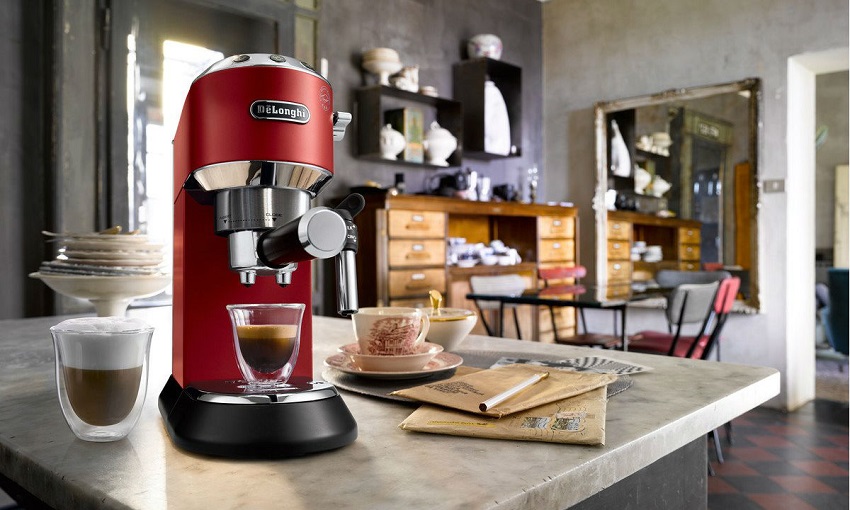
Types of Coffee Machines for Home
Before comparing individual models, it helps to understand the different ways home coffee machines work.
The main categories are:
- portafilter espresso machines
- capsule machines
- coffee pod machines
- drip coffee makers
- automatic bean-to-cup machines
Each type offers a different balance of convenience, control, cost, and coffee quality.
Portafilter Espresso Machines
A traditional espresso machine uses ground coffee placed in a portafilter. Hot water is forced through the compacted coffee to produce espresso.
These machines are a good choice for people who enjoy the process of preparing coffee and want more control over grinding, dosing, extraction, and milk frothing.
Advantages
- Good control over espresso preparation
- Works with freshly ground coffee
- Can produce espresso, cappuccino, latte, and other espresso-based drinks
- No proprietary capsules required
- Many models include a steam wand for milk
Things to Consider
- Requires more practice than an automatic machine
- The portafilter needs regular cleaning
- A separate coffee grinder may be needed
- Results depend heavily on grind size and preparation technique
For coffee enthusiasts who enjoy learning how espresso is made, a portafilter machine can be one of the most satisfying choices.
Capsule Coffee Machines
Capsule machines are designed around convenience. A pre-measured capsule is inserted into the machine, and the drink is prepared with very little effort.
Advantages
- Very easy to operate
- Fast preparation
- Little mess compared with loose ground coffee
- Compact models are suitable for small kitchens
- Consistent results from cup to cup
Things to Consider
- Capsules can cost more per cup than coffee beans
- Capsule compatibility depends on the system
- Drink customization is usually limited
- Used capsules create additional waste
Capsule machines make the most sense when speed and simplicity are more important than having complete control over the brewing process.
Pod Coffee Machines
Coffee pods or pads contain a pre-measured portion of ground coffee inside filter material. Compatible machines pass hot water through the pod to prepare the drink.
They offer some of the convenience of capsule systems while using a different brewing format.
Advantages
- Simple preparation
- Easy cleanup
- Consistent portions
- No need to measure loose coffee
Things to Consider
- Smaller selection than whole-bean coffee
- Compatibility varies between systems
- Pods may be more difficult to find in some markets
Drip Coffee Makers
A drip coffee maker is one of the simplest ways to prepare several cups of coffee at once. Heated water passes through ground coffee in a filter and collects in a glass or thermal carafe.
Advantages
- Simple operation
- Usually affordable
- Convenient for preparing several cups
- Good choice for households that prefer filter coffee
- Many models include timers and keep-warm functions
Things to Consider
- Does not prepare traditional espresso
- Milk drinks require separate equipment
- Paper or reusable filters need regular attention
If you mainly drink larger cups of black coffee, a good drip machine may be more practical than an expensive automatic espresso system.
Automatic Bean-to-Cup Coffee Machines
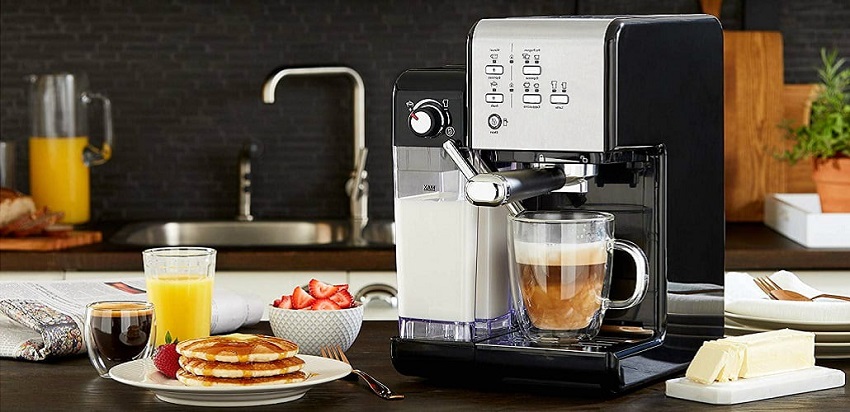
Automatic coffee machines are designed to handle most of the preparation process for you.
Depending on the model, the machine can grind fresh beans, measure the coffee, brew espresso, froth milk, and run automatic cleaning programs.
Advantages
- Freshly ground coffee with minimal effort
- One-touch preparation on many models
- Multiple coffee recipes
- Adjustable strength and drink volume
- Some models save individual user preferences
- Integrated milk systems are available for cappuccino and latte
Things to Consider
- Higher purchase price
- Larger than basic capsule or drip machines
- Requires regular cleaning and descaling
- Milk systems need careful cleaning
For households that prepare several coffees every day and value convenience, a bean-to-cup machine can justify its higher initial cost.
5 Coffee Machines to Consider
The following machines illustrate different approaches to automatic home coffee preparation. Availability, specifications, and model versions can vary by country, so always check the manufacturer’s current information before purchasing.
1. GARLYN L1000
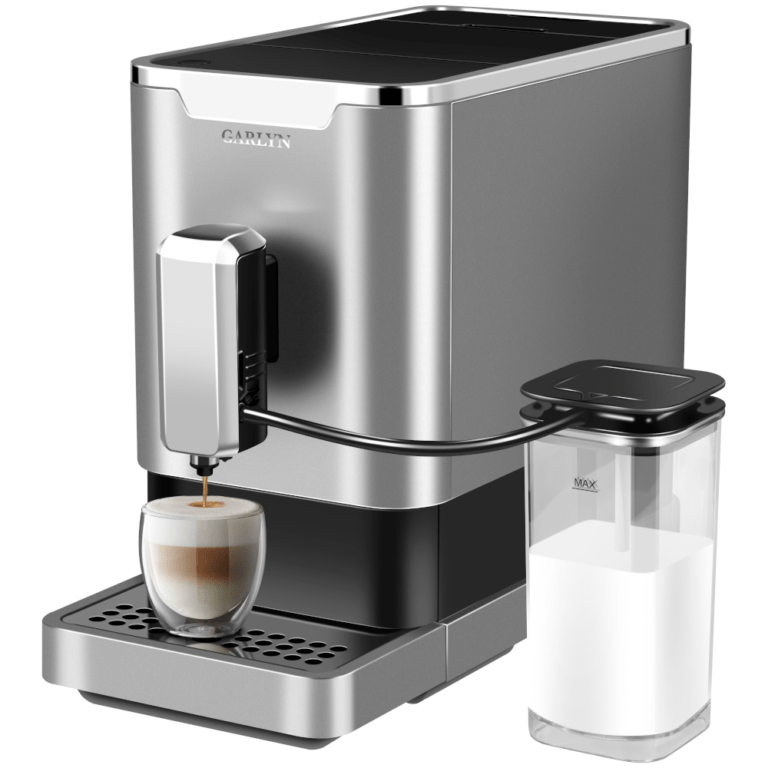
The GARLYN L1000 is a compact automatic machine aimed at users who want multiple coffee recipes without giving up too much kitchen counter space.
Depending on the version and market, its features can include a built-in grinder, automatic drink programs, adjustable coffee settings, milk preparation, and a removable brewing unit.
Its relatively compact water capacity means it may be better suited to a smaller household than to situations where many drinks are prepared one after another.
2. De’Longhi Dinamica
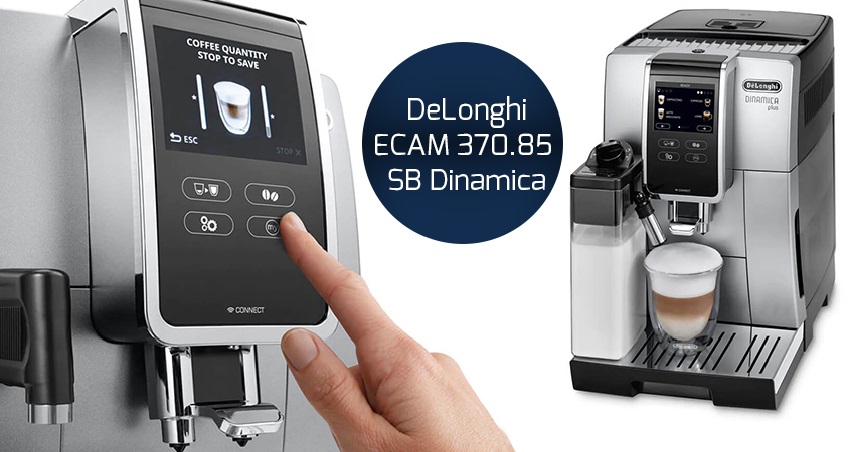
The De’Longhi Dinamica family combines automatic bean-to-cup preparation with extensive drink customization.
Depending on the specific Dinamica version, features may include adjustable grinding, coffee-strength settings, personalized recipes, milk preparation, and the ability to use either beans or pre-ground coffee.
It is particularly attractive for households where different people prefer different coffee recipes.
3. Melitta Caffeo Varianza CSP
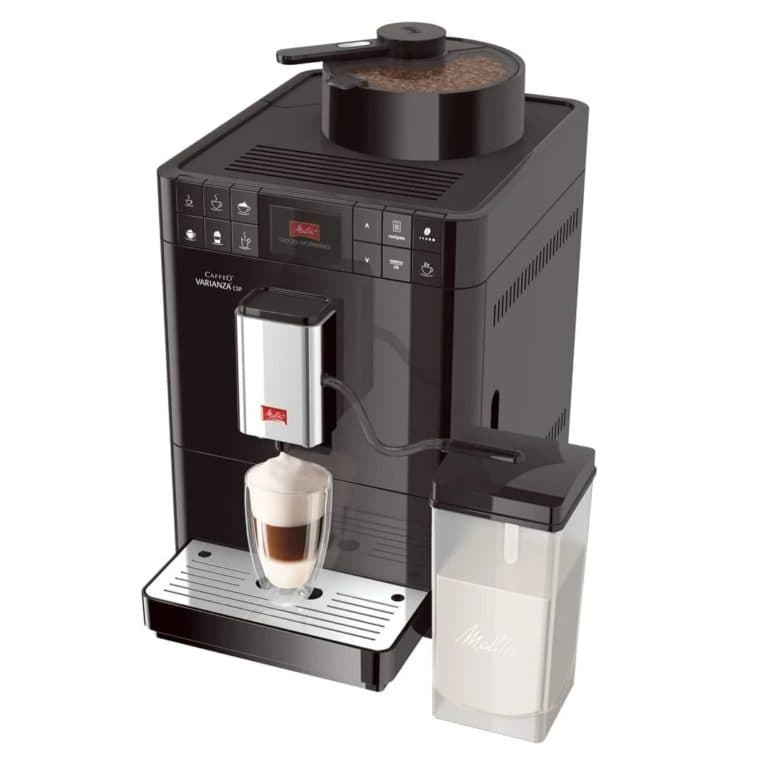
The Melitta Caffeo Varianza CSP is designed for users who want a relatively compact automatic machine while retaining access to several espresso and milk-based drinks.
Its integrated grinder and automated preparation make it suitable for everyday use, while the milk system expands the range beyond standard espresso and black coffee.
As with any automatic machine, buyers should consider how easy the water tank, brewing unit, drip tray, and milk components are to access and clean.
4. Krups Evidence
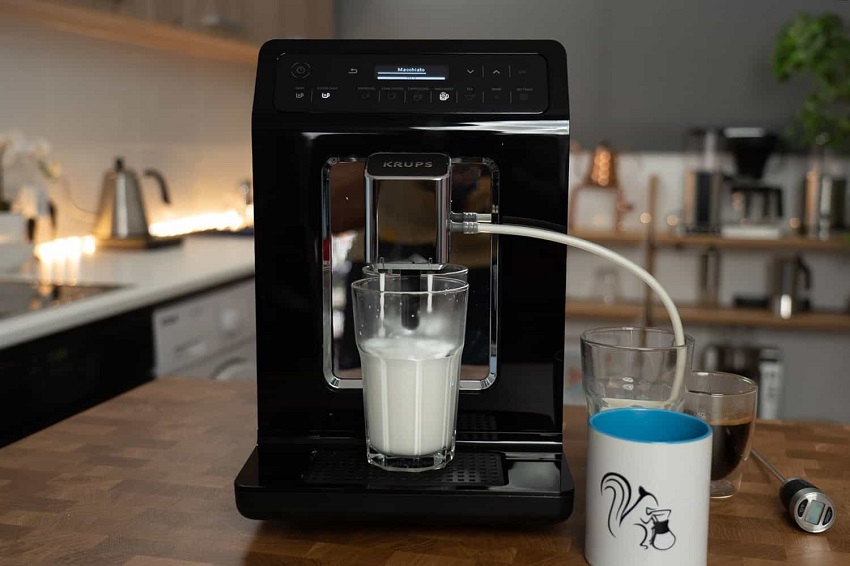
The Krups Evidence range focuses on automated preparation and a broad selection of coffee recipes.
Depending on the exact model, users can adjust drink strength, volume, and temperature while preparing espresso and various longer or milk-based coffees.
It is worth comparing individual Evidence versions carefully because features and accessories can differ between models and markets.
5. Philips 5400 Series LatteGo
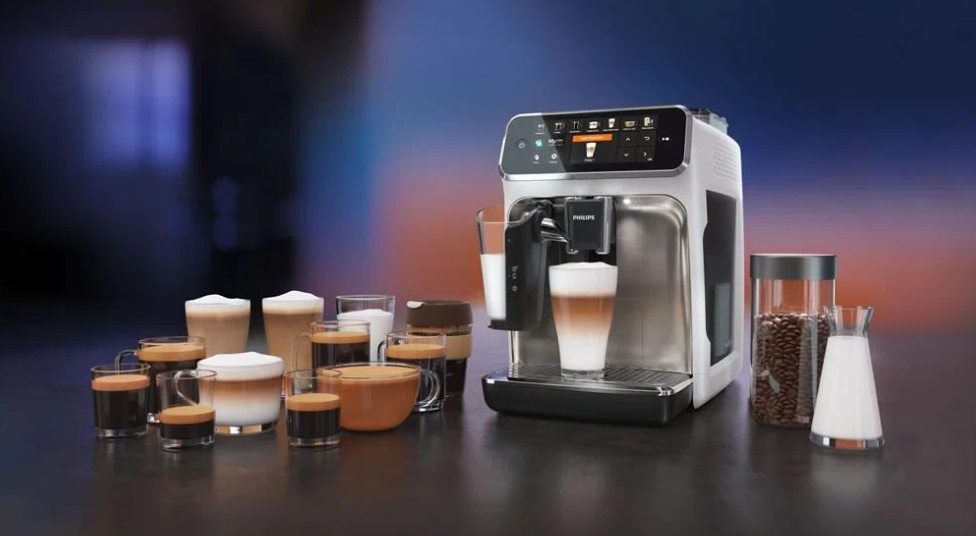
The Philips 5400 Series LatteGo is designed for households that regularly prepare both black coffee and milk-based drinks.
Its main attraction is the LatteGo milk system, which is designed to simplify milk preparation and cleaning compared with more complicated tube-based systems.
The machine also offers an integrated grinder and multiple drink settings, making it a versatile option for households with different coffee preferences.
How to Choose the Right Coffee Machine
Instead of choosing a machine based only on brand or the number of advertised features, think about how you will actually use it.
How Many Cups Do You Make?
For one occasional cup, a capsule or compact espresso machine may be enough. For several drinks every day, an automatic bean-to-cup machine becomes more convenient.
Do You Drink Milk-Based Coffee?
If cappuccino, latte, or flat white is part of your daily routine, pay close attention to the milk system. Ease of cleaning is just as important as the quality of the foam.
How Much Counter Space Do You Have?
Measure the available space before buying. Remember that you may need access from above or from the side to refill water and coffee beans.
How Easy Is It to Clean?
A coffee machine that is difficult to maintain quickly becomes frustrating. Look at how the drip tray, brewing unit, coffee grounds container, water tank, and milk system are cleaned.
Beans, Ground Coffee, Capsules, or Pods?
The brewing system affects both convenience and long-term cost. Whole beans provide more choice and freshness, while capsules prioritize consistency and speed.
Consider the Cost per Cup
The purchase price is only part of the total cost. Coffee beans, capsules, filters, water filters, descaling products, and cleaning supplies all contribute to long-term ownership costs.
Frequently Asked Questions
What type of coffee machine is best for home?
There is no single best type. Automatic bean-to-cup machines are convenient for frequent coffee drinkers, espresso machines offer more control, capsule machines prioritize simplicity, and drip machines are excellent for preparing larger quantities of filter coffee.
Is an automatic coffee machine worth buying?
It can be worthwhile if you prepare coffee every day and value convenience. The higher purchase price may make less sense for someone who only drinks coffee occasionally.
Is a 15-bar or 19-bar machine automatically better?
No. The pump’s advertised maximum pressure alone does not determine coffee quality. Brewing temperature, grind size, coffee dose, extraction control, bean freshness, and machine design are also important.
Are coffee beans cheaper than capsules?
Whole beans are often more economical per cup, although the actual cost depends on the coffee and capsule system you choose.
What should I check before buying an automatic coffee machine?
Check the machine’s dimensions, water-tank access, grinder settings, milk system, cleaning procedure, available drink programs, replacement filters, warranty, and local service availability.
Final Thoughts
The best coffee machine is the one that matches your daily habits. A sophisticated automatic model is unnecessary if you simply want a large cup of filter coffee each morning, while a basic drip machine will disappoint someone who wants one-touch cappuccino.
Start by deciding which drinks you prepare most often, how much work you are willing to do, and how much space you have. Then compare machines based on maintenance, running costs, and useful features rather than specifications alone.
A well-chosen coffee machine should make your morning routine easier — not give you another appliance that is complicated to clean and rarely used.