Baby and Kids Room Design Ideas
The best baby and kids’ room ideas combine comfortable sleeping space, safe furniture placement, accessible storage, and enough flexibility to accommodate changing needs.
A successful children’s bedroom should support everyday family life rather than simply look attractive in photographs. Depending on the child’s age, it may need space for sleeping, dressing, playing, reading, studying, and storing clothes, toys, books, and creative supplies.
Starting with a practical layout and adaptable furniture makes future changes easier. Color, artwork, bedding, rugs, and accessories can then introduce personality without making the space expensive or difficult to update.
Explore related guides:
Contemporary Bedroom Ideas •
Home Decorating Trends •
Minimalist Interior Design
Planning a Baby or Kids’ Room
Before selecting paint, wallpaper, or decorative accessories, consider how the bedroom will be used now and what may change during the next few years.
Depending on age and available space, the design may need to accommodate:
- sleeping and bedtime routines;
- changing clothes or getting dressed;
- playing on the floor;
- reading and quiet activities;
- homework, drawing, or crafts;
- storing clothes, bedding, books, toys, and school supplies.
The priorities will change over time. A nursery may need an adult chair and an area for baby-care routines, while an older child may require a larger bed, desk, additional clothing storage, and room for hobbies.
Measure the Entire Room
Record the dimensions of the walls and note the positions of doors, windows, radiators, electrical outlets, and built-in storage. Check the space needed to open wardrobes, drawers, and doors fully.
Use removable tape to mark the dimensions of larger furniture on the floor. This provides a clearer picture of the remaining pathways and play area than measurements alone.
Establish the Priorities
Not every bedroom can contain several separate activity zones. Comfortable sleep, safe movement, and useful storage should take priority over occasional furniture or purely decorative pieces.
In a compact space, an open area that serves several purposes may be more useful than multiple small tables, chairs, or cabinets.
Modern Baby and Kids’ Room Design Ideas
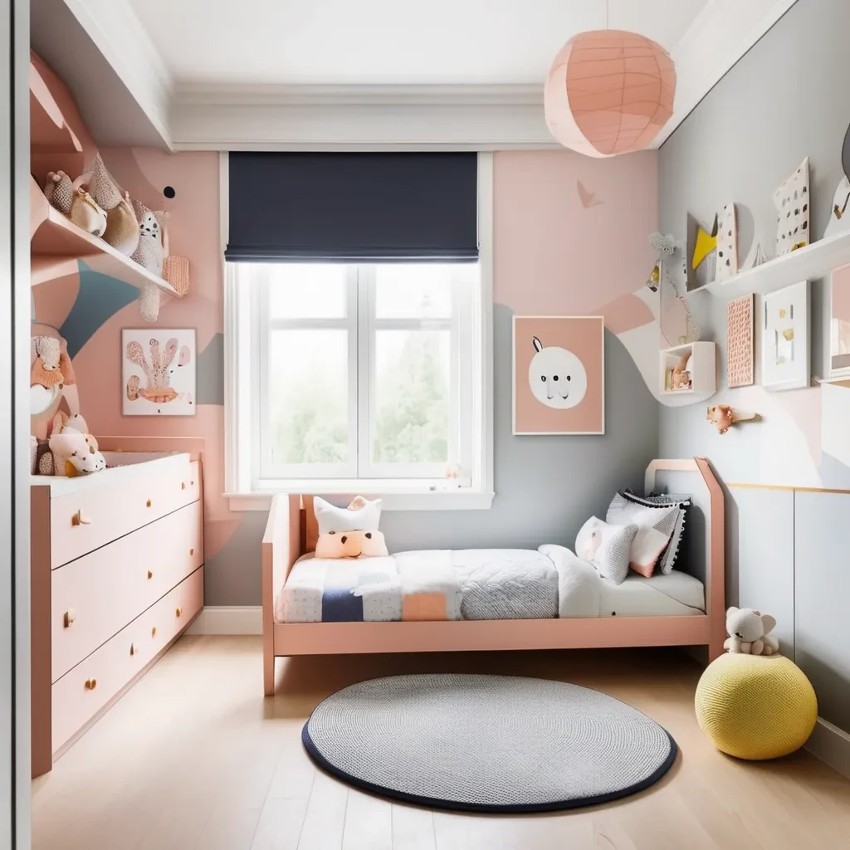
Modern children’s bedrooms often combine simple larger furniture with colorful details that can be replaced as interests change. This creates a calm foundation without making the interior feel impersonal or overly adult.
Useful design ideas include:
- Adaptable furniture: simple shapes are easier to coordinate with new colors and accessories.
- One main feature: artwork, a rug, wallpaper, or a painted wall can provide focus without overwhelming the interior.
- Warm materials: wood and woven textures can soften plain walls and modern furniture.
- Flexible storage: shelves, baskets, drawers, and modular units can accommodate changing belongings.
- Open floor space: especially valuable for younger children who need room to play.
- Personal displays: drawings, books, photographs, and selected toys help the bedroom feel individual.
Choose One Visual Direction
A simple visual idea can guide decisions without becoming a rigid theme. Nature-inspired colors, geometric shapes, animals, landscapes, or space-related details can be introduced selectively.
Keep permanent finishes and expensive furniture relatively adaptable. Temporary interests can be represented through posters, bedding, toys, wall decals, and other items that are easier to replace.
Leave Space for Everyday Life
A child’s bedroom does not need to resemble a minimalist showroom. Toys, books, schoolwork, and creative materials naturally become part of its appearance. The goal is to give these belongings practical places rather than trying to hide every sign that the room is used.
Choosing Colors and Patterns
There is no single correct color palette for a nursery or child’s bedroom. The best choice depends on daylight, room size, existing furniture, and the atmosphere the family wants to create.
Flexible base colors include:
- warm white or cream;
- beige and light taupe;
- soft gray;
- muted green;
- dusty blue;
- pale yellow;
- soft terracotta.
A restrained base does not have to look plain. Stronger colors can appear in bedding, rugs, curtains, storage baskets, artwork, lampshades, or one smaller piece of furniture.
Test Colors in the Actual Space
Paint can look different as daylight changes. A sample that appears warm in a store may look cooler or deeper in a north-facing bedroom or under artificial illumination.
Apply or position samples in several parts of the room and examine them during the morning, afternoon, and evening before making a final decision.
Control Strong Patterns
Pattern can create interest, but several bold designs may compete with toys, books, and artwork. If the wallpaper is visually strong, use calmer bedding and curtains. If the rug is the focal point, keep the surrounding walls relatively simple.
Furniture and Layout
Furniture placement affects safety, storage, movement, and how comfortable the bedroom is to use. Begin with the essential pieces and evaluate the remaining space before adding optional furniture.
Create Clear Activity Areas
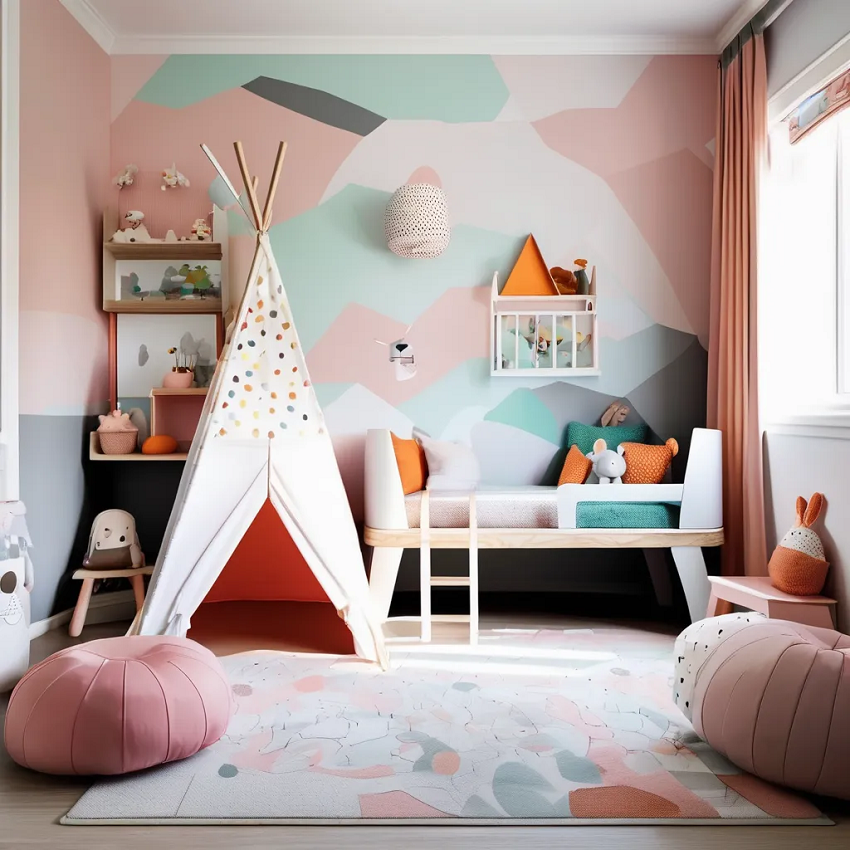
Sleeping, playing, reading, and studying can have recognizable areas without physical dividers. A rug can define the play zone, a wall light can create a reading corner, and a desk can provide a clear place for homework.
Protect the Main Pathways
Beds, cabinets, and storage units should not restrict access to doors, windows, wardrobes, or frequently used drawers. Leave enough space to move through the bedroom comfortably even when some toys or school materials are in use.
Choose Age-Appropriate Furniture
Beds, chairs, desks, shelves, and storage should suit the child’s current size and abilities. Frequently used items should be easy to reach without encouraging climbing.
Adjustable and convertible furniture can be useful, but only when its future configurations will fit the available space and the product is assembled and used according to the manufacturer’s instructions.
Consider the Needs of Adults
A nursery or young child’s bedroom is also used by parents and caregivers. If space permits, include a supportive chair for feeding, reading, comforting, and bedtime routines.
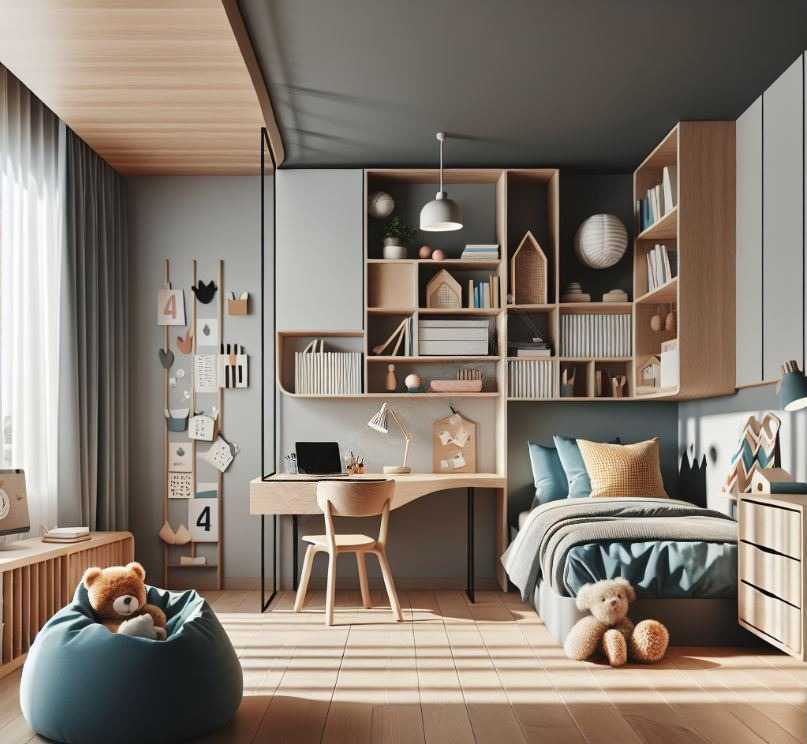
Storage Ideas for Children’s Rooms
Effective storage makes the bedroom easier to use and maintain. Clothes, toys, books, bedding, and school supplies can quickly create clutter when they do not have clearly defined places.
Practical storage options include:
- low shelves for frequently used books and toys;
- large baskets with simple labels or picture symbols;
- wardrobe organizers and shelf dividers;
- closed cabinets for visually distracting items;
- shallow, front-facing book ledges;
- appropriately installed wall storage;
- under-bed drawers when compatible with the bed;
- storage benches suitable for the child’s age and room layout.
Combine Open and Closed Storage
Open shelves keep favorite books and toys visible and accessible. Closed cabinets reduce visual clutter and can hold items that are used less frequently. A combination of the two usually offers the best balance.
Make Tidying Easy to Understand
A few large and clearly identified categories are often easier for young children to manage than numerous small containers. Simple systems also make it easier for adults to maintain the space.
Review Belongings Regularly
Adding more storage does not always solve overcrowding. Periodically review clothes, toys, and books that are no longer used or suitable for the child’s age.
Lighting and Window Treatments
A children’s bedroom normally benefits from several light sources rather than one intense ceiling fixture.
- General lighting provides even illumination for daily activities and cleaning.
- Reading lighting supports bedtime stories and quiet activities.
- Desk lighting illuminates homework, drawing, and crafts.
- Soft ambient lighting can support evening and nighttime routines.
Reduce Glare and Strong Shadows
Position reading and desk lights so they illuminate the activity area without shining directly into the child’s eyes. When placing a desk lamp, consider which hand the child uses for writing.
Control Daylight
Natural light is valuable, but direct sunlight may create glare, increase heat, or interfere with sleep. Curtains, blinds, or shades can help regulate light throughout the day.
Choose window coverings designed with child safety in mind. Cords and loops should not remain within a child’s reach, and furniture should not provide an easy climbing route to the window.
Important Safety Considerations
Safety should guide decisions about beds, furniture, window treatments, electrical items, storage, and overall layout.
- Anchor tall or heavy furniture according to the manufacturer’s instructions.
- Keep toys and attractive objects away from the tops of cabinets that children might try to climb.
- Do not place climbable furniture where it provides easy access to windows or cords.
- Keep electrical cables and hazardous window-covering cords inaccessible.
- Use beds, furniture, toys, and accessories appropriate for the child’s age.
- Check furniture, fittings, toys, and electrical items regularly for damage.
- Keep radiators, heaters, and ventilation openings unobstructed.
- Follow the product instructions for beds, cribs, mattresses, and changing furniture.
Anchor Large Furniture
Dressers, bookcases, wardrobes, and other heavy units may tip if a child climbs on them or pulls out several drawers. Use the supplied restraint system or another appropriate anchoring method and follow the installation instructions.
The
U.S. Consumer Product Safety Commission
provides additional information about preventing furniture and television tip-over accidents.
Create an Appropriate Infant Sleep Area
A baby should be placed on their back on a firm, flat, non-inclined sleep surface designed for infant sleep. The crib, bassinet, portable crib, or play yard should meet the applicable safety standards in the country where it is used.
Use a properly fitted mattress and fitted sheet. Keep pillows, loose bedding, soft toys, bumper pads, and other soft objects out of the infant sleep area.
Safe-sleep guidance should come from current authoritative health and product-safety sources. Parents in the United States can consult the
American Academy of Pediatrics safe-sleep guidance.
Families elsewhere should also check the recommendations issued by their local health authorities.
Designing a Room for Future Needs
A child’s bedroom does not require a complete redesign every few years. An adaptable foundation can accommodate changing interests, routines, furniture sizes, and storage requirements.
To create greater flexibility:
- choose simply shaped larger furniture;
- use removable or easily replaced decorations;
- select wall colors that work with several accent palettes;
- consider modular storage where appropriate;
- leave room for a future desk or larger bed;
- avoid making every expensive feature part of one temporary theme.
Invest in Longer-Lasting Elements
A durable wardrobe, practical storage unit, or well-made bed may remain useful longer than highly themed furniture. Use bedding, artwork, rugs, and small accessories to represent interests that are likely to change more quickly.
Include the Child in Appropriate Decisions
As children grow, allowing them to participate in selected design choices can make the bedroom feel more personal. Offer a limited range of suitable colors, artwork, or accessories so they can contribute without making the overall scheme difficult to coordinate.
Shared Kids’ Room Ideas
A shared bedroom should provide individual storage and a sense of personal space while using the available floor area efficiently.
Give Each Child an Identifiable Area
Separate drawers, baskets, shelves, bedding colors, or wall displays can give each child a recognizable place without dividing the room physically.
Compare Different Bed Arrangements
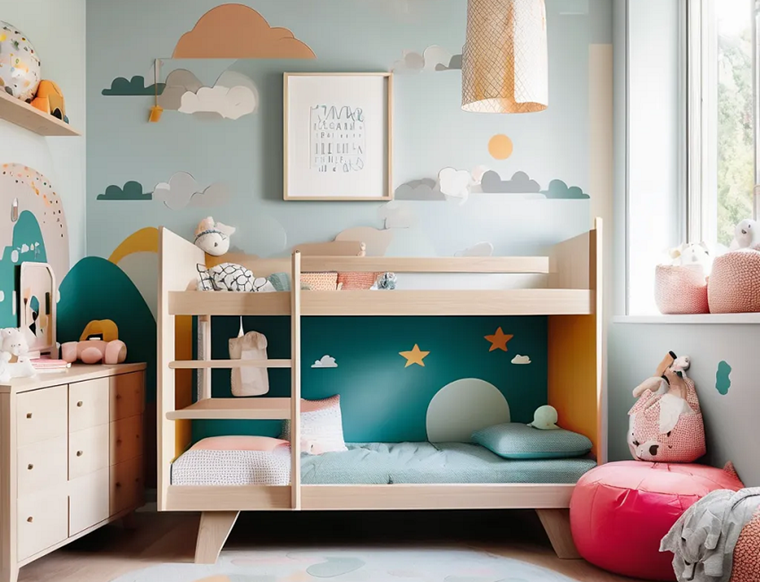
Parallel beds, beds positioned along adjacent walls, or an age-appropriate bunk arrangement may work depending on the room. Consider pathways, ceiling height, window access, storage, and the manufacturer’s safety requirements.
Separate Personal and Shared Storage
Books, games, or art supplies may be stored together, while clothing and personal belongings benefit from clearly assigned spaces.
Support Different Routines
If children have different bedtimes or study schedules, provide individual reading or desk lights. Arrange the room so that one child can complete a quiet activity with as little disruption as possible.
Common Baby and Kids’ Room Design Mistakes
Overusing a Theme
Strong themes can be enjoyable, but interests may change quickly. Introduce the theme through bedding, posters, toys, and artwork instead of permanent finishes or expensive matching furniture.
Adding Too Much Furniture
Children often benefit more from open floor space than from extra tables, cabinets, or decorative seating. Start with the essentials and add new pieces only when they serve a clear purpose.
Underestimating Storage Needs
An attractive bedroom becomes difficult to maintain when clothes, toys, books, and school supplies have nowhere practical to go.
Choosing Furniture Only for Appearance
Furniture that looks attractive online may still be uncomfortable, unstable, poorly sized, or difficult for the child to use. Check its dimensions, function, construction, and intended age range before purchasing.
Using Too Many Competing Colors
Several intense colors and patterns can compete for attention. A quieter background with a smaller number of stronger accents is usually easier to coordinate and update.
Ignoring Future Changes
A layout designed only for current needs may become impractical quickly. Consider where a larger bed, desk, additional clothing storage, or hobby equipment could fit later.
Frequently Asked Questions
What colors work well in a baby’s room?
There is no required nursery color. Warm neutrals and muted shades are flexible because they coordinate easily with furniture and accessories. Stronger colors can be added through artwork, textiles, and other replaceable details.
Does a child’s bedroom need a theme?
No. A theme can provide personality, but it is easier to update when expressed through removable items rather than permanent finishes or highly specialized furniture.
How can a small kids’ room feel more spacious?
Use appropriately sized furniture, maintain clear pathways, reduce unnecessary pieces, control visual clutter, and preserve an open section of floor. Coordinated colors and layered lighting can also make the bedroom feel calmer.
What furniture is essential?
The answer depends on age, but the main pieces usually include an appropriate bed, clothing storage, and accessible storage for books or toys. A suitable desk and chair become important when the child begins regular schoolwork.
How can the room stay organized?
Use simple storage categories and keep frequently used belongings accessible. Combining open shelving with closed cabinets can provide convenience while controlling visual clutter.
How can I create a gender-neutral design?
Choose colors, materials, and decorative subjects according to the child’s personality and interests rather than traditional gender associations. Nature, animals, landscapes, geometric patterns, creative themes, and a wide variety of colors can all work effectively.
How can I update the bedroom affordably?
Change the bedding, curtains, artwork, rug, storage baskets, and small accessories while retaining adaptable furniture and major surfaces. A few coordinated updates can significantly change the room’s appearance.
Final Thoughts
Successful baby and kids’ room ideas begin with the way the space needs to function. Safe furniture placement, comfortable sleep, clear pathways, practical storage, and suitable lighting should come before decorative details.
Once this foundation is established, color, artwork, books, toys, and textiles can provide warmth and individuality. The most successful children’s bedrooms are comfortable now and flexible enough to adapt as everyday routines and interests change.