Smart Lighting for Small Apartments
With a few carefully placed lights, dimming, and simple automation, you can make one room support working, relaxing, dining, watching TV, or sleeping without physically changing the layout.The key is not to install as many smart devices as possible. In a compact home, a small number of well-chosen lights usually creates a better result than a complicated system with too many bulbs, apps, and cables.
Why Smart Lighting Works Well in Small Apartments
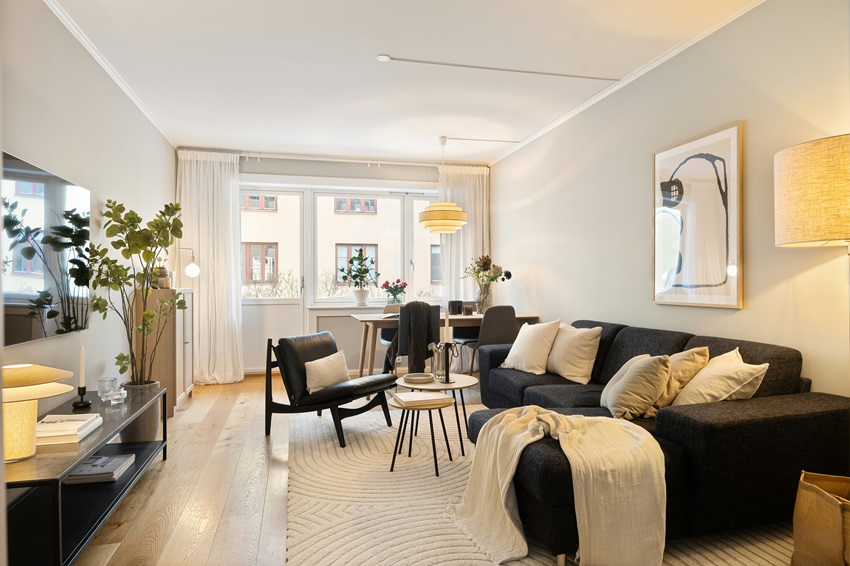
Small apartments often use the same area for several different activities. A living room may also function as a dining space, office, reading area, and entertainment zone.
Lighting can help separate these functions visually without adding walls or furniture.
Smart lighting can be especially useful because it allows you to:
- adjust brightness without installing additional fixtures
- change the atmosphere of a room throughout the day
- control several lights together
- create reusable scenes for work, relaxation, and entertainment
- automate simple routines
In a small home, these changes can make the space feel more flexible and organized.
Core Principles of Minimalist Smart Lighting
Because every fixture is more noticeable in a compact room, smart lighting works best when the system remains visually simple.
Use Fewer Fixtures More Effectively
Instead of filling the apartment with many lamps, choose a small number that serve clear purposes.
For example:
- one main ceiling light
- one task light near a desk or kitchen counter
- one indirect accent light
Hide Technology Where Possible
LED strips, compact smart bulbs, switches, and cable channels can provide useful lighting without becoming decorative clutter themselves.
Prioritize Dimming
Brightness control is often more useful than dozens of colors. A single dimmable warm-white light can serve several functions throughout the day.
How to Create Lighting Zones in a Small Space
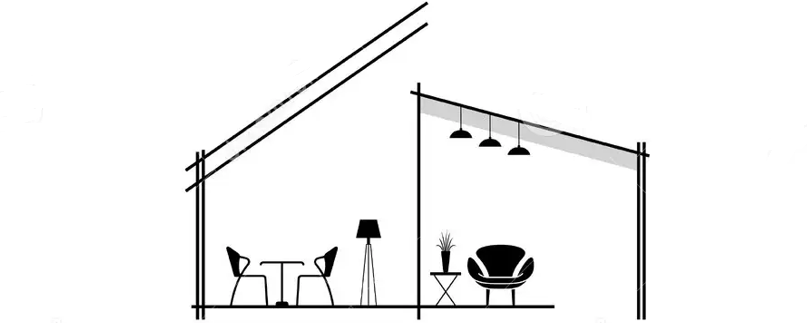
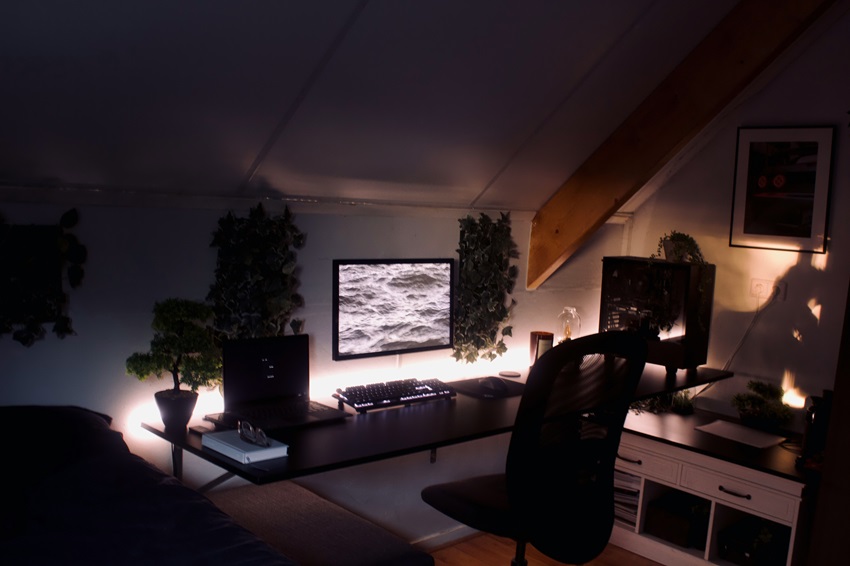
Even a studio apartment can benefit from separate lighting zones.
The goal is not to create physical divisions, but to give each activity the type of light it needs.
Living and TV Zone
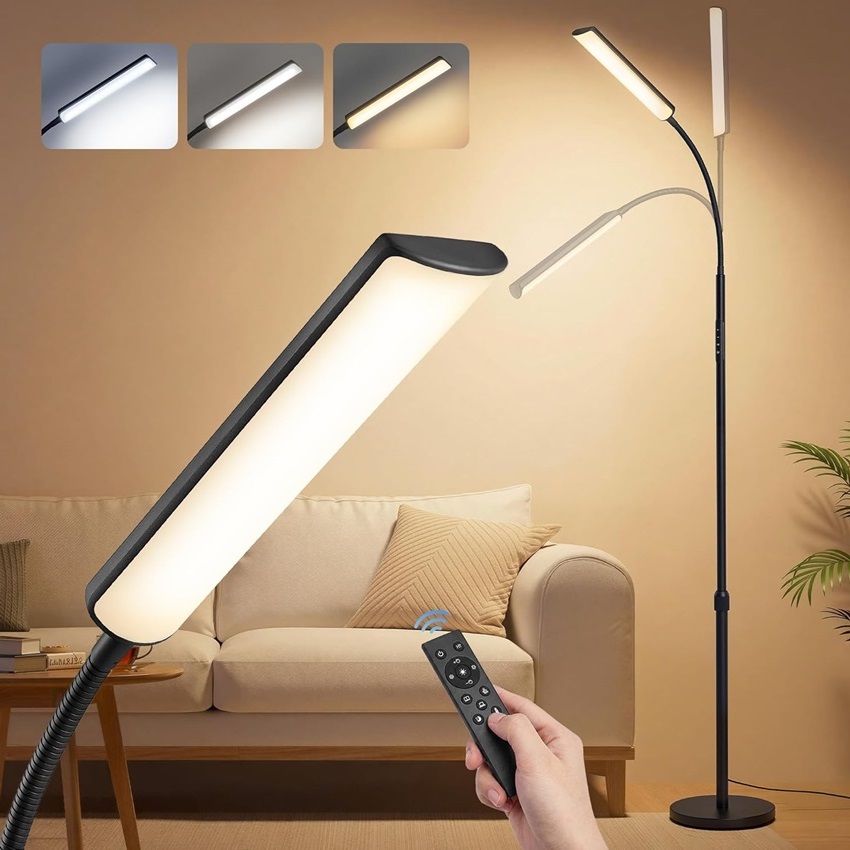
Use softer indirect lighting in the evening. A floor lamp, wall light, or LED strip behind furniture can create comfortable ambient light without dominating the room.
Work Zone
A desk or work surface benefits from focused task lighting with enough brightness to read and work comfortably.
Kitchen and Dining Zone
Food preparation areas need good task lighting, while the dining area can use warmer and softer illumination.
Sleeping Area
Use dimmable warm light near the bed rather than relying only on the main ceiling fixture.
Simple Smart Lighting Setups
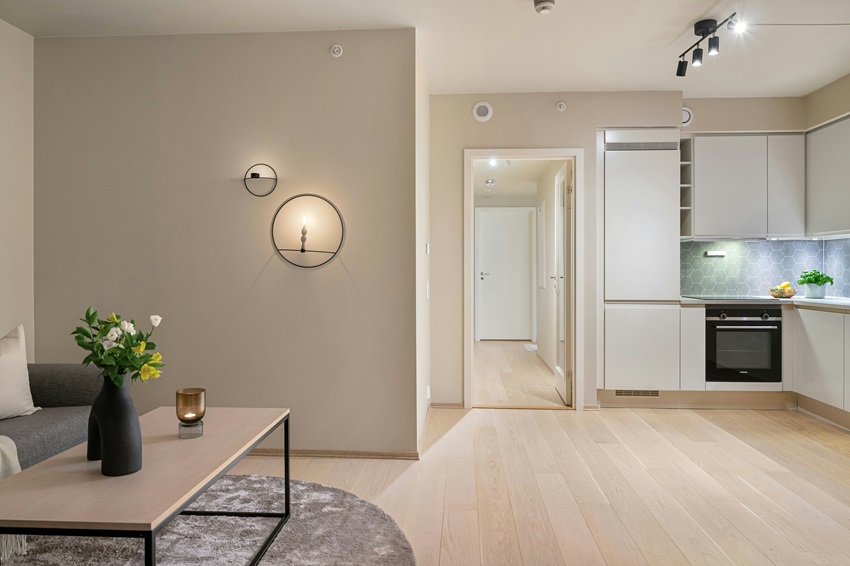
1. One Smart Bulb and One LED Strip
This is a simple starting point for a studio or small one-bedroom apartment.
- A smart bulb provides general lighting.
- An LED strip provides softer accent lighting.
The strip can be placed behind a television, headboard, shelf, or other furniture where the light source itself remains mostly hidden.
2. Smart Plugs for Existing Lamps
If your lamps already look good and use conventional bulbs, a smart plug can add basic automation without replacing the fixture.
Smart plugs work especially well when the lamp normally operates with a simple physical on/off switch.
3. Smart Switches
Where electrical installation permits, a smart wall switch can be more convenient than individual smart bulbs because the light can still be controlled in the familiar way from the wall.
Electrical work should follow local requirements and should be carried out appropriately for the installation.
Choosing the Right Color Temperature
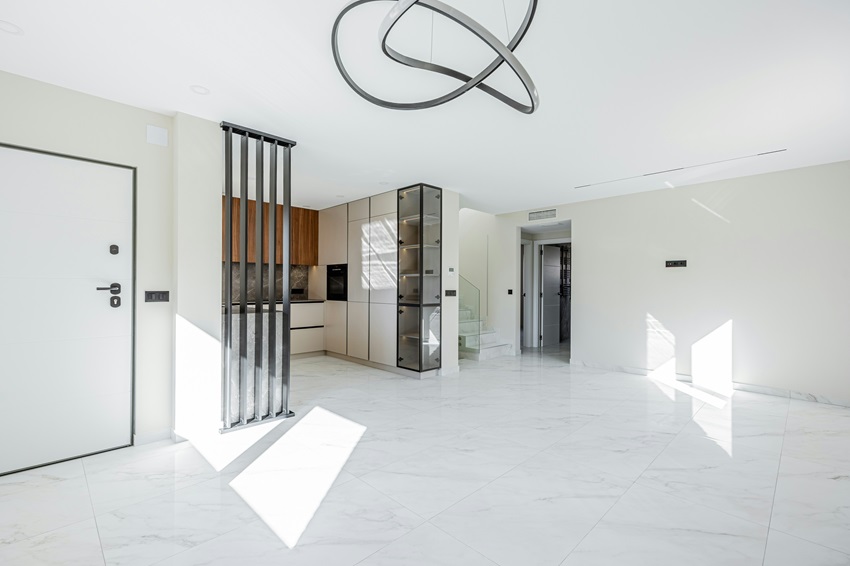
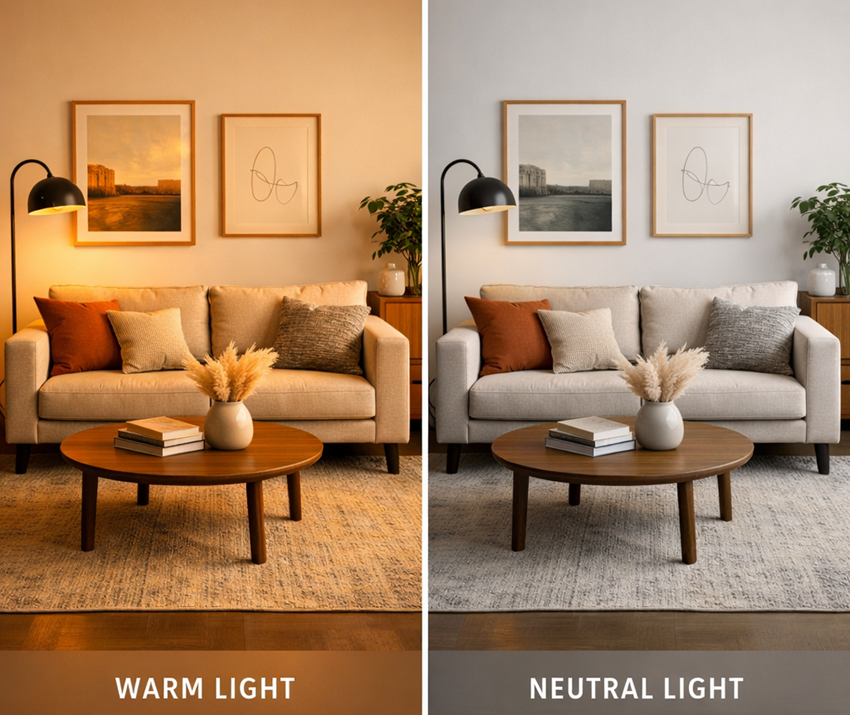
Color temperature has a noticeable effect on how a small room feels.
- 2700K–3000K: warm white, comfortable for living rooms and bedrooms.
- 3000K–3500K: a balanced warm-neutral range suitable for many multipurpose spaces.
- 3500K–4000K: more neutral light that can work well in kitchens and work areas.
Very cool white light can feel harsh in a small relaxing space, especially at night.
If you use tunable-white smart bulbs, you can use brighter neutral light during the day and warmer light in the evening.
Useful Smart Lighting Scenes
Lighting scenes allow several lights to change together instead of adjusting each one manually.
Morning
Brighter general lighting can make the room more practical when getting ready for the day.
Work
Increase task lighting around the desk or kitchen work area while keeping unnecessary lights lower.
Evening
Reduce overall brightness and use warmer light to create a calmer atmosphere.
Movie
Dim or switch off direct overhead lights and keep only subtle indirect lighting where useful.
All Off
A simple scene that switches off all nonessential lights can be one of the most useful automations in the home.
Smart Lighting for Renters
Renters often need solutions that can be installed without permanent electrical changes.
Good options include:
- smart bulbs
- smart plugs
- removable LED strips
- wireless buttons or remotes
- portable smart lamps
These devices can usually move with you when you leave the apartment.
Be Careful With Adhesive Strips
Some LED-strip adhesives can damage paint or leave residue, especially after long installation periods.
Where possible, use removable mounting methods suitable for the wall or furniture surface.
Wi-Fi, Hubs, Matter and Smart Lighting Control
Smart lights can connect in several different ways, and the best option depends on how large the system will become.
Wi-Fi Devices
Wi-Fi bulbs and plugs can be convenient for a very small setup because they often connect directly to your router without an additional hub.
However, adding many individual Wi-Fi smart devices can increase the number of devices connected to the home network.
Hub-Based Systems
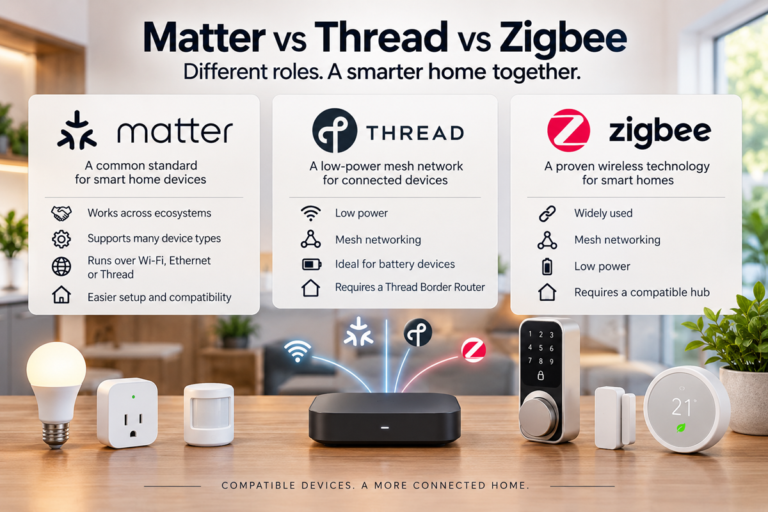
Some smart lighting systems use a dedicated hub or bridge. This adds another device to the home, but it can simplify communication between many lights and provide reliable local control.
Matter-Compatible Devices
Matter is designed to improve interoperability between supported smart-home platforms and devices.
Compatibility still depends on the specific device, controller, and features you want to use, so check product specifications before buying.
Keep Physical Controls
A smart home should not require opening a phone app every time you want to turn on a lamp.
Wall switches, wireless buttons, or familiar lamp controls can make the system much easier to use every day.
Common Smart Lighting Mistakes in Small Apartments
- Buying too many devices at once:
start with one or two useful zones and expand only when necessary. If reducing unnecessary household spending is a priority, see our practical ways to save money for more ideas on comparing purchases, reviewing bills, and controlling recurring expenses. - Using RGB lighting everywhere:
colored light works best as an accent rather than the main source of illumination. - Ignoring task lighting:
atmosphere is important, but kitchens and workspaces still need practical brightness. - Mixing incompatible ecosystems:
check compatibility before buying several brands. - Relying only on an app:
provide simple physical controls for everyday use. - Leaving cables visible:
poorly managed wires can undermine the clean look you are trying to create. - Making every bulb smart:
some ordinary lights may not need automation at all.
Final Thoughts
Smart lighting can work especially well in a small apartment because one lighting system can help the same room support several different activities.
Start with the areas where adjustable light provides a clear benefit. A main dimmable light, one task light, and one indirect accent source may be enough for many compact homes.
Keep the system simple, choose compatible devices, retain convenient physical controls, and use automation only where it genuinely makes everyday life easier.