How to Organize a Small Kitchen for Maximum Storage
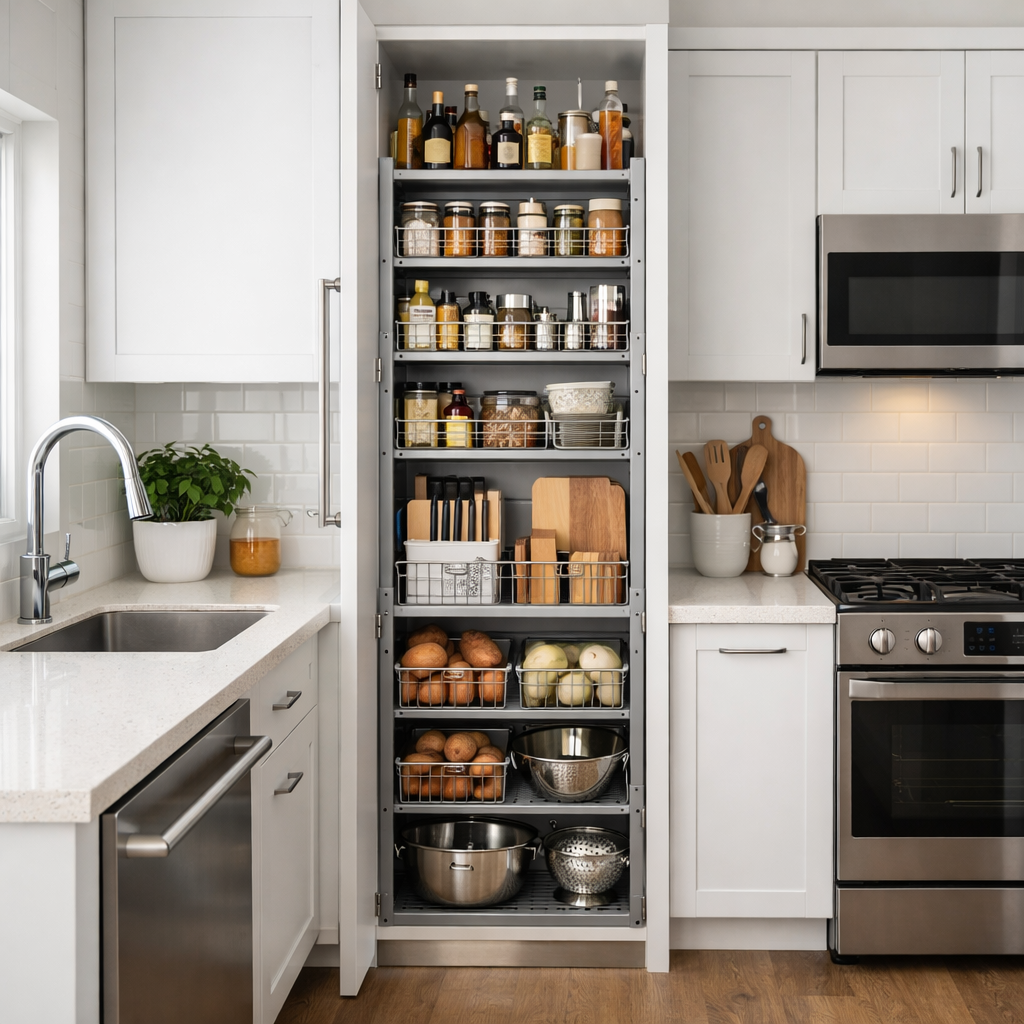
Table of Contents
Why Small Kitchens Feel Cluttered
Small kitchens don’t become overwhelming because of their size alone — they feel cramped when storage is not planned. Too many items on the counter, poorly used cabinets, and random placement of tools make cooking stressful and time‑consuming.
If you’re working with a compact layout, you may also like our article on small modern kitchens, where design and function work together.
The good news: with a few smart strategies, even the tiniest kitchen can feel organized, efficient, and visually calm.
Step 1: Create Functional Zones
Instead of storing items randomly, divide your kitchen into clear zones. This makes it easier to find what you need and reduces unnecessary movement while cooking.
- Prep zone: cutting boards, knives, mixing bowls, frequently used utensils
- Cooking zone: pots, pans, spatulas, oils, spices
- Cleaning zone: sink, dish soap, sponges, trash bags
- Storage zone: food containers, foil, wraps, pantry items
Try to store items as close as possible to where you use them. For example, keep pots and pans near the stove and cutting boards near the main prep surface.
For more ideas on planning a functional layout, explore our article on modern style kitchen design.
Step 2: Use Vertical Space Wisely
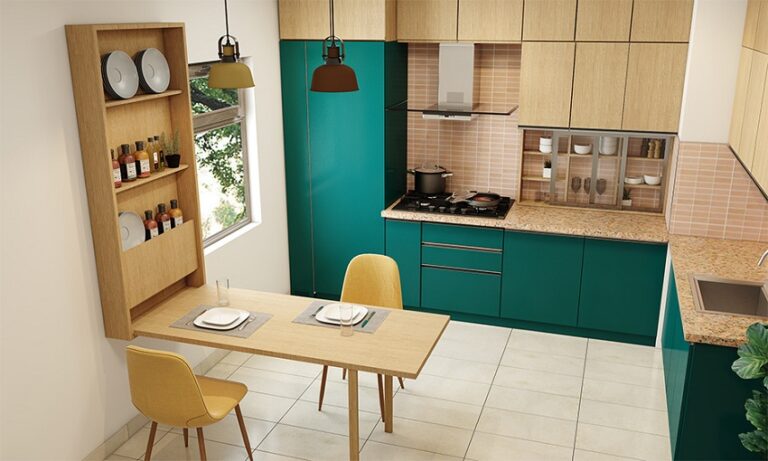
In a small kitchen, walls are your best friends. Vertical storage helps you free up counters and cabinets while keeping essentials within reach.
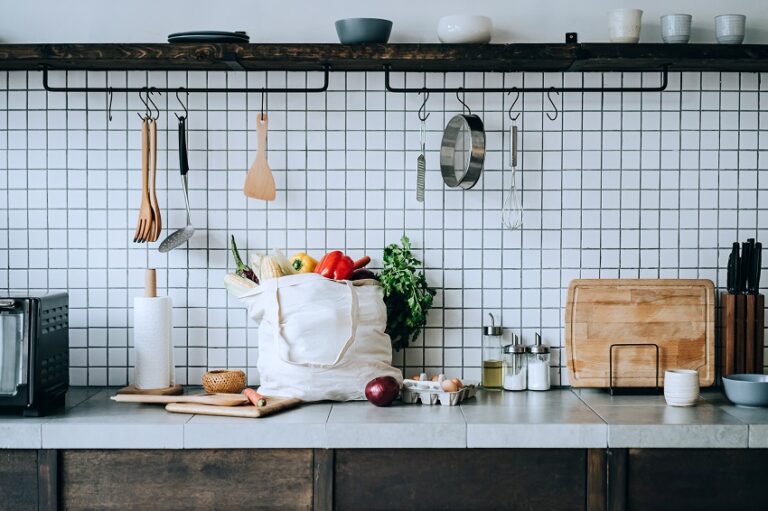
- Install open shelves for everyday dishes or jars
- Use hooks or rails for mugs, utensils, or small pots
- Add a magnetic strip for knives instead of a bulky block
- Use the sides of cabinets for hanging storage
Open shelves can also visually lighten the space, especially when combined with a thoughtful color palette. For inspiration, check out top kitchen color ideas.
Step 3: Maximize Inside Cabinets and Drawers
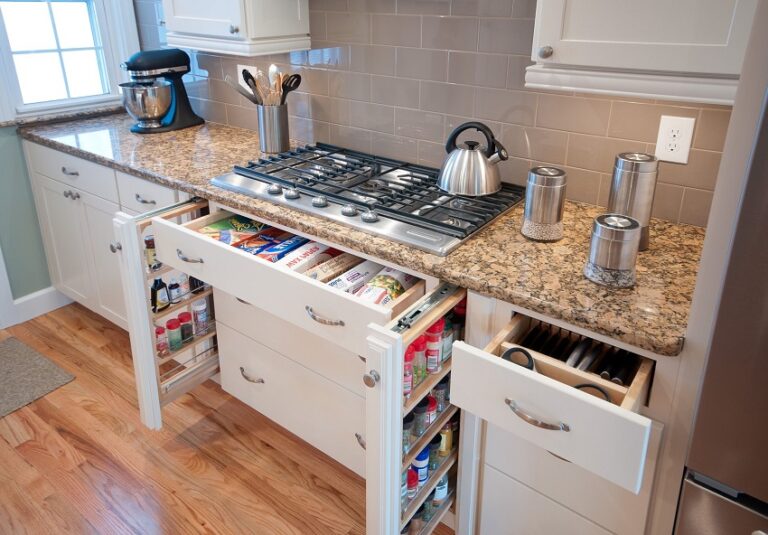
Most small kitchens waste a lot of hidden space inside cabinets and drawers. The goal is to use every centimeter without turning storage into chaos.
- Use shelf risers to create extra levels for plates and cups
- Add pull‑out baskets or organizers for deep cabinets
- Use drawer dividers for cutlery, tools, and spices
- Hang organizers on the inside of cabinet doors for lids, wraps, or cleaning supplies
Think of your cabinets as vertical boxes, not just flat shelves. The more layers you create, the more you can store neatly.
For more practical upgrade ideas, explore the choices available for kitchen upgrading.
Step 4: Keep Countertops as Clear as Possible
Cluttered countertops instantly make a small kitchen feel cramped. Aim to keep only the essentials on display and store everything else.
- Limit visible appliances to those you use daily
- Use trays or baskets to group items (oils, spices, utensils)
- Store rarely used gadgets in cabinets or a separate storage area
- Clear the sink and counter every evening as a non‑negotiable habit
For more ideas on what to refresh regularly, read our article on 10 things in the kitchen that we update regularly.
Step 5: Be Strategic with Appliances
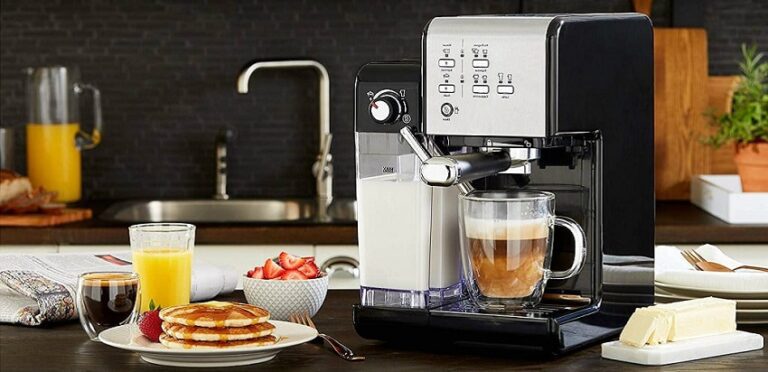
Appliances can easily overwhelm a small kitchen if there are too many of them or if they’re too large. Be honest about what you actually use.
- Keep only the appliances you use at least weekly
- Choose multi‑functional devices (e.g., blender + food processor)
- Store seasonal or rarely used appliances outside the main kitchen area
- Measure carefully before buying anything new
Taking care of the appliances you already have is just as important. Learn how in our guide on how to properly care for your refrigerator at home and how to remove odor from a refrigerator.
Step 6: Build Daily Habits That Maintain Order
Even the best organization system won’t work if daily habits don’t support it. The key to a tidy small kitchen is consistency, not perfection.
- Do a quick 5‑minute reset after dinner
- Put everything back in its place immediately after use
- Wash or load dishes right away instead of “later”
- Declutter one drawer or shelf each week
If you want a broader structure for your whole home, explore our daily cleaning routine for a tidy home and 5 steps to effective housekeeping.
Final Thoughts
Organizing a small kitchen for maximum storage is not about buying more containers — it’s about using space intelligently, keeping only what you truly need, and building simple habits that support order.
With thoughtful zoning, vertical storage, smart cabinet organization, and clear countertops, even the smallest kitchen can feel spacious, functional, and enjoyable to cook in.
For more inspiration on style and function, don’t miss our articles on small modern kitchens and kitchen design trends.