Weekly Cleaning Schedule for Busy Families
Instead of cleaning the entire home on one day, the plan assigns one main area or type of task to each day.
The schedule is flexible.
You can change the days, reduce the task list, or divide work among household members.
The aim is to keep essential areas functional without expecting the home to look perfect at all times.
Begin with the daily minimum.
Complete the longer weekly task only when time and energy allow.
A missed day does not need to turn into a large catch-up session.

How the Weekly Cleaning Schedule Works
This plan uses three levels of household care:
- Daily reset: a short routine covering immediate mess and essential hygiene.
- Weekly focus: one main room or task category each day.
- Periodic cleaning: jobs that are completed monthly or seasonally.
This structure prevents occasional tasks from being added to every weekly checklist.
Windows, oven interiors, high shelves, and similar areas do not normally need attention every seven days.
The exact frequency depends on:
- the number of people in the home
- children and pets
- allergies or health requirements
- flooring and furniture materials
- how each room is used
- the household’s available time
Use the schedule as a starting point.
Remove jobs that are unnecessary and increase the frequency of tasks important in your home.
For a broader system covering routines, supplies, and maintenance, read our
five steps to effective housekeeping.
The Daily Cleaning Reset
A short daily reset keeps essential areas usable between deeper cleaning sessions.
It should be simple enough to complete on most days.
Morning Reset
- Make or straighten the beds.
- Place dirty clothes in a hamper.
- Put breakfast dishes in the dishwasher or washing area.
- Wipe obvious spills from the kitchen counter.
- Open curtains or blinds and ventilate when appropriate.
Evening Reset
- Wash or load the day’s dishes.
- Wipe the kitchen preparation area.
- Return frequently used items to their storage places.
- Collect obvious trash and recycling.
- Prepare anything needed for the next morning.
Do not turn the reset into a complete cleaning session.
Focus on the few actions that make the next part of the day easier.
Use a Short Timer
A ten- or fifteen-minute timer can keep the routine contained.
When the timer ends, finish only the task already in progress.
If several family members participate, assign each person one area.
A short group reset can accomplish more than one person working alone.
Weekly Cleaning Schedule at a Glance
| Day | Main Focus | Core Tasks |
|---|---|---|
| Monday | Kitchen | Sink, counters, appliance fronts, fridge check |
| Tuesday | Bathrooms | Sink, toilet, shower or tub, mirrors, towels |
| Wednesday | Bedrooms | Bedding, dust, clothing, floors |
| Thursday | Living areas | Dusting, surfaces, upholstery, clutter |
| Friday | Floors and entrance | Vacuuming, sweeping, mopping, entrance reset |
| Saturday | Laundry and catch-up | Remaining laundry and one unfinished priority |
| Sunday | Light reset and planning | Quick tidy, supplies, meals, school or work preparation |
The days are not mandatory.
Move bathroom cleaning or laundry to whichever day fits your work and family commitments.
Monday: Kitchen Cleaning
Begin the week by restoring the main food preparation areas.
Concentrate on surfaces that are touched or used frequently.
Core Kitchen Tasks
- Clear and wipe the countertops.
- Clean the sink and faucet.
- Wipe the dining table.
- Clean obvious spills from appliance fronts.
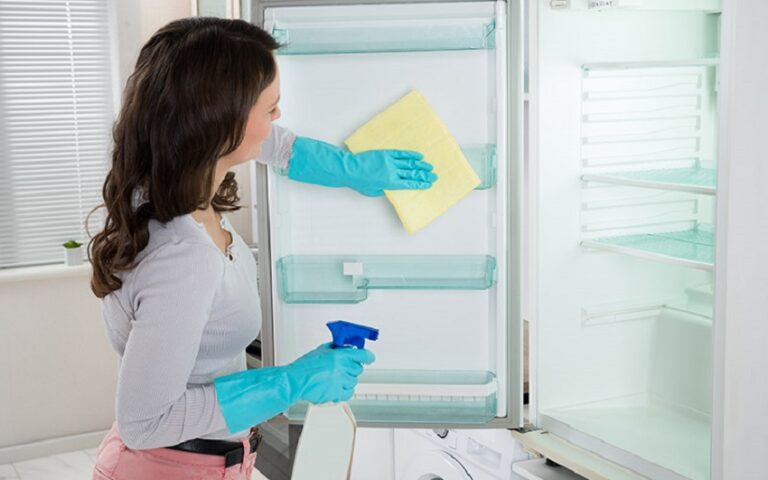
- Check the refrigerator for expired or spoiled food.
- Empty trash or recycling when needed.
- Sweep or vacuum visible crumbs.
Optional Kitchen Task
Choose one optional job only if time allows:
- wipe one refrigerator shelf
- clean the microwave interior
- organize one drawer
- wipe cabinet handles
- check frequently used pantry items
Avoid emptying every cupboard at once.
One small area is easier to complete and restore.
Tuesday: Bathroom Cleaning
Bathroom frequency depends on the number of users.
A busy shared bathroom may need more frequent attention than a guest bathroom.
Core Bathroom Tasks
- Remove items from the sink area.
- Clean the sink and faucet.
- Clean the toilet according to the product instructions.
- Wipe the mirror.
- Clean the tub or shower where buildup is visible.
- Replace used towels as needed.
- Empty the waste bin.
- Vacuum or sweep the floor.
- Mop if the surface requires it.
Prevent Moisture Problems
Use ventilation during and after bathing when possible.
Spread towels so they can dry.
Do not leave wet textiles on the floor.
Persistent mold, leaks, or damaged sealant may need repair rather than repeated surface cleaning.
Address the moisture source instead of covering it with stronger products.
Wednesday: Bedrooms
Bedroom cleaning should support comfort and reduce clutter around the bed.
The room does not need to be completely reorganized every week.
Core Bedroom Tasks
- Change bedding according to household needs.
- Put dirty clothes in the hamper.
- Return clean clothing to storage.
- Clear the nightstands.
- Dust accessible surfaces.
- Vacuum or sweep the floor.
- Remove glasses, dishes, and trash.
One Small Organization Task
Choose one limited area:
- one bedside drawer
- one wardrobe shelf
- the top of a dresser
- a small group of clothes
Do not begin a complete wardrobe project during a short weekly cleaning session.
Schedule larger organization separately.
Thursday: Living and Shared Areas
Shared rooms collect toys, papers, cups, chargers, blankets, and other items.
Return those objects before cleaning surfaces.
Core Living-Area Tasks
- Collect items that belong in other rooms.
- Clear the main tables and seating area.
- Dust accessible surfaces.
- Wipe frequently touched controls when appropriate.
- Straighten cushions and fold blankets.
- Vacuum visible debris from upholstery.
- Vacuum or sweep the floor if needed.
Use a Return Basket
Place misplaced objects in one basket while cleaning.
Return the contents at the end of the session.
The basket should not become permanent storage.
Empty it before beginning another room.
Our
quick-cleaning tools and gadgets guide
explains which products may simplify recurring jobs.
Friday: Floors and Entrance
Friday’s main task covers floors and the area where people enter the home.
The required method depends on the surface.
Core Floor Tasks
- Pick up objects that prevent cleaning.
- Vacuum carpets and rugs where needed.
- Sweep or vacuum hard floors.
- Mop suitable surfaces using the correct product.
- Clean visible spills and sticky marks.
- Return furniture only after the floor is ready.
Do not saturate wood, laminate, or other moisture-sensitive flooring.
Follow the flooring manufacturer’s care instructions.
Entrance Reset
- Put away shoes and coats.
- Shake or vacuum the entrance mat.
- Remove unwanted mail and packaging.
- Return keys and bags to their assigned places.
- Make sure the main route remains clear.
An organized entrance reduces the amount of dirt and clutter carried into other rooms.
Saturday: Laundry and Catch-Up
Laundry does not have to wait until Saturday.
Households with children may need smaller loads throughout the week.
Use this day for remaining loads and unfinished priority tasks.
Laundry Tasks
- Sort items according to their care labels.
- Treat stains before washing.
- Wash and dry suitable loads.
- Fold or hang items soon after drying.
- Return clothes to the correct rooms.
- Leave the washer area clean and dry as recommended.
Do not combine products or add cleaning chemicals to a washing machine unless its instructions permit them.
Follow garment and appliance guidance.
Choose One Catch-Up Priority
If a weekday task was missed, choose the most important one.
Do not attempt to repeat the entire schedule.
A catch-up priority might be:
- cleaning the main bathroom
- changing bedding
- vacuuming a busy room
- restoring the kitchen
- putting away accumulated laundry
Stop after that priority if the household needs rest or family time.
Sunday: Light Reset and Weekly Planning
Sunday is intended as a light preparation day rather than another major cleaning session.
Tasks
- Complete a short household reset.
- Check that essential cleaning products are available.
- Review the coming week’s appointments.
- Plan several meals or shopping priorities.
- Prepare school or work items.
- Clear the kitchen and dining area before bedtime.
If Sunday is a busy family day, move this routine to Friday evening or Monday morning.
The schedule should support family life rather than control it.
Monthly and Seasonal Cleaning Tasks
Some jobs do not belong on a weekly schedule.
Assign one or two periodic tasks each month rather than completing them all together.
Possible Monthly Tasks
- clean one section of the refrigerator
- wipe doors and frequently touched handles
- dust accessible vents and high surfaces
- vacuum beneath movable furniture
- clean household bins
- review one pantry or storage area
- wash reusable cleaning cloths and tools
Possible Seasonal Tasks
- wash windows when needed
- clean behind large movable appliances where safe
- review clothing and household textiles
- clean outdoor furniture
- inspect areas for moisture or pests
- replace or clean filters according to equipment instructions
- donate usable items no longer needed
Maintenance instructions take priority over a generic schedule.
Some filters, appliances, and surfaces require different intervals.
How to Involve the Whole Family
A family cleaning schedule works better when responsibilities are visible and appropriate.
“Help clean the house” is vague.
A specific task is easier to understand and complete.
Assign Tasks by Ability
Possible child or beginner tasks include:
- putting toys in a container
- placing dirty clothes in a hamper
- returning books to a shelf
- matching clean socks
- wiping a safe surface with an appropriate cloth
Older children or teenagers may be able to:
- vacuum an open floor area
- change their bedding
- empty household bins
- load or unload the dishwasher
- fold and store their laundry
- clean a bathroom with safe instructions and supervision
Adults remain responsible for hazardous products, heavy equipment, difficult lifting, and tasks requiring judgment or repairs.
Use Ownership Instead of Constant Reminders
Assign each person a recurring responsibility.
For example, one person may manage the dishwasher while another resets the entrance.
Rotate unpopular tasks when possible.
A visible checklist can reduce repeated verbal reminders.
For practical ways to encourage participation, read
how to motivate family members to help with chores.
Minimum Cleaning Schedule for an Especially Busy Week
Some weeks do not allow the full plan.
Use a minimum schedule that protects food preparation, hygiene, clothing, and safe circulation.
Five Essential Priorities
- Wash or load necessary dishes.
- Keep the main kitchen preparation surface usable.
- Clean the most frequently used toilet and sink.
- Maintain essential laundry.
- Remove trash and keep walking routes clear.
Everything else can wait.
Dust, decorative organization, windows, and low-priority rooms do not need to become emergencies.
The One-Room Recovery Method
When the home feels overwhelming, choose the room that affects daily life most.
For many households, this is the kitchen.
Complete these steps:
- Remove trash.
- Collect dishes.
- Return misplaced items.
- Clear one useful surface.
- Clean that surface and the floor only if needed.
A functional room is a successful result.
Do not expand the task automatically after finishing.
Cleaning Product Safety
Routine cleaning and disinfection are not identical.
Cleaning removes dirt and many germs from surfaces.
Disinfectants are intended to kill specified germs when used according to their labels.
According to the
CDC guidance on household cleaning and disinfection
,
cleaning with soap and water is sufficient in many ordinary situations.
Disinfection becomes more relevant when someone is sick or at increased risk.
Basic Safety Rules
- Read the product label before every use.
- Use the recommended amount and contact time.
- Provide ventilation when the label requires it.
- Wear protective equipment specified by the manufacturer.
- Store products in their original labeled containers.
- Keep products away from children and pets.
- Do not use a chemical on an incompatible surface.
- Wash reusable cloths and tools appropriately.
Never Mix Cleaning Products
Do not mix bleach with ammonia, acids, vinegar, or other cleaning products.
Dangerous gases and chemical reactions can result.
Do not transfer products into drink bottles or unmarked containers.
This creates a serious poisoning risk.
If a chemical exposure occurs, move away from the source and follow local emergency or poison-control guidance.
Do not invent a neutralizing mixture.
Frequently Asked Questions
How many hours a week should a family spend cleaning?
There is no correct number.
Time depends on home size, household members, pets, health needs, and the desired standard.
A consistent short routine may be more manageable than one long session.
Does every room need to be cleaned every week?
No.
Frequently used kitchens, bathrooms, bedrooms, and living areas usually need more attention.
Guest rooms and low-use spaces may need less frequent cleaning.
What should be cleaned every day?
Focus on dishes, food preparation surfaces, visible spills, necessary trash, and immediate clutter that blocks daily activities.
Other tasks depend on household needs.
What is the best day for deep cleaning?
There is no universal best day.
Choose a day with enough time and energy.
You can also divide deeper tasks across the week.
What happens if I miss a cleaning day?
Continue with the next priority.
Move only urgent work to the catch-up day.
Do not double every task automatically.
How can working parents keep the house clean?
Use a short daily reset, share recurring responsibilities, and define a minimum acceptable routine.
Reserve nonessential tasks for quieter weeks.
Should children have cleaning chores?
Children can complete age- and ability-appropriate tasks with instruction and supervision.
Adults should manage chemicals, heavy equipment, and hazardous work.
Should I disinfect the entire home every week?
Usually not.
Routine cleaning is sufficient in many situations.
Follow current health guidance when someone is sick or at higher risk.
How can I clean when I feel overwhelmed?
Choose one functional priority.
Remove trash, collect dishes, clear one surface, and stop when that area becomes usable.
Should laundry have one dedicated day?
Only if that suits the household.
Large families may find smaller loads throughout the week easier to wash, dry, fold, and store.
How can I make the schedule easier to follow?
Keep the daily list short, store supplies safely near their areas of use, and assign specific responsibilities.
Review the plan after several weeks and remove tasks that do not help.
Final Thoughts
A realistic weekly cleaning schedule should reduce household pressure rather than create another source of it.
Start with a short daily reset and give each day one main focus.
Share tasks according to age, ability, time, and safety.
Move missed work to a catch-up day only when it remains important.
During especially busy weeks, protect the essentials: dishes, food preparation, bathroom hygiene, laundry, trash, and clear walking routes.
The rest of the schedule can wait.