True 4K Projectors
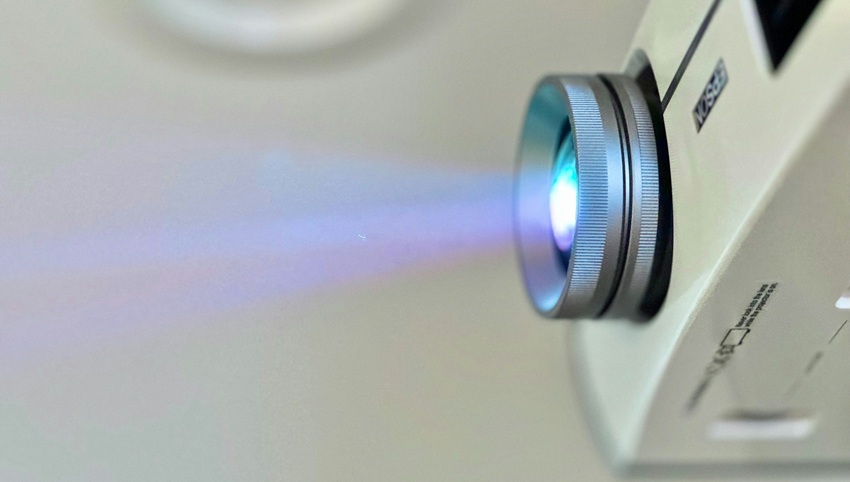
True 4K projectors can transform a home theater, but choosing the right model involves much more than resolution alone.
Brightness, contrast, lens quality, throw distance, HDR processing, input lag, light source, room conditions, and the projection screen all influence the final image.
You will encounter terms such as native 4K, 4K UHD, pixel shifting, and 4K compatible. However, manufacturers do not always use these terms in exactly the same way. Therefore, it is important to understand how a projector creates its image rather than relying only on marketing labels.
This guide explains how true 4K projectors compare with pixel-shifting models and which specifications matter when planning a home theater.
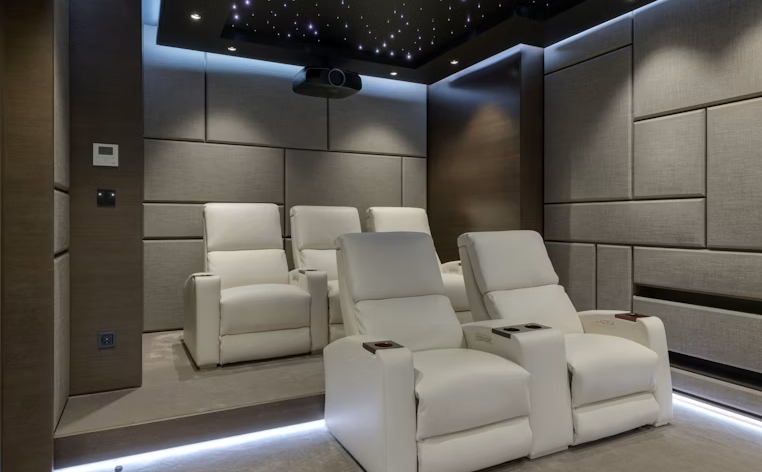
What Does True 4K Mean?
For home theater, 4K UHD generally refers to an image resolution of 3840 × 2160 pixels. This produces approximately 8.3 million addressable pixel positions.
The International Telecommunication Union also identifies 3840 × 2160 as the resolution used for 4K UHD television. You can read more about UHD and HDR formats in the
ITU explanation of UHDTV and HDR.
Some projectors use imaging panels with a native pixel structure capable of displaying the full image without multi-position pixel shifting. By contrast, other models use lower-resolution imaging chips and shift the projected pixels rapidly between several positions.
Both approaches can produce a detailed 4K-class image. Nevertheless, they create that image in different ways.
For this reason, buyers should examine the imaging technology, optics, contrast, processing, and measured performance rather than relying only on the words “4K” or “true 4K.”
True 4K Projectors vs Pixel-Shifting Projectors
A native 4K projector uses an imaging system with enough physical pixels to form a full 4K image without relying on multi-position shifting.
A pixel-shifting projector starts with a lower native panel resolution. It then moves the image by tiny amounts at high speed to display additional pixel positions on the screen.
| Feature | Native 4K | Pixel Shifting |
|---|---|---|
| Imaging panel | Higher native pixel count | Lower-resolution panel with shifted pixel positions |
| Fine detail | Excellent, particularly on large screens or from closer distances | Can also look very sharp, depending on the implementation and lens |
| Price | Often higher | Often more affordable |
| Typical use | Premium dedicated cinema installations | Value-focused and mixed-use home theaters |
The visible difference is not always dramatic from a normal seating distance. For example, a well-designed pixel-shifting projector with good optics, contrast, and processing can produce an extremely detailed image.
Therefore, resolution technology should be considered together with the rest of the projector rather than treated as the only buying criterion.
How Much Projector Brightness Do You Need?
Brightness affects screen size, HDR presentation, and how well the image remains visible in ambient light.
Manufacturers normally express brightness in lumens. However, the advertised maximum figure may not represent the light output available in the projector’s most accurate picture mode.
The appropriate brightness depends on:
- screen size
- screen gain
- room darkness
- wall and ceiling reflections
- HDR use
- light-source age
- preferred image intensity
Dedicated Dark Home Theater
A fully light-controlled room does not necessarily require the highest possible lumen rating.
In fact, strong contrast, good black levels, and accurate color can be more important than maximum brightness in a dark theater.
Living Room With Ambient Light
A multipurpose room usually benefits from more light output because windows, lamps, pale walls, and reflective surfaces reduce perceived contrast.
If daytime viewing is important, consider projector brightness, screen material, and light control together. Simply purchasing the brightest projector does not guarantee the best image.
Larger Screens Need More Light
As screen size increases, the projector’s available light spreads across a larger area. Consequently, a projector that looks bright on a 100-inch screen may appear noticeably dimmer on a much larger screen.
Contrast and Black Levels
Contrast is one of the most important factors in creating a convincing cinematic image.
Good black levels help:
- preserve detail in dark scenes
- make bright highlights appear more dynamic
- give the image a stronger sense of depth
- prevent dark scenes from looking gray or washed out
However, published contrast-ratio specifications can be difficult to compare because manufacturers may use different measurement methods.
A very large advertised dynamic-contrast number does not automatically mean that a projector will produce better black levels in a real room.
Room Conditions Affect Contrast
White walls, pale ceilings, and reflective surfaces can bounce projected light back toward the screen. As a result, effective contrast may be reduced.
For a dedicated home theater, darker finishes near the screen can noticeably improve perceived black levels. In addition, curtains and other non-reflective materials can help control unwanted light.
HDR Performance on True 4K Projectors
HDR can improve highlight detail, color range, and tonal depth. Nevertheless, HDR projection is more challenging than HDR television because projectors have much lower peak brightness.
Good HDR performance depends on:
- tone mapping
- available light output
- native and dynamic contrast
- color gamut
- screen size and gain
- room conditions
Common HDR Formats
Depending on the model, a projector may support:
- HDR10
- HLG
- other HDR formats supported by the projector and source
Wide color-gamut capability can also improve the reproduction of richly graded films when the projector, source, and content support it correctly.
Tone Mapping Matters
A projector cannot reproduce the same peak brightness as a high-end HDR television. Therefore, it must map HDR content into the brightness range it can actually display.
Effective tone mapping attempts to preserve highlight and shadow detail without making the overall image excessively dark.
Consequently, a projector with effective processing can sometimes produce a more convincing HDR image than a brighter model with weaker tone mapping.
Lens Quality, Zoom and Lens Shift
The optical system is just as important as the imaging chip. Even when a projector has excellent resolution, a poor lens can reduce sharpness, uniformity, and clarity.
Lens Shift
Lens shift moves the projected image vertically or horizontally without digitally distorting it.
It is especially useful for:
- ceiling-mounted installations
- rooms where the projector cannot sit exactly in the center
- installations with a fixed projection screen
- cinema systems using multiple screen aspect ratios
The available amount of vertical and horizontal shift varies considerably between models. Therefore, check the manufacturer’s installation diagram before buying.
Optical Zoom
A wider optical zoom range provides more freedom when choosing the projector’s distance from the screen.
However, the maximum available lens shift may change at different zoom positions. Installation planning should account for the complete lens range rather than only one specification.
Keystone Correction
Digital keystone correction can square the image when the projector is not aligned correctly.
Nevertheless, correct physical placement and optical lens shift are generally preferable because strong digital correction can reduce usable resolution and image quality.
Throw Ratio and Room Compatibility
Throw ratio describes the relationship between projector distance and image width.
Before purchasing a projector, confirm that it can produce the desired image size from the available installation position.
| Projector Type | Typical Installation |
|---|---|
| Ultra-short throw | Placed very close to the wall or screen and sometimes used as a television alternative |
| Short throw | Useful when the available projector distance is limited |
| Standard throw | Common in dedicated theaters and ceiling-mounted installations |
Do Not Estimate Throw Distance by Eye
Use the manufacturer’s specifications or installation calculator before installing a ceiling mount or buying a fixed screen.
You can also use the
ProjectorCentral throw-distance calculator
to compare screen size, lens range, and projector distance. However, final installation decisions should still be checked against the manufacturer’s current documentation.
A few centimeters may matter when an installation is close to the limits of the zoom or lens-shift range.
Lamp vs Laser 4K Projectors
The light source influences maintenance, startup time, brightness stability, heat, and long-term operation.
Lamp Projectors
Traditional lamp projectors can still provide excellent image quality and may have a lower initial purchase price.
Potential considerations include:
- brightness gradually declines as the lamp is used
- replacement lamps may eventually be required
- warm-up and cool-down may take longer
- replacement-lamp price and availability should be checked
Laser Projectors
Laser light sources generally provide:
- long operating life
- fast startup and shutdown
- relatively stable brightness over long periods
- lower routine maintenance
However, a laser light source does not automatically guarantee better picture quality. Optics, contrast, processing, calibration, and imaging technology still matter.
In addition, the light source in many laser projectors is not designed as a simple user-replaceable component. Therefore, warranty coverage and expected long-term use should be considered.
Gaming on True 4K Projectors
If the projector will also be used for gaming, input lag becomes an important specification.
Input lag is the delay between an action on the controller and the corresponding change appearing on the screen.
What to Look For
Lower input lag is generally better, especially for competitive and fast-paced games.
A dedicated Game mode can reduce image processing and improve responsiveness. However, it may also change some picture settings.
Check:
- supported input resolution
- maximum refresh rate
- input lag at each required resolution
- HDMI bandwidth
- HDR availability in Game mode
- whether high-refresh-rate modes reduce image resolution
A projector may support a high refresh rate at one resolution but not another. Therefore, check the exact input combinations rather than assuming that every HDMI mode provides the same capabilities.
If you plan to connect a living-room PC, our
Home Theater PC setup guide
explains hardware, video, audio, and control considerations.
Fan Noise and Cooling
Projectors generate heat, so some cooling noise is unavoidable.
In a dedicated theater, fan noise may become noticeable during quiet scenes, especially when the projector is installed directly above the seating area.
Check Noise in the Picture Mode You Will Use
A projector may be quiet in an economical light mode but noticeably louder in its brightest mode.
Therefore, compare noise levels in the picture and light-source modes you expect to use most often.
Allow Proper Ventilation
Do not block the ventilation openings. In addition, leave the clearances specified by the manufacturer around the projector.
Correct airflow helps the cooling system operate as designed and may reduce overheating, unexpected shutdowns, and unnecessary fan speed.
Projector Connectivity and Audio
Modern projectors may include HDMI, eARC, wireless networking, Bluetooth, USB media playback, and integrated streaming platforms.
However, not every home theater needs smart features inside the projector itself.
HDMI Inputs
Check whether the HDMI inputs support the resolution, refresh rate, color format, and HDR features required by your sources.
For gaming and high-frame-rate content, supported bandwidth and input modes may matter more than the version number used in marketing material.
ARC and eARC
Some projectors support ARC or eARC, allowing compatible audio to be returned to a soundbar or AV receiver over HDMI.
The official
HDMI.org eARC overview
explains the purpose and capabilities of Enhanced Audio Return Channel.
Built-In Streaming Apps
Integrated streaming apps can be convenient. Nevertheless, an external streaming device may provide broader application support, easier replacement, or longer software support.
Before relying on an integrated platform, check whether it supports the required services, resolution, HDR formats, and audio output.
Built-In Speakers
Projector speakers can be useful for casual viewing. However, a dedicated home theater normally benefits from a separate sound system.
For audio planning, see our guide to
5.1 surround sound systems.
Choosing the Right Projection Screen
The screen is part of the imaging system rather than simply a surface for the picture.
Screen size, gain, viewing angle, room light, projector brightness, and projector type all interact.
Matte White Screens
A neutral matte white screen is a common choice for light-controlled home theaters because it generally provides broad viewing angles and relatively neutral color reproduction.
Ambient-Light-Rejecting Screens
Ambient-light-rejecting screens are designed to reduce the effect of light arriving from particular directions.
They can help in some multipurpose rooms. However, the correct material depends on the projector position, room lighting, viewing angle, and screen design.
Ultra-Short-Throw Screens
Ultra-short-throw projectors are often paired with specially designed screens that reject light arriving from above while accepting light from the projector below.
Therefore, a screen intended for a standard-throw projector may not provide the same result with an ultra-short-throw system.
How Large Should the Screen Be?
There is no single ideal screen size for every room.
The most appropriate size depends on:
- viewing distance
- projector brightness
- screen gain
- room dimensions
- content type
- personal preference
A slightly smaller but brighter and more comfortable image is often preferable to the largest screen that physically fits.
How to Plan a True 4K Projector Installation
Projector, screen, room, sound system, and seating should ideally be planned together.
- Measure the room. Record the available wall width, ceiling height, projector distance, and seating positions.
- Choose a realistic screen size. Consider viewing distance, brightness, and personal comfort.
- Check the throw range. Confirm that the projector can create the selected image size from the available position.
- Check lens shift. Make sure the image can be aligned without excessive digital correction.
- Plan the cables. Consider HDMI length, electrical power, source equipment, and audio connections.
- Allow ventilation. Follow the manufacturer’s clearance requirements.
- Control ambient light. Use curtains, blinds, or darker surfaces where practical.
- Test before permanent installation. Confirm image size, noise, alignment, brightness, and connectivity before fixing mounts and cables permanently.
If possible, purchase the screen and projector only after confirming that their specifications work together in the actual room.
Common True 4K Projector Buying Mistakes
Buying Based on Resolution Alone
Resolution is only one part of picture quality. Contrast, optics, HDR processing, brightness, color, and room conditions may have an equal or greater effect on the final image.
Ignoring Throw Distance
Always confirm that the projector can create the desired screen size from the available mounting position.
Choosing an Excessively Large Screen
A larger image spreads the available light over a greater area. Consequently, screen size should not be chosen without considering brightness.
Trusting Contrast Numbers Too Literally
Contrast specifications from different manufacturers are not always measured in directly comparable ways.
Ignoring the Room
A premium projector in a bright room with reflective white walls may produce less convincing black levels than a more modest projector in a properly controlled room.
Using Too Much Keystone Correction
Correct projector placement and optical lens shift generally provide better results than strong digital geometric correction.
Forgetting Fan Noise
A projector positioned close to the seating area can become distracting if it is loud in the picture mode used for normal viewing.
Buying Before Planning the Screen
Projector, screen, room, and viewing distance should be considered together. Otherwise, you may discover that the selected projector cannot create an appropriately bright or correctly positioned image.
Frequently Asked Questions About 4K Projectors
Is native 4K better than pixel shifting?
Native 4K can provide excellent fine detail, particularly on large screens and at closer viewing distances.
However, a high-quality pixel-shifting projector can also produce a very sharp image. Contrast, optics, processing, and room conditions remain important.
Are true 4K projectors worth buying?
They can be worthwhile for a dedicated theater, a large screen, or viewers who prioritize fine image detail.
Nevertheless, overall projector quality and compatibility with the room matter more than the resolution label alone.
How many lumens does a home theater projector need?
There is no universal number. The required light output depends on screen size, screen gain, ambient light, picture mode, projector calibration, and whether HDR is important.
Is a laser projector better than a lamp projector?
Laser projectors generally offer longer light-source life and faster startup. However, laser does not automatically mean better image quality.
A well-designed lamp projector can still produce excellent results.
Do I need an ALR screen?
Not necessarily. ALR screens are most useful when ambient light cannot be controlled adequately.
In a dark dedicated theater, a conventional matte screen may provide a more suitable and economical result.
Can I use a 4K projector for gaming?
Yes. Look for low input lag, the required refresh-rate support, sufficient HDMI bandwidth, and appropriate HDR capabilities in Game mode.
Do 4K projectors support Dolby Atmos?
Dolby Atmos is an audio format rather than a projector resolution feature.
Atmos support depends on the source, playback device, connection path, AV receiver or soundbar, and the media being played.
Can I use a normal wall instead of a screen?
A smooth neutral wall may work for an initial test or casual use. However, wall texture, color, imperfections, and paint reflectivity can affect sharpness and color.
A suitable projection screen provides a more predictable surface.
Should I buy the projector or screen first?
Plan them together. The screen size and material influence brightness and placement, while the projector’s throw range, lens shift, and light output determine which screens are practical.
Final Thoughts
True 4K projectors should be evaluated as part of a complete home theater rather than as isolated specification sheets.
Start with the room, screen size, viewing distance, ambient light, and available mounting position. After that, compare brightness, contrast, HDR processing, lens quality, throw range, fan noise, light source, input lag, and connectivity.
Native 4K can be an excellent choice for a premium theater. However, a well-designed pixel-shifting projector should not be dismissed automatically. In many rooms, contrast, optics, tone mapping, screen selection, and correct installation will make a greater difference than the imaging method alone.
Ultimately, the best projector is the one that fits the room, works with the screen and sources, and delivers the image characteristics that matter most to the viewer.