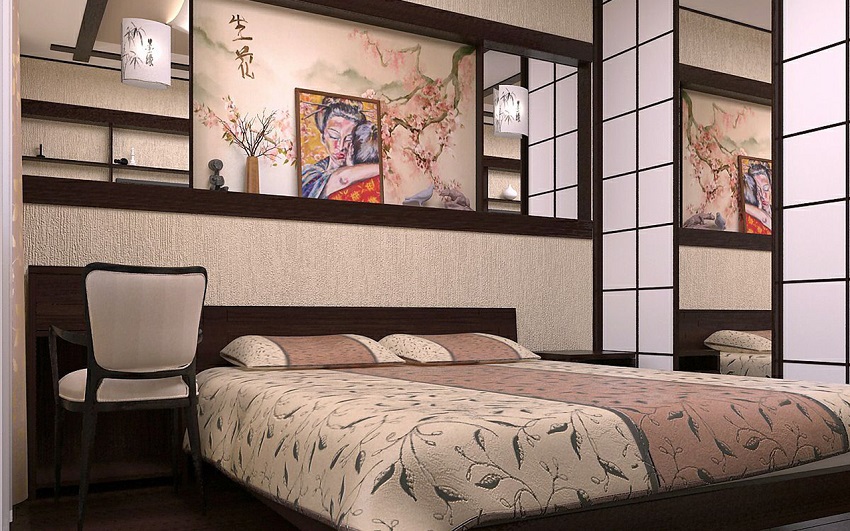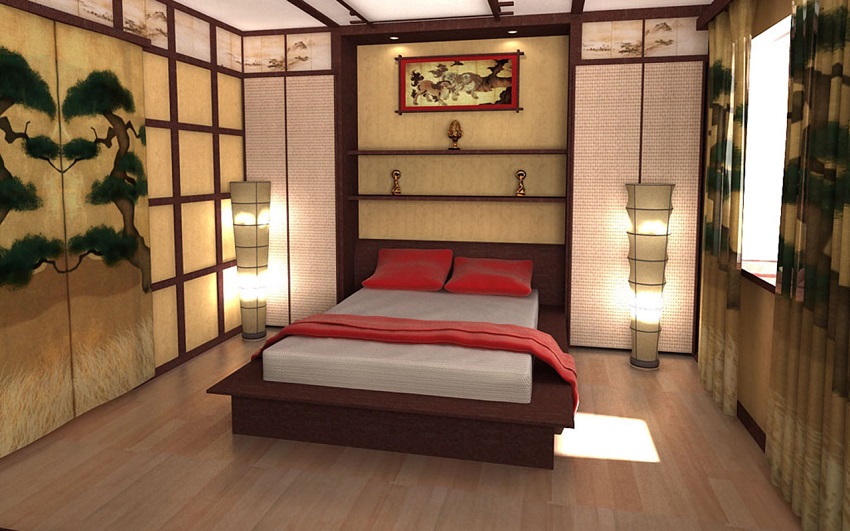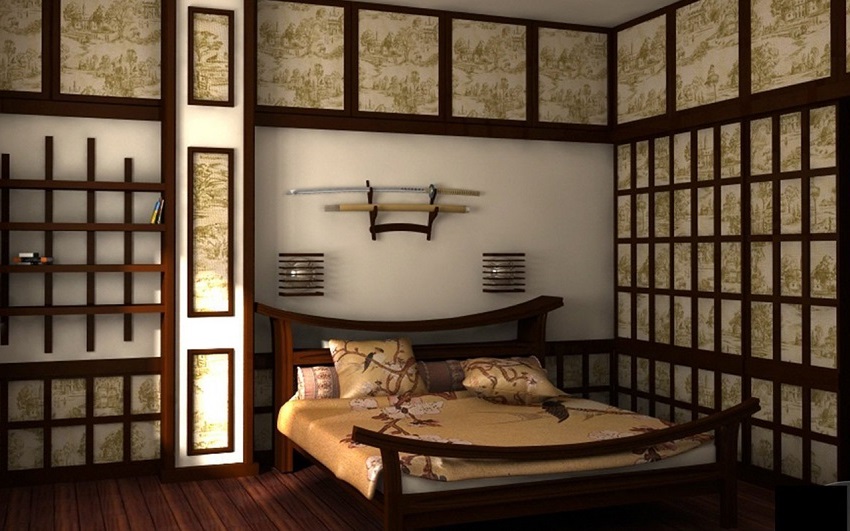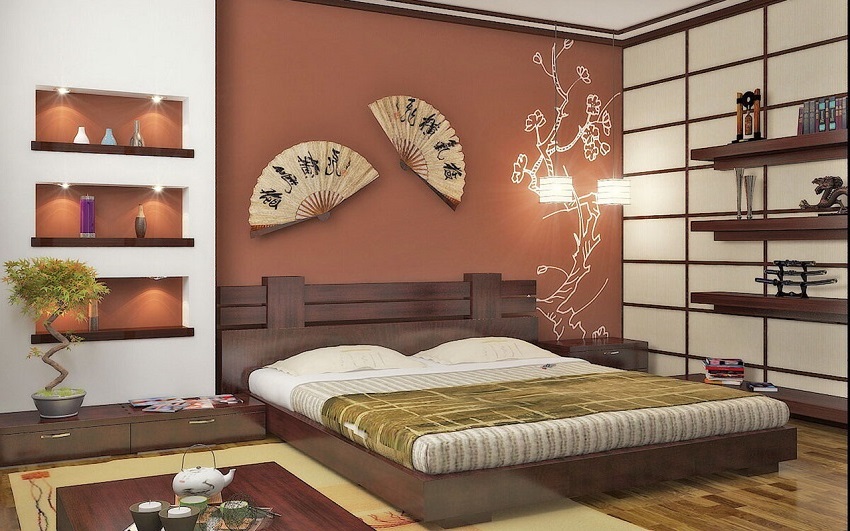
Japanese style small bedroom design
A Japanese-style small bedroom combines a restrained layout, natural-looking materials, low furniture, and carefully controlled decoration. These elements can help a compact room feel calmer and less visually crowded without removing comfort, storage, or individuality.
Japanese interiors include many regional, historical, and contemporary variations, so there is no single formula to copy. For most homes outside Japan, it is more accurate to create a Japanese-inspired bedroom using compatible principles such as simplicity, flexible space, filtered light, craftsmanship, and a close relationship with natural materials.
This guide explains how to apply those ideas to the bed, storage, color palette, lighting, textiles, and layout of a small modern bedroom.
Explore related guides:
Interior Design Mistakes That Make a Home Look Smaller •
How to Use Rugs in the Bedroom •
Minimalist Interior Design
Principles of Japanese-Inspired Bedroom Design
A Japanese-inspired bedroom is not defined by one decorative object. Its character comes from the relationship between space, light, materials, and daily use.
Keep the Composition Simple
Limit the number of large furniture pieces and give each one a clear function. Simplicity does not mean removing everything; it means reducing unnecessary competition between objects.
Preserve Open Space
Unoccupied floor and wall areas are part of the design. Leaving some open space around the bed, storage, and artwork can make a compact bedroom feel calmer.
Prioritize Function
Storage, lighting, and furniture should be convenient to use. A beautiful low bed, for example, is not a successful choice if it is uncomfortable or prevents access to essential storage.
Connect the Interior With Nature
Wood grain, stone-like textures, woven fabrics, filtered daylight, plants, and colors inspired by the landscape can introduce a natural quality without turning the room into a themed interior.
Value Imperfection and Material Character
Natural variation, visible grain, handmade ceramics, and gently aged objects can add depth. The room does not need every surface and item to appear perfectly uniform.
Choose a Calm Bedroom Color Palette
Japanese-inspired interiors often use colors found in wood, stone, paper, clay, textiles, and plants.
Suitable base colors include:
- warm white;
- cream;
- beige;
- sand;
- light taupe;
- soft gray;
- muted brown.
Possible accents include:
- charcoal;
- black;
- deep brown;
- muted green;
- indigo;
- terracotta or clay tones.
Use Contrast Sparingly
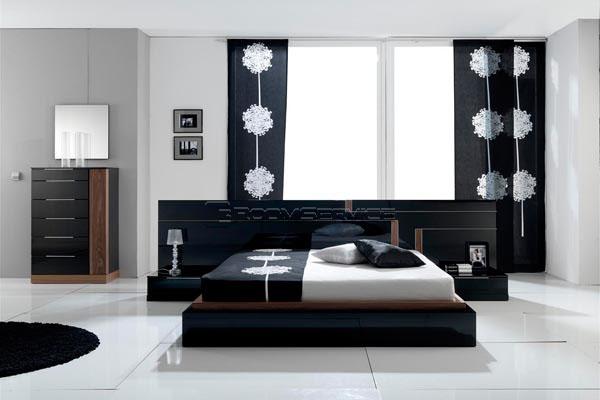
Dark timber, black frames, or charcoal textiles can give the room definition, but several heavy dark elements may make a small bedroom feel enclosed.
Repeat one darker accent in two or three locations—for example, a lamp, picture frame, and small furniture detail—to make the contrast feel deliberate.
Coordinate Undertones
Warm woods generally pair naturally with cream, beige, clay, and warm gray. Paler or cooler wood finishes may work with soft gray, muted green, or restrained blue.
Test paint and textile samples in the bedroom because colors change with window direction and artificial light.
Use Natural-Looking Materials
Materials are central to Japanese-inspired bedroom design. Visible texture can create interest without requiring strong colors or numerous decorative objects.
Options include:
- wood or convincing wood finishes;
- cotton and linen;
- wool and other woven textiles;
- paper-inspired light shades and screens;
- ceramic;
- stone or stone-effect surfaces;
- matte plaster or low-sheen paint;
- woven grass or fiber details.
Choose Materials for Everyday Use
Natural material is not automatically the best option for every surface. Maintenance, durability, allergies, pets, children, and budget should also influence the choice.
A high-quality veneer, suitable engineered floor, washable textile, or durable stone-effect surface may be more practical while providing a compatible appearance.
Avoid Too Many Competing Finishes
Use a limited selection of wood, textile, and metal finishes. Several unrelated wood tones, glossy surfaces, and decorative textures can make a small room feel busy.
Choose a Low Bed or Futon Carefully
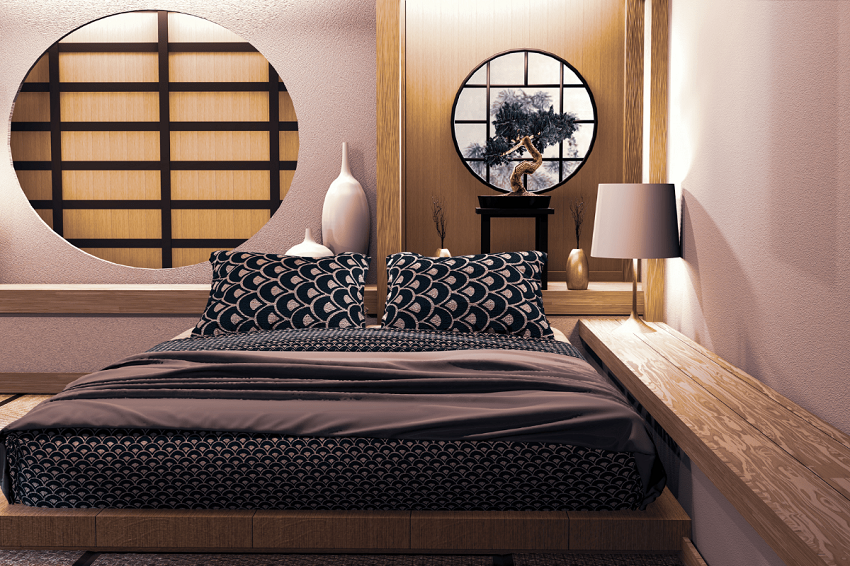
A low sleeping surface can preserve sightlines and make the ceiling appear higher. Options include a low platform bed, a simple bed frame with short legs, or a traditional-style futon arrangement where it is suitable for the user and room.
Low Platform Bed
A platform bed provides a familiar mattress arrangement while creating the lower visual profile associated with many Japanese-inspired rooms.
Look for a frame that provides suitable mattress support, ventilation, and comfortable access. Very wide platforms may occupy more floor space than expected.
Futon-Style Sleeping
A foldable sleeping arrangement can free floor space during the day, but it requires regular handling and appropriate storage. The sleeping surface, floor construction, ventilation, and moisture control all need consideration.
Do not place a mattress or unsuitable bedding directly on a floor without understanding the product’s support and ventilation requirements.
Consider Personal Comfort
A very low bed may be difficult for some people to get into or out of. Choose the height according to mobility, comfort, and long-term use rather than appearance alone.
Keep Bedding Restrained
Use coordinated bedding with limited patterns and colors. Layering a bedspread, throw, and cushions can add texture, but excessive decorative pillows may work against the room’s practical simplicity.
Plan the Small Bedroom Layout
Begin with the bed because it is usually the largest item in the room. Then position the wardrobe, bedside storage, lighting, and any work or dressing area around it.
Maintain Clear Pathways
Leave enough space to enter the room, reach the bed, open wardrobes and drawers, and operate windows or doors.
Placing the bed against one wall may preserve floor space in some rooms, but it is not a universal rule. Where two people use the bed, access from both sides may be more practical.
Protect Natural Light
Avoid placing tall cabinets where they block the main window. Lower furniture near the window can preserve daylight and keep the room visually open.
Reduce the Number of Furniture Pieces
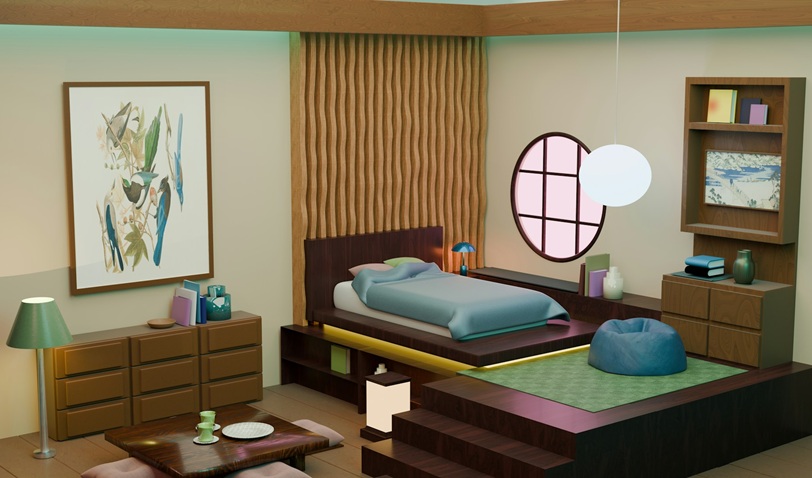
One well-designed wardrobe may provide more useful storage than several small cabinets. A wall-mounted shelf can replace a conventional nightstand, and a simple bench may provide both seating and storage.
Consider the View From the Bed
The wall or area visible from the bed has a strong effect on how calm the room feels. Keep it relatively simple and avoid directing the sleeping position toward an overcrowded work surface or open storage area where possible.
Create Simple, Concealed Storage
Visual calm is easier to maintain when clothes, cables, paperwork, and personal items have accessible storage locations.
Useful options include:
- full-height wardrobes with simple fronts;
- under-bed drawers where compatible with the bed design;
- built-in cabinets;
- recessed niches;
- wall-mounted bedside shelves;
- closed benches;
- limited open shelving for selected objects.
Combine Closed and Open Storage
Closed cabinets conceal practical belongings, while a small amount of open shelving can display books, ceramics, or one decorative object.
Filling every shelf undermines the sense of open space. Leave part of the storage visually quiet.
Keep Frequently Used Items Accessible
Daily clothing and essentials should be easy to reach. Reserve higher shelves for seasonal bedding, luggage, and less frequently used items.
Avoid Storage That Creates More Work
Deep boxes under the bed or several tiny organizers can become inconvenient when used every day. Choose systems that are simple to open, clean, and return to order.
Declutter Before Adding Cabinets
Additional furniture does not automatically solve overcrowding. Review clothes and belongings before deciding how much storage the room needs.
Use Sliding Doors and Light Partitions
Sliding doors can save the floor area required for a swinging door, although they require suitable wall or pocket space and appropriate installation.
Shoji-Inspired Screens
Traditional shoji use wooden lattice and translucent paper. In a contemporary bedroom, a shoji-inspired screen can use suitable modern translucent panels to filter light and provide visual separation.
These screens provide limited acoustic privacy, so they are better suited to visual zoning than sound isolation.
Wood Slat Dividers
Vertical wooden slats can separate a sleeping zone from a desk, dressing area, or entrance while preserving some light and visual connection.
Curtains and Movable Screens
A ceiling-mounted curtain or freestanding screen can be a more flexible option for a rental or multifunctional room.
Any partition should preserve safe circulation, ventilation, heating, and access to doors and windows.
Create Soft, Layered Bedroom Lighting
A single bright ceiling fixture can make a small bedroom feel flat. Combining several lower-intensity sources provides more flexibility and creates a calmer evening atmosphere.
General Lighting
Use a diffused ceiling fixture, shaded pendant, or indirect lighting to provide overall illumination without harsh glare.
Bedside Task Lighting
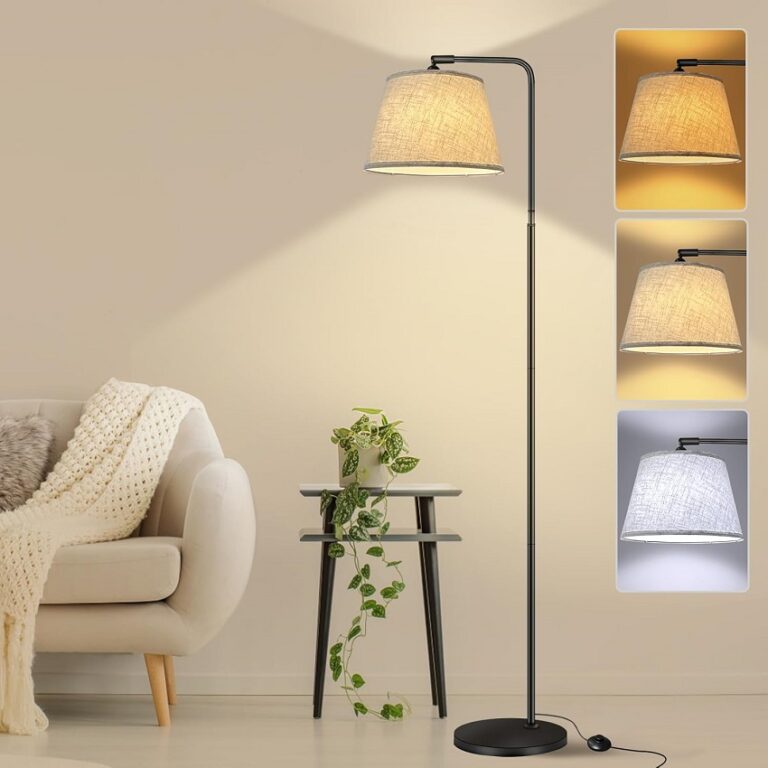
Wall-mounted or compact bedside lamps can support reading without occupying a large table. Position the light so it reaches the page without shining directly into the user’s eyes.
Accent Lighting
A restrained light can emphasize one artwork, textured wall, plant, or architectural feature. Accent lighting should remain secondary to the practical lighting needed for dressing and cleaning.
Use Separate Controls
Separately controlled ceiling, bedside, and accent lights make it easier to adjust the room for dressing, reading, and preparing for sleep.
Warm-looking light is commonly used in bedrooms, but brightness, color appearance, and fixture choice should also support the tasks performed in the room.
Select Textiles and Window Treatments
Textiles add warmth and improve comfort without requiring many decorative objects.
Suitable options include:
- plain or subtly textured bedding;
- linen- or cotton-look curtains;
- a low-pile rug;
- one restrained throw;
- a limited number of cushions;
- woven storage baskets used selectively.
Use Pattern Carefully
A Japanese-inspired room does not have to be completely plain. A subtle geometric, botanical, or traditional textile pattern can add identity when balanced with quieter surrounding surfaces.
Control Light and Privacy
Light-filtering curtains or blinds can soften daylight, but bedrooms may also need stronger privacy or blackout control.
Layering a translucent treatment with a more opaque one can provide flexibility without relying on heavy decorative drapery.
Choose the Rug for the Layout
A rug should relate to the bed and leave doors and pathways unobstructed. Very thick rugs may make low furniture or sliding doors more difficult to use.
Add Restrained Japanese-Inspired Decoration
Decoration should support the room rather than turn it into a collection of cultural symbols.
Possible details include:
- one substantial artwork or textile piece;
- handmade ceramic objects;
- a simple vase with a branch or seasonal arrangement;
- books;
- a carefully selected plant;
- a woven or paper-inspired light shade;
- one tray for everyday bedside objects.
Avoid Themed Decoration
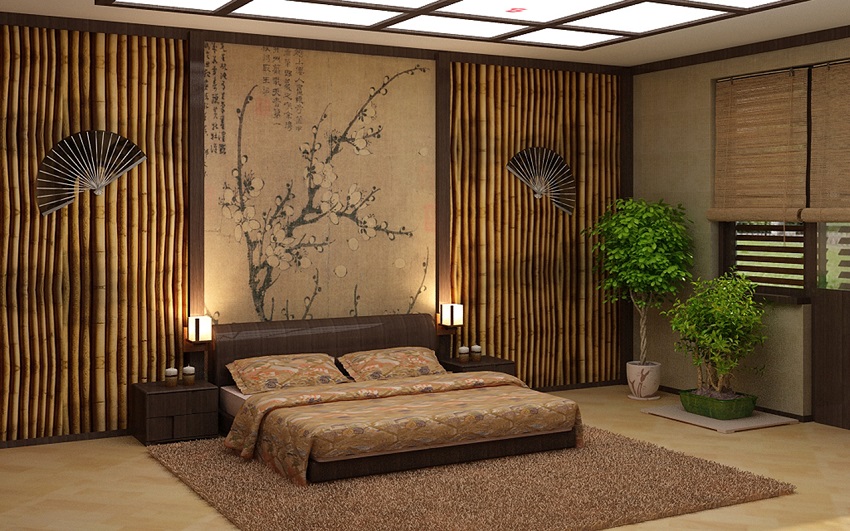
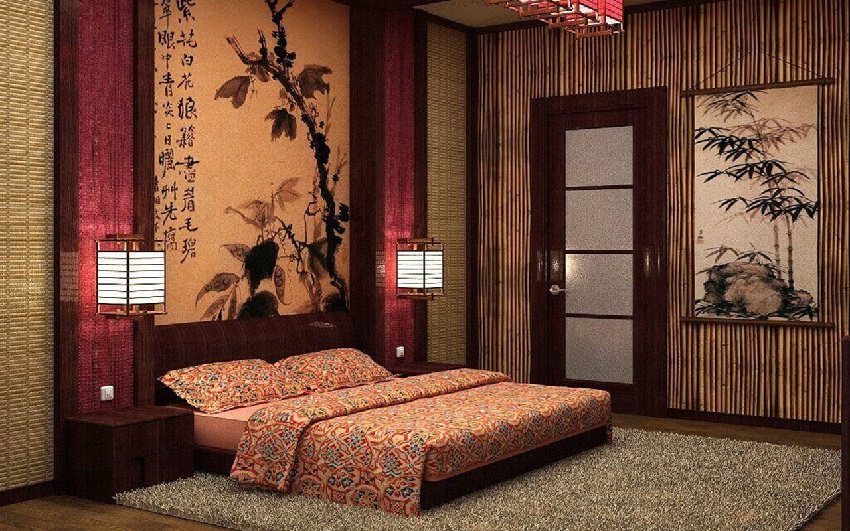
Random combinations of lanterns, calligraphy, bonsai, Buddha figures, fans, and other symbols can make the room feel staged rather than considered.
Choose objects because they have meaning, craftsmanship, or a clear relationship with the complete interior.
Use Plants According to the Room
Select a plant that suits the available daylight, temperature, and level of care. Check whether it is appropriate for homes with children or pets.
One healthy, well-positioned plant normally has more impact than several struggling plants scattered around a small room.
Leave Some Walls Empty
Every wall does not need artwork, shelving, or paneling. Empty areas allow the main furniture, material textures, and chosen decorative pieces to remain visible.
What Is the Difference Between Japanese Style and Japandi?
Japandi is a contemporary design approach that combines Japanese-inspired simplicity and craftsmanship with Scandinavian comfort, pale woods, functional furniture, and soft textiles.
A Japandi bedroom may use:
- low, clean-lined furniture;
- warm neutral walls;
- pale or medium-toned wood;
- simple Scandinavian-style storage;
- linen and wool textiles;
- restrained black or charcoal accents.
Japandi can be a practical reference for modern apartments because it adapts easily to conventional beds, wardrobes, and contemporary building materials.
Neither Japanese-inspired design nor Japandi requires an empty room. Both work best when storage, comfort, and daily use are resolved before decoration.
Create a Japanese-Inspired Bedroom in a Rental
A rented bedroom can adopt this look without permanent construction or expensive fitted furniture.
Reversible ideas include:
- a simple low bed frame compatible with the mattress;
- neutral bedding and curtains;
- a movable wooden or translucent screen;
- freestanding storage with plain fronts;
- plug-in wall or bedside lighting;
- a restrained rug;
- one large artwork or textile panel;
- baskets or boxes concealed inside existing furniture.
Work With Existing Finishes
Instead of trying to replace flooring, wardrobes, or doors, repeat one of their colors in the furniture or textiles so they feel connected to the new palette.
Avoid Unapproved Alterations
Check the rental agreement before drilling, painting, attaching adhesive products, replacing fixtures, or installing tracks and partitions.
Common Japanese-Style Bedroom Design Mistakes
Treating Japanese Design as a Theme
The style comes primarily from layout, proportion, materials, light, and restraint—not from filling the room with recognizable decorative symbols.
Removing Too Much Useful Furniture
Minimalism should make the bedroom easier to use. Removing necessary storage can lead to visible clutter on the floor, bed, and other surfaces.
Choosing an Impractically Low Bed
A low bed may be visually effective but difficult for some people to use. Comfort, mattress support, ventilation, and mobility should guide the final height.
Placing a Mattress Directly on the Floor
An unsuitable arrangement can limit airflow and make moisture harder to manage. Follow the mattress and bedding manufacturer’s support and ventilation requirements.
Using Too Many Different Wood Tones
Several unrelated woods can make the room feel busy. Choose one dominant finish and introduce other tones selectively.
Making the Room Entirely Beige
Neutral color alone does not create depth. Use wood grain, textiles, ceramics, darker accents, and subtle tonal variation.
Adding Decorative Shoji Without Considering Privacy
Translucent screens filter light but do not necessarily provide full visual or acoustic privacy. Use them where their actual performance suits the room.
Overusing Open Shelves
Numerous visible objects can undermine the sense of calm. Combine limited open display with sufficient closed storage.
Forgetting Practical Lighting
Soft lamps create atmosphere but may not provide enough illumination for dressing, reading, and cleaning. Include appropriate general and task lighting.
Following Rigid Rules
The bed does not always need to touch one wall, every mirror does not need to face a window, and every room does not need a bonsai or paper screen. Adapt the principles to the actual bedroom.
Japanese-Style Small Bedroom Checklist
- Measure the room and preserve clear pathways.
- Choose a comfortable bed with an appropriately low visual profile.
- Check mattress support and ventilation requirements.
- Use a restrained palette with compatible undertones.
- Select one dominant wood finish.
- Provide enough concealed storage for everyday belongings.
- Keep open shelving and surface decoration limited.
- Use sliding or lightweight partitions only where useful.
- Combine general, bedside, and optional accent lighting.
- Select window treatments for both privacy and light control.
- Add a small number of meaningful decorative objects.
- Leave some floor, shelf, and wall space visibly open.
Final Thoughts
A Japanese-style small bedroom is not about creating an empty room or reproducing a traditional Japanese interior without context. It is about using space deliberately and selecting furniture, storage, light, and materials that contribute to a calm daily environment.
Begin with the bed and circulation, then provide enough concealed storage, layered lighting, and suitable window treatments. Use natural-looking materials and decoration selectively rather than adding numerous themed objects.
When each element has a clear purpose, a compact bedroom can feel comfortable, balanced, and visually open without sacrificing personality.
For broader interior inspiration, see
Amazing Interior Ideas
and our guide to
using rugs in the bedroom.