Houseplant Care Guide: Light, Water, Soil and Common Problems
Successful houseplant care begins with matching each plant to the light, temperature, humidity, and attention available in your home. A plant that naturally prefers bright conditions will struggle in a dark corner regardless of how carefully it is watered.
There is no universal watering schedule or soil mix that suits every indoor plant. Species, pot size, growing medium, season, temperature, light, and humidity all affect how quickly a plant uses water and nutrients.
This guide explains how to choose houseplants, evaluate indoor light, water correctly, select containers and soil, fertilize, repot, identify common problems, and keep plants safer around children and pets.
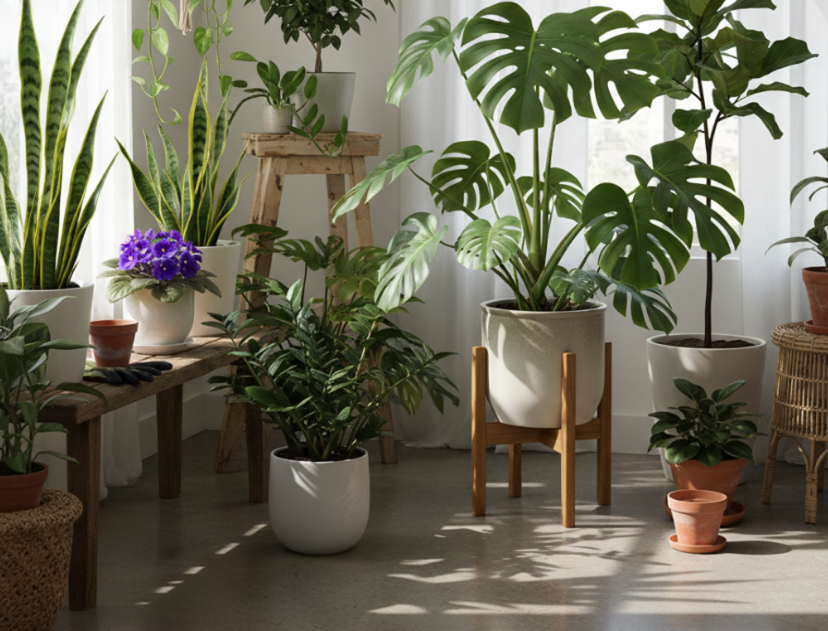
1. Choose a Houseplant That Suits Your Home
Before buying a plant, evaluate where it will live and how much care you can provide.
Consider:
- Available natural light
- Distance from windows
- Indoor temperature
- Humidity
- Available floor or shelf space
- How often you are away from home
- Whether children or pets can reach the plant
- The mature size of the species
Check the plant before buying
Inspect the leaves, stems, soil, and underside of the foliage. Avoid plants showing extensive yellowing, sticky residue, webbing, visible insects, severe leaf damage, or a strong unpleasant smell from the soil.
A few damaged leaves may be cosmetic, but widespread symptoms can indicate pests, poor roots, disease, or unsuitable care.
Identify the plant accurately
Keep the label and note the botanical name when possible. Common names may refer to several different plants with different care and toxicity information.
A correct identification makes it easier to research light, watering, potting mix, mature size, and pet safety.
Do not rely on “low-maintenance” alone
A low-maintenance plant still needs suitable light, drainage, temperature, and occasional care. Some drought-tolerant plants are described as easy but may struggle in homes without enough light.
Choose according to the actual room rather than selecting a plant only because it is popular online.
2. Understand Indoor Light
Light is one of the most important factors in indoor plant care. A room that looks bright to a person may still provide relatively little useful light to a plant positioned far from the window.
Direct light
Direct light reaches the plant as visible sunbeams. Its intensity depends on window orientation, season, latitude, glazing, outdoor obstructions, and distance from the glass.
Some succulents, cacti, and other sun-adapted plants require strong light. However, moving a plant suddenly from shade into direct sun can scorch leaves.
Bright indirect light
Bright indirect light describes a well-lit position without prolonged intense sun falling directly on the leaves.
Many tropical foliage plants grow well under these conditions, although individual requirements vary.
Lower-light conditions
Some plants tolerate lower light better than others, but tolerance is not the same as preference. Growth may slow, leaves may become smaller, and the soil may remain wet longer.
Plants in lower light generally need less frequent watering than the same plants in brighter conditions.
Window orientation
Window orientation provides a useful starting point, but it does not tell the whole story. Trees, balconies, neighboring buildings, curtains, glazing, and seasonal sun angles can change the available light.
Observe the proposed location at several times of day before placing a sensitive plant there.
Rotate plants carefully
Plants often lean toward a window. Rotating the pot periodically can encourage more balanced growth.
Do not rotate a plant excessively or move it constantly between very different light conditions. Some species respond poorly to frequent environmental changes.
Using grow lights
A suitable grow light can supplement natural light in dark rooms or during shorter winter days.
Check:
- Light output and coverage area
- Distance from the foliage
- Recommended operating time
- Heat output
- Electrical safety
- Whether the light suits the plant species
A normal decorative lamp may make a plant visible without providing enough useful light for healthy growth.
3. How to Water Houseplants Correctly
Watering problems are a common cause of indoor plant decline. Both excessive moisture and prolonged dryness can damage roots.
Do not water only by the calendar
A rigid weekly schedule ignores seasonal changes and differences between plants.
Water use depends on:
- Plant species and size
- Light intensity
- Room temperature
- Humidity
- Pot size and material
- Potting mix
- Root health
- Active growth or dormancy
Check the soil and plant before watering.
Test the growing medium
Depending on the plant, check moisture with a finger, wooden stick, pot weight, or suitable moisture-measuring tool.
The surface can look dry while the lower part of a deep pot remains wet. Check to an appropriate depth rather than judging only by color.
Water thoroughly when appropriate
For many plants, apply water evenly until excess begins to drain from the bottom. This helps wet the root zone more consistently than adding a very small amount to the surface.
Allow the pot to drain and empty water remaining in the saucer or decorative outer container unless the plant’s specific growing method requires otherwise.
Use suitable water
Many houseplants tolerate ordinary tap water. Sensitive species may react to high mineral content or particular water treatments.
If leaf tips repeatedly deteriorate despite otherwise suitable care, research the species and local water quality before changing the watering method.
Signs of excessive watering
Possible signs include:
- Persistently wet soil
- Yellowing leaves
- Soft or collapsing stems
- Unpleasant-smelling potting mix
- Fungus gnats
- Dark, soft roots
- Sudden leaf drop
These symptoms can have other causes, so inspect the complete plant and its environment.
Signs of insufficient watering
Possible signs include:
- Dry or pulling-away potting mix
- Drooping leaves
- Crisp leaf edges
- Wrinkled succulent leaves
- Premature leaf drop
A plant repeatedly allowed to wilt may develop root damage even if it appears to recover after watering.
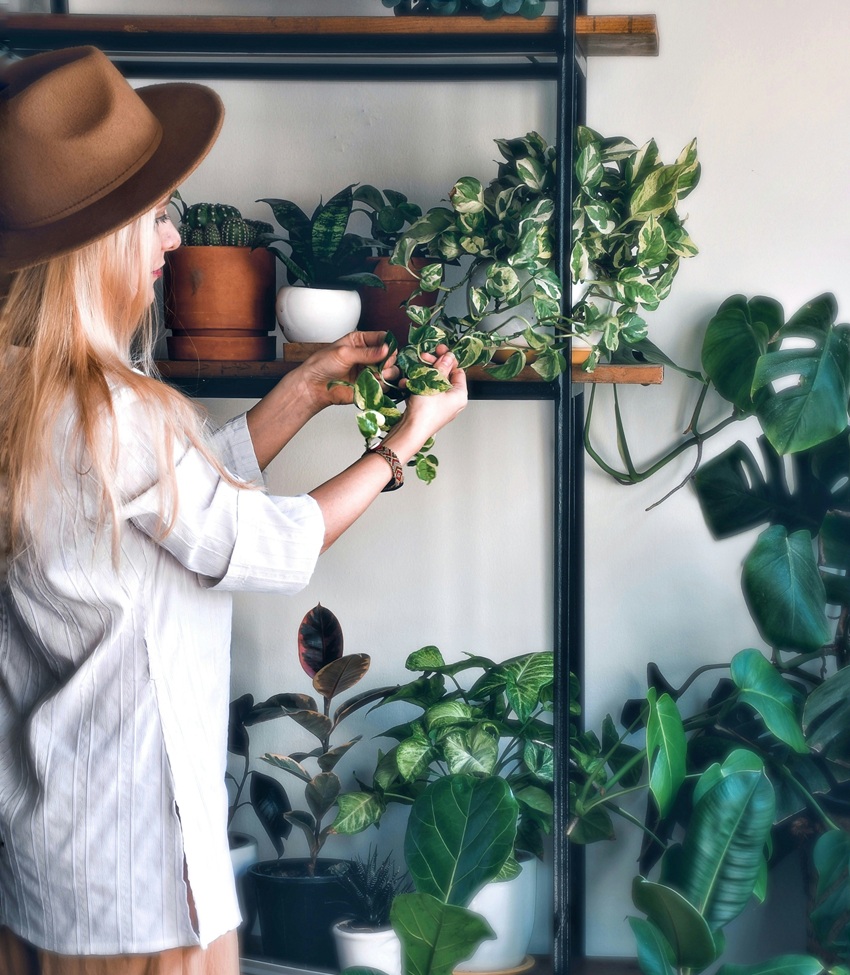
4. Choose Containers With Suitable Drainage
A plant container must provide enough space for the roots and allow the growing medium to drain appropriately.
Drainage holes
For most conventionally grown houseplants, drainage holes make watering safer by allowing excess water to leave the pot.
A decorative container without holes can be used as an outer cover pot. Keep the plant inside a draining nursery pot and remove it when watering if necessary.
Do not leave the plant standing in water
Water remaining inside a saucer or cover pot can keep the root zone saturated. Empty it after the pot has drained.
Container material
Container material influences how quickly the potting mix dries:
- Unglazed terracotta: allows more moisture to evaporate through the pot.
- Plastic: lightweight and normally retains moisture longer.
- Glazed ceramic: retains moisture but can be heavy.
- Metal: may heat or cool quickly and often works best as an outer container.
The best material depends on the plant, environment, watering habits, and potting mix.
Container size
A much larger pot does not always help a plant grow faster. Excess growing medium can remain wet for a long time around a small root system.
When repotting, choose a container only moderately larger unless the plant or growing method requires otherwise.
5. Choose the Right Potting Mix
Garden soil is generally unsuitable for ordinary container-grown houseplants. It can become compacted, drain poorly, and introduce pests or pathogens.
A houseplant potting mix should provide a suitable balance of:
- Moisture retention
- Drainage
- Root-zone aeration
- Structural stability
- Nutrient-holding capacity
Different plants need different mixes
Examples include:
- Succulents and cacti: generally need a fast-draining mix.
- Tropical foliage plants: often benefit from a mix that holds some moisture while remaining aerated.
- Orchids: may require bark or another specialized medium rather than ordinary potting soil.
- Moisture-loving plants: may need a mix that dries more slowly without becoming airless.
Research the species rather than using one homemade recipe for every plant.
Adding drainage material to the bottom
A layer of stones at the bottom does not replace a drainage hole and can reduce the depth of usable growing medium.
Use an appropriate potting mix and a container designed to drain.
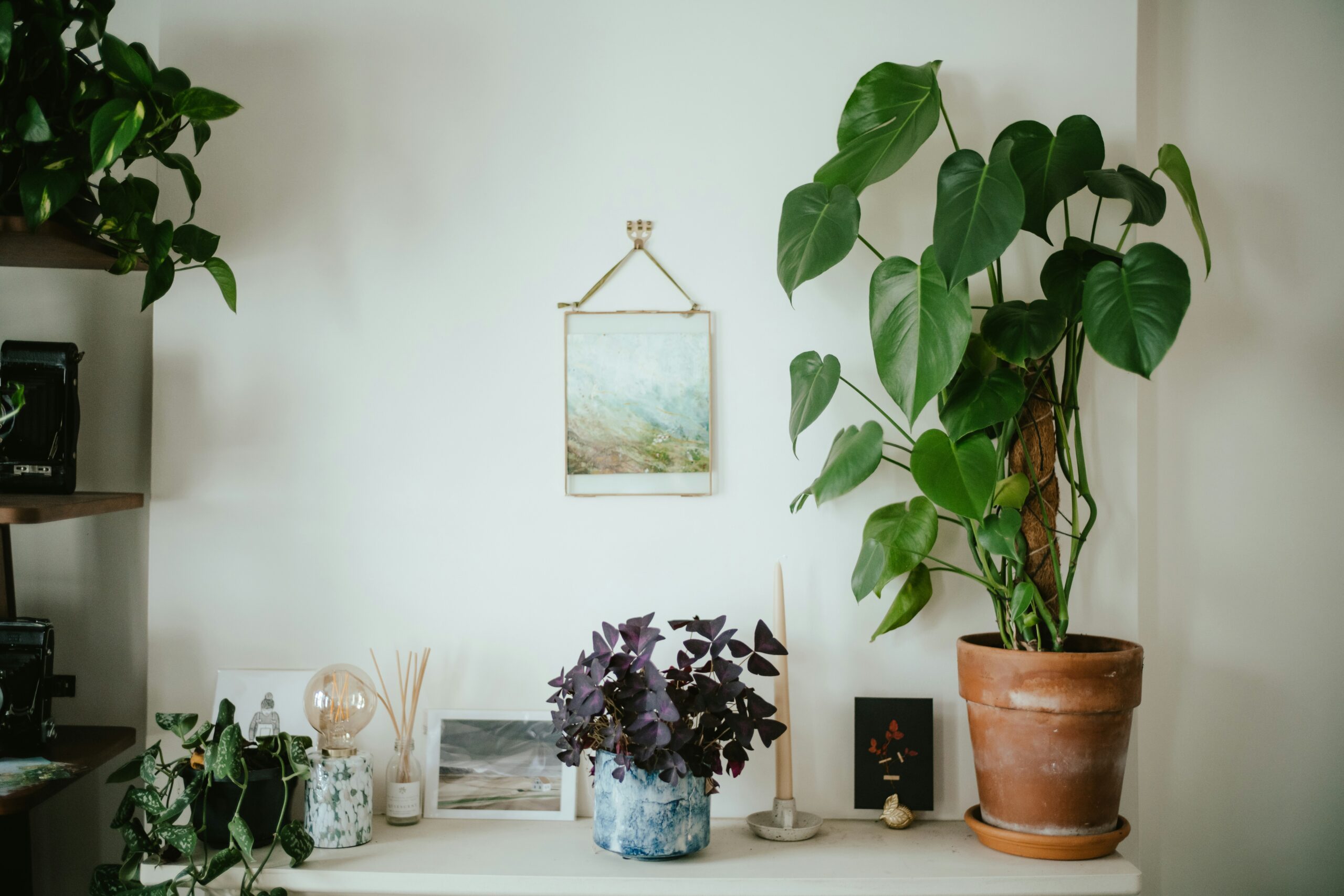
6. Fertilize According to Plant Growth
Fertilizer provides nutrients but cannot correct insufficient light, damaged roots, unsuitable soil, or poor watering.
Feed during active growth
Many houseplants use more nutrients when they are actively producing leaves, stems, or flowers. Growth periods depend on species, light, temperature, and season.
Plants growing slowly in low light generally need less fertilizer than plants growing rapidly in bright conditions.
Follow the product instructions
Use a fertilizer intended for the plant type and follow the label for dilution, frequency, and application method.
Applying more fertilizer than recommended can damage roots and cause salt buildup.
Do not fertilize a severely stressed plant automatically
A wilted, diseased, pest-infested, or recently damaged plant may need correction of the underlying problem rather than additional fertilizer.
Signs of excessive fertilizer
Possible signs include:
- White or crusty deposits on the soil or pot
- Brown leaf tips
- Root damage
- Wilting despite moist soil
- Weak or distorted growth
These symptoms can also have other causes, so review watering, water quality, roots, pests, and light before reaching a conclusion.
7. Manage Temperature, Humidity, and Airflow
Temperature
Many common tropical houseplants prefer indoor temperatures that are also comfortable for people. However, cold windows, heating vents, air conditioners, and exterior doors can create localized extremes.
Avoid placing sensitive plants:
- Against very cold glass
- Directly above a radiator
- In the airflow from heating or cooling vents
- Beside frequently opened exterior doors
- Near heat-producing appliances
Humidity
Some tropical plants prefer higher humidity than an ordinary heated home provides. Symptoms attributed to low humidity can also result from watering problems, excess fertilizer, root damage, or pests.
Possible ways to raise local humidity include:
- Using a clean humidifier
- Grouping compatible plants without crowding them
- Choosing naturally more humid rooms with adequate light
A pebble tray has limited influence beyond the immediate area and should not allow the pot to stand in water.
Misting
Misting produces only a temporary change in moisture around the leaves. It is not a replacement for appropriate room humidity or correct watering.
Regularly wet foliage may be unsuitable for some plants and environments.
Air movement
Gentle air circulation can help prevent stagnant conditions. Strong drafts and direct fan airflow may dry plants rapidly or damage sensitive leaves.
8. When and How to Repot a Houseplant
Houseplants do not need to be repotted according to a fixed annual schedule. Repot when the root system, potting mix, or plant condition indicates that it is necessary.
Signs a plant may need repotting
- Roots growing extensively through drainage holes
- Water passing through immediately because roots fill the pot
- The plant becoming unstable or top-heavy
- Growth slowing despite suitable light and care
- The potting medium breaking down or remaining waterlogged
- Roots circling densely around the root ball
Visible roots do not always mean an immediate repot is required. Some plants tolerate or prefer a relatively snug container.
Repotting steps
- Choose a clean pot with suitable drainage.
- Select a growing medium appropriate for the species.
- Water or prepare the plant according to its care requirements.
- Remove the plant gently without pulling it by the stems.
- Inspect the roots and remove only clearly dead or damaged material.
- Place the plant at approximately the same growing depth.
- Fill around the roots without compacting the mix excessively.
- Water according to the plant and potting medium requirements.
- Keep the plant away from sudden environmental extremes while it adjusts.
Repotting is not always the solution
A plant declining from insufficient light, pests, or unsuitable watering will not necessarily improve in a larger pot. Identify the likely problem first.
9. Clean Leaves and Prune Carefully
Cleaning leaves
Dust can reduce the amount of light reaching leaf surfaces and make pests more difficult to notice.
Depending on the plant, leaves can be cleaned with:
- A soft damp cloth
- A gentle shower with suitable water
- A soft brush for hairy or delicate foliage
Support large leaves while wiping them. Avoid leaf-shine products unless they are specifically recommended for the species.
Pruning
Remove dead, badly damaged, or diseased-looking material with a clean cutting tool.
Pruning methods vary between species. Some plants branch readily after cutting, while others will not regrow from an incorrectly cut stem.
Clean tools
Clean and, where appropriate, disinfect cutting tools between plants, particularly when disease is suspected.
10. Check Regularly for Houseplant Pests
Inspecting plants regularly makes pest problems easier to identify before they spread through a collection.
Common indoor pests include:
- Spider mites
- Mealybugs
- Scale insects
- Aphids
- Thrips
- Fungus gnats
- Whiteflies
Possible signs of pests
- Fine webbing
- Sticky residue
- White cotton-like material
- Small bumps on stems or leaves
- Distorted new growth
- Silvery or stippled leaf damage
- Small flies around moist soil
Isolate new and affected plants
Keep new plants separate from an established collection for an observation period where practical.
Move an infested plant away from others while identifying the pest and selecting an appropriate treatment.
Choose treatment carefully
Treatment depends on the pest, plant, level of infestation, and indoor environment.
Follow product labels exactly. A treatment that is safe for one plant may damage another. Consider children, pets, food-preparation areas, ventilation, and nearby surfaces before using pesticides indoors.
11. Diagnose Common Houseplant Problems
One symptom can have several possible causes. Avoid changing multiple care conditions at once unless urgent action is required.
Yellow leaves
Possible causes include:
- Excessive watering
- Insufficient watering
- Normal aging of older leaves
- Root damage
- Insufficient light
- Nutrient problems
- Pests
- Temperature stress
Brown leaf tips
Possible causes include dry air, irregular watering, fertilizer salts, water quality, root damage, or physical injury.
Drooping
Drooping can result from dry soil, saturated roots, heat, cold, damaged roots, or transplant stress. Check soil moisture and root conditions before adding more water.
Long, weak growth
Stretched growth with large gaps between leaves often indicates insufficient light. Move the plant gradually to a brighter suitable location or consider a grow light.
No new growth
Slow growth may be normal during winter or after environmental change. It can also result from insufficient light, root problems, pests, or unsuitable temperature.
Leaf scorch
Pale, bleached, or crisp patches can appear when a shade-adapted plant is moved too quickly into strong sunlight.
Increase light exposure gradually and research the species’ tolerance.
12. Adjust Houseplant Care With the Seasons
Indoor conditions change throughout the year even when the thermostat remains similar.
Spring and summer
Longer days and stronger light may increase growth and water use. Check soil more frequently rather than increasing watering automatically.
Resume or adjust fertilizer only when the plant is actively growing and according to the product instructions.
Autumn and winter
Shorter days often slow growth and water use. Plants may need less frequent watering and little or no fertilizer, depending on species and conditions.
Move plants away from cold glass, heating vents, and drafts. Clean leaves so they can use the available light effectively.
Moving plants outdoors
Indoor plants can be damaged by sudden exposure to full sun, wind, cold, or pests.
If a species can spend warm months outdoors, acclimate it gradually and return it indoors before temperatures become unsuitable.
Inspect and isolate plants as appropriate before returning them to the main indoor collection.
13. Choose Plants Carefully Around Children and Pets
Some common houseplants can irritate or poison people or animals if chewed or swallowed. Toxicity may differ between humans, cats, dogs, birds, and other pets.
Before bringing a plant home:
- Identify it by botanical name.
- Check toxicity for the relevant person or animal.
- Consider whether leaves, flowers, berries, sap, or soil can be reached.
- Remember that fallen leaves and pollen may remain accessible.
- Store fertilizers and pesticides securely.
Keeping a toxic plant on a high shelf does not guarantee safety for climbing cats, birds, or children.
If a person or animal may have ingested a plant, contact an appropriate poison-control service, veterinarian, or medical professional promptly. Do not wait for symptoms or induce vomiting unless instructed by a qualified professional.
14. Common Houseplant Care Mistakes
- Choosing a plant before evaluating the room: light and temperature should guide selection.
- Following a rigid watering schedule: check the plant and soil first.
- Watering again because the plant is drooping: saturated roots can also cause wilting.
- Using a pot without drainage: excess water becomes difficult to manage.
- Allowing water to remain in a cover pot: roots may stay saturated.
- Using garden soil indoors: it may compact and drain poorly in containers.
- Repotting into a much larger container: excess growing medium can remain wet too long.
- Fertilizing a stressed plant: correct light, roots, watering, or pests first.
- Moving a plant directly into strong sun: increase exposure gradually.
- Ignoring pests on new plants: inspect and isolate where practical.
- Assuming brown tips always mean low humidity: several problems cause similar symptoms.
- Buying by appearance alone: mature size and care requirements matter.
- Ignoring toxicity: check safety before bringing plants near children or pets.
Frequently Asked Questions
How often should houseplants be watered?
There is no universal schedule. Check the growing medium and the plant’s needs. Light, temperature, humidity, pot size, soil, and season affect how quickly water is used.
What is the best light for houseplants?
It depends on the species. Some plants require direct sun, many prefer bright indirect light, and others tolerate lower-light conditions. Low-light tolerance does not mean that no light is required.
Why are my houseplant leaves turning yellow?
Yellowing can result from excessive or insufficient watering, normal leaf aging, poor light, root damage, pests, temperature stress, or nutrient problems. Review the complete growing environment.
Should I mist houseplants?
Misting creates only a short-lived change in moisture around the leaves. It does not replace appropriate humidity and may be unsuitable for some species or environments.
Do houseplants need fertilizer?
Plants need nutrients, but fertilizer requirements vary. Feed during active growth according to the plant and product instructions. Excess fertilizer can damage roots.
When should a houseplant be repotted?
Repot when roots have filled the container, the growing medium has broken down, drainage has deteriorated, or the plant has become unstable. Do not repot only because a fixed amount of time has passed.
Can houseplants survive in a room without windows?
Not indefinitely without an appropriate artificial light source. Ordinary decorative lighting may not provide enough light for healthy growth.
Should stones be placed at the bottom of a plant pot?
A stone layer does not replace drainage holes and reduces the depth available for roots and growing medium. Use a suitable potting mix and a draining container.
Do houseplants purify indoor air?
Plants can interact with their immediate environment, but ordinary household plant numbers should not be treated as a substitute for ventilation, source control, filtration, or addressing an indoor air-quality problem.
How can houseplants be used in interior design?
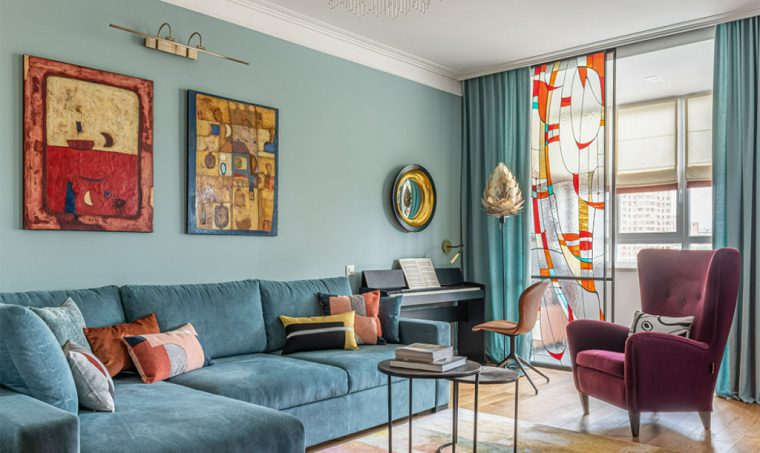
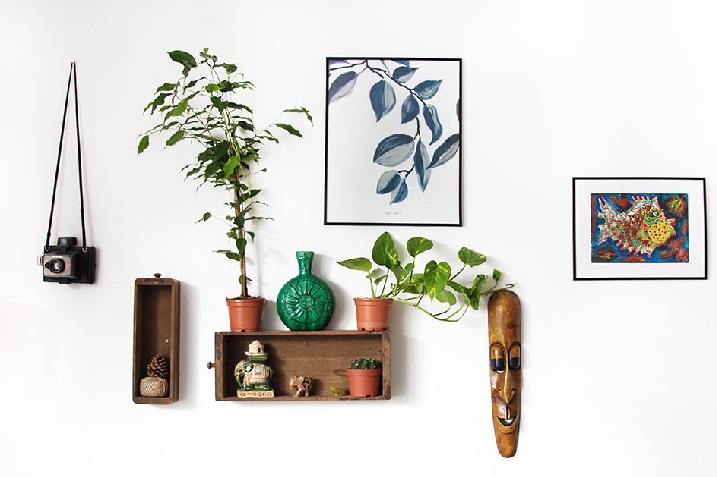
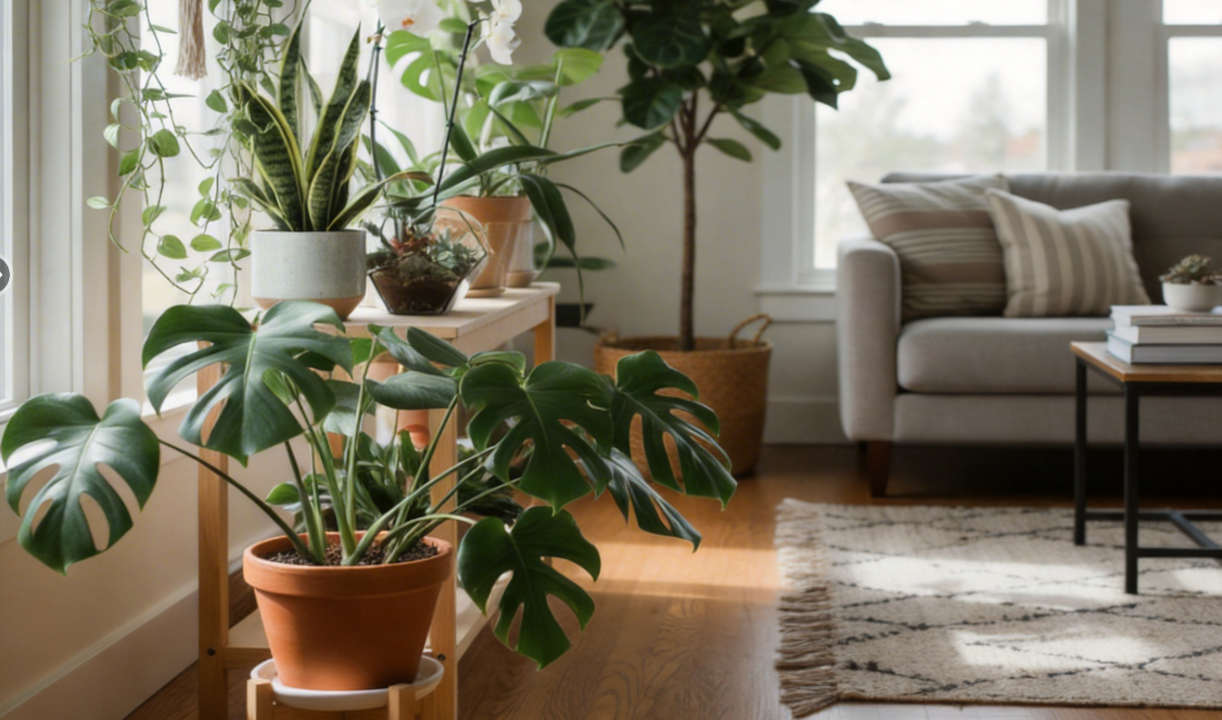
Use plants to introduce height, texture, color, and natural forms. Match the plant to the available light first, then select a container and location that coordinate with the room.
Plants can complement restrained interiors without adding excessive decorative objects. See our guide to minimalist interior design for ideas on materials, storage, and controlled decoration.
Final Houseplant Care Checklist
- Identify the plant correctly.
- Match the species to the available light.
- Use a suitable container and potting mix.
- Check the soil before watering.
- Allow excess water to drain.
- Adjust care as light and seasons change.
- Fertilize according to active growth and label instructions.
- Inspect leaves and stems regularly for pests.
- Clean foliage using a suitable method.
- Repot only when the plant or growing medium requires it.
- Check toxicity around children and pets.
- Change one care factor at a time when diagnosing problems.
Good houseplant care is based on observation rather than rigid routines. Choose plants that suit the home, learn how their soil and leaves respond, and adjust light, water, fertilizer, and temperature as conditions change.