🎬 Do You Really Need a Subwoofer in a Home Theater? Absolutely — Here’s Why
When building a home theater, one question comes up again and again: Is a subwoofer truly necessary?
The short answer is yes — a subwoofer is essential if you want to experience movies, music, and games the way they were designed to be heard.
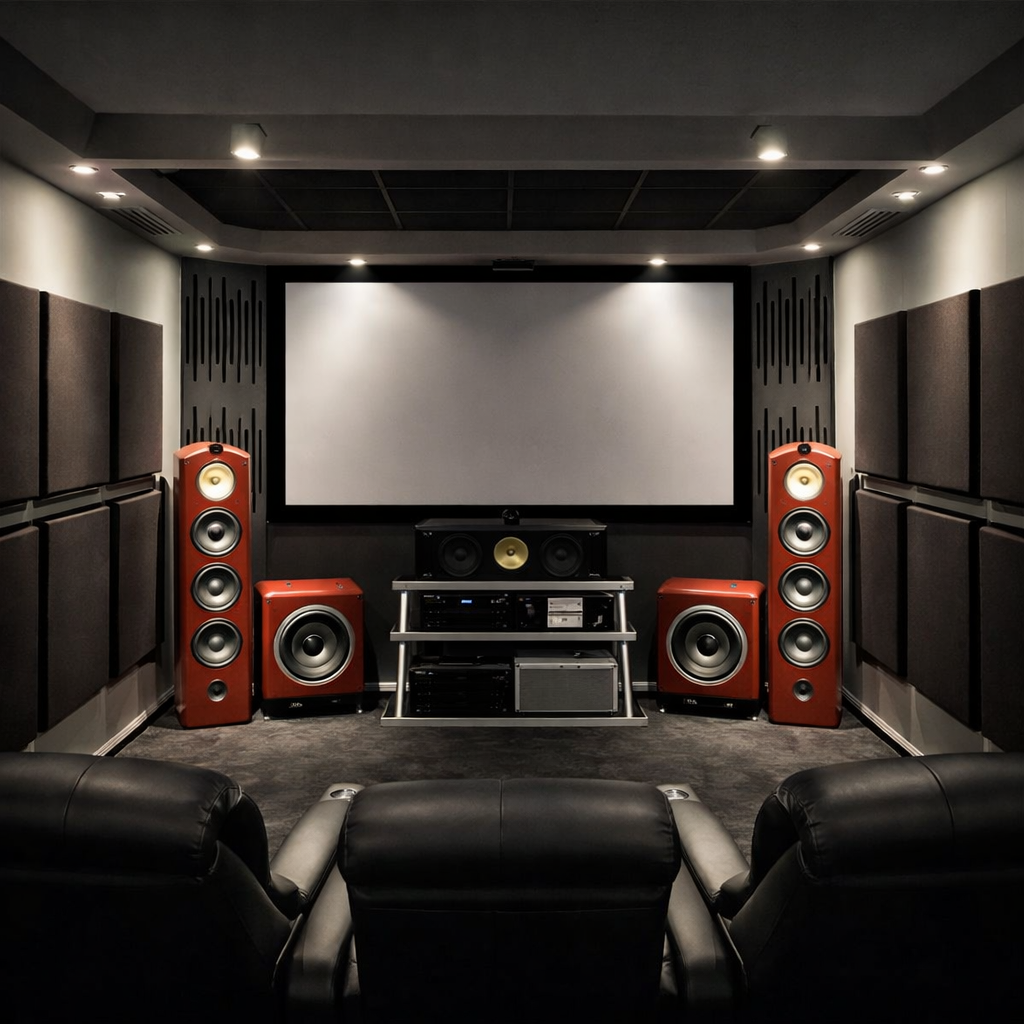
Modern audio formats such as Dolby Digital, DTS, Dolby TrueHD, and DTS‑HD Master Audio all include a dedicated low‑frequency effects (LFE) channel, commonly labeled as the “.1” in 5.1 or 7.1 systems. This channel is specifically engineered for deep bass reproduction — something only a subwoofer can handle properly.
🔊 What Is a Subwoofer?
A subwoofer is a specialized loudspeaker designed to reproduce the lowest part of the audible spectrum, typically from 20 Hz and below. Unlike standard bookshelf or floor‑standing speakers, a subwoofer can deliver:
- Powerful, distortion‑free bass
- High amplitude low‑frequency output
- Accurate reproduction of cinematic effects
This makes it indispensable in any multi‑channel home theater setup.
Most home theaters use active subwoofers, which include:
- A built‑in amplifier
- Adjustable filters
- Controls for crossover frequency, phase, and output level
These features allow precise tuning to your room and system.
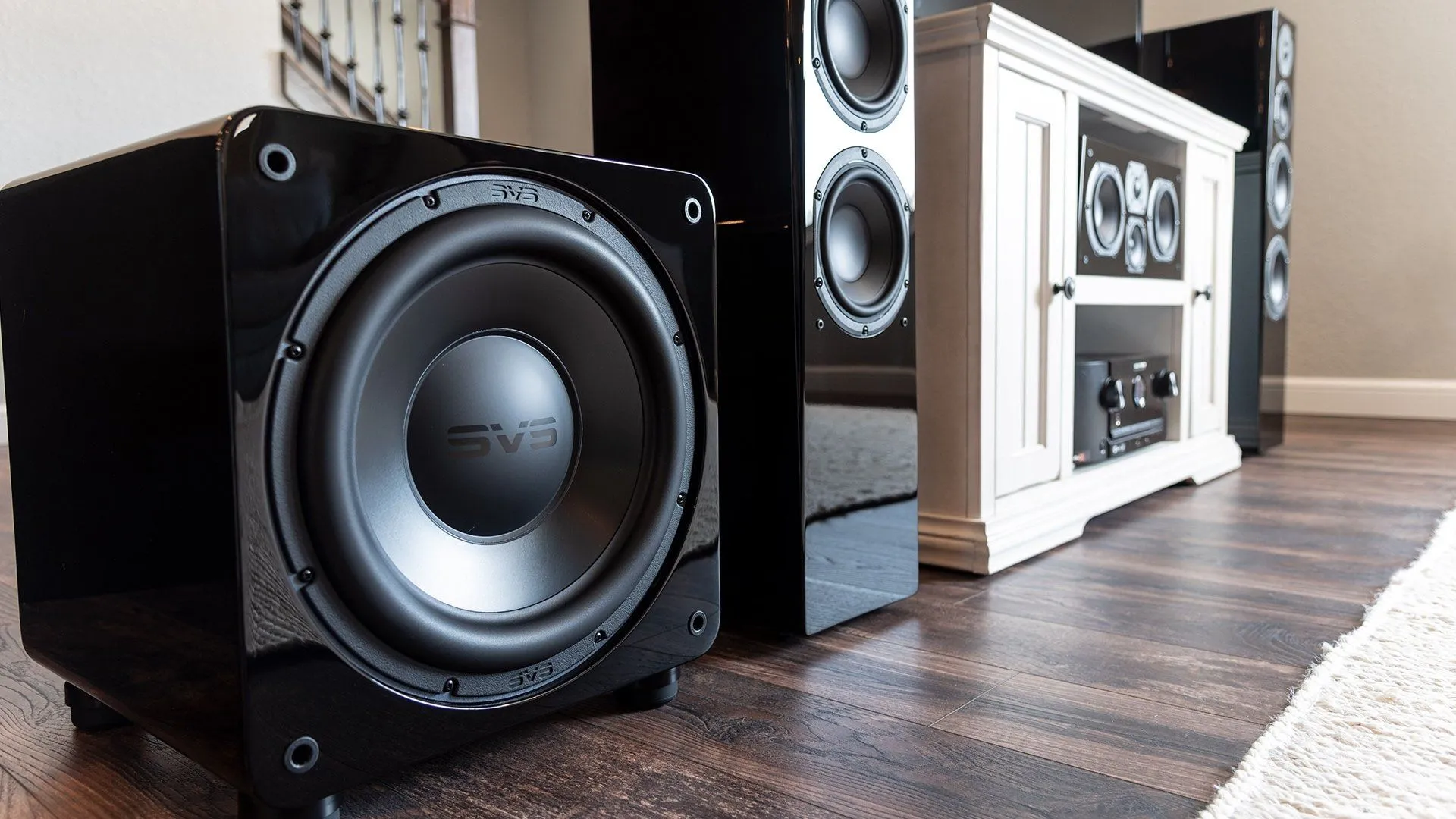
⚡ Why a Subwoofer Is Non‑Negotiable in a Home Theater
A high‑quality home theater subwoofer should offer:
- At least 200 watts of power
- A lower frequency limit around 20 Hz
- Clean, controlled bass output
Typical speakers simply cannot reach these frequencies without distortion. Without a subwoofer, you lose a significant portion of the audio information encoded in modern movie soundtracks.
But the benefits go far beyond explosions and rumbling effects.
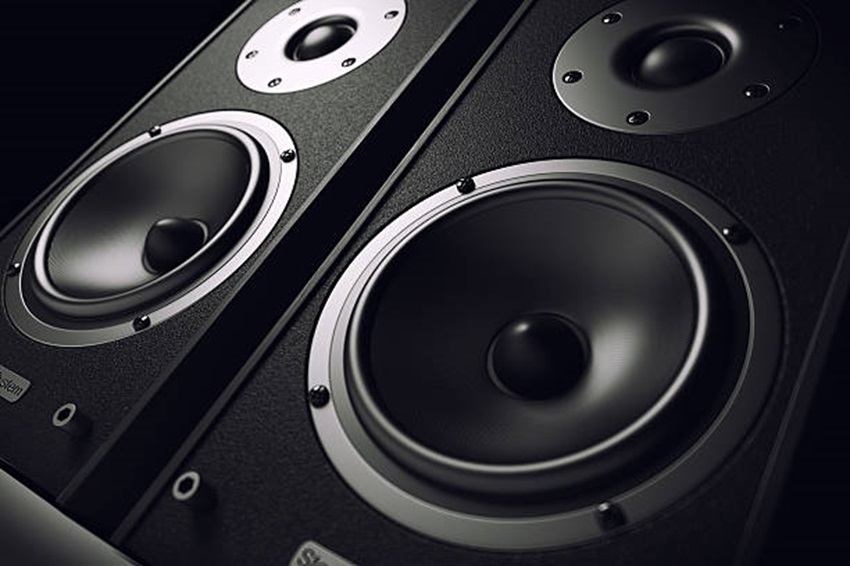
🎧 How a Subwoofer Improves Overall Sound Quality
A subwoofer doesn’t just add bass — it elevates the entire audio experience.
✔️ 1. Reduces strain on your main speakers
By handling deep bass, the subwoofer frees your front speakers from low‑frequency stress. This results in:
- Cleaner midrange
- More accurate high frequencies
- Lower distortion across the entire system
✔️ 2. Enhances dialogue clarity
With midrange freed from bass overload, voices become:
- More intelligible
- More natural
- Easier to follow during action scenes
✔️ 3. Improves background music and subtle details
Ambient effects, musical layers, and environmental sounds become more defined, creating a richer and more immersive soundstage.
✔️ 4. Delivers true cinematic impact
A good subwoofer lets you feel the movie — not just hear it.
Thunder, explosions, engines, and atmospheric effects gain depth and realism that standard speakers cannot reproduce.
🏠 The Subwoofer: The Heart of a True Home Theater
A subwoofer is far more than an optional add‑on. It is a core component of any serious home theater system. With proper setup, an active subwoofer:
- Expands the audible frequency range
- Reduces distortion
- Enhances clarity
- Deepens immersion
Whether you’re watching a blockbuster, enjoying a live concert recording, or gaming, a well‑integrated subwoofer transforms your living room into a true cinematic environment.
🛒 Home Theater Subwoofer Buyer’s Guide: How to Choose the Right Model
Choosing the right subwoofer can dramatically transform your home theater experience. Below is a practical, easy‑to‑follow guide that helps you understand what matters most — and how to avoid common mistakes.
🎚️ 1. Determine Your Room Size
Room dimensions have a huge impact on bass performance.
| Room Size | Recommended Subwoofer |
|---|---|
| Small (up to 15 m²) | 8″–10″ sealed or compact ported |
| Medium (15–30 m²) | 10″–12″ sealed or ported |
| Large (30+ m²) | 12″–15″ ported, dual subs recommended |
Larger rooms require more air movement, which means bigger drivers or multiple subwoofers.
🔊 2. Choose the Right Driver Size
Driver size determines how much air the subwoofer can move — and therefore how deep and powerful the bass will be.
- 8-inch: Fast, tight bass; ideal for small rooms
- 10-inch: Balanced performance for mixed music and movies
- 12-inch: Deep, impactful bass for home theater
- 15-inch and above: Maximum output for large rooms or enthusiasts
⚡ 3. Pay Attention to Power (Wattage)
Subwoofer power is measured in RMS/continuous watts and peak watts.
- RMS power matters most — it reflects real‑world performance
- For home theater, aim for 200–500 watts RMS
- Larger rooms or ported subs may benefit from 500+ watts
More power doesn’t just mean louder — it means cleaner, more controlled bass at all volumes.
🎛️ 4. Look for Essential Features
A good home theater subwoofer should offer:
- Adjustable crossover (to blend with your speakers)
- Phase control (to correct timing issues)
- Auto on/off (energy saving)
- Line‑level/LFE input (for AV receiver compatibility)
- Room EQ or DSP (for better tuning in difficult rooms)
Advanced models may include app control, wireless connectivity, or parametric EQ.
🧱 5. Consider the Enclosure Type
Your choice between sealed, ported, or other designs depends on your priorities:
- Sealed → accuracy, tight bass, smaller size
- Ported → deeper, louder bass for movies
- Passive radiator → deep bass without port noise
- In‑wall → clean aesthetics, custom installations
If your content is mostly movies, ported is often the best value.
If you love music or want precision, sealed is the way to go.
🎥 6. Think About Your Listening Habits
What you watch or listen to should guide your choice:
- Movies & gaming → prioritize deep LFE performance
- Music → accuracy and speed matter more
- Mixed use → a well‑tuned 10″ or 12″ sub is ideal
🪑 7. Placement Matters More Than You Think
Even the best subwoofer can sound bad if placed poorly.
General tips:
- Avoid placing it in the exact center of the room
- Corners increase output but may cause boominess
- Try the subwoofer crawl: place the sub at your seating position, play bass-heavy content, and walk around the room to find the spot where bass sounds best
🎯 8. Consider Using Dual Subwoofers
Two subwoofers can:
- Smooth out room bass response
- Reduce dead zones
- Improve overall impact and clarity
This is especially helpful in medium and large rooms.
💰 9. Set a Realistic Budget
Good subwoofers start around:
- Entry level: 150–300
- Mid‑range: 300–800
- High‑end: 800–3000+
A well‑chosen mid‑range subwoofer often outperforms a cheap large one.
🏁 Final Tip: Don’t Underestimate the Subwoofer
Many home theater owners invest heavily in speakers and displays but overlook the subwoofer — yet it’s the component that delivers the cinematic impact we associate with theaters. Choosing the right one ensures you hear (and feel) every detail the creators intended.