10 Cleaning Gadgets That Make Housework Faster and Easier
The best cleaning gadgets reduce repetitive work and make it easier to maintain a clean home without spending hours on household chores. From robot vacuums to electric scrubbers, practical devices can help control dust, remove everyday messes, and simplify jobs that are physically tiring or time-consuming.
Not every cleaning device is worth buying. A useful gadget should solve a recurring problem, be easy to maintain, and save more time than it takes to prepare, clean, and store.
This guide covers ten cleaning gadgets that can make everyday housework faster, along with the limitations, maintenance requirements, and safety considerations to check before buying.
1. Robot Vacuum Cleaner
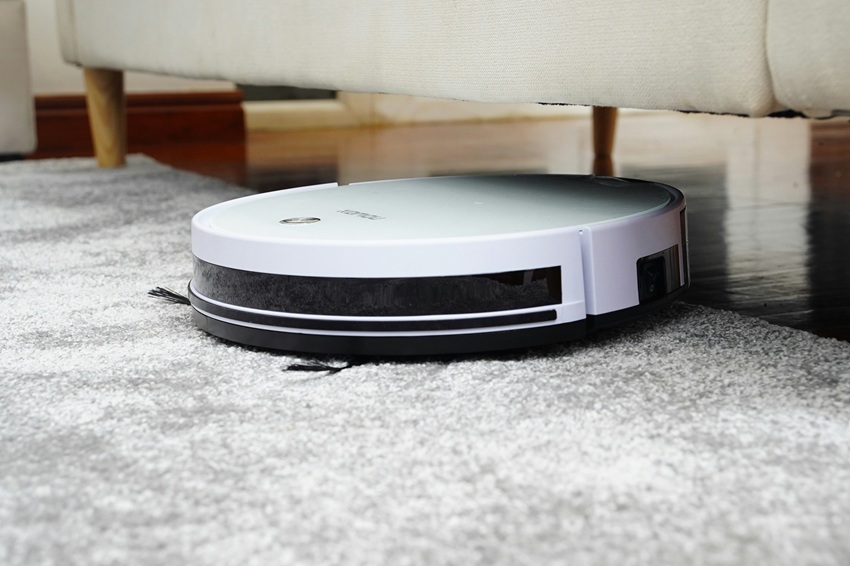
A robot vacuum is one of the most useful cleaning gadgets for reducing everyday floor maintenance. It can collect dust, crumbs, hair, and other loose debris on a regular schedule while you are working, cooking, or away from home.
Depending on the model, useful features may include:
- Room mapping
- Scheduled cleaning
- Obstacle detection
- Restricted or no-go zones
- Automatic return to the charging station
- Selected-room cleaning
- Automatic dust-bin emptying
- Light damp-mopping functions
A robot vacuum does not completely replace a conventional vacuum. Stairs, upholstery, deep carpet cleaning, narrow corners, and areas behind furniture may still require manual attention.
Its main advantage is consistency. Regular automated cleaning can prevent dust, crumbs, and pet hair from accumulating between more thorough cleaning sessions.
Before buying, check the device height, navigation system, floor compatibility, replacement-part availability, and whether cables or small objects must be removed before every cycle.
2. Cordless Stick Vacuum
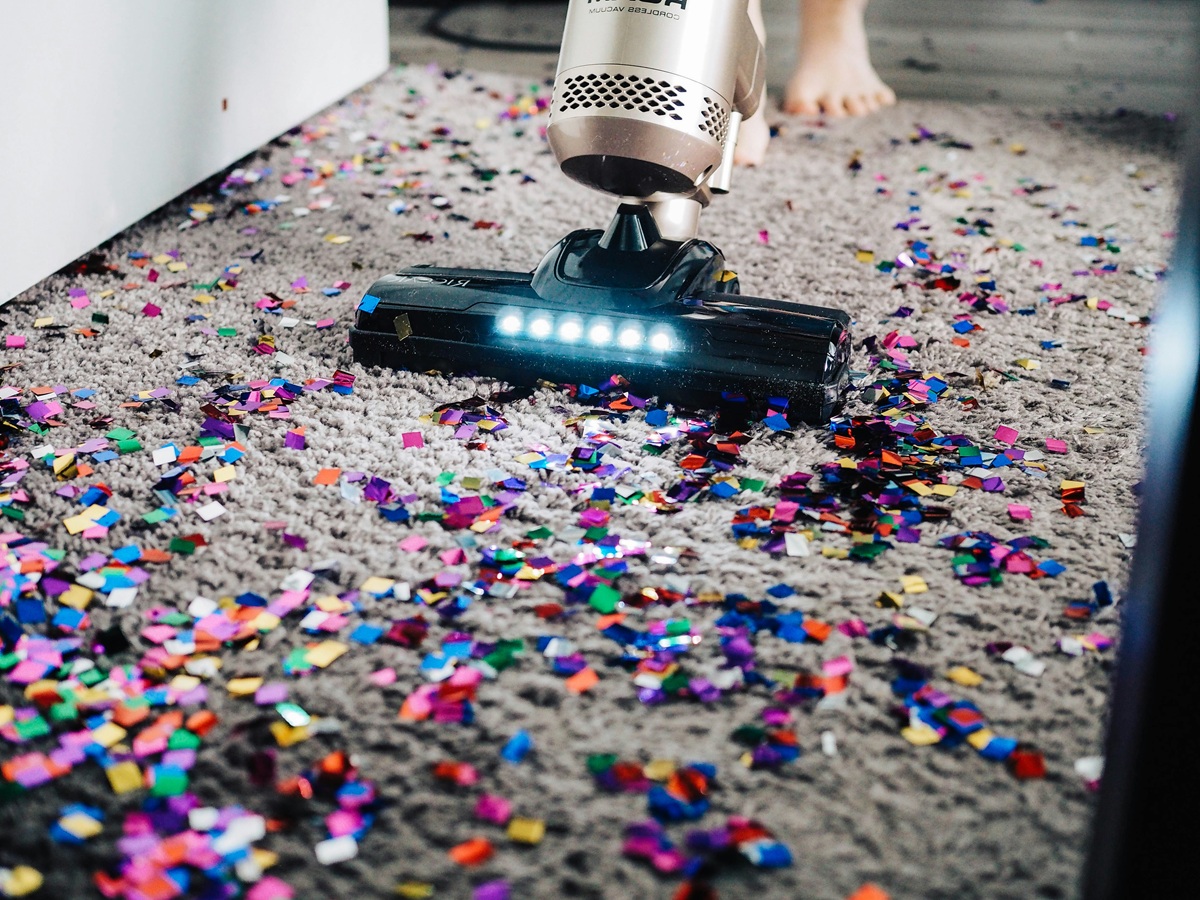
A cordless stick vacuum is useful for messes that need immediate attention. It can be taken from storage and used without unwinding a cable or searching for a power outlet.
These vacuums are particularly convenient in:
- Kitchens and dining areas
- Hallways and entryways
- Bedrooms
- Stairs
- Homes with children or pets
- Frequently used living areas
When comparing cordless vacuums, consider:
- Battery runtime at different power settings
- Charging time
- Weight and balance
- Dust-container capacity
- Ease of emptying and cleaning
- Replacement-filter availability
- Brush-roll maintenance
- Attachments for furniture and narrow spaces
Maximum advertised runtime is often measured at a lower power setting. Check how long the vacuum operates in the mode you are likely to use most frequently.
Convenience can matter as much as maximum suction. A lightweight vacuum stored within easy reach may be used more often than a larger machine kept in a difficult-to-access closet.
3. Steam Cleaner
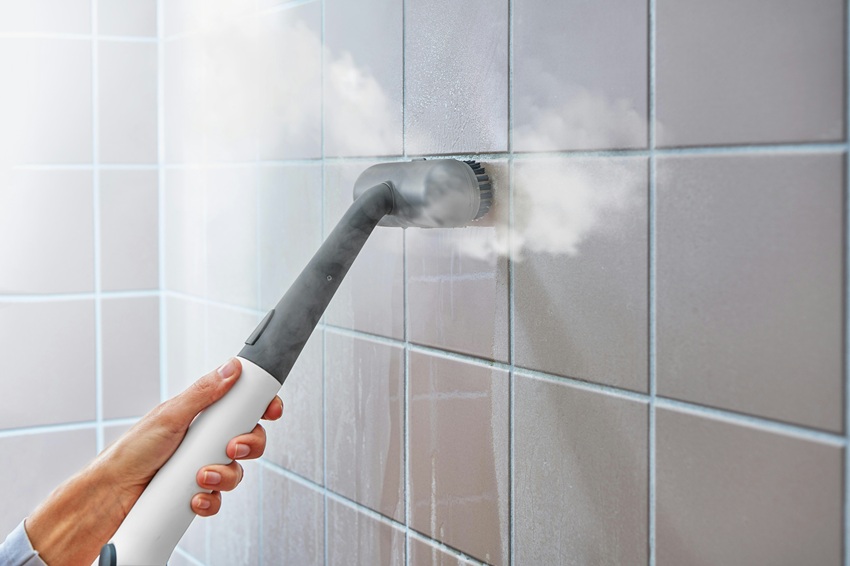
A steam cleaner uses heated water vapor to loosen dirt and grime from compatible surfaces. It can reduce reliance on cleaning products for some tasks, but it should not be treated as a universal cleaning solution.
Depending on the machine, attachment, and surface instructions, steam may be useful for:
- Ceramic tiles
- Some grout lines
- Shower screens
- Some sinks and kitchen surfaces
- Sealed hard floors approved for steam cleaning
- Other heat- and moisture-resistant surfaces
Steam can damage unsealed wood, waxed floors, some laminates, delicate fabrics, painted finishes, electronics, and materials that are sensitive to heat or moisture.
Always check both the steam cleaner instructions and the care requirements for the surface. Test an inconspicuous area first when appropriate.
A steam cleaner also requires safe handling. Avoid directing steam toward skin, people, pets, electrical equipment, outlets, or unknown materials.
4. Electric Window Vacuum
An electric window vacuum removes dirty water from glass after it has been washed. This can make window cleaning faster and reduce water running down frames, walls, and sills.
Window vacuums can also be useful on other smooth surfaces, including:
- Mirrors
- Shower screens
- Some smooth wall tiles
- Glass doors
- Other compatible nonporous surfaces
For good results, clean the rubber blade regularly and avoid dragging trapped grit across the glass. Overlap each pass slightly and empty the dirty-water tank before it becomes overfilled.
A window vacuum does not usually scrub the glass by itself. The surface still needs to be washed or treated with the manufacturer’s recommended cleaning method before the water is removed.
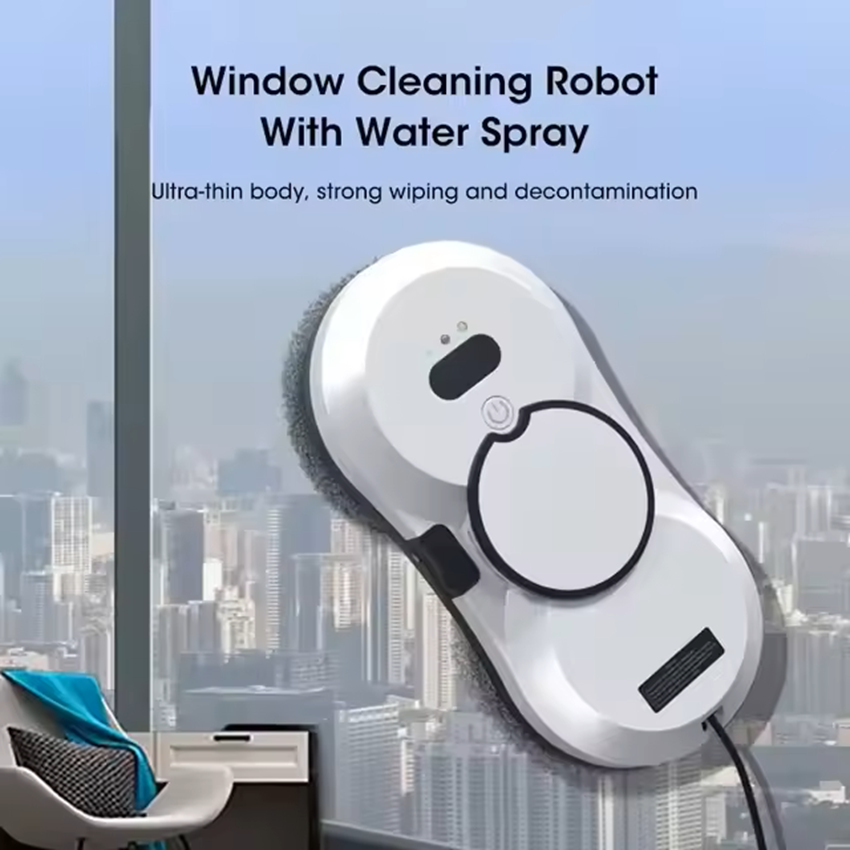
5. Window Cleaning Robot
A window cleaning robot can reduce some of the repetitive work involved in cleaning large areas of compatible glass.
The device attaches to the glass and moves across the surface using a programmed cleaning pattern. Depending on the design, it may use replaceable pads, cleaning solution, edge detection, a safety cord, or backup power.
A window robot is not suitable for every window. Before use, check:
- Minimum glass dimensions
- Glass thickness and type
- Frame and edge requirements
- Condition of the glass
- Access to a suitable power source
- Safety-cord attachment requirements
- Weather and operating limitations
Never assume that suction alone makes a device safe for elevated exterior use. Follow all safety instructions and do not use the robot on damaged, incompatible, wet, or unsuitable glass.
6. Electric Spin Scrubber
An electric spin scrubber can reduce the physical effort needed for cleaning jobs that normally require repeated hand scrubbing.
It may be convenient for compatible surfaces such as:
- Bathroom wall tiles
- Shower walls
- Bathtubs
- Some grout lines
- Durable kitchen surfaces
- Other washable materials
Models with extendable handles can make high, low, or awkward areas easier to reach while reducing bending and kneeling.
Choose the brush head according to the surface and type of dirt. A stiff or abrasive brush can scratch delicate finishes, polished materials, plastics, and some coatings.
For information about different tile surfaces and finishes, see this guide to modern bathroom tile design before using powered or abrasive cleaning tools.
7. Dishwasher
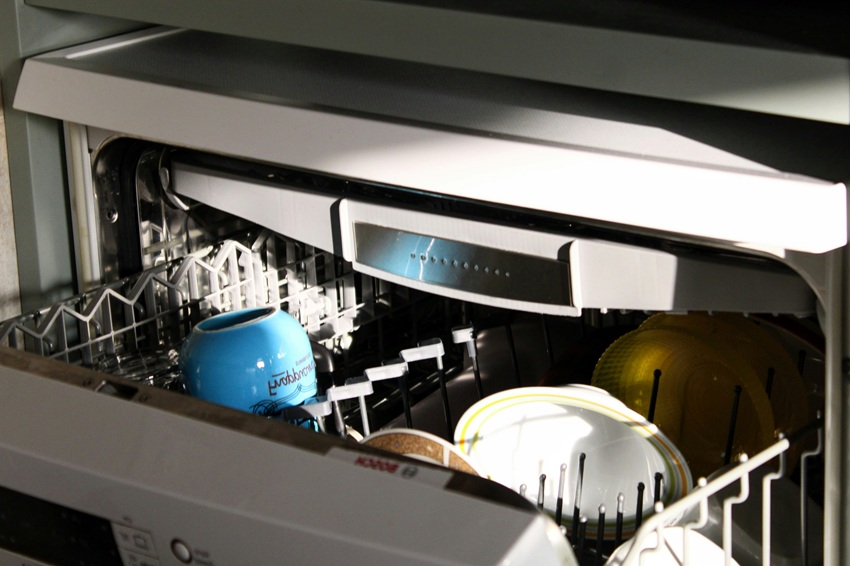
A dishwasher remains one of the most effective household appliances for reducing repetitive kitchen cleanup.
Instead of washing individual plates, glasses, utensils, and suitable cookware by hand, dishes can be loaded throughout the day and cleaned together using an appropriate program.
Full-size models generally suit larger households, while slimline, compact, and countertop models can be practical where kitchen space is limited.
For effective operation:
- Load dishes according to the manufacturer’s instructions.
- Avoid blocking spray arms.
- Do not overcrowd baskets.
- Use suitable detergent.
- Clean the filter regularly.
- Check and clean spray-arm openings when necessary.
- Refill salt or rinse aid if required by the machine and local water conditions.
Not every household item is dishwasher-safe. Check the care instructions for knives, wooden products, delicate glass, nonstick cookware, decorated dishes, and other sensitive items.
If you are planning appliance placement or improving kitchen workflow, these functional kitchen design ideas may help with cabinetry, counters, storage, and integrated appliances.
8. Garbage Disposal
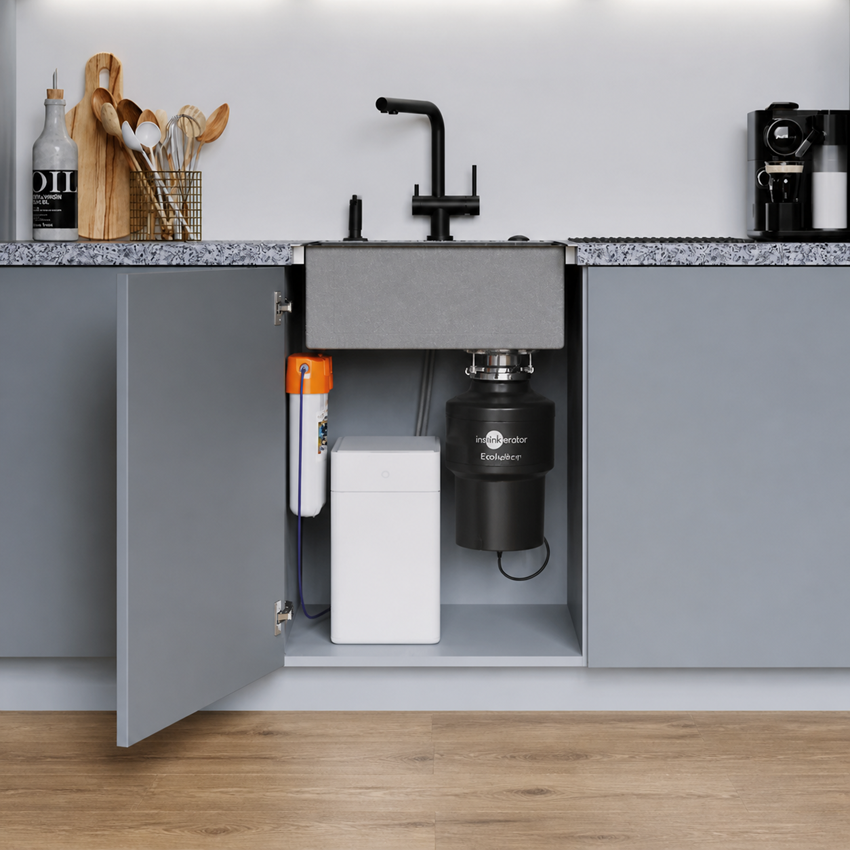
A garbage disposal is installed beneath a compatible kitchen sink and processes certain food scraps so they can pass through the wastewater system.
Where local plumbing systems and regulations permit their use, garbage disposals can make some food-preparation and sink-cleaning tasks more convenient.
They are not designed for every type of kitchen waste. Product restrictions vary, but unsuitable materials may include:
- Grease and cooking oil
- Hard nonfood objects
- Large quantities of fibrous material
- Materials specifically prohibited by the manufacturer
- Waste restricted by local plumbing requirements
Never place your hand inside a disposal. Disconnect or isolate the unit according to its instructions before attempting permitted maintenance, and contact a qualified professional when the appliance is blocked or damaged.
9. Handheld Vacuum Cleaner
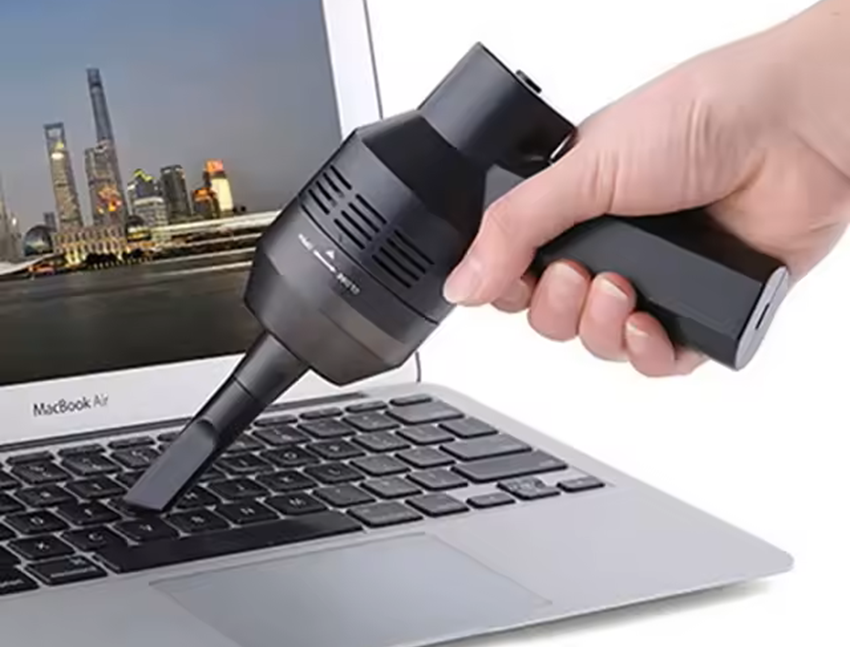
A handheld vacuum is useful for small jobs that do not justify using a full-size machine.
It can quickly remove loose debris from:
- Sofas and chairs
- Stairs
- Drawers and shelves
- Kitchen surfaces after dry food preparation
- Car interiors
- Desks and work areas
Useful attachments may include a crevice tool, soft dusting brush, upholstery nozzle, and flexible extension.
When cleaning computers, keyboards, and electronic equipment, switch the device off and follow its manufacturer’s care instructions. Avoid allowing the vacuum nozzle to strike delicate parts or pull on keys, cables, and connectors.
10. Air Purifier
An air purifier does not clean floors, shelves, or furniture, so it is not a replacement for vacuuming and dusting. However, a suitable purifier can support a cleaning routine by filtering some airborne particles as air passes through the unit.
Depending on its filter system, an air purifier may capture particles such as dust, pollen, and pet dander.
When comparing air purifiers, consider:
- Recommended room size
- Air-cleaning capacity
- Filter type
- Replacement-filter price and availability
- Noise at different fan speeds
- Energy consumption
- Ease of maintenance
- Placement requirements
An air purifier should be treated as part of indoor air management, not as a substitute for ventilation, source control, dusting, or vacuuming.
Filters need to be cleaned or replaced according to the manufacturer’s schedule. A neglected filter can reduce airflow and performance.
How to Choose Cleaning Gadgets That Are Actually Useful
The best cleaning gadget is not necessarily the newest or most advanced device. It is the one that solves a recurring problem and fits naturally into your cleaning routine.
Before buying, ask:
- Which task takes the most time? Start with a problem you face regularly.
- How often will the device be used? A rarely used gadget may only create clutter.
- Does it suit the surfaces in the home? Check flooring, worktops, glass, fabrics, and other materials.
- Where will it be stored? Large tools need accessible storage space.
- How much setup is required? Preparation should not take longer than manual cleaning.
- How much maintenance does it need? Tanks, filters, brushes, pads, and sensors require attention.
- Are replacement parts available? Check the price of filters, batteries, pads, bags, and brushes.
- Is it comfortable to use? Weight, noise, handle design, and controls matter.
- Does it have ongoing costs? Include filters, cleaning solution, electricity, and accessories.
You do not need all ten devices. For many households, one versatile vacuum, a dishwasher, or a steam cleaner approved for the home’s surfaces may provide more practical value than several specialized appliances.
If you prefer simple routines instead of buying additional equipment, see these home hacks and tips for keeping rooms clean.
Cleaning Gadget Maintenance and Storage
Cleaning tools cannot work effectively when their filters, tanks, brushes, and pads are dirty.
After use, follow the manufacturer’s instructions for:
- Emptying dust containers and dirty-water tanks
- Drying washable components
- Cleaning or replacing filters
- Removing hair from rotating brushes
- Descaling water-heating equipment when required
- Charging and storing batteries
- Checking cables, plugs, hoses, and attachments
Do not store equipment with water remaining in the tank unless the manufacturer specifically permits it. Damp pads, brushes, and filters should normally be allowed to dry before enclosed storage.
Store cleaning products and powered appliances where they are protected from moisture, excessive heat, and access by children. Battery-powered devices should be stored and charged according to their safety instructions.
A dedicated household-work area can make supplies easier to organize. These practical laundry room ideas include storage and layout suggestions for frequently used household items.
Frequently Asked Questions
Which cleaning gadget saves the most time?
The answer depends on the household. A robot vacuum may save the most time in a home with pets and hard floors, while a dishwasher may provide greater value for a family that prepares meals every day.
Can a robot vacuum replace a regular vacuum cleaner?
Usually not completely. Robot vacuums are useful for regular floor maintenance, but stairs, upholstery, corners, and deep cleaning may still require a conventional or handheld vacuum.
Is a steam cleaner safe for every floor?
No. Steam can damage materials that are sensitive to heat or moisture. Check both the flooring manufacturer’s care instructions and the steam cleaner documentation before use.
Is a window cleaning robot safe for exterior windows?
Only use it on glass and in conditions approved by the manufacturer. Follow all requirements for safety cords, backup systems, window dimensions, frames, weather, and glass condition.
Does an air purifier reduce household dust?
An air purifier may capture some airborne particles before they settle, but it cannot remove dust already present on floors and furniture. Regular vacuuming, dusting, ventilation, and source control remain necessary.
Are electric scrubbers safe for bathroom tiles?
They may be suitable for many durable tiles, but the brush and cleaning product must be compatible with the surface. Test cautiously and avoid aggressive brushes on polished, coated, or scratch-sensitive materials.
What should I check before buying a cordless vacuum?
Compare realistic battery runtime, weight, dust-container capacity, filter maintenance, brush design, attachments, replacement-part availability, and storage requirements.
How often should cleaning gadget filters be replaced?
Follow the manufacturer’s schedule. Replacement frequency depends on the filter, usage, indoor conditions, and whether the component is washable or disposable.
Final Thoughts
Cleaning gadgets are most valuable when they automate repetitive work or make an uncomfortable task noticeably easier.
Instead of filling cabinets with specialized devices, identify the chores that consume the most time. A robot vacuum can maintain floors regularly, a dishwasher can reduce kitchen cleanup, and a cordless vacuum can make small messes easier to remove immediately.
A few carefully selected and properly maintained cleaning gadgets will usually be more useful than owning a separate appliance for every household task.