What Is the Best Paint Finish for Interior Walls?
Matte and eggshell are versatile choices for living rooms and bedrooms.
Satin may be more practical in busy areas that need regular wiping.Paint sheen affects more than appearance.
It can influence how visible wall imperfections become, how light moves through the room, and how easily marks can be removed.
The performance of the individual paint product is also important.
What Is an Interior Paint Finish?
Paint finish, also called paint sheen, describes how much light a dried painted surface reflects.
A flat finish has very little visible reflection.
Glossy paint creates a much more reflective surface.
The common finish categories are:
- Flat
- Matte
- Eggshell
- Satin
- Semi-gloss
- Gloss or high-gloss
These names are useful for comparison, but they are not perfectly standardized between manufacturers.
One company’s matte paint may resemble another company’s low-sheen eggshell.
Always inspect a sample and review the product specifications.
As sheen increases, reflections usually become more visible.
Surface irregularities may also become easier to see.
However, durability and washability depend on the entire paint formula, not only its sheen.
Flat Paint Finish
Flat paint has very little visible sheen.
Its low reflection helps create a soft and uniform appearance.
It can also make minor patches, dents, and uneven textures less noticeable.
Flat paint is commonly considered for:
- Ceilings
- Low-traffic bedrooms
- Formal living or dining areas
- Walls with minor surface imperfections
- Large surfaces where glare is undesirable
Advantages of Flat Paint
- Produces very little glare
- Helps disguise minor imperfections
- Provides a soft and understated appearance
- Works well on many ceilings
Disadvantages of Flat Paint
- Some products are less resistant to repeated cleaning
- Marks may be difficult to remove without affecting the finish
- Touch-ups may remain visible if the original surface has aged
Washable flat paints are available.
Check the technical information instead of assuming that every flat product has the same durability.
Matte Paint Finish
Matte paint provides a low-sheen surface with limited reflection.
It is widely used where a calm, smooth-looking finish is preferred.
Matte finishes can make dark or saturated colors appear rich and visually consistent.
They also work well with interiors that use restrained colors and simple furniture.
Matte paint is often suitable for:
- Living rooms
- Bedrooms
- Dining rooms
- Home offices
- Moderate-traffic spaces
Modern premium matte paints may provide good washability.
This makes the product’s stated cleaning resistance more important than the traditional assumption that all matte paint is delicate.
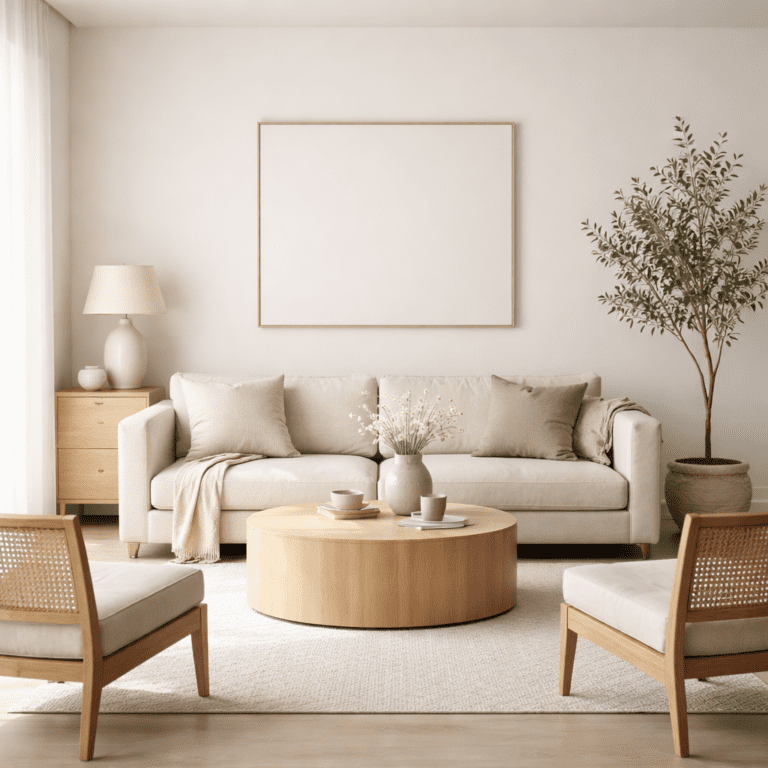
A low-reflection finish can complement
minimalist interior design,
where wall color and texture often provide a quiet background for furniture and architecture.
Eggshell Paint Finish
Eggshell sits between matte and satin.
It has a subtle sheen that is often more noticeable when daylight or artificial light reaches the wall at an angle.
For many homes, eggshell provides a useful balance.
It creates less glare than satin while often offering easier maintenance than traditional flat paint.
Eggshell is commonly used in:
- Living rooms
- Dining rooms
- Bedrooms
- Open-plan living areas
- Moderately used hallways
- Home offices
Advantages of Eggshell
- Subtle rather than strong reflection
- Versatile appearance
- Often easier to clean than traditional flat paint
- Suitable for many general living spaces
Possible Disadvantages
- Can reveal more wall texture than flat or matte paint
- May show application marks if the wall is painted unevenly
- Washability still varies between products
Satin Paint Finish
Satin paint has a more noticeable sheen than eggshell.
It reflects more light and can make the surface appear smoother from a distance.
This finish is often selected for busy areas that may collect fingerprints, marks, or light splashes.
However, the added reflection can emphasize poor preparation.
Satin paint may be suitable for:
- Kitchens
- Children’s rooms
- Entryways
- Busy hallways
- Laundry rooms
- Frequently touched walls
Advantages of Satin
- Often tolerates regular cleaning
- Creates a smooth-looking surface
- Reflects more available light
- Can work on walls and selected trim
Possible Disadvantages
- Highlights bumps, patches, and uneven drywall
- Can show roller or brush marks
- Creates more glare near windows and bright fixtures
Prepare the wall carefully and maintain a wet edge during application.
Uneven spreading can be more visible with satin than with lower-sheen finishes.
Semi-Gloss and Gloss Paint Finishes
Semi-gloss produces a clearly reflective surface.
It is normally used selectively rather than across every wall in a bedroom or living room.
Common applications include:
- Doors
- Door frames
- Window trim
- Baseboards
- Built-in furniture
- Cabinetry
- Other frequently touched surfaces
Semi-gloss can create an attractive contrast with matte or eggshell walls.
The wall and trim may use the same color but appear different because of the change in sheen.
Gloss and high-gloss finishes create even stronger reflections.
They can be effective on carefully prepared details, but they reveal almost every surface defect.
Professional-level preparation may be needed for a smooth result.
Interior Paint Finish Comparison
| Finish | Typical sheen | Common applications | Main advantage | Main limitation |
|---|---|---|---|---|
| Flat | Very low | Ceilings and low-traffic walls | Helps hide imperfections | Some products are difficult to clean |
| Matte | Low | Living rooms and bedrooms | Soft, low-reflection appearance | Durability varies by product |
| Eggshell | Low to moderate | Most general living spaces | Balances appearance and maintenance | Shows more texture than matte |
| Satin | Moderate | Kitchens, hallways and children’s rooms | Often washable and durable | Can reveal wall defects |
| Semi-gloss | High | Doors, trim and cabinets | Frequently easy to wipe | Strongly highlights imperfections |
| Gloss | Very high | Selected decorative details | Creates a strong reflective effect | Requires excellent preparation |
This table provides a general comparison.
Actual sheen, washability, moisture resistance, and recommended applications vary by manufacturer and product line.
Best Paint Finish for Interior Walls by Room
Living Room
Matte or eggshell is usually suitable.
Matte creates a softer background, while eggshell may offer easier maintenance in a frequently used family room.
Consider the direction of daylight.
A long wall opposite a large window may display more sheen and surface texture than expected.
Bedroom
Matte and eggshell are versatile bedroom choices.
These finishes avoid the stronger reflections produced by satin or semi-gloss.
Eggshell may be more practical in a child’s bedroom or another space where the walls need regular wiping.
Check the product’s cleaning instructions.
Kitchen
A washable eggshell or satin finish may be practical for general kitchen walls.
Cooking areas can collect fingerprints, moisture, and splashes.
Wall paint should not replace a suitable backsplash near sinks, worktops, or cooking surfaces.
Use materials approved for those locations.
Bathroom
Choose paint specifically recommended for bathrooms or humid rooms.
Product formulation, ventilation, surface preparation, and drying conditions matter more than selecting sheen alone.
Do not assume that every satin or semi-gloss product is suitable for a high-moisture environment.
Follow the paint manufacturer’s recommendations.
Hallway and Entryway
Eggshell or satin can work well in busy circulation areas.
Bags, hands, shoes, and furniture may leave marks on narrow hallway walls.
A washable matte product may also be suitable when you prefer a lower-sheen appearance.
Compare its stated scrub and stain resistance.
Children’s Room or Playroom
Durability and cleaning resistance are usually priorities.
Washable eggshell or satin products are common choices.
Allow the paint to cure according to the manufacturer’s instructions before subjecting it to repeated cleaning.
Dry paint is not always fully cured paint.
Laundry Room
A washable eggshell or satin finish may be useful.
Choose a product suitable for the room’s humidity and ventilation conditions.
Home Office
Matte or eggshell provides a low-reflection background.
This can be helpful when lamps, windows, and computer screens already create several bright areas.
Ceiling
Flat paint remains a common ceiling choice because it limits glare and makes minor surface irregularities less noticeable.
Bathrooms and kitchens may require a ceiling paint intended for their moisture and cleaning conditions.
Doors, Baseboards and Trim
Satin or semi-gloss is often selected for trim because these surfaces receive more contact.
A different sheen can define architectural details without introducing another color.
Which Paint Finish Hides Wall Imperfections?
Flat and matte finishes generally conceal minor imperfections better than satin or semi-gloss.
They scatter less reflected light across bumps, patches, and uneven textures.
Paint cannot hide major damage.
Cracks, loose material, pronounced patches, moisture damage, and poorly finished joints should be repaired before painting.
Applying several coats of high-build paint is not a substitute for proper surface preparation.
Additional layers may make edges and texture differences more noticeable.
If the wall has significant texture, test the paint under both daylight and artificial light.
Light moving across the surface at a shallow angle can reveal defects that are not visible from the front.
Sheen, Durability and Washability
Higher sheen has traditionally been associated with greater stain resistance and easier cleaning.
Modern paint technology makes the relationship less predictable.
Some premium matte paints are designed to tolerate repeated wiping.
Check the product information for:
- Recommended rooms and surfaces
- Washability or scrub resistance
- Stain resistance
- Moisture suitability
- Required primer
- Application temperature
- Drying and recoating times
- Full curing time
- Recommended cleaning methods
Do not scrub freshly painted walls immediately.
Paint may feel dry while still needing additional time to reach its intended durability.
How Paint Sheen Changes the Appearance of Color
The same paint color can look different in matte, eggshell, and satin finishes.
Greater reflection can make the color appear brighter or more variable as the viewing angle changes.
Dark satin paint may reveal wall texture and reflected highlights.
Dark matte paint often looks deeper and more consistent, although its cleaning performance depends on the product.
Lighting temperature also affects the result.
Warm lamps can make some whites and neutrals appear creamier.
Cooler daylight may reveal blue, green, or gray undertones.
Test the exact color and finish together.
A color sample in another sheen may not accurately represent the final wall.
Prepare Interior Walls Before Painting
Even the best paint finish for interior walls will look disappointing over a dirty or damaged surface.
Preparation is especially important with satin, semi-gloss, and dark colors.
- Protect floors, furniture, fixtures, and adjacent surfaces.
- Clean the wall using an appropriate method.
- Allow the surface to dry.
- Repair holes, cracks, and damaged areas.
- Sand suitable repairs when necessary.
- Remove dust safely.
- Apply the recommended primer.
- Test the color and finish in the room.
- Follow the stated application and drying conditions.
Our guide to
painting a cleaner and easier project
contains additional preparation and application tips.
Older painted surfaces may contain hazardous materials.
Determine whether special testing and work practices are required before sanding or disturbing an unknown coating.
Interior Painting and Ventilation
Read all paint, primer, cleaner, and filler labels before use.
Follow their ventilation, protective-equipment, storage, and disposal instructions.
The
U.S. Environmental Protection Agency’s indoor air guidance
recommends providing plenty of fresh air when painting or using products that may release volatile organic compounds.
Opening windows and using suitable fans may help when weather and site conditions permit.
Keep paint and related products away from children, pets, flames, and heat sources.
Do not mix products unless their labels specifically direct you to do so.
A low- or zero-VOC label does not remove the need to follow the product’s safety directions.
Colorants and other ingredients may affect the final formulation.
Common Paint-Finish Mistakes
Choosing Sheen Without Checking the Product
Two paints described as eggshell may have different washability and reflection.
Compare the technical specifications and test samples.
Using High Sheen on Poorly Prepared Walls
Satin and semi-gloss can highlight patches, roller marks, dents, and uneven drywall.
Repair and prime the surface first.
Assuming Every Bathroom Needs Semi-Gloss
A bathroom needs a product suited to its humidity and ventilation.
The correct formulation is more important than relying on the finish name alone.
Testing Only the Color
Color and sheen work together.
Test the exact finish you intend to use.
Ignoring Daylight and Artificial Light
Inspect the sample in the morning, afternoon, and evening.
Reflections and undertones can change throughout the day.
Cleaning the Paint Too Soon
Respect the full curing period before washing or scrubbing.
Premature cleaning may damage the surface.
Using One Finish Everywhere
A bedroom, hallway, bathroom, and door trim have different requirements.
Selecting by room usually produces a better result.
Frequently Asked Questions
What is the best all-around paint finish for interior walls?
Eggshell is a versatile starting point because it provides restrained sheen and practical maintenance.
A washable matte paint may be preferable when you want a softer appearance.
Is matte or eggshell better for walls?
Matte reflects less light and usually hides minor imperfections better.
Eggshell often provides easier cleaning.
The best choice depends on the wall and the individual paint product.
Is eggshell or satin better for interior walls?
Eggshell is often suitable for living rooms and bedrooms.
Satin may be more practical in busy kitchens, hallways, laundry rooms, or children’s spaces.
Which paint finish is easiest to clean?
Satin and semi-gloss have traditionally been easier to wipe.
Some modern matte and eggshell paints also provide strong washability.
Check the product specifications.
Which finish hides uneven walls?
Flat and matte finishes usually make minor wall defects less noticeable.
Significant damage should still be repaired before painting.
What paint finish should I use in a bathroom?
Use an interior paint specifically recommended for bathrooms or humid spaces.
Follow the manufacturer’s instructions for sheen, primer, ventilation, and surface preparation.
Should walls and trim use the same finish?
They do not have to.
A common approach uses matte or eggshell on walls and satin or semi-gloss on trim.
The contrast can define doors, frames, and baseboards.
Can I apply satin paint over matte paint?
It may be possible after suitable cleaning, repair, preparation, and priming.
Compatibility depends on the existing coating and the new paint.
Follow the product instructions.
Should I use flat or matte paint on a ceiling?
Flat paint is a common ceiling choice because it limits reflection.
Some rooms need a ceiling product designed for moisture or regular cleaning.
Final Thoughts
The best paint finish for interior walls is not the same in every room.
Matte and eggshell are strong choices for living rooms and bedrooms.
Washable eggshell or satin may work better in busy areas.
Flat paint remains useful for ceilings and imperfect surfaces.
Satin and semi-gloss are often better suited to doors, trim, and other frequently touched details.
Compare the complete product rather than choosing by sheen alone.
Wall condition, lighting, washability, moisture exposure, application quality, and manufacturer guidance all affect the final result.