
The 10‑Minute Reset

Keeping a home tidy does not always require a long cleaning session.
A short daily reset can help prevent clutter from building up and make everyday housekeeping easier to manage.
The idea behind the 10-Minute Reset is simple: set a timer, focus on the most visible and useful areas of the home, and stop when the time is up.
It is not a replacement for deep cleaning. Instead, it is a quick maintenance routine that helps keep surfaces clear, dishes under control, and frequently used rooms more organized between larger cleaning sessions.
What Is the 10-Minute Reset?
The 10-Minute Reset is a short tidying session designed to return the most-used areas of the home to a more organized state.
Instead of trying to clean everything, you concentrate on a few high-impact tasks such as:
- putting misplaced items away
- clearing tables and counters
- loading or unloading the dishwasher
- straightening cushions and blankets
- collecting laundry
- emptying a small wastebasket
- wiping a frequently used surface
The main idea is maintenance, not perfection. A ten-minute session should make the room easier to use without turning into a full cleaning project.
Why a Short Daily Reset Can Help
It Stops Small Messes From Accumulating
A few dishes, several pieces of clothing, unopened mail, and items left on tables may not seem like much individually.
When they accumulate for several days, however, the home can become much more time-consuming to tidy.
A short reset deals with these small problems before they grow.
It Is Easy to Fit Into a Routine
Ten minutes is short enough to fit into many parts of the day.
You might do it:
- after dinner
- before going to bed
- before leaving for work
- before guests arrive
- at the end of the working day if you work from home
It Reduces the Number of Decisions
A regular reset can make housekeeping simpler because you do not need to decide every day whether to tidy.
The habit already has a defined time and a limited duration.
It Works in Different Home Sizes
In a small apartment, ten minutes may be enough to reset several areas.
In a larger home, you can concentrate on one floor or a few high-use spaces rather than trying to cover the entire house.
How to Do a 10-Minute Reset
Step 1: Set a Timer
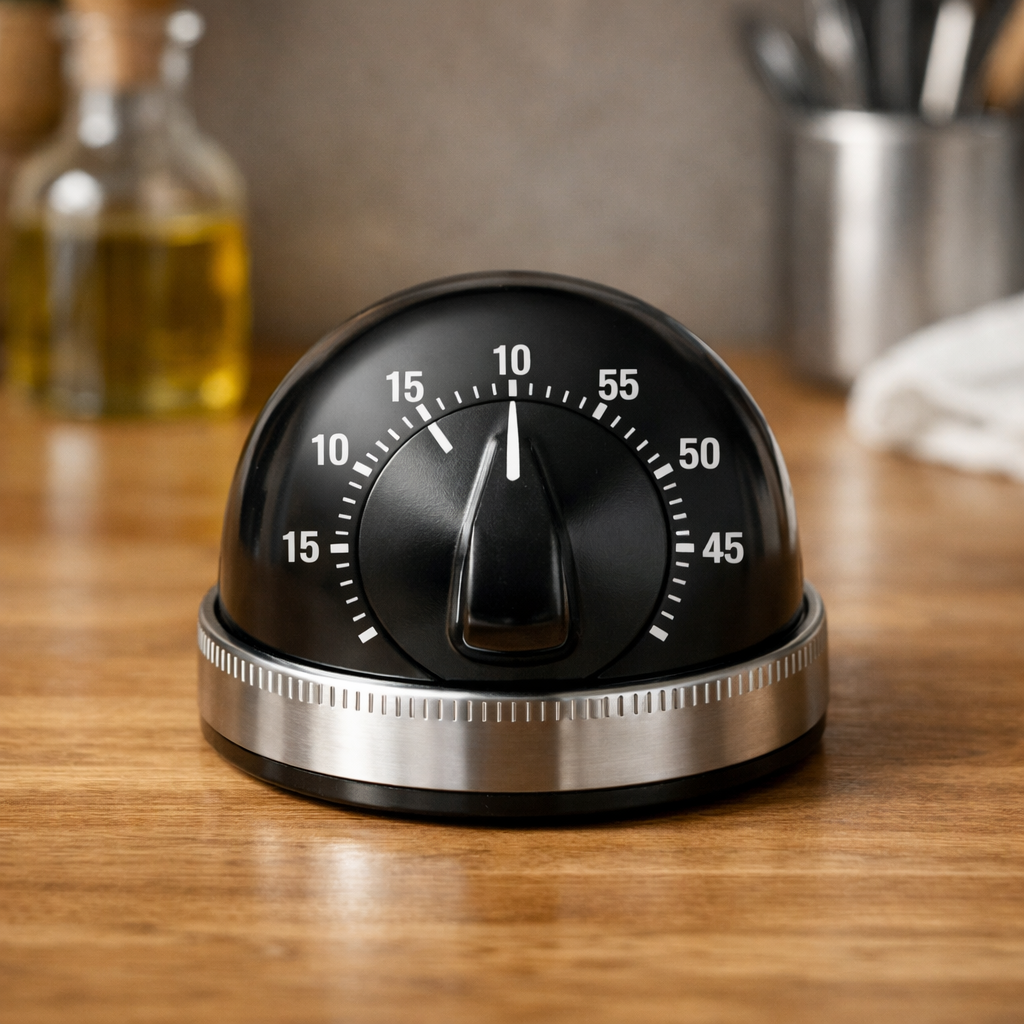
Set a timer for ten minutes before you begin.
The timer creates a clear stopping point and helps prevent a quick tidy from turning into an hour-long cleaning session.
Step 2: Start With the Most Visible Area
Begin where a small amount of effort will make the biggest difference.
This might be:
- the kitchen counter
- the living room coffee table
- the entryway
- the dining table
- the bathroom sink
Step 3: Put Things Away Instead of Moving Them
Try to take each item directly to its proper location rather than creating another temporary pile.
If something belongs in another room, take it there when practical rather than placing it on a chair or staircase for later.
Step 4: Clear Surfaces
Large visible surfaces have a strong effect on how tidy a room feels.
Focus first on:
- kitchen counters
- dining tables
- coffee tables
- desks
- bathroom counters
Step 5: Finish With One Quick Cleaning Task
If time remains, finish with one simple task such as:
- wiping the kitchen counter
- cleaning the bathroom sink
- sweeping a high-traffic area
- vacuuming visible crumbs
When the timer ends, stop. Anything that requires more time can become part of your normal cleaning routine.
10-Minute Reset Ideas for Every Room
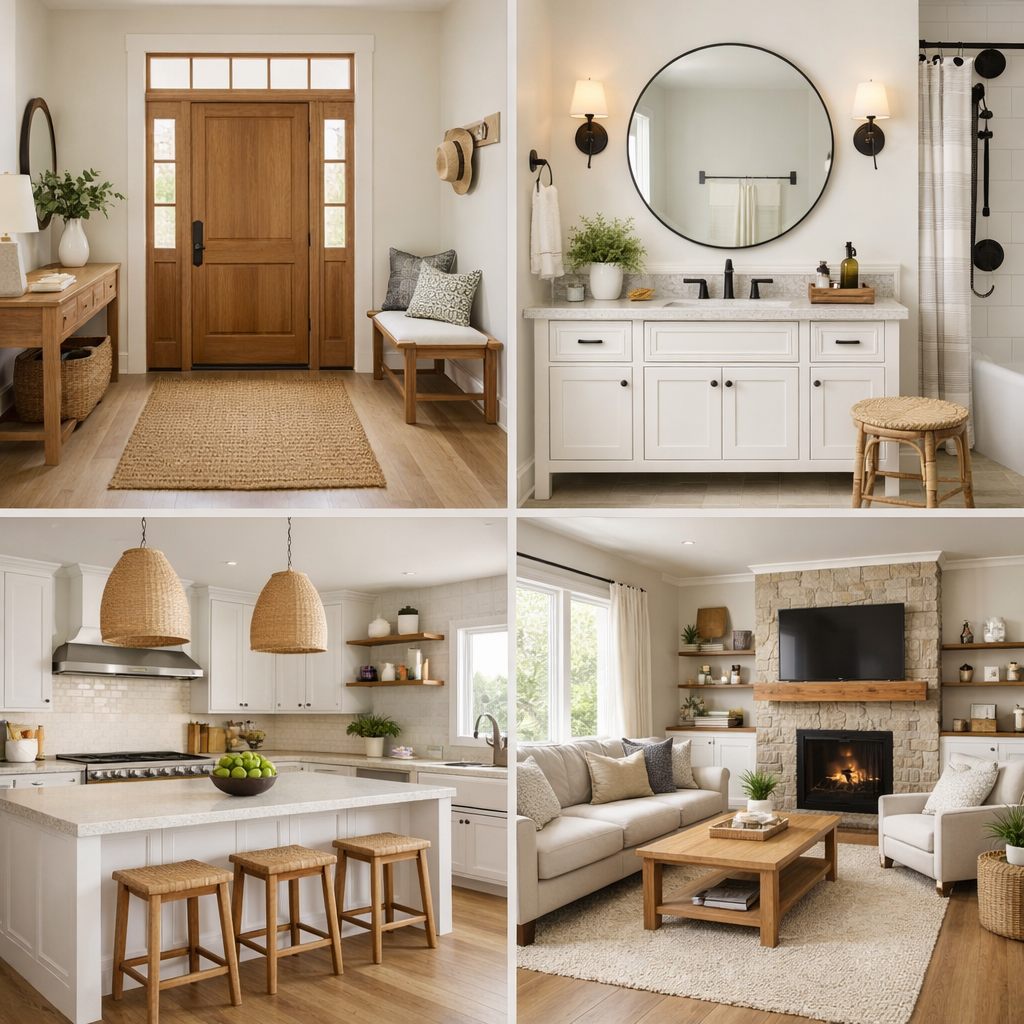
| Room | Quick Tasks |
|---|---|
| Kitchen | Load dishes, clear the sink, put food away, wipe the main counter |
| Living Room | Fold blankets, straighten cushions, collect cups, organize remotes, put toys away |
| Bedroom | Make the bed, put clothes in the hamper, clear nightstands, return items to drawers |
| Bathroom | Wipe the sink, hang towels, put toiletries away, empty a small bin if needed |
| Entryway | Organize shoes, hang coats, put bags away, sort visible mail |
Kitchen Reset
The kitchen often benefits most from a short evening reset because dirty dishes and food preparation quickly create visual clutter.
A simple order is:
- Put leftover food away.
- Load or stack dishes.
- Clear the sink.
- Wipe the main preparation area.
Living Room Reset
Concentrate on things that have moved during the day:
- cups
- books
- toys
- blankets
- remote controls
Returning these items to their normal places can change the appearance of the room very quickly.
Bedroom Reset
The bedroom reset can be especially simple:
- put clothing away or in the hamper
- clear the floor
- tidy the bedside table
- prepare clothes or essentials for the next day if useful
How to Involve the Whole Family
A ten-minute reset can be much more effective when several people participate at the same time.
Instead of one person trying to reset the whole home, family members can each take responsibility for a small area.
For example:
- one person clears the kitchen
- another tidies the living room
- children put away toys or personal belongings
- someone handles the entryway
Tasks should be appropriate for age and ability, and potentially hazardous cleaning jobs should remain with an adult.
For more ideas on sharing household responsibilities, see
how to motivate your family to help with chores
.
Tips for Making the 10-Minute Reset Easier
Keep Frequently Used Storage Easy to Reach
A routine is much easier when putting something away takes only a few seconds.
Use practical storage for everyday items rather than hiding them in locations that are difficult to access.
Use a Basket for Misplaced Items
A small basket can be useful for gathering objects that belong in another room.
The important part is to empty the basket regularly rather than allowing it to become permanent storage.
Keep Basic Cleaning Supplies Convenient
Store commonly used supplies where they are safe and easy to reach.
For example, keeping a suitable cloth near the kitchen can make a quick counter wipe much more likely to happen.
Pair the Reset With an Existing Habit
Habits are often easier to remember when attached to something you already do.
Examples include:
- after dinner
- after brushing your teeth in the evening
- before starting a favorite TV program
- before switching off the kitchen lights
Do Not Try to Deep Clean
If you discover a job that needs twenty or thirty minutes, make a note of it and continue with the reset.
The purpose of the routine is to restore order quickly, not to complete every cleaning task in the home.
Common 10-Minute Reset Mistakes
Trying to Clean the Entire Home
Ten minutes is deliberately limited. Concentrate on the areas that matter most rather than rushing through every room.
Starting With a Large Project
Do not begin by reorganizing a wardrobe, sorting a full drawer, or cleaning an oven.
Those are separate tasks.
Creating Temporary Piles
Moving clutter from a table to a chair does not really reset the room.
Whenever practical, return items to their proper location.
Expecting the Home to Look Perfect
A reset is successful when the space becomes easier to use and noticeably tidier.
It does not need to look like a staged photograph.
Using the Reset Instead of Regular Cleaning
Quick daily maintenance does not replace vacuuming, bathroom cleaning, laundry, floor care, or other deeper household tasks.
It works best as one part of a larger routine.
Frequently Asked Questions
Does the 10-Minute Reset really have to take exactly ten minutes?
No. Ten minutes is simply a useful limit. Some days you may finish in five minutes, while another day you may choose fifteen. The important idea is to keep the routine short and manageable.
Should I do the reset once or twice a day?
That depends on your household. One evening reset may be enough for many homes. Busy families may prefer a short morning reset and another after dinner.
What should I do first?
Start with the area creating the most visible clutter or interfering most with normal use. Kitchen counters, dining tables, living rooms, and entryways are common starting points.
Can children participate?
Yes, children can help with age-appropriate tasks such as putting away toys, placing clothes in a hamper, organizing shoes, or clearing safe items from a table.
Does a daily reset replace deep cleaning?
No. It is a maintenance routine designed to prevent everyday clutter from accumulating. Regular cleaning is still needed for floors, bathrooms, kitchens, dust, and other household areas.
Related Home Organization Guides
Guide to Minimalist Living
5 Steps to Effective Housekeeping
How to Motivate Your Family to Help with Chores
Home Hacks for Clean and Organized Rooms
Final Thoughts
The 10-Minute Reset works because it keeps the goal small.
Instead of waiting until the home feels overwhelmingly messy, you spend a short period returning everyday items to their places, clearing important surfaces, and dealing with a few visible cleaning tasks.
The routine does not need to be perfect or identical every day. Focus on the areas that affect your household most and adjust the reset to the way you actually live.
A few minutes of regular maintenance can make larger cleaning sessions easier and help the home stay more functional between them.