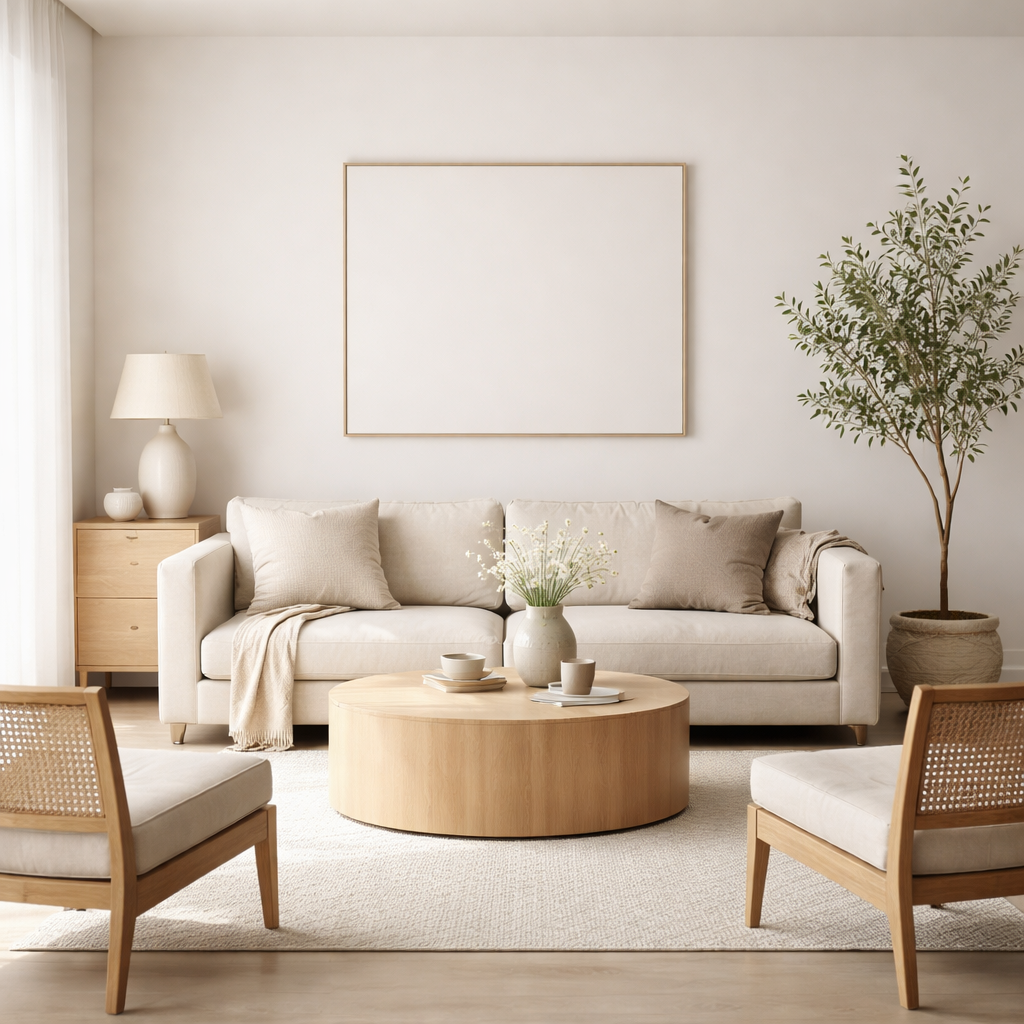
Minimalist Living Guide: How to Simplify Your Home and Habits
Minimalist living is an intentional approach to possessions, purchases, space, time, and everyday habits.
It does not require an empty home or a strict limit on how many things you can own.
The purpose is to keep what is useful, meaningful, or genuinely enjoyable.
Reducing unnecessary belongings can make a home easier to use, organize, and clean.
You do not need to declutter the entire house at once.
Begin with one drawer, shelf, or small category.
Then build routines that prevent unwanted items from accumulating again.
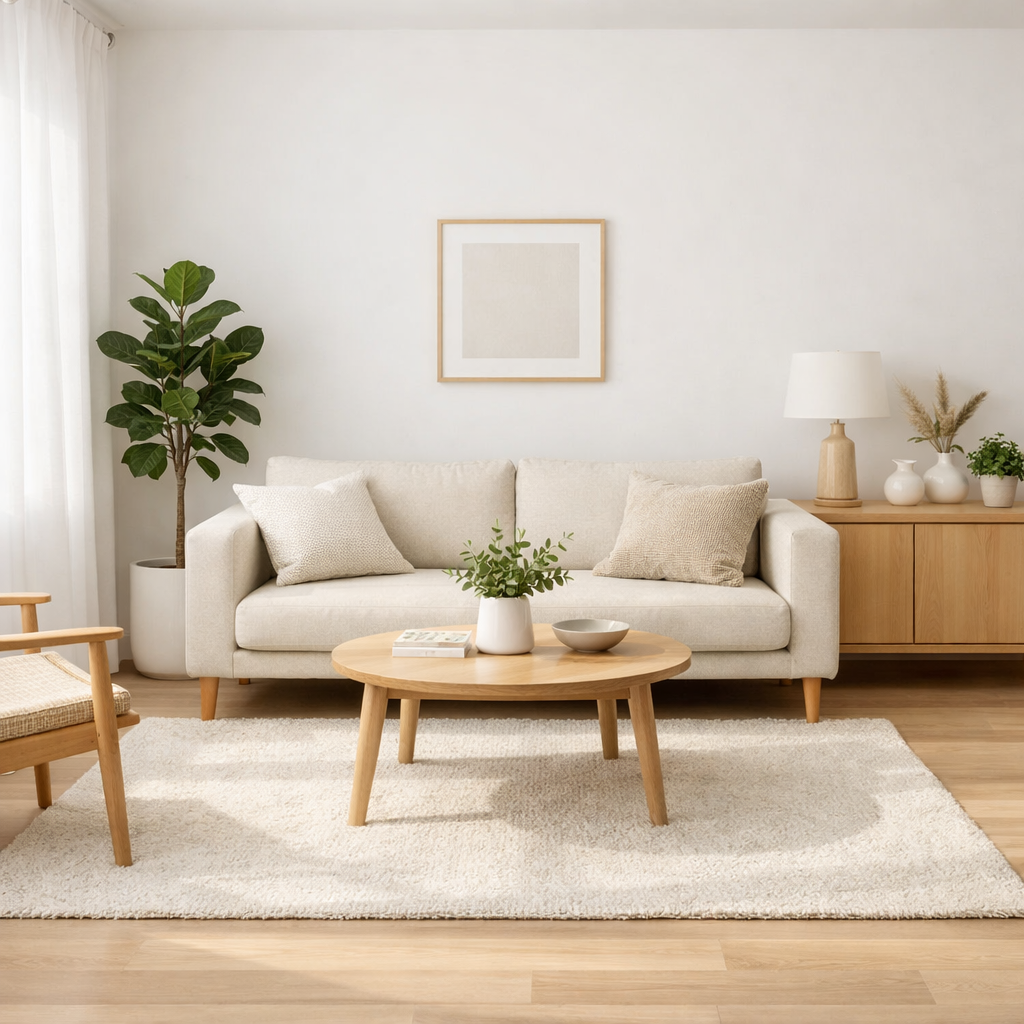
What Is Minimalist Living?
Minimalist living means deciding deliberately what occupies your home and attention.
It replaces automatic accumulation with considered choices.
A practical minimalist approach can be built around four principles:
- Usefulness: keep items that support real activities and responsibilities.
- Meaning: make room for possessions with genuine personal value.
- Intentionality: think before bringing new items into the home.
- Maintainability: organize possessions in a way the household can sustain.
Minimalism is relative.
A large family, musician, gardener, or home-based professional may need more equipment than someone living alone.
The appropriate amount depends on actual life rather than an online example.
The objective is not to remove everything.
It is to reduce possessions and commitments that no longer justify the space, money, maintenance, or attention they require.
What Minimalism Is Not
Minimalism Is Not an Empty Interior
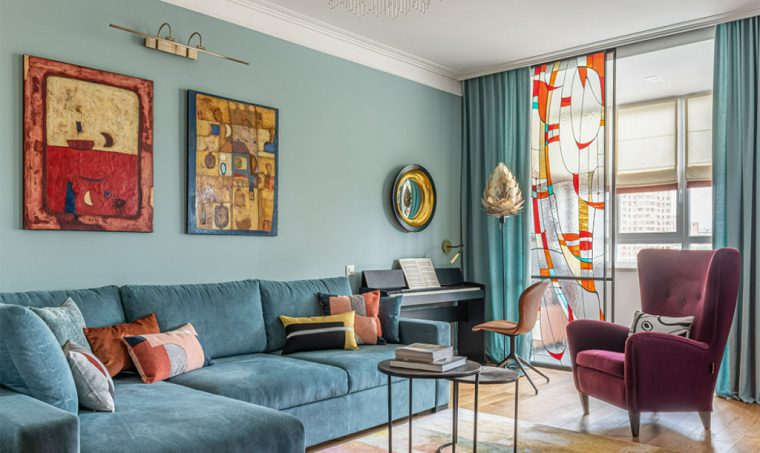
A minimalist home can contain books, art, photographs, plants, collections, color, and comfortable furniture.
The objects should feel intentional rather than accidental.
Minimalism Is Not a Competition
There is no correct number of clothes, dishes, books, or pieces of furniture.
Owning fewer objects than someone else does not make a home more functional.
Minimalism Is Not Constant Disposal
Throwing away useful belongings to reach an arbitrary target can create waste and replacement costs.
Use, repair, donate, sell, or recycle items when appropriate.
Minimalism Is Not One Interior Style
Neutral colors and simple furniture are commonly associated with minimalist design.
They are not requirements for a minimalist lifestyle.
A colorful or traditional home can still be intentional and easy to manage.
For the visual side of the subject, see
why minimalist interior design remains popular.
Minimalism Is Not a Solution to Every Problem
Reducing clutter can improve household function.
It does not guarantee happiness, eliminate stress, or resolve financial, relationship, or health problems.
Treat minimalism as a practical tool rather than a cure or identity.
Practical Benefits of a Simpler Home
Easier Cleaning
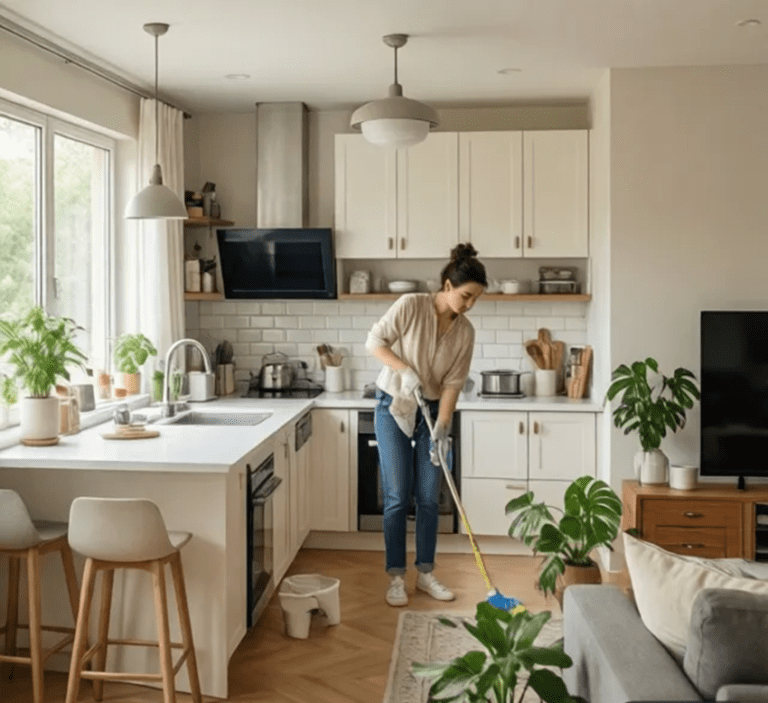
Objects on floors and surfaces must be moved before those areas can be cleaned.
Reducing unnecessary items can make dusting, vacuuming, and wiping faster.
Less Time Spent Searching
Possessions are easier to locate when storage is not overcrowded.
Clear categories and consistent locations reduce repeated searching.
More Usable Space
Removing unused furniture and stored belongings can reveal floor, shelf, and worktop space.
This is particularly valuable in compact homes.
Simpler Household Routines
It is easier to put objects away when storage areas have free capacity.
Daily resets may also take less time.
More Deliberate Purchases
Decluttering often reveals repeated buying patterns.
You may discover duplicate products, unused sale purchases, or items that never suited the household.
Clearer Visual Priorities
A smaller number of visible objects allows artwork, furniture, and meaningful possessions to receive more attention.
These results depend on the home and household.
Minimalism should remove friction rather than introduce strict new rules.
How to Start Minimalist Living
Define Why You Want to Simplify
A clear reason helps guide difficult decisions.
Possible goals include:
- reducing cleaning time
- making a small home easier to use
- creating room for a new activity
- reducing unnecessary purchases
- preparing for a move
- making storage easier to manage
“Own fewer things” is less useful than a specific goal.
For example, “keep the dining table clear for meals and homework” provides a practical standard.
Start With an Easy Area
Choose one contained area that can be completed in a short session:
- a bathroom drawer
- one wardrobe shelf
- a kitchen utensil drawer
- the entrance console
- one section of a bookcase
Avoid emptying several rooms or cupboards simultaneously.
An unfinished sorting project can make the home less functional.
Set a Physical Boundary
Work within one drawer, shelf, cabinet, or category.
Do not expand the project until that boundary has been restored.
Begin With Easy Decisions
Start with obvious trash, expired products, broken items, and duplicates you clearly do not use.
Leave highly sentimental or complicated categories until your decision process is stronger.
A Practical Minimalist Decluttering Method
Step 1: Remove Everything From One Limited Area
Take out the contents of one drawer, shelf, or small cabinet.
Avoid emptying an entire room unless you can finish it that day.
Step 2: Clean the Empty Space
Clean the surface using a method appropriate for the material.
This prevents dust and residue from being placed beneath the items you keep.
Step 3: Sort the Contents
Use simple categories:
- keep here
- move to another room
- donate or give away
- sell
- repair
- recycle
- dispose of safely
- undecided
Limit the undecided category.
Give it a review date so that it does not become permanent storage.
Step 4: Ask Practical Questions
- Do I use this?
- When did I last use it?
- Does another item perform the same function?
- Would I buy it again today?
- Does it fit my current home and lifestyle?
- Is it worth the space and maintenance it requires?
- Would replacing it later be difficult or expensive?
Frequency of use is not the only standard.
Emergency supplies, seasonal tools, legal documents, and sentimental possessions may be important even when used rarely.
Step 5: Return Only What Belongs There
Arrange frequently used objects where they are easy to reach.
Place less frequently used items higher, lower, or farther back.
Leave some free capacity when possible.
Storage is easier to use when objects can be removed without emptying the entire area.
Step 6: Remove Outgoing Items Promptly
Place donations, recycling, and sales items near the next action required.
Do not allow bags of unwanted belongings to remain in the home for months.
Set a reasonable deadline for items you intend to sell.
If they remain unsold, reconsider the price, donation, or another appropriate route.
Minimalist Living Room by Room
Minimalist Living Room
Review the largest pieces first.
Furniture has a greater effect on floor space and circulation than small decorations.
Ask whether each sofa, chair, table, cabinet, and shelf supports the room’s function.
Remove furniture that blocks natural walking routes or duplicates another piece.
Then review:
- books and magazines
- remote controls and cables
- blankets and cushions
- toys
- decorative objects
- unused electronic equipment
Leave some surfaces open, but do not remove every personal object.
A few deliberate items can give the room character.
Minimalist Bedroom
Begin with objects that belong elsewhere.
Then review clothing, bedding, bedside items, and under-bed storage.
Keep the route around the bed clear.
Store clothing where it is easy to return after washing.
Do not use the bedroom as temporary storage for every undecided household item.
Give those objects a review location outside the main sleeping area.
Minimalist Kitchen
Kitchens often collect duplicate utensils, unused appliances, excess containers, and forgotten food.
Review one category at a time:
- cooking utensils
- food-storage containers
- drinkware
- small appliances
- baking equipment
- pantry products
Keep worktops available for food preparation.
An appliance used every day may deserve counter space.
An item used once a year may belong elsewhere.
Minimalist Bathroom
Review toiletries, cosmetics, towels, medicines, and cleaning products.
Follow appropriate disposal instructions for medication and chemicals.
Keep everyday products easy to reach.
Store backups together so that you can see what is already available before shopping.
Minimalist Entrance
The entrance often becomes a drop zone for shoes, mail, bags, and packages.
Provide a simple location for the items that enter and leave every day.
Possible solutions include:
- a limited shoe area
- hooks for frequently used coats and bags
- a tray for keys
- a small container for incoming mail
- a recycling point for unwanted packaging
Minimalist Home Office
Keep the main work surface available for current work.
Store supplies by function rather than buying a separate organizer for every object.
Review old papers carefully.
Financial, legal, employment, property, and tax records may have required retention periods.
Do not discard sensitive documents without checking.
For space-saving furniture ideas, see our
small apartment furniture guide.
Storage in a Minimalist Home
Storage supports minimalism, but more storage does not automatically solve clutter.
A new container can hide the symptoms without reducing the number of possessions.
Declutter Before Buying Organizers
Complete the sorting process first.
Then measure the objects and available storage space.
Buy an organizer only when it gives a specific category a useful home.
Avoid purchasing sets simply because they look coordinated.
Store Objects Near Their Point of Use
Keys belong near the entrance if that is where they are used.
Cleaning supplies should be stored safely near the relevant area when practical.
Convenient storage makes it easier to return an item.
An inconvenient system often creates clutter on the nearest surface.
Use Labels Where They Help
Labels can support shared family storage.
They are useful for toys, paperwork, pantry categories, and seasonal items.
Do not create so many categories that putting things away becomes complicated.
Broad, understandable groups are often easier to maintain.
Leave Free Capacity
A completely full drawer or wardrobe is difficult to use.
Free capacity allows objects to be seen, removed, and returned.
Choose Open and Closed Storage Deliberately
Open storage works well for attractive, frequently used objects.
Closed storage reduces visual noise from irregular or practical items.
A combination of both usually provides more flexibility than relying entirely on one type.
Develop Mindful Buying Habits
Decluttering will not create a lasting result if unnecessary items continue entering the home.
Buying habits matter as much as storage.
Ask Before Buying
- What problem will this item solve?
- Do I already own something suitable?
- Where will it be stored?
- How often will it be used?
- Does it require accessories or maintenance?
- Can it be borrowed, rented, repaired, or purchased second-hand?
- Would I still want it without the discount?
Use a Waiting Period
For nonessential purchases, wait before completing the order.
The appropriate period depends on the item and cost.
Save the product to a list rather than leaving it in a shopping cart.
Review the decision after the initial urgency has passed.
Unsubscribe From Unhelpful Marketing
Frequent sale alerts and promotional emails create repeated purchase prompts.
Unsubscribe from messages that no longer provide useful information.
Consider the Complete Cost
The purchase price is only one part of ownership.
Also consider:
- storage space
- maintenance
- replacement parts
- subscriptions
- energy or consumables
- eventual disposal
Choose Durability Where It Matters
Frequently used furniture, tools, clothing, and appliances may justify greater attention to durability and repairability.
A high price alone does not guarantee a long useful life.
Check construction, warranty, maintenance requirements, and parts availability.
Minimalist Living With a Family
Family minimalism requires cooperation rather than one person making decisions for everyone.
Do not discard another person’s belongings without permission.
Begin With Shared Areas
Discuss how the kitchen, living room, entrance, and bathroom need to function.
Agree on a few shared priorities.
Examples include:
- keeping the dining table available
- maintaining a clear entrance
- limiting toys to assigned storage
- returning dishes to the kitchen
- giving school items a consistent location
Give Each Person Personal Space
Family members can have different comfort levels with possessions.
Provide individual storage areas where practical.
Shared areas need shared rules.
Personal possessions should involve personal choice unless safety or hygiene is affected.
Use Limits Based on Available Space
A shelf, drawer, basket, or wardrobe section creates a visible boundary.
When that area becomes full, review its contents before expanding storage.
Make Donation a Family Decision
Let children participate in choosing toys or clothes they have outgrown.
Explain where suitable donations may go.
Do not force a child to discard a meaningful object simply to reach an adult’s minimalist target.
Digital Minimalism
Digital clutter does not occupy a shelf, but it can make devices and information harder to manage.
Examples include unused apps, duplicate files, unwanted notifications, and overflowing inboxes.
Review Notifications
Disable alerts that do not require immediate attention.
Keep essential security, communication, calendar, and service notifications.
Remove Unused Applications
Delete apps you no longer need after confirming that important data is backed up or accessible elsewhere.
Organize Important Files
Use a simple folder structure for documents you need to retain.
Avoid creating many overlapping categories.
Keep appropriate backups of irreplaceable documents and photographs.
Deleting the only copy is not digital minimalism.
Review Email Subscriptions
Unsubscribe from marketing and automated messages you no longer read.
Create filters for recurring messages that must be retained.
Be Careful With Sensitive Data
Before deleting an account or device, review data export and security options.
Use secure deletion or manufacturer reset procedures when disposing of electronics.
Simplifying Time and Commitments
Minimalist living can also involve reviewing how time is allocated.
The goal is not an empty calendar.
It is enough capacity for responsibilities, rest, relationships, and meaningful activities.
Identify Recurring Commitments
Review subscriptions, meetings, activities, and household routines.
Ask whether each recurring commitment still serves its purpose.
Avoid Filling Every Free Period
Unscheduled time provides capacity for delays, rest, family needs, and unexpected work.
It is not automatically wasted time.
Simplify Repeated Decisions
Basic routines can reduce decision-making.
Examples include:
- a regular grocery list
- a simple cleaning schedule
- fixed locations for everyday items
- several reliable meal options
- a recurring time for paperwork
Keep routines flexible.
A system that creates stress or excessive tracking may need simplification itself.
Sustainable Minimalism
A responsible decluttering process considers what happens after an item leaves the home.
Donation and recycling are not suitable for every object.
Use What You Already Own
The most immediate way to avoid waste is often to continue using a functional product.
Do not replace possessions solely to create a coordinated minimalist appearance.
Repair When Practical
A repair may extend an item’s useful life.
Compare the cost, safety, parts, energy use, and expected remaining lifespan.
Give or Donate Suitable Items
Donate only clean, functional items accepted by the organization.
Unusable donations transfer disposal work and cost to someone else.
Sell Valuable Items
Selling may be worthwhile for products with real demand.
Set a deadline so that the sales pile does not become a permanent category.
Recycle According to Local Rules
Recycling requirements differ by location.
Check local instructions for electronics, batteries, paint, chemicals, textiles, and ordinary packaging.
Dispose of Hazardous Items Correctly
Medication, batteries, chemicals, lamps, and electronic waste may require special collection.
Do not place them in a donation box without checking acceptance rules.
The
EPA materials-management hierarchy
prioritizes reducing and reusing materials before recycling and disposal.
How to Maintain a Minimalist Home
Use a Short Daily Reset
Return frequently used items, collect dishes, and restore one or two important surfaces.
A short routine prevents small messes from accumulating.
Our
10-minute daily cleaning routine
provides a practical sequence.
Review One Category Regularly
Occasionally review a drawer, shelf, clothing category, or digital folder.
Small reviews are easier than repeated whole-home decluttering projects.
Create an Entry Point for New Items
Open packages near recycling and storage areas.
Decide immediately where the item, packaging, instructions, and accessories belong.
Use a Temporary Outgoing Area
Keep one limited place for donations, returns, repairs, and items leaving the home.
Process it regularly.
Check High-Clutter Areas
Observe where clutter repeatedly forms.
The cause may be:
- missing storage
- inconvenient storage
- too many items in one category
- unclear family responsibility
- an unfinished decision
Correct the cause instead of repeatedly moving the same pile.
Common Minimalist Living Mistakes
Trying to Finish the Entire Home Immediately
Large decluttering projects create fatigue and unfinished piles.
Work within areas you can complete and restore.
Discarding Items You Will Need to Replace
Rarely used does not always mean unnecessary.
Consider seasonal, emergency, legal, medical, and specialized items carefully.
Buying Organizers Before Decluttering
Organizers cannot reduce the number of possessions.
Sort first and measure afterward.
Replacing Everything With a Minimalist Version
A complete aesthetic replacement creates expense and waste.
Continue using functional possessions even when they do not match perfectly.
Forcing Minimalism on Other People
Shared areas need discussion.
Personal belongings should not be removed without consent.
Treating Sentimental Objects as Ordinary Clutter
Meaningful possessions may deserve space even when they have no practical function.
Choose and store them intentionally.
Ignoring Disposal
A clean room does not justify unsafe or wasteful disposal.
Plan the next destination for every outgoing category.
Assuming Minimalism Must Look Neutral
Minimalist living is compatible with color, pattern, art, and collections.
The lifestyle and visual style are related but not identical.
Creating Rules That Are Hard to Maintain
An elaborate system can become another burden.
Use the simplest storage and routine that works for the household.
Frequently Asked Questions About Minimalist Living
Does minimalist living mean owning very little?
No.
There is no required number of possessions.
Keep what supports your responsibilities, interests, comfort, and values.
How do I start minimalist living?
Define one practical goal and complete one small area.
Remove obvious waste and duplicates before reviewing difficult categories.
Can a family live minimally?
Yes.
Use shared rules for common areas while respecting personal possessions.
The appropriate amount of belongings will vary between family members.
Can a minimalist home have color?
Yes.
Minimalism does not require white walls or neutral furniture.
Color can be used deliberately throughout the home.
What should I declutter first?
Start with a small, emotionally easy category.
A bathroom drawer, utensil drawer, or entrance surface can provide a manageable first result.
How do I handle sentimental items?
Do not begin with them.
When ready, keep the items with genuine meaning and decide how they will be displayed, stored, or documented.
What if I might need an item later?
Consider replacement cost, availability, storage cost, and the consequences of not having it.
A temporary review box may help with uncertain but nonessential items.
Should I follow a one-in, one-out rule?
It can help with crowded categories, but it is not mandatory.
Avoid discarding a useful item only because a new one entered the home.
Is minimalism cheaper?
It may reduce unnecessary purchases.
However, minimalism does not guarantee lower costs, especially if it becomes an excuse to replace existing possessions.
How do I stop clutter from returning?
Give common objects practical storage locations, review high-clutter areas, and pause before optional purchases.
Short daily resets can maintain the result.
Is minimalism environmentally friendly?
It can reduce consumption and waste when it emphasizes using, repairing, reusing, and responsibly passing on possessions.
Rapidly discarding and replacing items has the opposite effect.
Can I be minimalist while collecting books or art?
Yes.
A deliberate collection can fit a minimalist lifestyle.
The important questions are whether it remains meaningful, manageable, and suitable for the available space.
Final Thoughts
Minimalist living is not a contest to own the fewest things.
It is a practical way to decide what deserves space, money, maintenance, and attention.
Start with one manageable area.
Remove what you clearly do not need, organize what remains, and make future purchases more deliberate.
Use, repair, sell, donate, recycle, or dispose of outgoing items appropriately.
The process should simplify life without creating unnecessary waste or replacement costs.
A successful minimalist home does not have to look empty.
It should contain the things that support the people who live there.