vintage bedroom ideas

Vintage Bedroom Designs
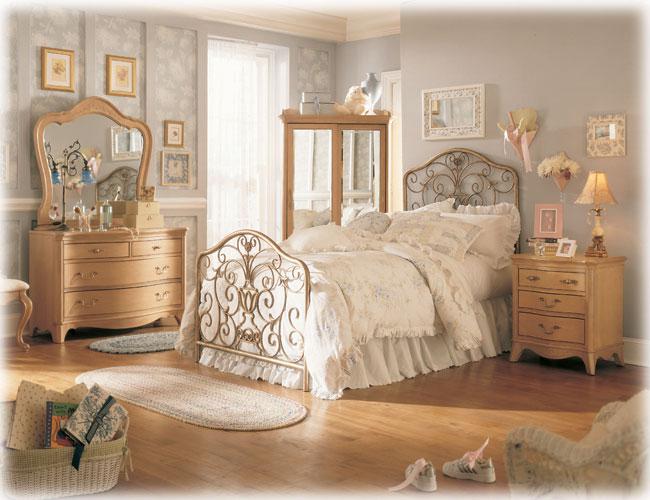
Vintage bedroom design is about creating a room that feels warm, personal, and collected over time. Instead of filling the space with matching furniture and newly manufactured decorations, vintage interiors combine characterful pieces, soft colors, traditional patterns, aged finishes, and meaningful objects.

The bedroom does not need to become a museum or reproduce one historical period exactly. A few carefully selected vintage elements can work beautifully alongside a modern mattress, practical storage, contemporary lighting, and other everyday comforts.

This guide explains how to choose vintage furniture, colors, textiles, lighting, and accessories while keeping the bedroom comfortable, safe, and easy to maintain.

Explore related guides:
Contemporary Bedroom Ideas
Small Modern Bedroom Ideas
How to Use Rugs in the Bedroom
Modern European Interior Design

What Makes a Bedroom Look Vintage?

A convincing vintage bedroom rarely depends on one object or one exact period. Its character comes from a combination of materials, furniture shapes, colors, fabrics, lighting, and objects that appear to have been acquired gradually.

Common vintage bedroom elements include:

  • wooden or painted furniture with visible character;
  • traditional metal bed frames or upholstered headboards;
  • floral, striped, checked, or small-scale patterned fabrics;
  • vintage or vintage-inspired bedside lamps;
  • framed artwork and mirrors;
  • wood, cotton, linen, wool, ceramic, and metal;
  • handmade, embroidered, knitted, or crocheted details;
  • furniture and accessories from more than one period.

Aim for a Collected Appearance

Furniture does not need to come from one matching range. A wooden dresser, painted nightstand, metal bed, and contemporary wardrobe can work together when they share compatible colors, materials, or proportions.

Allow Some Imperfection

Gentle wear, variations in wood, repaired textiles, and minor signs of age can give vintage pieces character. Damage that affects stability, hygiene, safety, or usability should still be addressed.

Keep the Bedroom Comfortable

Vintage appearance should not require an uncomfortable mattress, unstable chair, poorly functioning storage, or inadequate lighting. Modern comfort can remain the foundation of the room.


Choose a Vintage Bedroom Design Direction

The term “vintage” covers many different periods and atmospheres. Choosing a loose direction can help prevent unrelated furniture and decoration from competing.

Romantic Vintage

A romantic bedroom may combine soft colors, floral fabrics, painted furniture, curved details, decorative mirrors, and layered bedding.

Keep the number of patterns controlled so the room remains restful rather than overly sweet or theatrical.

Cottage Vintage

Cottage-inspired rooms often use warm wood, painted furniture, checks, stripes, floral textiles, quilts, baskets, and simple handmade details.

Mid-Century Vintage

A mid-century direction may use tapered furniture legs, warm wood veneer, restrained geometric patterns, simple lamps, and stronger color accents.

Art Deco Influence

Art Deco-inspired bedrooms may feature symmetrical layouts, curved furniture, geometric patterns, glass, brass-like finishes, and deeper colors.

A few references are normally enough. Too many reflective and decorative surfaces can make a small bedroom feel busy.

Traditional European Influence

Wooden furniture, framed artwork, patterned rugs, wall moldings, linen, and antique-style lighting can create a more formal European-inspired bedroom.

Mix Periods Carefully

You do not need to follow one period precisely. Choose one dominant direction and add compatible pieces from elsewhere instead of combining every vintage style in equal amounts.


Select a Vintage Bedroom Color Palette

Vintage bedrooms frequently use softened or slightly muted colors rather than extremely bright tones. Warm neutrals provide a flexible foundation for furniture, fabrics, and artwork.

Possible colors include:

  • warm white and ivory;
  • cream and soft beige;
  • dusty rose;
  • sage or muted green;
  • pale or dusty blue;
  • warm gray and taupe;
  • ochre or muted mustard;
  • burgundy, navy, or deep green as accents.

Begin With Existing Furniture

If you already own a vintage bed, dresser, rug, or patterned textile, use its colors and undertones as the starting point for the room.

Balance Dark Furniture

Dark wood can add depth and tradition but may feel heavy when combined with dark walls, flooring, curtains, and bedding. Lighter walls or textiles can provide contrast.

Test Paint in the Bedroom

Muted colors can change significantly under different daylight and artificial lighting. View samples beside the furniture and textiles during daytime and evening.

Use Strong Color Selectively

Burgundy, navy, dark green, and ochre can work on a headboard, blanket, chair, artwork, or one wall. Repeating the accent in a few areas helps it feel intentional.


Choose Vintage Bedroom Furniture

Furniture usually creates the strongest visual identity in a vintage bedroom. You do not need an entire matching set; combining compatible pieces often produces a more convincing result.

A few items can establish the style:

  • a wooden, brass-style, iron, or painted bed frame;
  • an older chest of drawers;
  • small bedside tables with traditional details;
  • a freestanding wardrobe or armoire;
  • an upholstered chair or bench;
  • a dressing table with a framed mirror.

Choose a Focal Piece

Begin with one item that has enough character to influence the rest of the room. This might be the bed, dresser, wardrobe, rug, or dressing table.

Secondary furniture can remain simpler so it does not compete with the focal piece.

Check Proportions

Older furniture can be larger, deeper, or heavier than modern equivalents. Measure the complete room, furniture, doors, pathways, and delivery route before purchasing.

Test Drawers and Doors

Open every drawer and cabinet door. Check whether components move correctly, whether the piece remains stable, and whether its interior provides useful storage.

Secure Tall Furniture

Tall or top-heavy wardrobes, bookcases, and dressers should be installed or secured appropriately according to their design, instructions, and the wall construction.

Do Not Assume Old Means Better

Age alone does not guarantee quality. Evaluate construction, condition, dimensions, usability, odor, and restoration requirements before buying.


Make the Bed the Main Feature

The bed normally occupies the most visual and physical space, making it a natural focal point.

Traditional Wooden Bed

A wooden frame can work with cottage, European, rustic, and mid-century influences. Visible grain and a gently aged finish can add warmth.

Metal Bed Frame

Iron- or brass-style frames create a lighter visual silhouette than many upholstered beds. Check stability, joints, support, and compatibility with the mattress.

Upholstered Headboard

A curved, buttoned, patterned, or plain upholstered headboard can introduce vintage character while allowing the rest of the bed frame to remain contemporary.

Modern Bed With Vintage Bedding

A simple modern frame can serve as a quiet background for a quilt, crocheted cover, patterned bedspread, or traditional cushions.

Prioritize Mattress Comfort

Vintage style does not require an old mattress or sleeping surface. Use a supportive mattress and compatible base that meet current needs, then create the desired appearance through the visible frame and textiles.


Layer Vintage Bedding and Textiles

Textiles are one of the easiest ways to introduce vintage character without replacing major furniture.

Options include:

  • quilts;
  • embroidered pillowcases;
  • lace or decorative edging;
  • traditional bedspreads;
  • crocheted blankets;
  • chenille covers;
  • floral, striped, or checked curtains;
  • woven or patterned rugs.

Use Older Linens Carefully

Second-hand linens may have distinctive embroidery and craftsmanship, but they should be inspected for stains, weakened fabric, damaged seams, pests, and persistent odors.

Clean and care for older textiles according to their material and condition rather than assuming they can tolerate a normal hot wash or machine-drying cycle.

Add a Quilt or Traditional Bedspread

A quilt can introduce color and pattern while becoming the main decorative feature of the bed. Balance a detailed quilt with simpler sheets, curtains, and surrounding walls.

Use Crochet in Moderation

Crocheted and handmade bedspreads add texture and visible craftsmanship. Cream and ecru create a quieter traditional appearance, while colorful patterns can support a more playful retro room.

Consider Chenille

Chenille has a raised, soft texture that gives the bed depth without requiring numerous additional cushions. Its effect can range from romantic and cottage-inspired to mid-century, depending on color and pattern.

Display Smaller Textile Pieces Selectively

Embroidered runners and decorative cloths can be used on a dresser or bedside table. Avoid covering every surface, especially where fabric may interfere with lamps, cables, drawers, or everyday cleaning.


Decorate Vintage Bedroom Walls

Walls can create vintage character through color, pattern, moldings, artwork, and mirrors.

Use Wallpaper as a Feature

A botanical, floral, striped, geometric, or traditional small-scale wallpaper can create a strong background behind the bed.

In a compact room, one selected wall may provide enough pattern. Wallpapering every surface can still work, but the furniture and textiles should then remain quieter.

Add Wall Moldings

Simple panel molding, a chair rail, or a picture rail can introduce architectural detail. Proportions should relate to the room’s ceiling height, doors, windows, and furniture.

Create an Artwork Group

Botanical prints, landscapes, old photographs, sketches, and vintage posters can form a gallery wall. Consistent spacing or a repeated frame color can connect varied pieces.

Use Mirrors Practically

A framed mirror can add character and support dressing or reflect light. Check what it will reflect before choosing the location.

Heavy mirrors require fixings appropriate for their weight and the wall construction.


Add Vintage-Style Bedroom Lighting

Lighting can change the atmosphere more effectively than additional decoration. Instead of relying only on one bright ceiling fixture, combine general, bedside, and optional accent lighting.

Bedside Lamps

Ceramic, glass, metal, or wooden lamp bases with fabric, pleated, or simple shades can introduce traditional character.

The lamp should still provide enough directed light for reading and remain easy to operate from the bed.

Wall Sconces

Wall lights can free space on small nightstands and create a balanced arrangement around the bed. Their height and position should suit the bed and normal reading position.

Pendant or Chandelier

A decorative ceiling fixture can become a focal point, but its scale should suit the ceiling height and room dimensions.

Mix Vintage Appearance With Modern Performance

A vintage or reproduction lamp can be paired with suitable modern bulbs and controls. Old electrical fixtures and wiring should be inspected and repaired by an appropriately qualified professional before use when their condition is uncertain.

Use Dimming Where Appropriate

Adjustable light levels can support dressing, cleaning, reading, and a softer evening atmosphere. Confirm compatibility between the fixture, bulb, and control.


Display Vintage Accessories Carefully

Accessories complete the room, but vintage design is most effective when individual objects have enough space to be noticed.

Suitable details may include:

  • framed photographs and artwork;
  • ceramic vases and bowls;
  • traditional clocks;
  • books;
  • decorative boxes;
  • small mirrors;
  • trays for everyday objects;
  • handmade items;
  • plants suitable for the room.

Group Small Objects

A tray or limited arrangement on a dresser usually looks calmer than several unrelated objects spread across every surface.

Leave Some Space Empty

Do not fill every shelf, table, and wall. Negative space allows the furniture, artwork, and meaningful objects to remain visible.

Use Personal Objects

Family photographs, inherited items, travel finds, books, and handmade objects can make a room feel genuinely collected rather than artificially aged.

Avoid Unusable Decorations

Bedside tables, chairs, and dressers should remain functional. Decoration should not prevent drawers from opening, lamps from operating safely, or surfaces from being cleaned.


Mix Vintage and Modern Elements

A vintage bedroom does not require every object to be old. Mixing periods is often more practical and prevents the room from feeling like a reproduction of a historical interior.

You might combine:

  • an antique dresser with a modern bed and mattress;
  • a contemporary wardrobe with vintage handles;
  • a modern lamp beside an old bedside table;
  • simple curtains with a traditional quilt;
  • a modern rug beneath an inherited bed frame;
  • new storage with vintage artwork and mirrors.

Keep the Largest Modern Pieces Simple

A plain wardrobe, bed, or dresser can create a neutral background for more distinctive vintage objects.

Repeat Colors and Materials

Connect old and new pieces through wood tones, upholstery colors, metal finishes, or repeated shapes.

Do Not Force Perfect Matching

Furniture from different periods can work together without looking identical. Similar scale and visual balance often matter more than exact color matching.

Use Modern Comfort Where It Matters

A modern mattress, blackout blind, supportive chair, practical lighting, and effective storage can coexist with vintage decoration.


Use Vintage Style in a Small Bedroom

Vintage furniture and layered textiles can work in a compact bedroom when their scale and quantity are controlled.

Choose One Main Vintage Piece

A metal bed, painted dresser, small wardrobe, or dressing table may establish the style without requiring several substantial pieces.

Avoid Oversized Furniture

Measure complete dimensions and leave enough room for pathways, drawers, doors, and window access.

Use Vertical Storage

A tall wardrobe or cabinet can provide useful capacity while occupying less floor width. It should be stable and appropriately secured where necessary.

Limit Patterns

Use one primary pattern on the bedding, wallpaper, curtains, or rug. Supporting textiles can repeat its colors without introducing several competing motifs.

Keep Window Treatments Proportional

Heavy layered drapery may consume valuable wall and floor space. Simpler curtains or blinds can still support the vintage palette and pattern.

Preserve Some Open Surfaces

A small room feels busier when every table and shelf is covered. Display a limited selection and store practical belongings out of sight.


Where to Find Vintage Bedroom Pieces

Finding suitable pieces can take time, but gradual selection is part of the appeal of vintage decorating.

Places to look include:

  • antique and second-hand shops;
  • flea markets;
  • estate sales;
  • local auctions;
  • charity and thrift shops;
  • architectural salvage businesses;
  • online vintage marketplaces;
  • family storage and inherited collections.

Take Measurements With You

Keep the room dimensions, door widths, delivery route, and maximum furniture sizes available while shopping.

Inspect Furniture in Good Light

Check:

  • joints and overall stability;
  • drawers, doors, locks, and hinges;
  • missing components;
  • water damage and staining;
  • unusual holes or signs of insect activity;
  • mold or persistent odors;
  • the condition of paint, varnish, and upholstery;
  • the amount of restoration required.

Request Additional Photographs Online

Ask for clear images of the back, underside, inside drawers, corners, joints, labels, and damaged areas before agreeing to buy.

Calculate the Complete Cost

Delivery, repair, cleaning, reupholstery, missing hardware, and refinishing can make an apparently inexpensive piece substantially more costly.


Clean and Restore Older Furniture Carefully

Older furniture may need cleaning or repair before entering the bedroom. The correct method depends on the material, finish, condition, and potential historical value.

Begin With Inspection

Do not immediately sand, paint, or apply strong cleaning products. Identify loose joints, damaged veneer, unstable components, odors, moisture, and questionable surface coatings first.

Use Gentle Cleaning Methods

Test any method in an inconspicuous area. Too much water, strong household cleaners, abrasives, and solvents can damage wood, veneer, paint, metal, and upholstery.

Be Careful With Unknown Old Finishes

Older painted or coated furniture may contain materials that require special handling. Avoid sanding or disturbing an unknown finish until it has been assessed appropriately.

Use a Professional for Complex Repairs

Loose structural joints, damaged veneer, valuable finishes, upholstery, wiring, mold, and uncertain coatings may require an experienced restorer or another appropriate professional.

Know When Not to Restore

Some wear contributes to the piece’s character. Restoration should improve stability, cleanliness, and usability without automatically removing every sign of age.


Common Vintage Bedroom Design Mistakes

Buying a Complete Matching Set

Matching furniture may be convenient, but it can make the room feel staged. Compatible pieces from different sources often create more depth.

Using Too Many Vintage Pieces

When the bed, wardrobe, dresser, lamps, wallpaper, artwork, and textiles are all highly decorative, the room can become visually heavy.

Mixing Too Many Historical Styles

Choose one loose direction and add other influences selectively instead of combining every period equally.

Ignoring Furniture Scale

Large wardrobes, deep dressers, and substantial bed frames can overwhelm a small room even when they technically fit.

Choosing Appearance Over Comfort

An attractive chair, bed, or lamp still needs to perform its intended function comfortably and safely.

Using Too Many Floral Patterns

Floral wallpaper, bedding, curtains, rugs, and upholstery can compete. Select one principal pattern and support it with quieter textures and colors.

Making the Room Too Dark

Dark wood, muted walls, heavy curtains, and insufficient lighting can combine to make the bedroom feel gloomy. Add lighter surfaces and several well-positioned light sources.

Overfilling Surfaces

Too many frames, boxes, books, ornaments, and textile pieces make the room difficult to clean and prevent individual objects from standing out.

Painting Furniture Without Inspecting It

Painting may hide damage without correcting it and can permanently alter a valuable or historically interesting finish. Assess the piece before making irreversible changes.

Using Old Electrical Fixtures Without Inspection

Vintage lamps and wiring may not be safe to operate in their existing condition. Arrange appropriate inspection and repair before use.

Ignoring Odors, Moisture, or Pest Damage

Do not bring a piece into the bedroom until its condition has been properly investigated and any problem addressed.


Final Thoughts

The best vintage bedroom ideas do not depend on filling a room with antiques. They combine a few characterful pieces with comfortable furniture, thoughtful colors, layered textiles, practical storage, and warm lighting.

Start with one element you genuinely like—perhaps an older dresser, traditional bedspread, framed mirror, metal bed, or vintage lamp—and allow it to guide the surrounding palette and materials.

Build the room gradually, inspect second-hand pieces carefully, and preserve modern comfort where it matters. The result can feel collected, timeless, and personal without sacrificing the practical needs of a contemporary bedroom.

Similar Posts

Leave a Reply