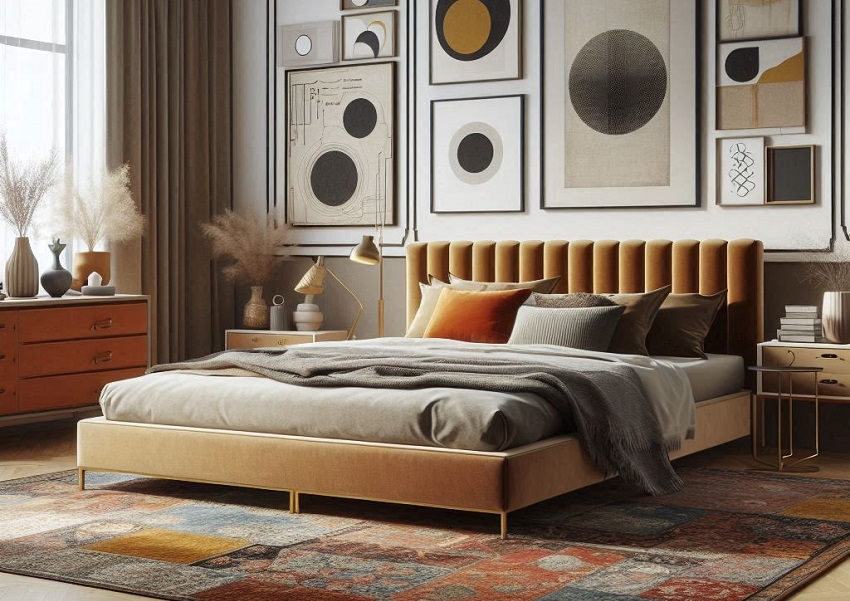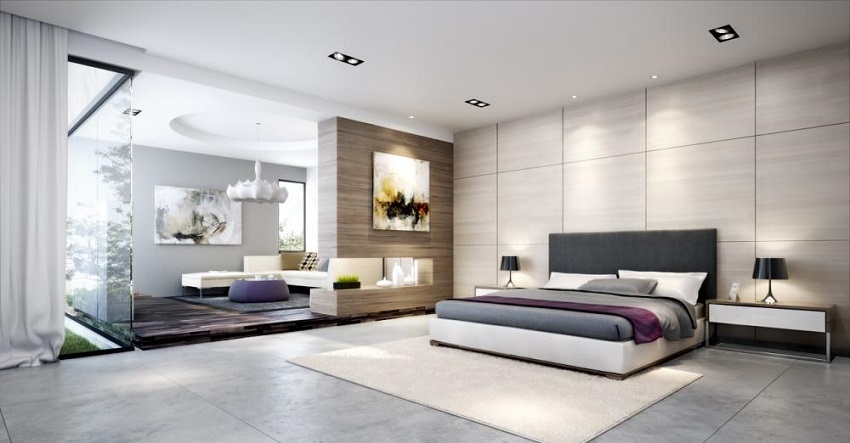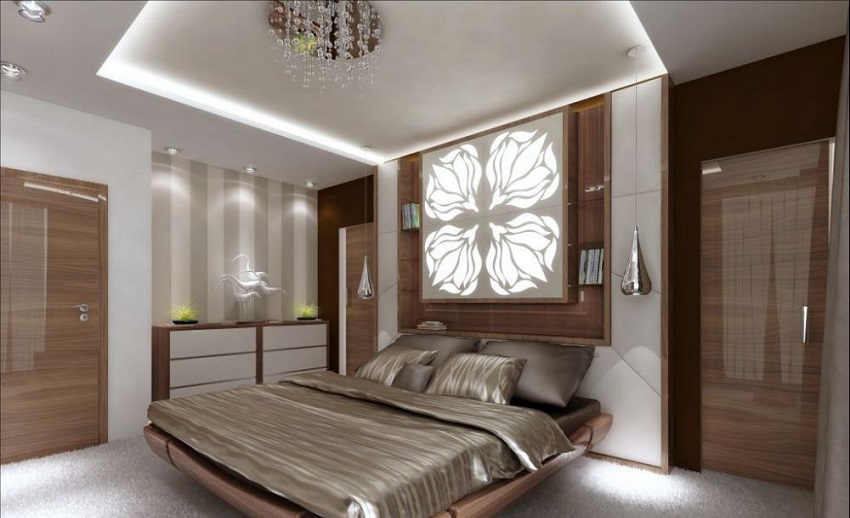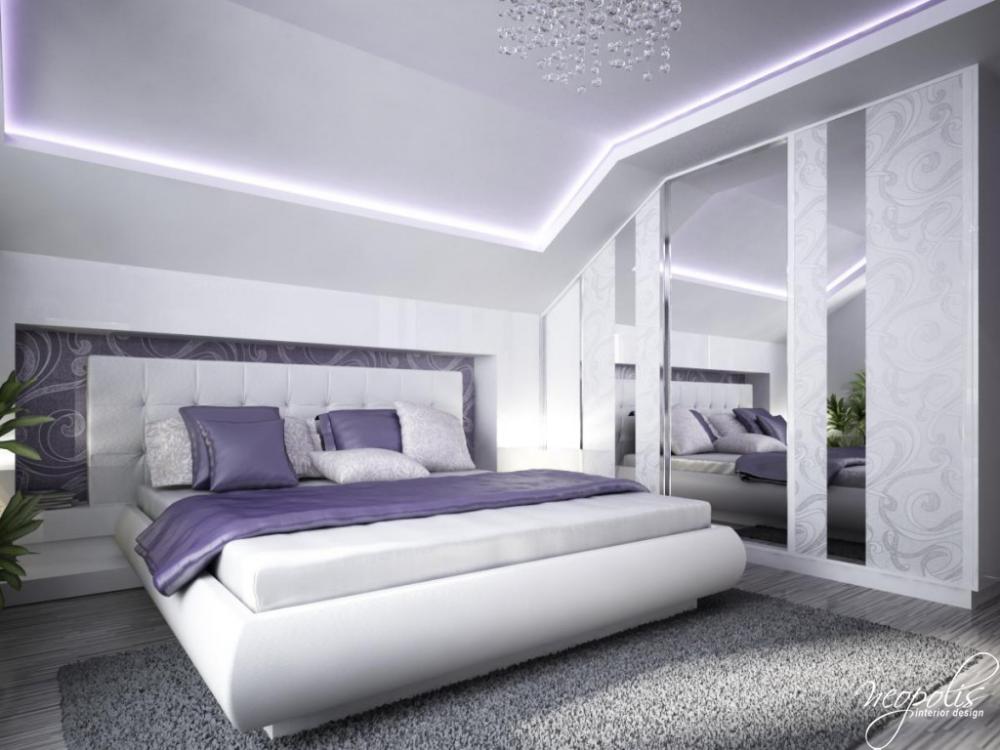
contemporary bedroom ideas

Contemporary Bedroom Design Ideas
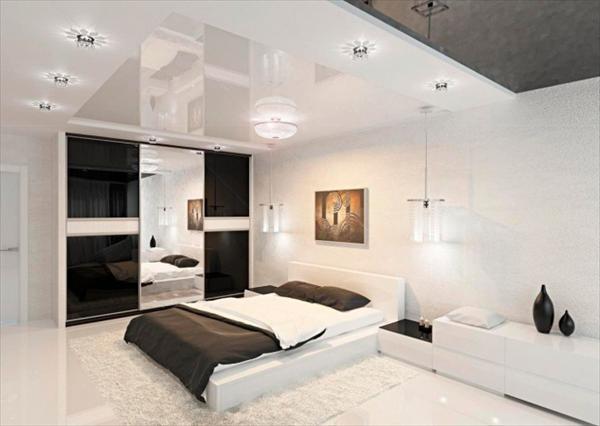
Contemporary bedroom design combines comfortable furniture, practical storage, layered lighting, and a clear visual direction. The room should support rest and everyday routines while reflecting the personality of the people who use it.

A contemporary bedroom does not need to be cold, completely neutral, or strictly minimalist. Natural materials, vintage furniture, rich colors, handcrafted objects, and traditional references can all work when they are combined with a functional layout and controlled composition.

This guide explains the foundations of contemporary bedroom design and explores several directions, including organic modern, Bauhaus-inspired, collected global, contemporary rustic, and eclectic interiors.

Explore related guides:
Small Modern Bedroom Ideas
Vintage Bedroom Ideas
Japanese-Style Bedroom Ideas
Home Decorating Trends

What Defines a Contemporary Bedroom?

Contemporary design reflects current ways of living rather than following one historical style. It can borrow from minimalism, modernism, traditional interiors, vintage design, regional craftsmanship, and natural materials.

Common characteristics include:

  • a layout designed around comfort and movement;
  • furniture with clear, well-proportioned forms;
  • a limited but not necessarily neutral palette;
  • useful closed storage;
  • several layers of lighting;
  • a combination of smooth and textured materials;
  • a small number of intentional focal points;
  • decoration selected for personal meaning or visual value.

Contemporary Does Not Mean Temporary

A bedroom can reflect current design without depending on short-lived trends. Larger investments such as the bed, wardrobe, flooring, and lighting should support long-term comfort.

Trends are easier to introduce through paint, bedding, artwork, rugs, and smaller accessories that can be changed without rebuilding the room.

Comfort Comes Before Style

An attractive bedroom is unsuccessful when the bed is difficult to access, the wardrobe cannot open fully, or the lighting is inadequate for reading and dressing.


Plan the Contemporary Bedroom Layout

Begin with the bed because it normally occupies the greatest amount of floor and visual space. Then arrange wardrobes, bedside furniture, lighting, seating, and any desk or dressing area around it.

Measure the Complete Room

Record doors, windows, radiators, outlets, switches, built-in storage, and ventilation openings. Include the space required for doors and drawers to open.

Maintain Clear Pathways

The routes between the entrance, bed, wardrobe, bathroom, and window should remain comfortable. Avoid placing benches, chairs, or projecting furniture in the main pathway.

Choose a Focal Point

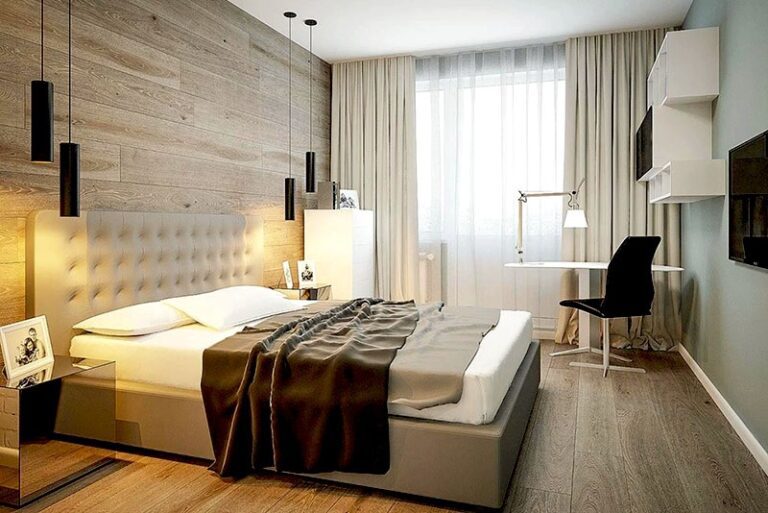
The bed is usually the natural focal point. A headboard, textured wall, artwork, pendant lights, or restrained color contrast can emphasize it without adding unnecessary furniture.

Preserve Useful Open Space

Every wall and corner does not need furniture. Some open floor and wall area helps the principal pieces remain visible and makes the room easier to move through.


Choose a Contemporary Bedroom Color Palette

Contemporary bedrooms can use pale neutrals, muted natural colors, dark dramatic shades, or carefully controlled brighter accents.

Possible base colors include:

  • warm white and cream;
  • beige and taupe;
  • soft gray;
  • muted green;
  • dusty blue;
  • soft clay and terracotta;
  • light or medium wood tones.

Use Dark Colors With Balance

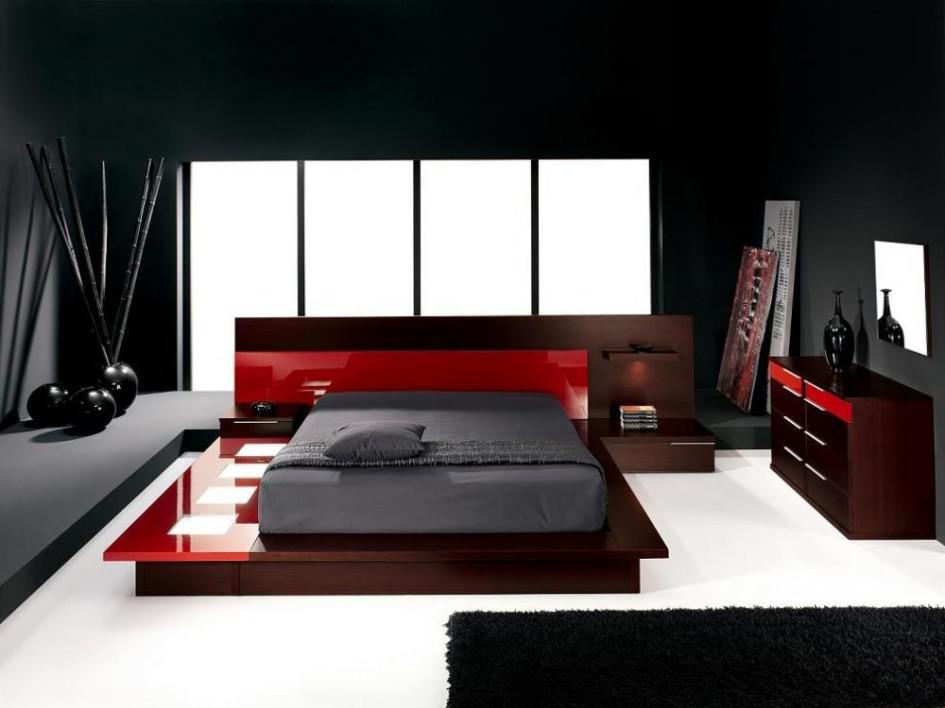
Navy, charcoal, burgundy, deep green, and dark wood can create an intimate atmosphere. Balance them with appropriate lighting, lighter bedding, natural textures, or a less saturated ceiling.

Repeat Accent Colors

A color usually feels more deliberate when repeated in artwork, bedding, a rug, or a small furniture detail rather than appearing in only one isolated object.

Test Samples in the Bedroom

Wall colors and fabrics change under different daylight and artificial lighting. View samples beside the flooring and furniture during daytime and evening.


Select Contemporary Bedroom Furniture

Furniture does not need to come from one matching collection. Pieces can relate through compatible proportions, colors, materials, or repeated details.

Choose the Bed for Comfort and Scale

Measure the complete frame rather than only the mattress. Wide side rails, platforms, upholstered headboards, and footboards can add substantial dimensions.

The mattress and base should provide suitable support and comfort. Decorative appearance can then be introduced through the visible frame, headboard, and textiles.

Use Bedside Furniture That Fits

Narrow tables, floating shelves, wall-mounted cabinets, or headboards with integrated storage can work where conventional nightstands restrict movement.

Add Seating Only When It Is Useful

An armchair or bench can support reading and dressing, but it often becomes a place for clothing when the room lacks storage. Add seating only when the layout allows it and the piece has a clear purpose.

Mix Modern and Vintage Furniture

A vintage dresser, traditional nightstand, or older chair can add depth to a room with a modern bed and wardrobe.


Create Practical Bedroom Storage

Contemporary bedrooms often appear uncluttered because practical belongings have accessible storage rather than because the owner has removed every personal item.

Useful solutions include:

  • full-height wardrobes;
  • under-bed storage compatible with the bed design;
  • built-in cabinets;
  • drawer organizers;
  • closed bedside storage;
  • a limited amount of open shelving;
  • benches or ottomans with internal storage.

Combine Open and Closed Storage

Open shelves can display selected books and artwork. Clothes, cables, paperwork, and smaller practical belongings generally create a calmer appearance behind doors or inside drawers.

Use Vertical Space Selectively

Tall cabinets provide useful capacity, but covering every wall with storage may make the room feel enclosed. Preserve some open wall area where possible.

Keep Everyday Items Accessible

Daily clothing and personal items should remain at a comfortable height. Reserve higher shelves for seasonal and less frequently used belongings.


Layer Contemporary Bedroom Lighting

A bedroom normally benefits from more than one light source. Combine general illumination with bedside task light and optional accent lighting.

General Lighting

A ceiling fixture, recessed system, track, or indirect light should provide enough illumination for dressing, movement, and cleaning.

Bedside Lighting

Table lamps, wall lights, or pendants can provide focused reading light. Wall-mounted fixtures free space on compact nightstands.

Dressing and Mirror Lighting

Lighting should fall toward the person rather than only from behind or directly overhead. This makes mirrors and dressing areas easier to use.

Accent Lighting

A restrained light can emphasize artwork, a textured wall, shelving, or an architectural feature. It should remain secondary to practical lighting.

Use Separate Controls

Separate switches or compatible dimmers can make the same room suitable for dressing, reading, relaxing, and nighttime movement.


Organic Modern Bedroom Design

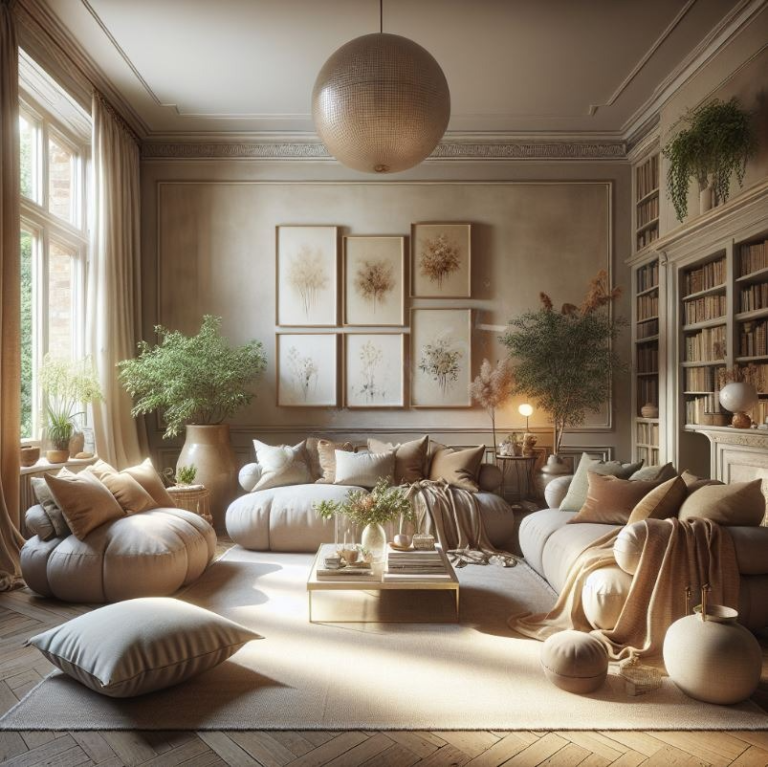
Organic modern design combines contemporary forms with natural-looking materials, warm neutrals, soft textiles, and restrained decoration.

Typical elements include:

  • cream, beige, taupe, and warm gray;
  • wood with visible grain;
  • linen, cotton, wool, and woven textures;
  • stone or ceramic accessories;
  • curved furniture or lighting;
  • a limited number of plants or natural arrangements.

Use Texture to Prevent Flatness

A neutral room needs variation. Combine matte walls, wood grain, woven textiles, ceramics, and soft upholstery rather than adding numerous colors.

Keep the Composition Controlled

Organic modern does not require baskets, branches, plants, and textured objects on every surface. A few larger material statements create a calmer result.

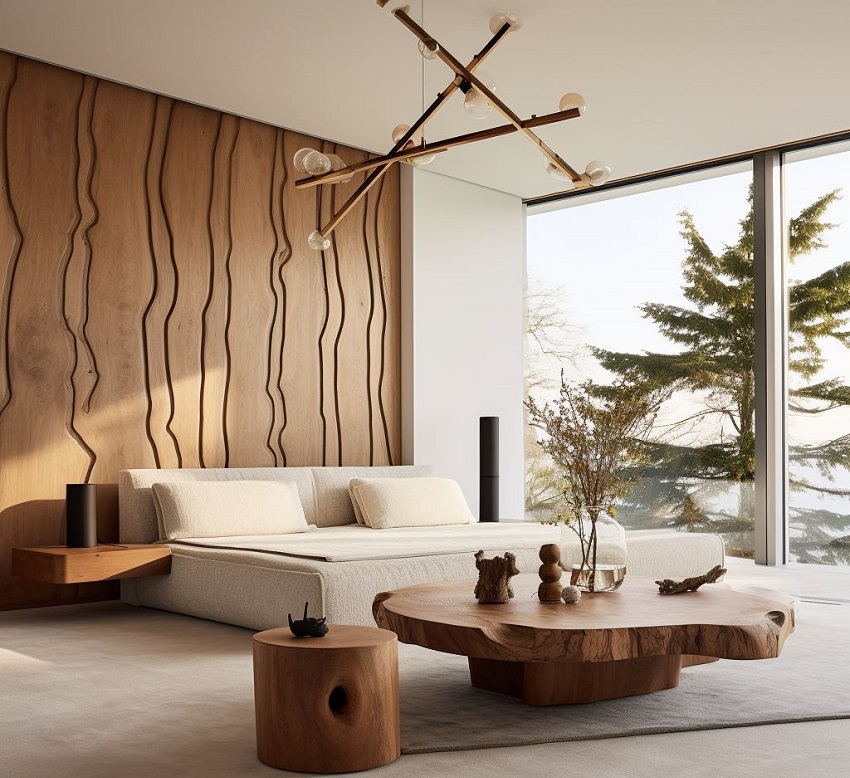
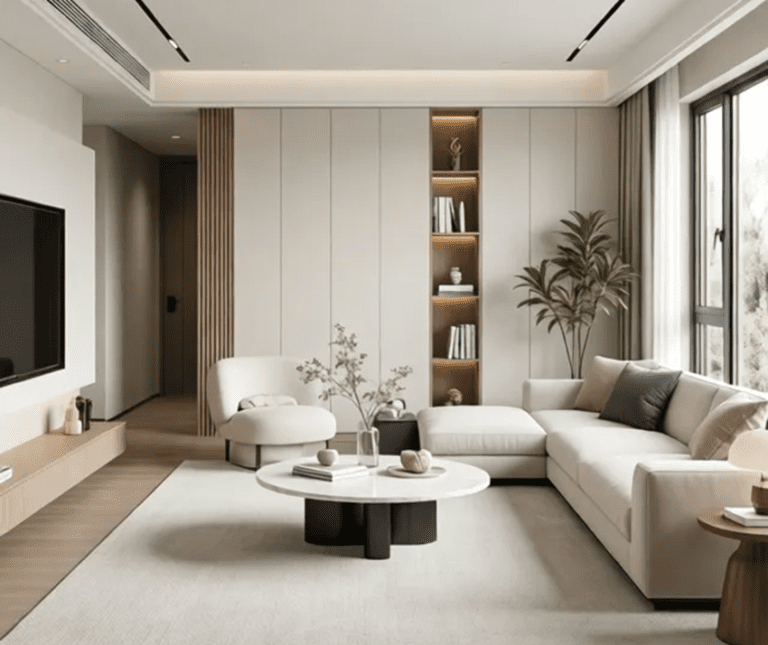
Organic modern bedroom with warm neutrals, wood, and layered natural textures


Create an Environmentally Considered Bedroom

An environmentally considered bedroom is not defined by one material or label. It involves evaluating durability, repairability, sourcing, transport, indoor use, maintenance, and what will happen when an item is no longer needed.

Possible approaches include:

  • keeping and adapting existing furniture;
  • buying durable pieces that can be repaired;
  • using second-hand furniture where appropriate;
  • choosing certified materials when relevant;
  • selecting finishes suited to indoor use;
  • avoiding unnecessary replacement driven only by trends;
  • using washable and replaceable textile covers.

Reuse Before Replacing

Refinishing, repairing, or changing the hardware on a sound dresser or wardrobe may require fewer new resources than buying a replacement.

Evaluate Claims Carefully

Terms such as “natural,” “green,” and “eco” can be vague. Look for specific information about materials, finishes, certifications, durability, and manufacturing.

Choose Materials for the Household

Natural materials are not automatically the most durable or suitable for every bedroom. Cleaning requirements, allergies, children, pets, and local conditions should also influence the decision.

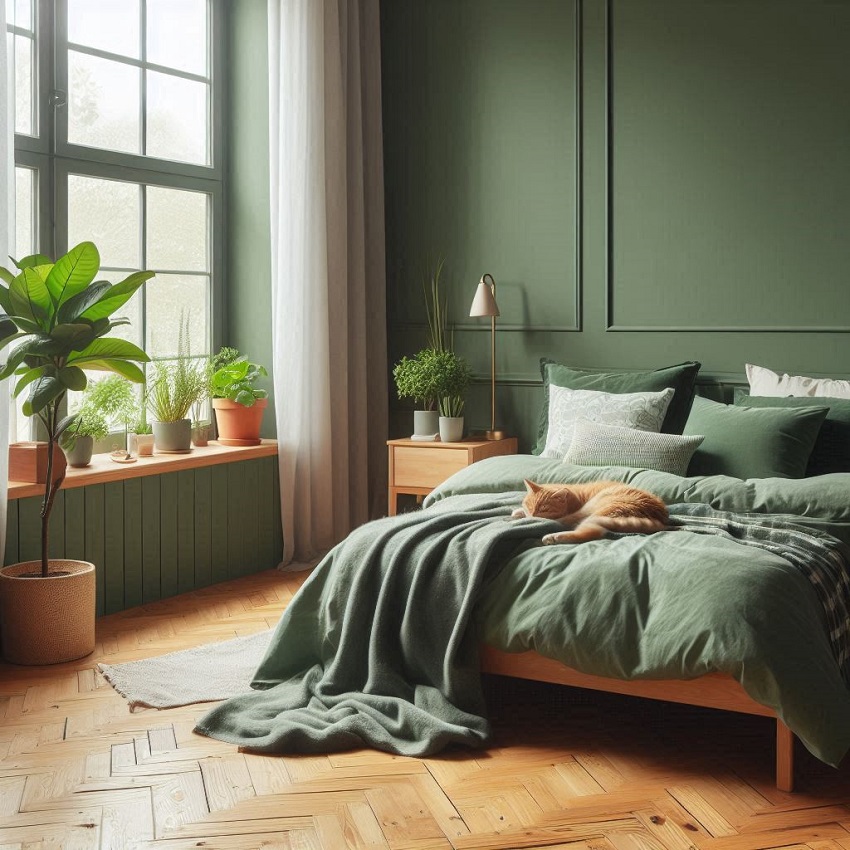
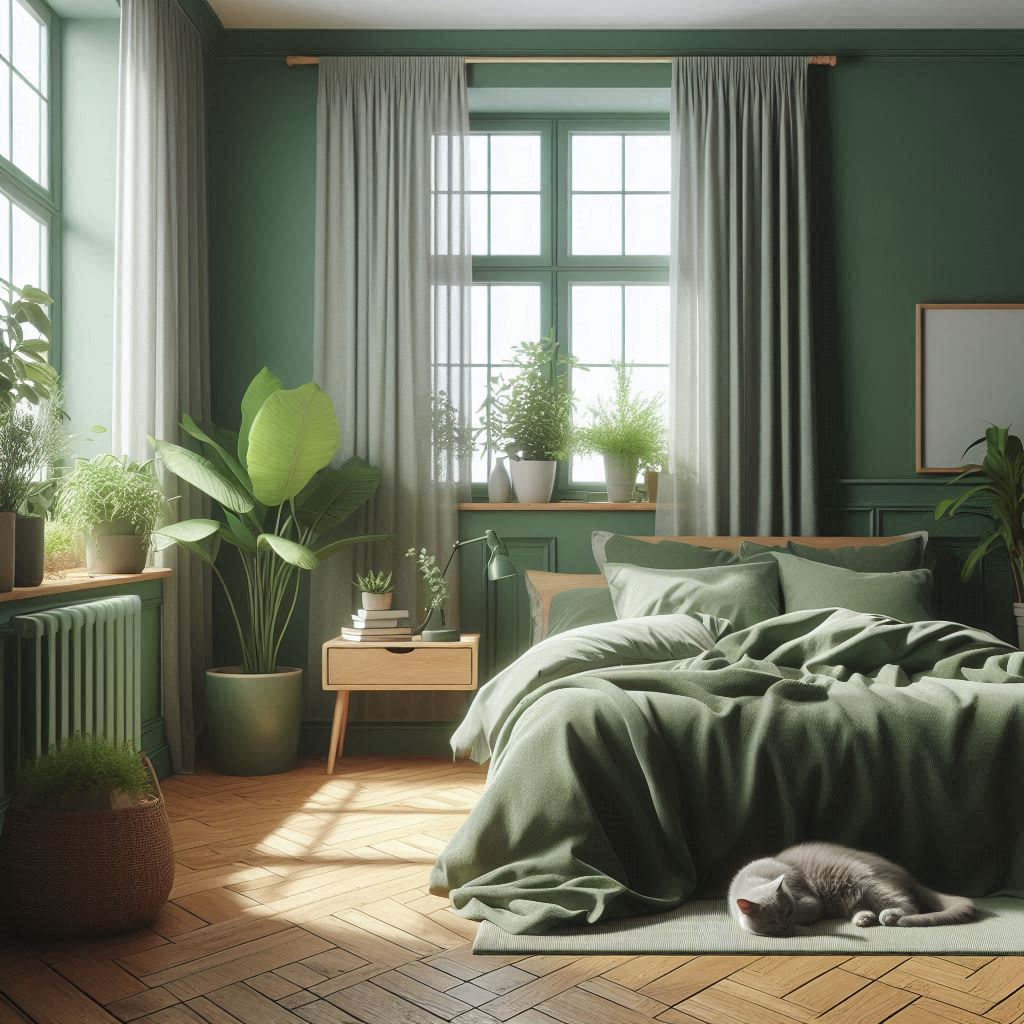
Contemporary bedroom with natural wood furniture and a green color palette

Green contemporary bedroom with coordinated textiles and natural accents


Create a Globally Inspired Contemporary Bedroom

A globally inspired bedroom can include textiles, artwork, furniture, and craft traditions connected to specific places or personal experiences.

Instead of treating unrelated cultures as one decorative “ethnic” style, select objects with known origins and use them respectfully.

Possible elements include:

  • handwoven rugs and textiles;
  • regional ceramics;
  • carved or painted furniture;
  • artwork collected during travel;
  • traditional patterns used in a limited way;
  • handmade baskets or lighting.

Choose One Principal Influence

A Moroccan textile, Japanese screen, West African basket, and several unrelated ceremonial objects do not automatically form a coherent interior.

Begin with one meaningful piece or regional direction and combine it with a quiet contemporary background.

Learn About the Objects

Understand the origin and intended meaning of culturally specific symbols before using them as decoration. Religious and ceremonial objects should not be selected merely because they appear exotic.

Support Craftsmanship Where Possible

When buying new handcrafted pieces, seek clear information about their origin, maker, materials, and production.

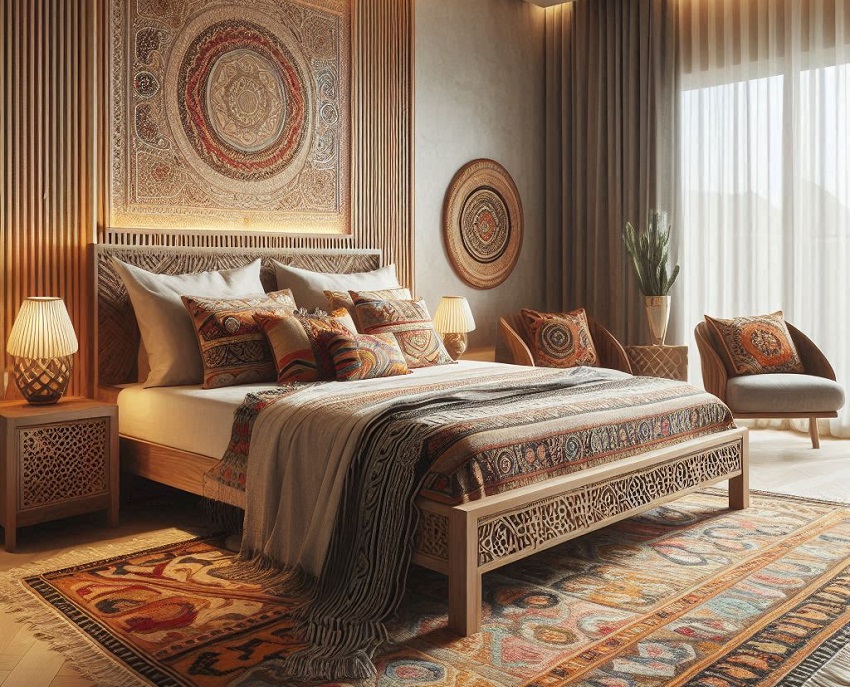
Globally inspired contemporary bedroom with patterned textiles and handcrafted decor


Bauhaus-Inspired Bedroom Design

Bauhaus-inspired interiors emphasize function, clear geometry, industrial materials, efficient production, and a close relationship between form and purpose.

A contemporary interpretation may include:

  • furniture with clean geometric forms;
  • steel, glass, leather, wood, and woven upholstery;
  • limited ornamentation;
  • neutral backgrounds with selected primary or bold colors;
  • functional lighting;
  • artwork based on shape, typography, or abstraction.

Avoid Turning It Into a Theme

A few geometric elements, a tubular metal chair, simple lighting, or bold artwork can establish the direction. The bedroom does not need every object to imitate a design-school exhibition.

Keep the Bed Comfortable

Clean geometry should not take priority over an appropriate mattress, usable bedside storage, and comfortable lighting.

Use Bold Color in Controlled Areas

Red, yellow, blue, and black can be introduced through artwork, bedding, a rug, or one small furniture piece rather than across every surface.

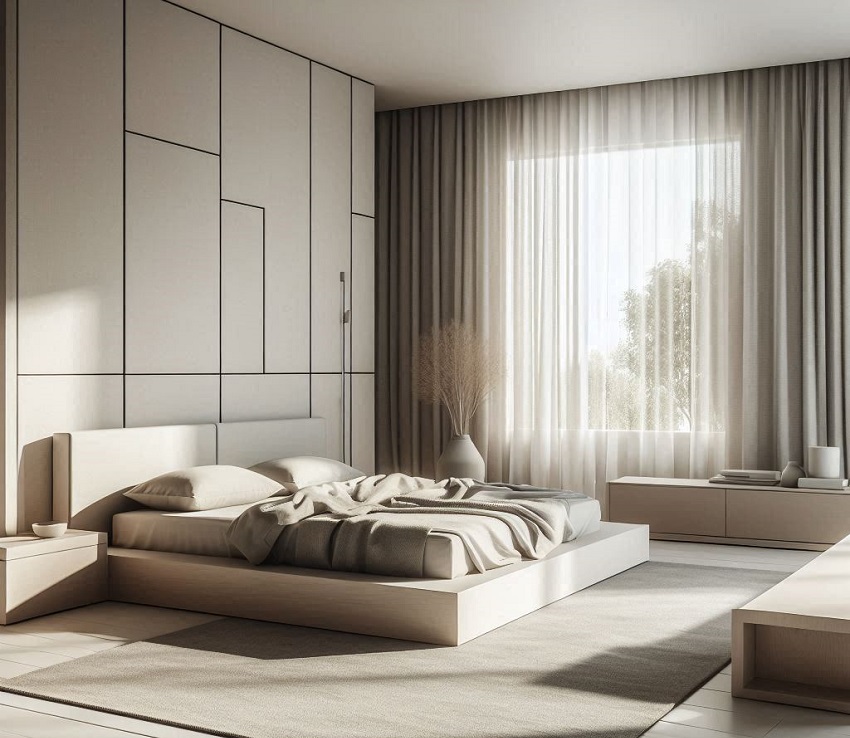
Bauhaus-inspired bedroom with geometric furniture and restrained bold accents


Contemporary Rustic Bedroom Design

Contemporary rustic design combines modern comfort and simple furniture with wood, stone, woven textiles, aged finishes, and references to rural architecture.

Possible features include:

  • wooden furniture or ceiling beams;
  • linen and wool textiles;
  • warm white, beige, brown, and muted green;
  • stone, brick, or suitable material effects;
  • handmade ceramics;
  • simple metal or fabric-shaded lighting.

Use Rustic Materials Selectively

A timber headboard, exposed beam, textured wall, or old dresser may provide enough character. Using reclaimed wood, brick, heavy furniture, and distressed surfaces everywhere can make the bedroom visually heavy.

Balance Rough and Soft Surfaces

Pair aged wood or stone with comfortable bedding, curtains, rugs, and smooth modern furniture.

Do Not Manufacture Excessive Wear

Genuine variation and signs of age can add character. Artificially distressing every new surface can make the room look staged.


Contemporary Eclectic Bedroom Design

Eclectic design combines furniture, artwork, color, and textiles from different styles or periods within one controlled composition.

An eclectic bedroom may include:

  • modern furniture with a vintage dresser;
  • traditional artwork above a contemporary bed;
  • patterned textiles with plain walls;
  • different but compatible bedside tables;
  • an unexpected lamp, chair, or color accent.

Create a Common Thread

Repeat a color, wood tone, shape, metal finish, or textile pattern so varied objects still feel connected.

Control the Number of Focal Points

Bold wallpaper, dramatic bedding, distinctive artwork, and sculptural lighting can compete when used together. Decide which feature should receive attention first.

Avoid “Curated Clutter” as an Excuse

A collected room still needs clear surfaces, practical storage, and enough open space for individual objects to be noticed.

Prioritize Personal Meaning

Eclectic interiors work best when they include books, art, photographs, inherited pieces, and travel finds that genuinely relate to the owner.

Contemporary eclectic bedroom combining modern furniture and patterned textiles


Use Textiles and Artwork to Complete the Bedroom

Textiles introduce softness, color, pattern, and acoustic comfort. They are also easier to change than permanent furniture and finishes.

Layer the Bed Carefully

Combine sheets, a duvet or bedspread, a restrained number of cushions, and an optional throw. Excessive decorative pillows can make the bed inconvenient to use.

Choose an Appropriately Sized Rug

The rug should relate to the bed and leave doors and pathways clear. A rug pad suited to both surfaces can help prevent movement.

Use Window Treatments for Function

Curtains and blinds should provide the required privacy, glare control, and darkness while allowing the window to open and ventilation to function.

Select Artwork for the Wall Scale

One larger work above the bed may create a calmer focal point than several small unrelated frames. A gallery arrangement can also work when spacing and outer proportions are controlled.


Additional Contemporary Interior Inspiration

The following existing images have been retained from the original article. Several filenames suggest that they may show kitchens, bathrooms, or complete houses rather than bedrooms.

When using broader interior references, focus on transferable elements such as:

  • color combinations;
  • material relationships;
  • lighting atmosphere;
  • furniture proportions;
  • architectural details;
  • the balance between open and decorated surfaces.

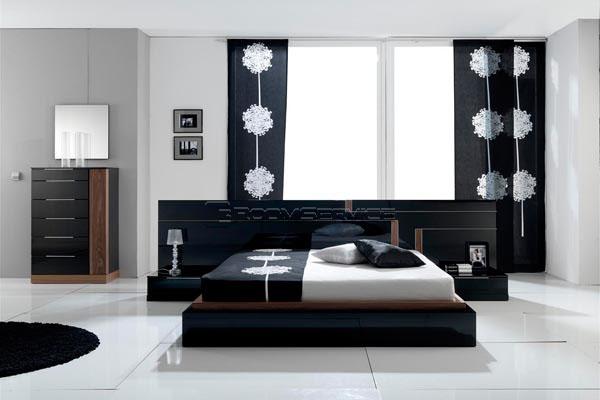
Contemporary interior design reference with coordinated materials and lighting

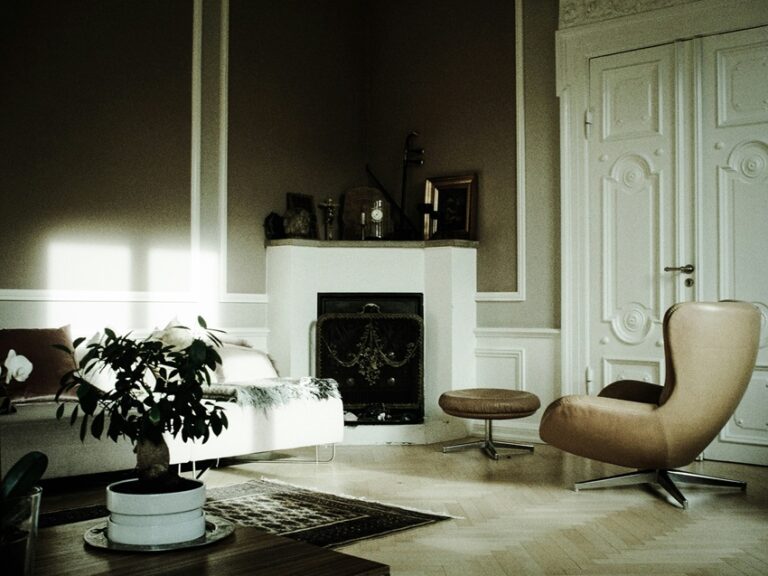
Modern interior reference showing a restrained color and material palette

Contemporary home interior with clean architectural lines

Contemporary interior design idea with modern furniture and finishes

Contemporary interior reference with coordinated cabinetry and lighting


Common Contemporary Bedroom Design Mistakes

Choosing Style Before Layout

A decorative direction cannot correct blocked pathways, an oversized bed, or inaccessible storage.

Buying a Complete Matching Furniture Set

Matching pieces can be convenient, but combining compatible furniture from different ranges often creates more depth.

Making the Room Too Minimal

Removing useful storage, bedside surfaces, lighting, and personal objects can make the bedroom impractical rather than calm.

Using Too Many Trends

Organic textures, arches, bold color, patterned rugs, fluted panels, and sculptural lighting may compete when introduced at once.

Ignoring Lighting

One ceiling fixture rarely provides adequate light for reading, dressing, cleaning, and creating a comfortable evening atmosphere.

Overfilling Open Shelves

Visible clothing, cables, cosmetics, books, and small objects can make the room feel cluttered. Combine open displays with sufficient closed storage.

Using Too Many Unrelated Patterns

Choose one principal patterned feature and repeat its colors through quieter textiles and accessories.

Adding Plants Without Considering Conditions

Select plants for the actual daylight, temperature, and care available. Check whether they are appropriate for homes with children or pets.

Choosing Appearance Over Comfort

The bed, mattress, chair, lighting, and window treatments need to perform their practical functions regardless of style.

Copying Cultural Objects Without Context

Learn about culturally or religiously specific objects before using them as decoration, and avoid combining unrelated traditions merely for an exotic effect.


Final Thoughts

The best contemporary bedroom ideas combine a practical foundation with a clear but flexible design direction.

Begin with the bed, pathways, storage, lighting, and window treatments. Then choose colors, materials, textiles, artwork, and decorative details that support the desired atmosphere.

Organic modern, Bauhaus-inspired, globally collected, rustic, and eclectic bedrooms can all feel contemporary when they provide modern comfort and avoid unnecessary visual clutter.

A successful bedroom should not simply look current in photographs. It should remain comfortable, personal, and easy to use every day.

Similar Posts