
Top Floor Lamp Trends for Modern Interior Design
Modern floor lamp design combines practical lighting with decorative impact, making a floor lamp one of the easiest ways to change the mood and functionality of a room.
A well-chosen floor lamp can create a comfortable reading corner, provide soft evening light, illuminate a dark part of a living room, or become a sculptural feature in its own right.
The best design is not necessarily the most fashionable one. Materials, height, light direction, brightness, room size, and placement all matter when choosing a lamp that will remain useful over time.
Floor Lamps as Interior Design Features
Unlike fixed ceiling lighting, a floor lamp can usually be moved whenever the room layout changes.
That flexibility makes floor lamps useful for:
- reading corners
- living room seating areas
- bedrooms
- home offices
- dark corners
- accent lighting
A tall lamp can also introduce vertical emphasis and help balance low furniture such as sofas, armchairs, and media units.
When the lamp has a sculptural shape or distinctive shade, it can contribute to the room even when the light is switched off.
Main Types of Floor Lamps
Different floor lamp designs create very different types of light.
Reading Floor Lamps
Reading lamps usually direct light downward or toward a specific area. Adjustable arms or heads make it easier to position the light over a chair, sofa, or desk.
Torchiere Lamps
A torchiere directs light upward toward the ceiling, creating indirect ambient illumination.
This can be useful when you want a room to feel softly illuminated without relying on a strong overhead fixture.
Arc Floor Lamps
Arc lamps extend outward from the base and can position a light source above a sofa, table, or seating area.
They can create strong visual impact but require enough floor and overhead space.
Tripod Floor Lamps
Tripod lamps use three legs and often have a decorative or architectural appearance.
Because their base occupies more floor area, they are generally better suited to rooms with sufficient space around the lamp.
Column and LED Floor Lamps
Slim vertical lamps often use integrated LED lighting and can fit into relatively narrow spaces.
Their understated form works particularly well in minimalist and contemporary interiors.
Natural Materials and Textures
Natural materials can soften modern interiors and create contrast with hard surfaces such as concrete, metal, and glass.
Common floor lamp materials include:
- wood
- bamboo
- rattan
- linen
- glass
- ceramic
- stone
- metal
A wooden or woven lamp can add warmth to a neutral room, while stone and metal bases can create a more architectural appearance.
When sustainability is important, look beyond the visual style and consider material sourcing, replaceable components, energy efficiency, and expected product lifespan.
Minimalist Floor Lamps
Minimalist floor lamps typically use simple geometric forms and restrained finishes.
Typical characteristics include:
- slim profiles
- simple shades
- black, white, or neutral finishes
- limited decorative detailing
- clean vertical or curved lines
They work particularly well in rooms where furniture and architecture already provide the main visual interest.
For more ideas on restrained interiors, see our guide to
minimalist interior design
.
Art Deco and Decorative Floor Lamps
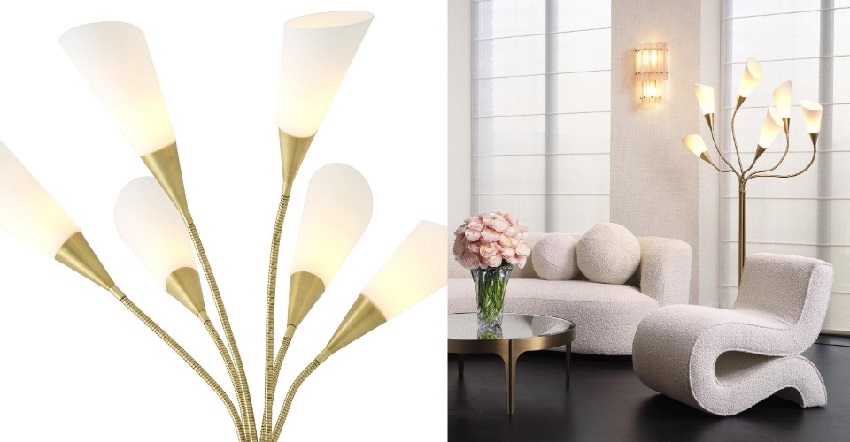
For interiors that need a stronger decorative element, Art Deco-inspired lighting offers a different approach from minimalism.
Common features include:
- brass or warm metallic finishes
- glass globes
- geometric forms
- stone or marble-look bases
- symmetrical details
A decorative floor lamp often works best as a single focal point rather than being combined with several competing statement pieces.
Smart and LED Floor Lamps
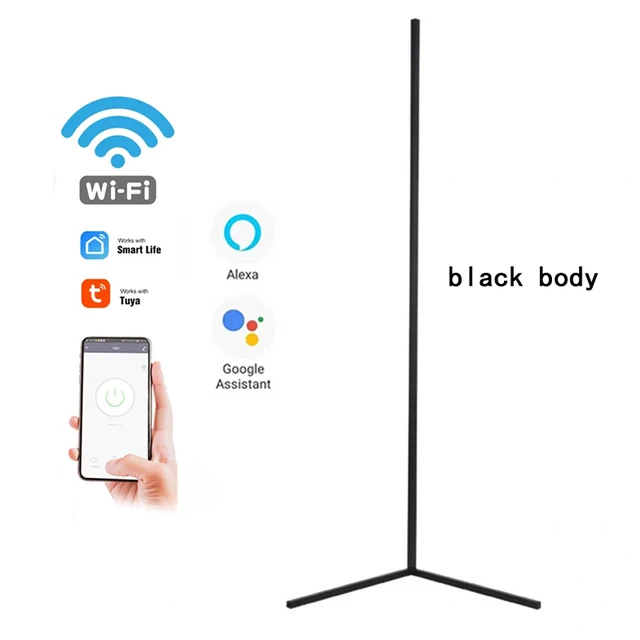
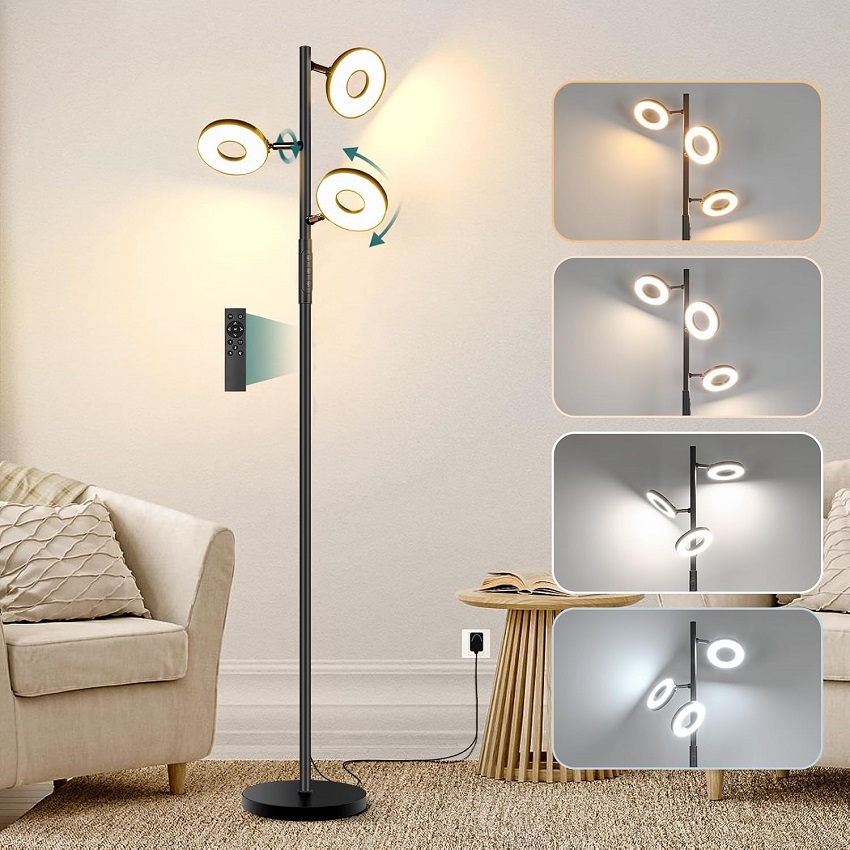
LED technology has made it possible to create slimmer floor lamps with lower power consumption and a wider range of lighting controls.
Depending on the model, useful features may include:
- dimming
- adjustable white color temperature
- remote controls
- app control
- timers
- smart-home integration
- independent control of multiple light sources
Smart functions are useful only when they make the lamp easier to use. A simple dimmable lamp may be a better choice than a complex connected model if you do not need automation.
For more information about connected lighting, see our
smart home lighting guide
.
Adjustable and Multifunctional Floor Lamps
Adjustability can make a floor lamp useful for more than one activity.
Practical features include:
- rotating lamp heads
- adjustable arms
- variable height
- multiple light sources
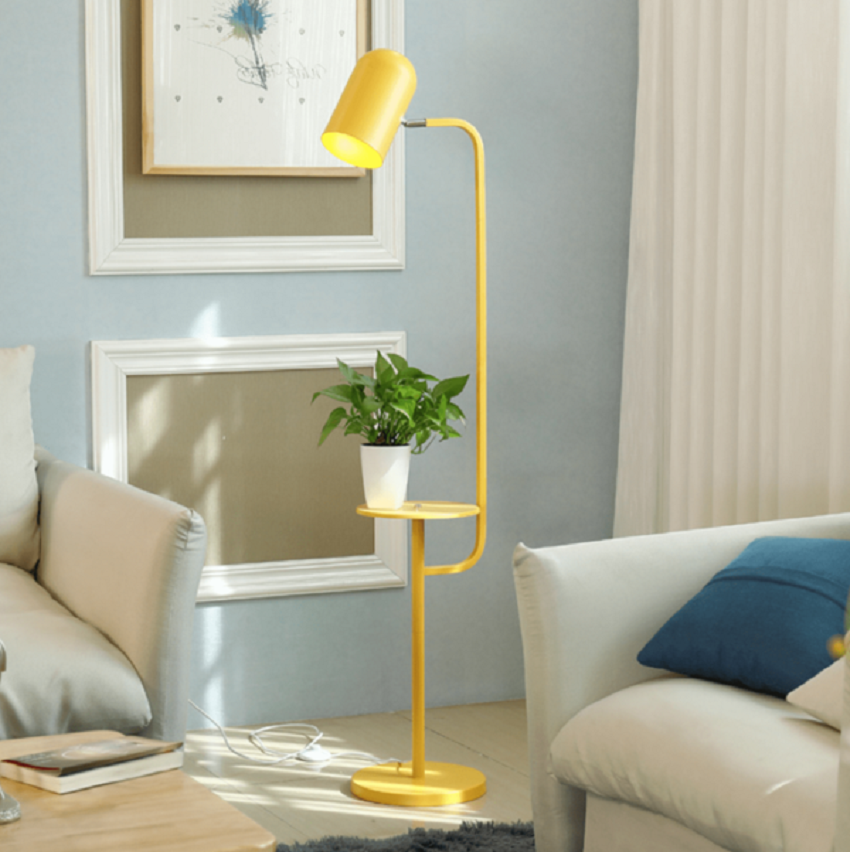
- integrated shelves
- USB charging ports
- wireless charging surfaces
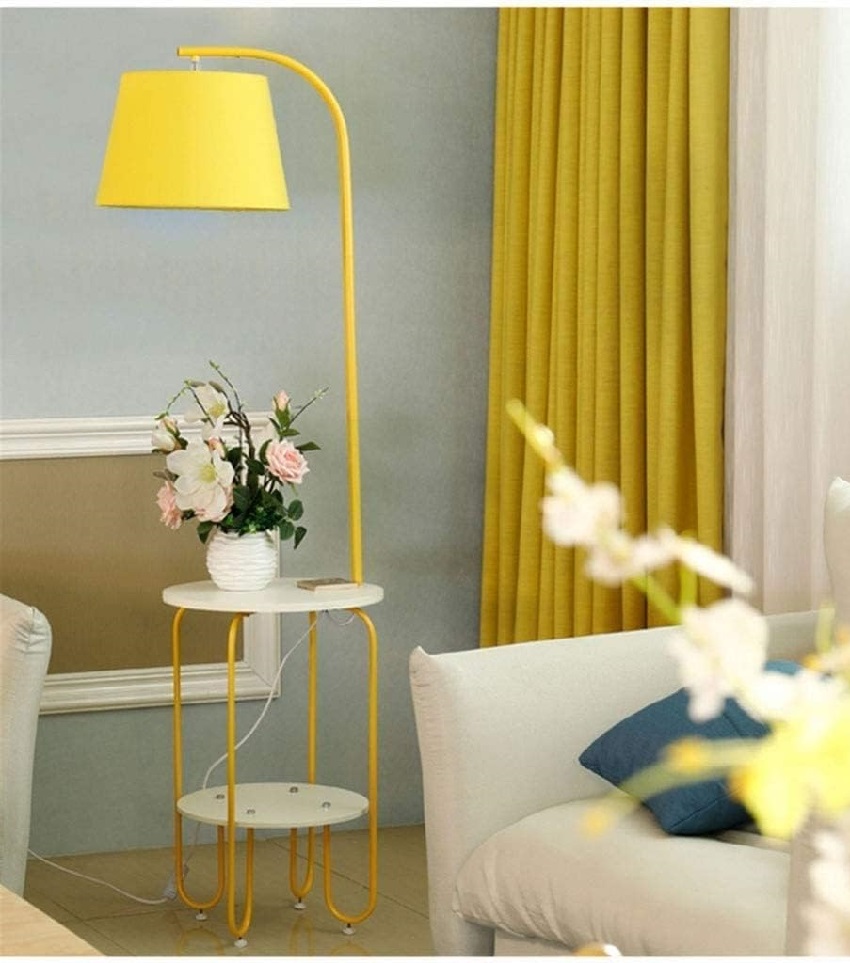
A lamp with a shelf or charging point can be useful beside a sofa or bed where space for a separate side table is limited.
However, additional features should not compromise stability or make the lamp unnecessarily difficult to operate.
Nature-Inspired Floor Lamp Design
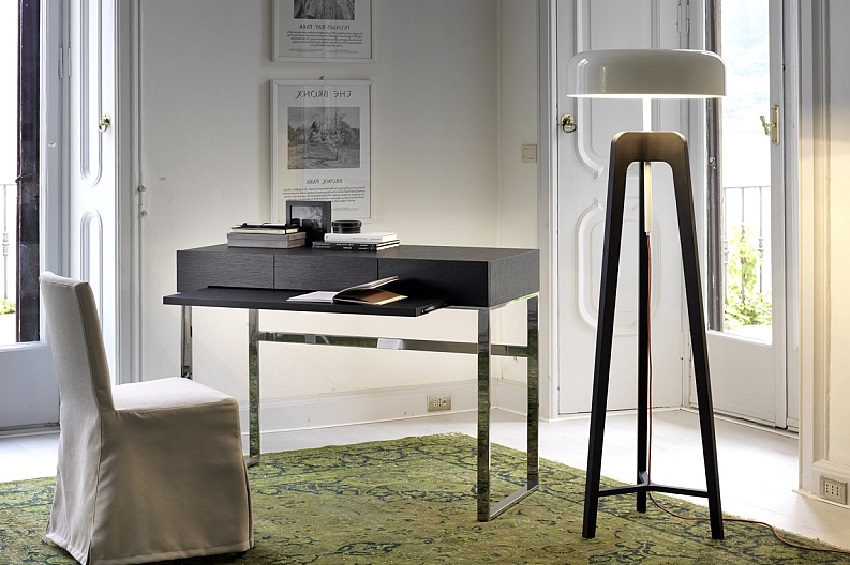
Nature-inspired lighting can introduce organic shapes and tactile materials into a modern room.
Common design elements include:
- curved or branch-like forms
- woven shades
- wooden bases
- stone and ceramic components
- soft irregular shapes
These designs often work well with indoor plants, natural fabrics, wood furniture, and neutral colors.
Floor Lamp Colors and Finishes
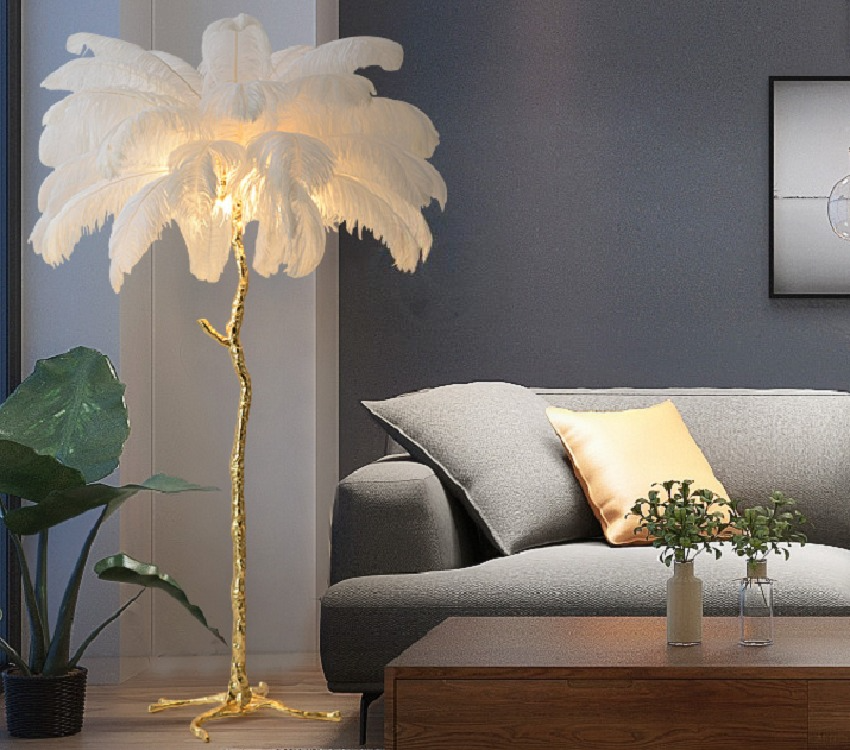
The finish of a floor lamp can either blend into the room or create contrast.
Versatile options include:
- matte black
- warm white
- cream
- brushed brass
- soft metallic finishes
- natural wood
- muted green
- deep blue
Neutral finishes are easier to integrate into changing interiors, while stronger colors can turn a lamp into an accent piece.
Where to Place a Floor Lamp
Beside a Sofa
A floor lamp beside a sofa can provide reading light and make the seating area feel more complete.
Next to an Armchair
For reading, place the lamp so that the light reaches the page without shining directly into your eyes.
In a Dark Corner
A lamp placed in an unused corner can reduce harsh contrast between bright and dark areas of the room.
Beside the Bed
A slim floor lamp can replace a table lamp when there is limited space on a bedside table.
Near a Desk
An adjustable floor lamp can provide supplementary task lighting, although a dedicated desk lamp may offer more precise control for detailed work.
Behind or Beside a Sectional Sofa
Arc and adjustable lamps can work well with large seating arrangements when there is enough clearance.
How to Choose the Right Floor Lamp
Start with function before choosing a style.
Decide What Type of Light You Need
Ask whether the lamp is intended primarily for:
- ambient lighting
- reading
- task lighting
- accent lighting
- decoration
Consider the Lamp Height
The correct height depends on the lamp design and intended use.
For reading, the light should illuminate the activity without producing uncomfortable glare.
Check the Base Size
Large arc and tripod lamps can occupy considerably more floor space than they appear to in photographs.
Measure the intended location before buying.
Think About Brightness
A decorative lamp does not always provide enough light for reading or other tasks.
Check the light output and whether the lamp is dimmable if you expect it to serve several purposes.
Choose the Appropriate Color Temperature
Warm light often creates a more relaxed atmosphere in living rooms and bedrooms, while neutral light can be useful for tasks.
Adjustable-white lamps provide more flexibility when the same room is used for different activities.
Check Bulb Replaceability
Some floor lamps use standard replaceable bulbs, while others have integrated LED modules.
If longevity and repairability are important to you, check whether the light source or driver can be replaced.
Check Stability
A floor lamp should have a stable base, especially in busy rooms, homes with children, or areas where it could easily be knocked.
Common Floor Lamp Mistakes
Choosing a Lamp Only for Its Appearance
A beautiful floor lamp can still be frustrating if it does not provide the type of light you need.
Using a Lamp That Is Too Large
Oversized arc and tripod lamps can overwhelm small rooms and interfere with circulation.
Ignoring Glare
A visible bright bulb or poorly positioned shade can make sitting near the lamp uncomfortable.
Blocking Walkways
The lamp base and power cable should not create a trip hazard.
Using Only One Light Source
A floor lamp usually works best as one part of a layered lighting scheme rather than the only source of illumination.
Buying Smart Features You Will Not Use
App control and automation can be convenient, but they are not essential for every room.
Ignoring Replacement Parts
Before choosing an integrated LED lamp, consider what happens when the LED module, power supply, or control system eventually fails.
Final Thoughts
Modern floor lamp design can combine practical lighting, decorative form, natural materials, and useful technology without making a room feel overly complicated.
Minimalist lamps can quietly support a contemporary interior, while arc lamps, Art Deco designs, woven shades, and sculptural forms can become more visible focal points.
Instead of choosing a lamp only because a particular style is popular, consider how it will be used, how much space it requires, the type of light it produces, and whether its materials and proportions suit the room.
A thoughtfully chosen floor lamp can remain useful long after individual decorating trends change.