Smart Home Lighting 2026: Best Systems, Automations & Design Ideas
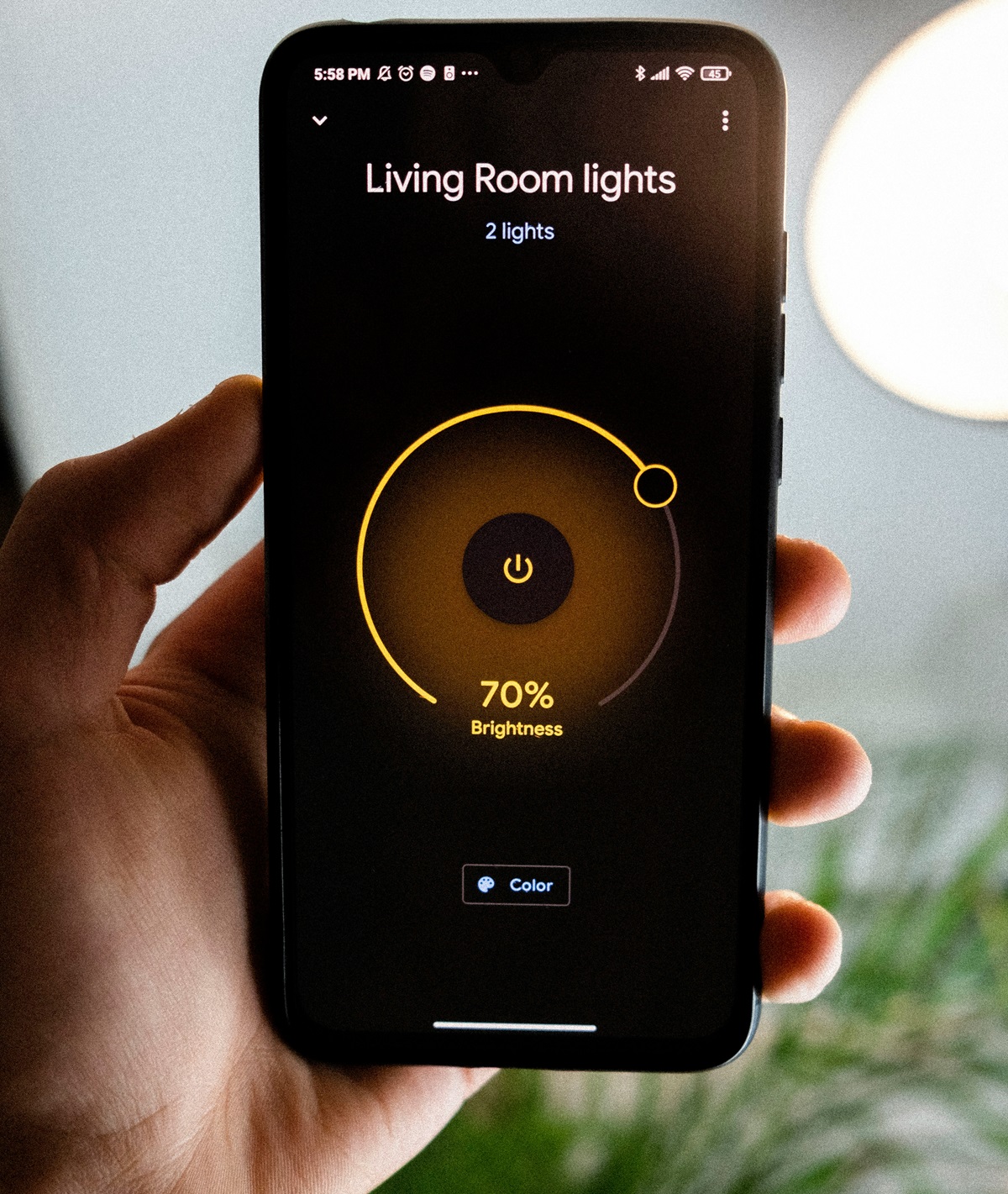
Smart home lighting has become one of the most popular upgrades for modern homes in 2026. It’s no longer just about turning lights on and off — it’s about creating scenes, automations, and moods that adapt to your lifestyle. From voice‑controlled lamps to fully automated lighting throughout the house, smart lighting is now a core part of modern home design, smart living, and even home theater setups.
Whether you’re building a new smart home or upgrading a single room, this guide will walk you through the best smart lighting systems, automations, and design ideas for 2026. We’ll also show how lighting connects with your Wi‑Fi & networking and home theater & audio for a seamless experience.
🔌 What Is Smart Home Lighting?
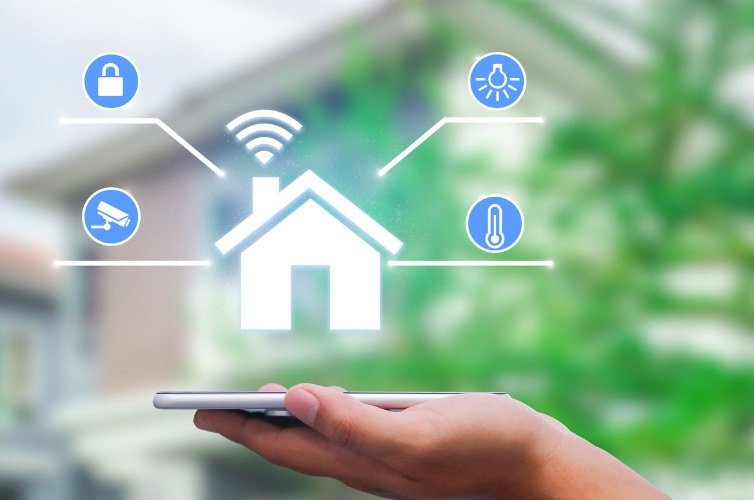
Smart home lighting refers to lighting systems that can be controlled remotely or automatically using apps, voice assistants, sensors, and schedules. Instead of relying only on traditional switches, you can:
- Control lights from your phone or tablet
- Use voice commands via Alexa, Google Assistant, or Siri
- Automate lights based on time, motion, or presence
- Adjust brightness and color temperature throughout the day
- Create scenes for movies, work, relaxation, or sleep
In 2026, smart lighting is also deeply integrated with other smart devices — thermostats, blinds, speakers, and security systems — to create a truly connected home.
🏆 Best Smart Lighting Systems in 2026
There is no single “best” system for everyone. The right choice depends on your budget, ecosystem (Apple, Google, Amazon), and how deep you want to go into automation.
1. Philips Hue
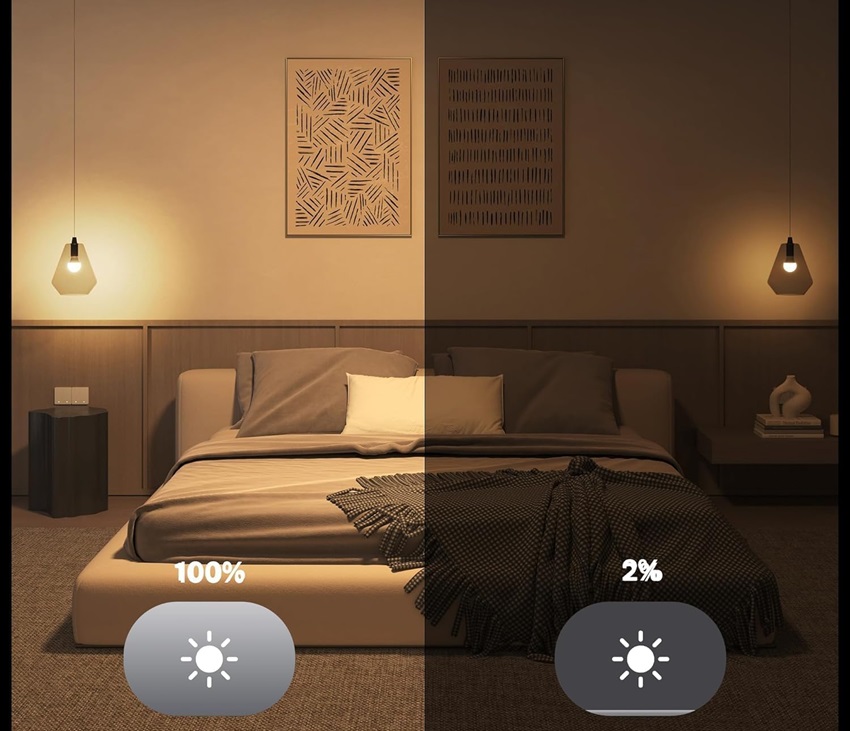
Philips Hue remains the most popular premium smart lighting ecosystem. It offers:
- High‑quality bulbs, light strips, lamps, and fixtures
- Excellent app with advanced scenes and routines
- Support for Matter, HomeKit, Alexa, and Google Assistant
- Great integration with home theater setups (Hue Sync)
2. Nanoleaf
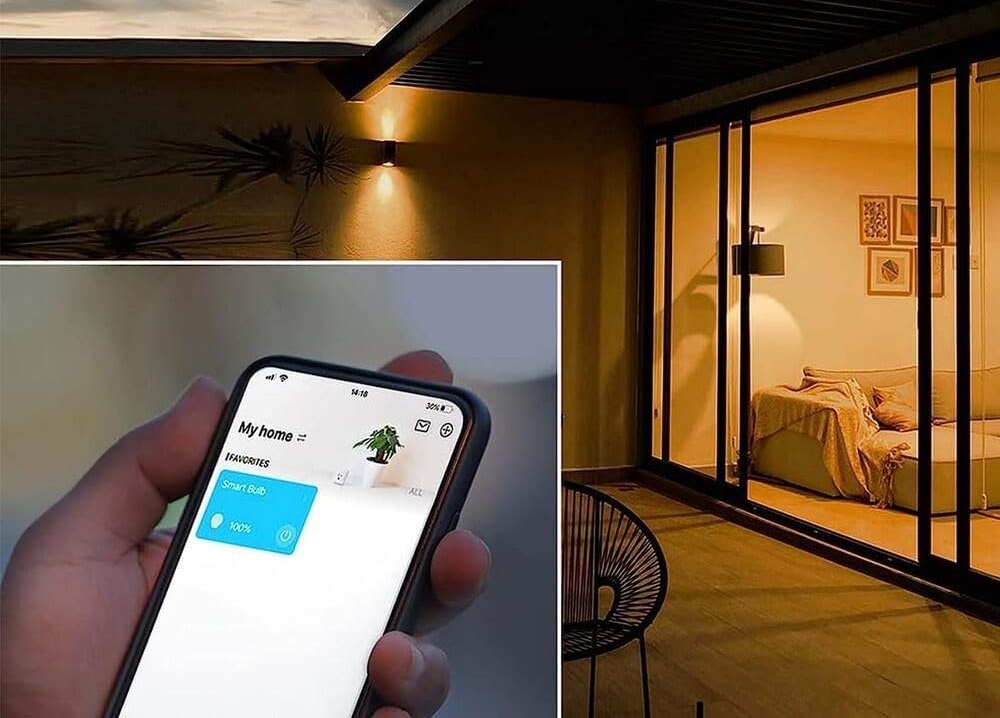
Nanoleaf is ideal for decorative and accent lighting. Its modular light panels and light bars are perfect for modern living rooms, gaming rooms, and home theaters.
- Customizable wall‑mounted light shapes
- Music‑reactive and screen‑mirroring modes
- Strong visual impact for modern interiors
3. Govee
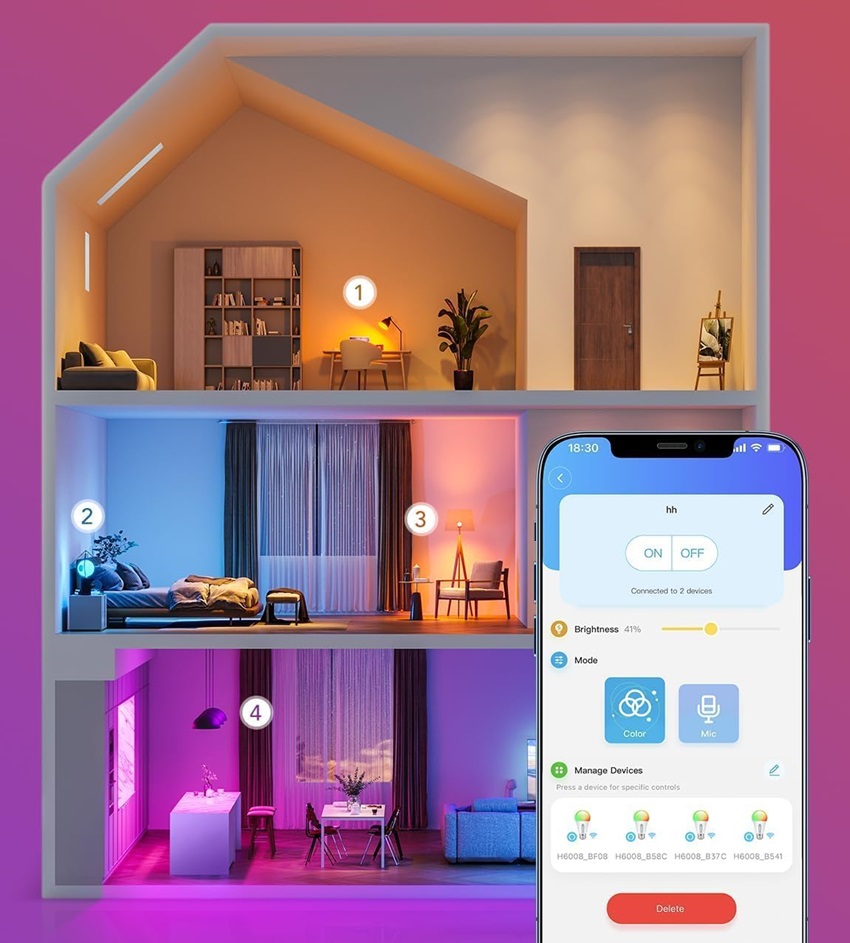
Govee has become a favorite for budget‑friendly yet feature‑rich lighting, especially for LED strips and TV backlighting.
- Affordable RGB and RGBIC strips
- Camera‑based TV backlight sync
- Good app with scenes and effects
4. Aqara & Other Switch‑Based Systems
If you don’t want to replace every bulb, smart switches and dimmers are a great option. Brands like Aqara, Lutron, and others let you:
- Control existing fixtures and bulbs
- Keep wall switches functional for everyone
- Integrate with broader smart home hubs
5. Matter‑Compatible Bulbs & Devices
Matter, the new smart home standard, is making it easier to mix brands. Many 2026 bulbs and switches are Matter‑ready, meaning they work across ecosystems with less hassle.
⚙️ Smart Lighting Automations & Scenes
Automations are where smart lighting truly shines. Instead of manually controlling lights, you can let your home respond intelligently to your routine.
Popular Automations in 2026
- Wake‑up lights: Gradual brightness increase in the morning to simulate sunrise.
- Night mode: Dim, warm lights triggered by motion after a certain time.
- Away mode: Randomized lights to simulate presence when you’re not home.
- Geo‑based control: Lights turn off when you leave and on when you arrive.
- Weather‑aware lighting: Brighter lights on gloomy days, softer on sunny days.
Home Theater Lighting Scenes
For home theater setups, lighting is a key part of the experience:
- Movie mode: Lights dim to 10–20%, bias lighting behind the TV turns on.
- Pause mode: Lights gently brighten when you pause playback.
- Gaming mode: Accent lights react to screen colors or music.
You can combine these with your home theater PC or streaming devices for fully synchronized scenes.
🎨 Design Ideas for Modern Smart Lighting
Smart lighting is not just functional — it’s a major design tool. In modern interiors, lighting is used to shape mood, highlight textures, and define zones.
1. Layered Lighting
Combine three layers:
- Ambient: Ceiling lights, recessed lighting
- Task: Desk lamps, under‑cabinet lights, reading lights
- Accent: LED strips, wall washers, spotlights
2. Hidden LED Profiles
Recessed LED strips in ceilings, under shelves, or behind panels create a soft, modern glow without visible fixtures.
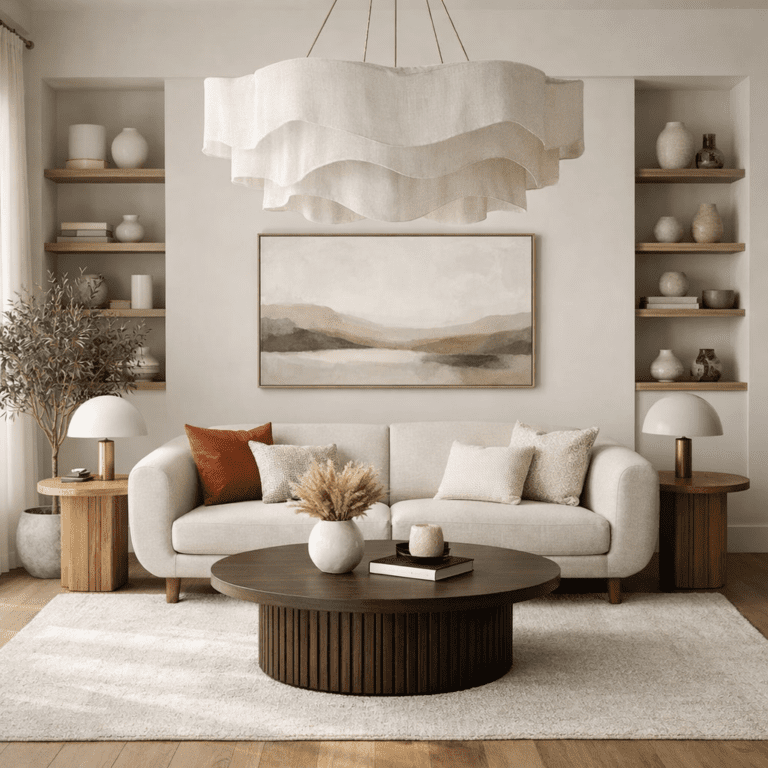
3. Warm Minimalism
Use warm white (2700–3000K) in living rooms and bedrooms, and neutral white (3500–4000K) in kitchens and workspaces. This supports both comfort and productivity.
4. Color for Mood, Not Chaos
RGB lighting is powerful, but less is more. Use color selectively — behind the TV, in a gaming corner, or as a subtle accent — rather than flooding the whole room.
📍 Room‑by‑Room Smart Lighting Guide
Living Room
- Smart ceiling light or recessed spots
- Floor lamp with smart bulb for reading
- LED strip behind TV or media console
- Scenes: “Relax”, “Movie Night”, “Reading”
Bedroom
- Warm, dimmable bedside lamps
- Wake‑up light routine instead of loud alarms
- Night lights triggered by motion
Kitchen
- Bright, neutral white ceiling lights
- Under‑cabinet LED strips for task lighting
- Scene: “Cooking”, “Dinner”, “Late Snack”
Home Theater / Media Room
- Wall sconces or dimmable recessed lights
- Bias lighting behind the screen
- LED strips along baseboards or ceiling coves
Outdoor & Backyard
- Smart path lights and wall lights
- String lights for cozy seating areas
- Motion‑activated security lights
For more outdoor inspiration, see our guide on backyard design ideas.
🚫 Common Smart Lighting Mistakes & How to Avoid Them
- Mixing too many ecosystems: Stick to 1–2 main brands to avoid app overload.
- Ignoring Wi‑Fi & network quality: Poor Wi‑Fi leads to laggy or unresponsive lights. Consider a mesh system.
- Overusing bright colors: Constant RGB can feel chaotic; use it sparingly.
- No physical controls: Always keep wall switches or smart buttons for guests and family members.
- Skipping planning: Start with a plan: which rooms, which scenes, which ecosystem.
✨ Final Thoughts
Smart home lighting in 2026 is about more than convenience — it’s about creating a home that feels responsive, comfortable, and visually stunning. With the right systems, automations, and design choices, you can transform any room into a modern, adaptive space that supports work, rest, and entertainment.
Start small with a few smart bulbs or LED strips, then expand into switches, sensors, and scenes as you refine your ideal smart home experience.