Why is Minimalist Interior Design So Popular?
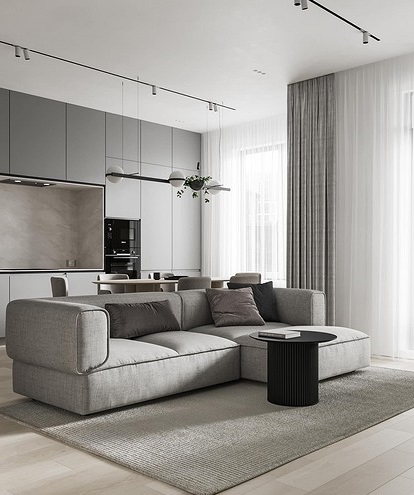

Minimalist interior design has become one of the most influential global trends — and not just because it looks clean and stylish. Its philosophy of “less is more” resonates with modern lifestyles, where people seek calm, clarity, and functionality in their homes. Minimalism blends perfectly with contemporary architecture, Scandinavian influences, and Japanese Zen principles, creating spaces that feel light, breathable, and deeply intentional.
Modern Minimalist Interior Design Style
Minimalist interior design shares many principles with modern and Scandinavian styles. Its roots trace back to Japanese Zen philosophy, which values simplicity, clarity, and intentional living. Scandinavian design follows similar ideas — clean lines, natural materials, and a focus on comfort through simplicity.
People increasingly realize that cluttered spaces create stress, while clean, open layouts promote calmness and productivity. Modern architecture — with its large windows, open floor plans, and neutral palettes — naturally complements minimalist interiors.

Luxury Minimalist Interior Design
Luxury minimalism combines simplicity with high‑end materials, premium furniture, and refined finishes. Real estate developers often use this style because it appeals to buyers seeking elegance without visual overload. Social media has also amplified the trend — clean, bright, luxurious minimalist spaces photograph beautifully and inspire millions.
Minimalist Interior Design Characteristics
- Simple, uncluttered layouts
- Clean, straight lines
- Monochromatic or neutral palettes
- Open floor plans
- Lightweight, slim furniture
- Minimal patterns and gradients
- Clear, geometric shapes
- Only essential décor
- Little to no carving or ornamentation
- Quality over quantity
- Hidden or stylish storage solutions
Benefits of Minimalist Design
Minimalism isn’t just a visual style — it’s a lifestyle shift that brings real benefits to everyday living.
✔ A calmer, more relaxing environment
Decluttered spaces reduce mental stress and create a sense of peace. Minimalist rooms feel breathable and open.
✔ Easier cleaning and maintenance
Fewer objects mean less dust, fewer surfaces to clean, and a more organized home.
✔ Better focus and productivity
Minimalist spaces eliminate distractions, making them ideal for work, study, or creative thinking.
✔ Saves money in the long run
Minimalism encourages buying fewer but better items — reducing impulse purchases and long‑term clutter.
✔ Timeless aesthetic
Minimalist interiors don’t go out of style. Their simplicity makes them adaptable to future trends.
Common Minimalist Mistakes
Even though minimalism looks simple, beginners often make mistakes that lead to cold or impractical interiors.
- Making the space too empty — minimalism is not about removing everything.
- Using only white — minimalism needs warmth through textures and natural materials.
- Lack of storage — clutter returns quickly without proper organization.
- Choosing uncomfortable furniture — aesthetics should never replace comfort.
- Ignoring personal touches — minimalism should still feel like home.
How to Start Minimalist Living
Transitioning to a minimalist interior doesn’t require a full renovation. Start small and build gradually.
1. Declutter intentionally
Remove items you don’t use or love. Keep only what adds value to your life.
2. Choose a neutral color palette
Soft whites, beiges, grays, and earthy tones create a calm foundation.
3. Invest in multifunctional furniture
Pieces with hidden storage or modular designs help maintain order.
4. Add texture instead of patterns
Use wood, linen, wool, stone, and matte finishes to add warmth.
5. Keep surfaces clean
Clear countertops and open shelves instantly make the room feel minimalist.
6. Bring in nature
Plants, natural fibers, and organic shapes soften the space and add life.
Final Thoughts
Minimalist interior design is popular because it offers more than beauty — it provides clarity, comfort, and a sense of balance in a fast‑paced world. Its philosophy encourages intentional living, high‑quality materials, and functional elegance. Whether you’re designing a new home or refreshing your current space, minimalism offers a timeless, calming approach that fits modern lifestyles perfectly.