is industrial style still popular

Is Industrial Style Still Popular?
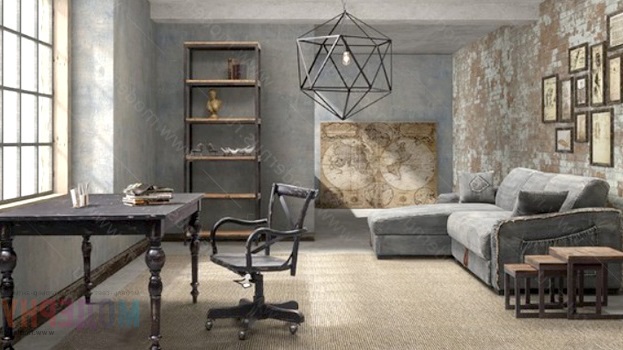
Is industrial style still popular? Yes, but modern industrial interior design has become warmer, softer, and easier to adapt to everyday homes.

Traditional industrial interiors were inspired by factories, warehouses, and workshops, with exposed brick, concrete, steel, visible structural elements, and large open spaces. These features still define the style, but they no longer need to dominate an entire room.

A modern industrial interior often combines raw materials with natural wood, comfortable furniture, warm lighting, textiles, plants, and a restrained color palette. This creates a space with character while avoiding the cold or unfinished appearance sometimes associated with older interpretations of the style.

Modern industrial interior with metal, wood and neutral colors


Key Characteristics of Industrial Interior Design

Industrial design has a recognizable visual language, but not every industrial interior needs to include every traditional feature.

Common characteristics include:

  • Exposed materials: brick, concrete, wood, steel, and glass are often allowed to remain visually prominent.
  • Simple forms: furniture and fixtures usually favor functional shapes over elaborate ornamentation.
  • Metal details: steel frames, shelving, lighting, hardware, and partitions can provide strong visual definition.
  • Natural wood: wood adds warmth and balances harder materials.
  • Open space: industrial architecture traditionally favors large, flexible spaces, although the style can also work in smaller rooms.
  • Visible structure: original beams, columns, brickwork, and other architectural features can become part of the design.
  • Restrained colors: neutral backgrounds allow materials and textures to provide much of the visual interest.
  • Practical furniture: pieces tend to look functional rather than excessively decorative.

The goal is not to make a home look unfinished. Successful industrial design makes raw-looking materials feel intentional and balanced.

Industrial interior materials including brick, wood and metal


How Industrial Style Has Changed

Earlier interpretations of industrial interiors often emphasized dark colors, distressed surfaces, exposed infrastructure, and heavy furniture.

That approach can look convincing in an authentic loft or converted industrial building, but reproducing every feature in an ordinary home can easily make the interior feel themed.

A more contemporary approach uses industrial elements selectively.

Less Artificial Distressing

Furniture does not need to look deliberately damaged or heavily aged. Clean wood, matte metal, leather, glass, and textured surfaces can provide enough industrial character.

Warmer Materials

Natural wood, linen, wool, leather, rugs, and upholstered furniture can soften concrete, brick, and metal.

Lighter Backgrounds

Industrial interiors do not have to be dominated by charcoal and black. Warm white, beige, greige, muted gray, and natural wood tones can create a brighter foundation.

More Comfortable Furniture

Modern industrial design places greater emphasis on how a home actually feels to live in. A comfortable sofa or upholstered armchair can provide useful contrast with harder architectural surfaces.


Materials That Define Industrial Interiors

Materials are usually more important than decorative accessories when creating an industrial interior.

Brick

Exposed brick provides texture and architectural character, particularly when it is original to the building.

Where genuine brick is unavailable, brick-look finishes can create a similar effect, but they work best when used selectively and in a way that suits the architecture.

Concrete

Concrete and concrete-look finishes can be used on floors, walls, countertops, fireplace surrounds, and smaller decorative elements.

Because large concrete surfaces can feel visually cool, they often benefit from warmer wood, textiles, or lighting nearby.

Metal

Metal is one of the easiest ways to introduce industrial character.

It can appear in:

  • shelving
  • table and chair frames
  • lighting fixtures
  • stair railings
  • glass partitions
  • door and window frames
  • cabinet hardware

Black steel is common, but brushed metal, dark bronze, and other restrained metallic finishes can also work well.

Wood

Wood provides an important counterbalance to harder materials. Flooring, dining tables, cabinets, shelving, and smaller furniture pieces can introduce warmth and natural variation.

Glass

Glass partitions with slim metal frames can separate functional areas while preserving light and visual openness.


Industrial Interior Color Palette

Industrial color schemes are usually restrained, but they do not have to be dark.

Useful foundation colors include:

  • warm white
  • cream
  • soft gray
  • greige
  • taupe
  • charcoal
  • black
  • natural wood tones

Muted green, deep blue, rust, terracotta, burgundy, and warm brown can be introduced as accent colors.

The proportions matter. Black may work beautifully on window frames, lamps, shelving, or furniture legs without needing to cover an entire wall.


Choosing Furniture for an Industrial Interior

Industrial furniture usually combines straightforward construction with durable-looking materials.

Suitable pieces can include:

  • solid wood dining tables
  • metal-framed shelving
  • simple upholstered sofas
  • leather or fabric armchairs
  • wood-and-metal coffee tables
  • simple cabinets with clean lines

Avoid buying every piece from the same industrial furniture collection. Mixing industrial pieces with simpler contemporary furniture often produces a more natural interior.

Balance Visual Weight

Industrial furniture can appear heavy because of dark metal, thick wood, and substantial construction.

If the room already contains exposed brick or concrete, lighter furniture can prevent the interior from becoming visually overloaded.


Industrial Lighting Ideas

Lighting is one of the easiest ways to introduce industrial style without changing the architecture of a room.

Common options include:

  • metal pendant lights
  • simple wall sconces
  • track lighting
  • adjustable floor lamps
  • glass-and-metal fixtures
  • simple directional task lights

Avoid relying on a single overhead fixture. Industrial rooms often contain hard surfaces that can feel stark under strong uniform lighting.

Instead, combine ambient lighting with floor lamps, task lighting, and smaller accent lights.

Warm light can make brick, wood, leather, and textured surfaces feel more inviting in the evening.


How to Make Industrial Style Feel Warmer

Industrial interiors sometimes develop a reputation for feeling cold, but that usually happens when too many hard materials are used without enough visual balance.

Add Textiles

Rugs, curtains, cushions, throws, and upholstered furniture introduce softness. They can also help reduce the echo that often occurs in rooms with concrete, glass, brick, and other hard surfaces.

Use Natural Wood

Wood is one of the most effective ways to balance metal and concrete while maintaining the industrial character of the room.

Add Plants

Plants introduce natural color and organic shapes that contrast with straight architectural lines.

Use Layered Lighting

Several smaller light sources generally create a more comfortable atmosphere than one very bright ceiling fixture.

Include Personal Objects

Books, artwork, ceramics, photographs, and a limited number of meaningful decorative objects can prevent the interior from looking like a commercial showroom.


Can Industrial Style Work in a Small Home?

Yes. Industrial style does not require a warehouse-sized room.

In a smaller apartment or house, the key is to use industrial elements selectively.

Consider:

  • using lighter wall colors
  • choosing furniture with slim metal frames
  • limiting dark surfaces
  • using one strong industrial feature rather than several
  • keeping circulation areas clear
  • allowing natural light to remain unobstructed
  • choosing furniture that suits the scale of the room

For example, a light living room with a wood-and-metal coffee table, one industrial floor lamp, and a simple metal shelving unit can suggest the style without making the room feel heavy.


Mixing Industrial Style With Other Interior Styles

One reason industrial design remains useful is that it can be combined with several other design approaches.

Industrial and Minimalist

Both styles value simple forms, functionality, and limited clutter. Minimalist furniture can make an industrial interior feel cleaner and more refined.

See our guide to

minimalist interior design

for more ideas.

Industrial and Scandinavian

Light wood, neutral colors, comfortable furniture, and soft textiles can balance darker industrial materials.

Industrial and Rustic

Wood, brick, metal, leather, and textured fabrics naturally complement one another. The combination works best when artificial distressing is kept under control.

Industrial and Contemporary

Contemporary furniture and cleaner architectural details can give an industrial room a more polished appearance.

Industrial and Mid-Century Modern

Mid-century furniture can introduce curved forms, warm wood tones, and lighter proportions into rooms dominated by metal and concrete.


Common Industrial Interior Design Mistakes

Using Too Much Black

Black creates useful contrast, but using it on too many large surfaces can make a room feel unnecessarily dark.

Making Everything Look Old

Industrial style does not require every object to be rusty, distressed, or reclaimed-looking.

Adding Fake Structural Details

Decorative pipes, ducts, or other factory elements added without a practical or architectural reason can make a room feel themed rather than authentic.

Using Too Many Raw Materials at Once

Brick, concrete, steel, wood, stone, glass, and leather can all work in an industrial interior, but they do not all need to compete for attention.

Choose a limited material palette and repeat it consistently.

Forgetting Comfort

A home should still be comfortable. Rugs, upholstered seating, curtains, warm lighting, and practical storage can make a major difference.

Ignoring Scale

Large factory-style lights and heavy furniture that look impressive in a spacious loft can overwhelm an ordinary room.

Using Too Much Open Storage

Open shelving suits industrial interiors, but using it everywhere can create visual clutter. Combine display shelving with closed storage where practical.


Frequently Asked Questions

Is industrial style still popular?

Yes. Industrial design continues to work in modern homes, although it is often used in a softer and more selective way. Brick, wood, metal, concrete, simple furniture, and industrial lighting can be combined with warmer colors and comfortable materials.

Is industrial interior design going out of style?

Specific decorating trends change, but the basic materials associated with industrial interiors are not tied to one short period. A restrained approach is generally easier to update as tastes change.

Does industrial style have to be dark?

No. Warm white, cream, beige, light gray, and natural wood can form the main palette, while black and dark metal are used as accents.

Can industrial style feel cozy?

Yes. Natural wood, rugs, curtains, upholstered furniture, plants, personal objects, and warm layered lighting can make industrial interiors considerably more comfortable.

Can industrial design work in a small apartment?

Yes. Use a limited number of industrial features, lighter colors, appropriately scaled furniture, and slim metal details rather than trying to reproduce the appearance of a large warehouse.

What colors work well with industrial interiors?

Warm white, gray, beige, taupe, charcoal, black, and natural wood are common choices. Muted green, blue, terracotta, rust, and other earthy colors can be used for accents.

What is the difference between industrial and rustic style?

Industrial design tends to emphasize metal, concrete, brick, glass, and functional forms. Rustic design generally places more emphasis on wood, natural textures, and traditional or handcrafted details. The two styles can also be combined.


Final Thoughts

Industrial style is still relevant, but it no longer needs to mean turning an entire home into a dark warehouse-inspired space.

A more flexible approach is to keep the strongest elements of industrial design — simple forms, brick, wood, concrete, glass, and metal — while adding the comfort expected from a modern home.

Use industrial features selectively, balance hard surfaces with textiles and natural materials, and pay attention to lighting, furniture scale, and practical storage.

Done well, industrial design can feel contemporary and distinctive without becoming cold, excessively dark, or overly themed.

Similar Posts