Mini Rice Cooker: How to Choose the Right One for a Small Kitchen
Small rice cookers are popular with people who live alone, couples, students, and anyone trying to simplify everyday cooking. Depending on the model, they can prepare white rice, brown rice, porridge, and sometimes other simple dishes.
However, mini rice cookers are not all alike. Their capacities, cooking programs, removable parts, and electrical requirements can vary considerably. This guide explains what to compare before buying and how to choose a model that fits your kitchen, budget, and cooking habits.
What Is a Mini Rice Cooker?
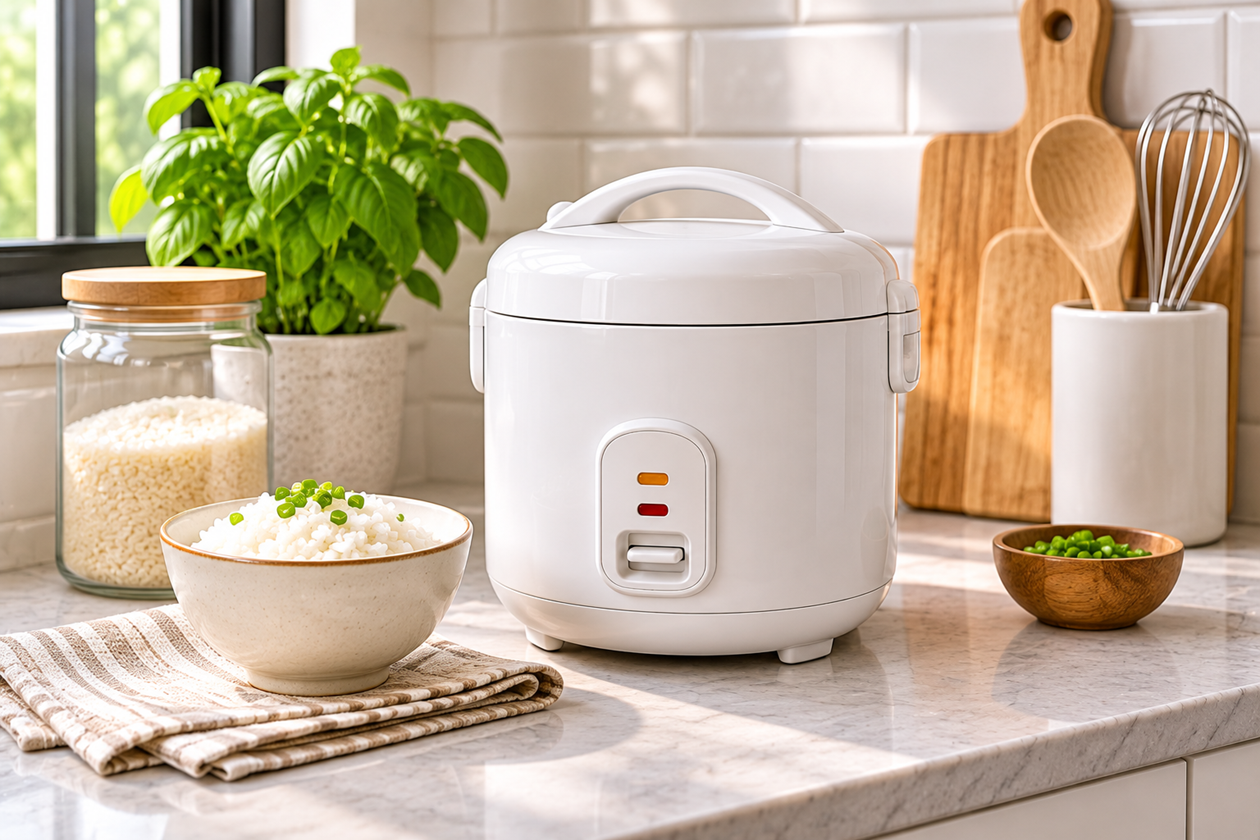
A mini rice cooker is a compact electrical appliance designed to cook smaller quantities of rice automatically.
Like a conventional rice cooker, it uses an internal heating system and a removable cooking pot. Many models switch to a warming mode or turn off when the cooking program finishes.
The main difference is size. Mini models are designed for smaller portions and usually take up less room on a countertop or storage shelf.
Some compact rice cookers have a single cooking switch, while others include electronic controls and additional programs for different grains or meals.
A mini rice cooker can be particularly useful if you want a dedicated appliance without purchasing a much larger multifunctional machine.
Advantages and Disadvantages of Mini Rice Cookers
Before choosing a compact rice cooker, consider how it compares with a regular saucepan or a larger electric cooker.
Advantages
- Compact size: takes up relatively little kitchen space.
- Convenient cooking: many models manage the heating process automatically.
- Small portions: suitable for households that do not regularly prepare large quantities of rice.
- Simple controls: basic models can be easy to operate.
- Less supervision: reduces the need to monitor a saucepan continuously.
- Additional programs: some models can prepare porridge, grains, or steamed foods.
Possible disadvantages
- Limited capacity for families or meal preparation in large batches.
- Some models offer only basic cooking functions.
- The inner pot may be too small for certain recipes.
- Cooking results depend on using the correct water quantity and settings.
- A separate electrical appliance still requires storage space and cleaning.
If you regularly cook for several people, a medium-size rice cooker may be more convenient than repeatedly preparing small batches.
How to Choose the Right Mini Rice Cooker Capacity
Capacity is one of the most important factors when choosing a mini rice cooker.
Rice cooker capacities are often described in cups, but the meaning of a cup can vary between manufacturers. The included rice measuring cup may also be smaller than a standard US measuring cup.
Some product listings describe the maximum quantity of uncooked rice, while others emphasize cooked rice capacity or the volume of the cooking pot.
Always check which measurement the manufacturer is using.
Small capacity: around 1 to 1.5 cups of uncooked rice
Very compact models can be suitable for a person who cooks one or two modest portions at a time.
They are useful in kitchens with extremely limited storage space, but the small pot may restrict the types of recipes you can prepare.
Medium mini capacity: around 2 cups of uncooked rice
A cooker in this category can be a practical compromise for one or two people.
It may provide enough cooked rice for a shared meal or a small amount of leftovers, depending on portion size and rice variety.
Larger compact capacity: around 3 cups of uncooked rice
A 3-cup model may suit a couple, a small household, or someone who likes preparing several portions at once.
However, a cooker labeled as a 3-cup model is not necessarily ideal for cooking very small amounts. Check its minimum recommended cooking quantity.
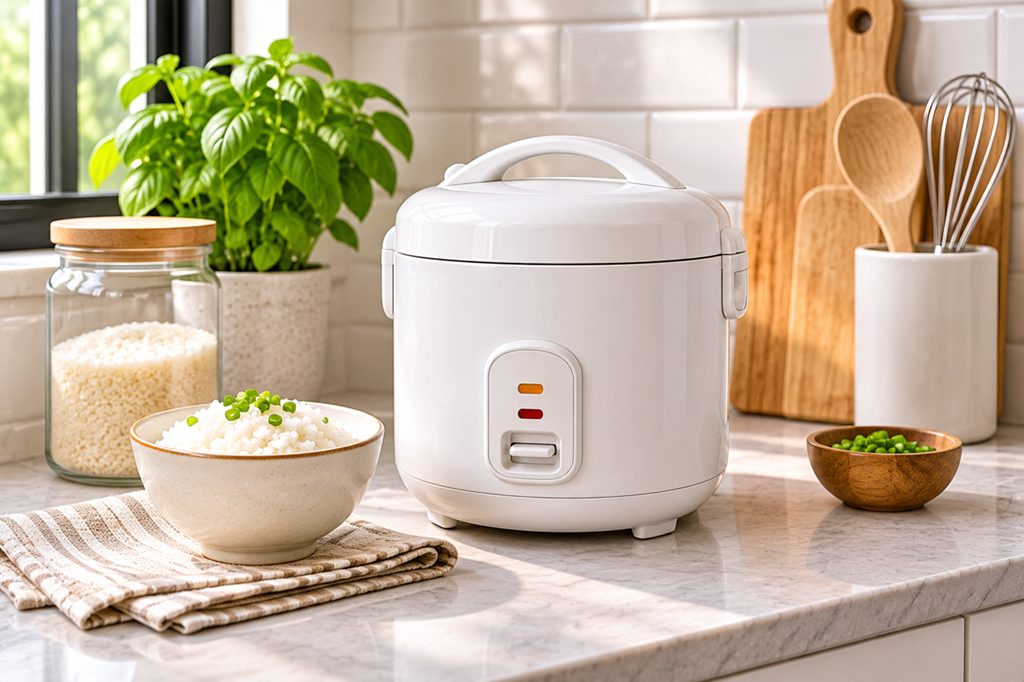
Capacity comparison
| Advertised Uncooked Rice Capacity | Potential Use | Main Consideration |
|---|---|---|
| 1–1.5 cups | Individual meals | Very limited batch size |
| 2 cups | One or two people | Balance of size and flexibility |
| 3 cups | Small household or extra portions | Requires more storage space |
These categories are general shopping guidelines rather than standardized product classifications.
Cooked rice volume depends on the variety and cooking method. Use the manufacturer’s specifications rather than assuming that every cup of uncooked rice produces exactly the same amount of cooked rice.
Types of Mini Rice Cookers
Mini rice cookers can be divided into several broad categories based on their controls and cooking technology.
1. Basic One-Touch Rice Cooker
A basic mini rice cooker typically uses a single switch to start cooking.
When the cooking cycle finishes, the appliance may switch automatically to a warming mode.
This type is often a good option if you mainly prepare ordinary white rice and prefer straightforward controls.
However, it may offer limited flexibility for brown rice, porridge, and specialty grains.
2. Digital Mini Rice Cooker
Digital models use electronic controls and may include several cooking modes.
Depending on the product, these can include settings for white rice, brown rice, porridge, or delayed cooking.
A digital cooker may be worth considering if you prepare different rice varieties and want more control over the cooking process.
More features do not automatically mean better rice. Consistent cooking performance and convenient cleaning are just as important.
3. Mini Rice Cooker With Fuzzy Logic
Some electronic rice cookers use fuzzy-logic control to adjust parts of the heating process based on their programmed cooking algorithms and sensor readings.
These systems may provide more flexibility than a simple mechanical switch, especially when cooking different types of rice.
However, performance varies by model, and advanced controls can increase the purchase price.
4. Small Multifunction Rice Cooker
Multifunction models may offer additional programs for porridge, grains, steaming, or other simple dishes.
They can be appealing when you want one compact appliance to perform several tasks.
Before buying, check whether the included accessories and cooking programs are genuinely useful for your routine.
Important Features to Look for in a Mini Rice Cooker
Removable inner pot
A removable cooking pot makes serving and cleaning easier.
Check whether replacement pots are available and whether the manufacturer provides clear care instructions.
Nonstick coating
Many rice cookers include a nonstick inner pot to help reduce sticking.
Avoid metal utensils and abrasive cleaning tools unless the manufacturer explicitly permits them.
Keep-warm function
A warming function can keep rice ready to serve after cooking.
However, the appliance must maintain an appropriate temperature, and its manual should specify any limits on warming time.
Do not assume that rice can remain safely in every keep-warm mode indefinitely.
Timer and delayed start
Some models allow you to schedule cooking in advance.
Follow the manufacturer’s restrictions on delayed cooking, especially when recipes contain ingredients that require refrigeration.
Clear water-level markings
Readable measurements inside the cooking pot make it easier to add the correct amount of water.
These markings are particularly useful for beginners.
Removable lid components
Some rice cookers include a detachable inner lid or steam-vent component.
Removable parts can make cleaning easier, especially when starch collects around the lid.
Stable construction
Look for a cooker that sits securely on the countertop and has an appropriately designed lid, handles, and power cord.
How to Choose a Mini Rice Cooker for a Small Kitchen
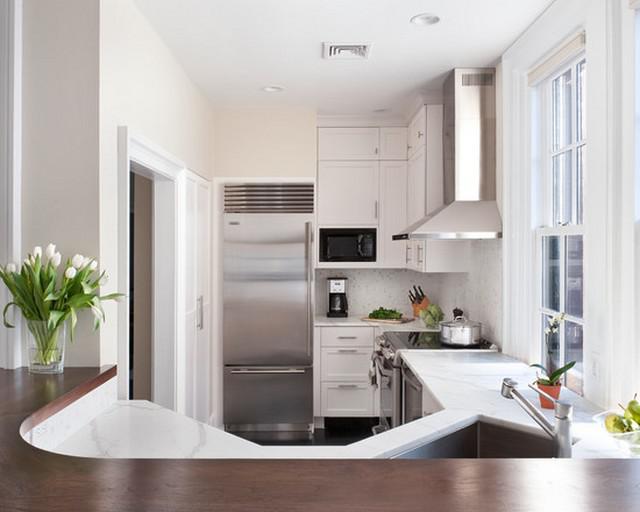
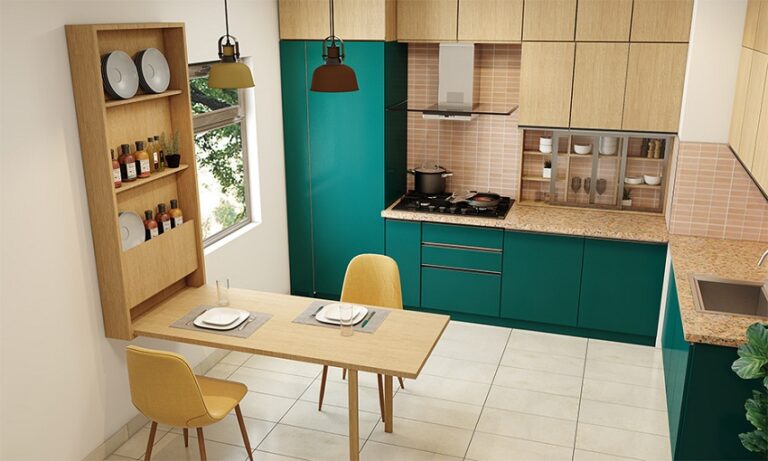
A compact appliance should fit comfortably into your kitchen without creating new storage problems.
Measure the countertop
Before ordering a cooker, check its width, depth, and height.
Remember that the appliance may need additional clearance above it when the lid is open or steam is released.
Check cabinet storage space
If you do not plan to keep the cooker on the countertop permanently, measure the cabinet or shelf where it will be stored.
Include space for the power cord, measuring cup, serving spoon, and any steaming accessories.
Consider the cooking location
A rice cooker should be operated on a stable, level, heat-resistant surface according to its manufacturer’s instructions.
Do not use the appliance in an enclosed cabinet or beneath surfaces that could be damaged by escaping steam unless the manufacturer specifically approves that arrangement.
Choose appliances you will actually use
If you already own a multifunction cooker that prepares rice well, a separate mini rice cooker may not be necessary.
On the other hand, a dedicated compact cooker may be worthwhile if you cook rice several times a week and prefer an uncomplicated appliance.
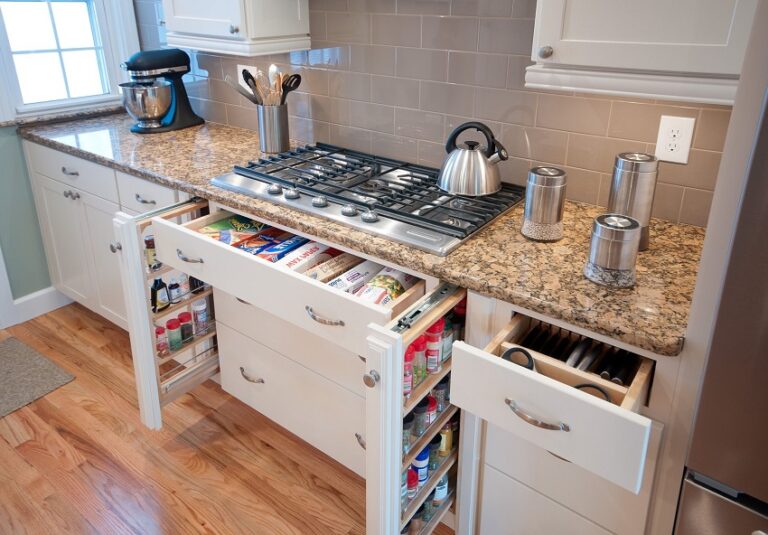
For more storage solutions, read our kitchen appliance garage ideas.
Can a Mini Rice Cooker Prepare Different Types of Rice?
Many compact rice cookers can prepare more than one type of rice, but suitable programs and water quantities vary between models.
White rice
White rice is usually the most straightforward option for a basic rice cooker.
Follow the appliance’s instructions for measuring rice and adding water.
Brown rice
Brown rice generally needs different cooking conditions than white rice.
A model with a dedicated brown-rice program may be more convenient if you prepare it regularly.
Jasmine and basmati rice
These varieties can often be prepared in a rice cooker, but the ideal water quantity and preparation method depend on the rice and appliance.
Sushi rice
Some rice cookers provide settings suitable for short-grain rice. Correct rinsing, measuring, and resting are important for the desired texture.
Mixed grains
Some digital models support additional grains, but compatibility should be confirmed in the manual.
Do not assume that every grain can be cooked using the same settings as white rice.
What Else Can You Cook in a Mini Rice Cooker?
Depending on its design and approved cooking programs, a mini rice cooker may be able to prepare other foods besides rice.
Oatmeal and porridge
Models with a porridge program may be useful for preparing warm breakfast dishes.
Keep within the recommended capacity because foaming ingredients can overflow in a small pot.
Quinoa and other grains
Some rice cookers can prepare quinoa or similar grains using a suitable program.
Check the manufacturer’s recommendations for water quantities and cooking settings.
Steamed vegetables
Models supplied with an approved steaming basket may be suitable for preparing vegetables.
Use the correct water level and avoid blocking steam outlets.
Simple one-pot meals
Certain multifunction models support recipes that combine rice with other ingredients.
Only use ingredients and cooking methods approved for the appliance. Recipes containing meat, seafood, or other potentially hazardous foods require appropriate cooking and food-safety controls.
A basic rice cooker should not be treated as a general-purpose pressure cooker, slow cooker, or substitute for equipment with different safety features.
How to Use a Mini Rice Cooker
The exact procedure varies by manufacturer, but the general preparation process is relatively simple.
Step 1: Measure the rice
Use the measuring cup supplied with the cooker when required by the manual.
Do not substitute a standard measuring cup without checking whether the measurements are equivalent.
Step 2: Rinse if recommended
Some rice varieties and cooking instructions recommend rinsing before cooking.
Use a separate bowl when the manufacturer advises against washing rice directly inside the nonstick pot.
Step 3: Add the correct amount of water
Follow the manufacturer’s water-level markings or cooking instructions for the rice variety and quantity.
Avoid guessing the water ratio based on an unrelated recipe or another rice cooker.
Step 4: Position the inner pot correctly
Make sure the outside of the pot is clean and dry before placing it into the cooker, as directed by the manual.
Step 5: Start the cooking program
Select the appropriate program and allow the appliance to complete its cycle.
Keep steam vents clear and avoid unnecessary lid opening during cooking.
Step 6: Rest and fluff the rice
Some manufacturers recommend allowing the rice to rest briefly after cooking.
Use an appropriate serving utensil to fluff the rice without damaging the pot’s coating.
Step 7: Serve or store safely
Serve the rice promptly or follow the appliance’s approved keep-warm instructions.
If you are saving leftovers, cool and refrigerate them promptly rather than leaving cooked rice at room temperature.
For model-specific instructions, consult the Panasonic rice cooker cooking guide.
How to Clean and Maintain a Mini Rice Cooker
Regular cleaning helps maintain cooking performance and prevents food residue from collecting inside the appliance.
Unplug and allow the cooker to cool
Always disconnect the appliance and follow the manufacturer’s cooling instructions before cleaning.
Wash the inner pot carefully
Use a soft sponge and an appropriate dishwashing product.
Avoid abrasive tools that could damage nonstick surfaces.
Clean removable lid parts
If the cooker has a removable inner lid, steam vent, or condensation collector, clean these parts according to the manual.
Wipe the exterior
Use a slightly damp cloth on suitable exterior surfaces.
Never immerse the electrical base in water unless the manufacturer specifically identifies it as washable.
Inspect the power cord and pot
Check for damaged electrical components, warped cookware, or deteriorating coatings.
Stop using the appliance if you notice damage that could affect safety.
Do Mini Rice Cookers Use Less Electricity?
A mini rice cooker is smaller than a full-size model, but that does not automatically mean it uses less electricity for every meal.
Actual energy consumption depends on the appliance’s power rating, cooking duration, temperature control, rice quantity, and time spent in keep-warm mode.
A simple way to understand electricity use is:
Energy consumption (kWh) = average power (kW) × operating time (hours).
For example, an appliance averaging 300 watts over 30 minutes would use approximately 0.15 kWh during that period.
This is an illustrative calculation, not a measured consumption figure for a specific rice cooker.
For the most useful comparison, look at how much electricity an appliance uses to prepare the portion size you normally eat.
Cooking unnecessary quantities of rice and leaving a machine on keep-warm for long periods may reduce any potential energy savings.
Mini Rice Cooker Safety and Cooked Rice Storage
Even a small electrical appliance requires appropriate placement, operation, and maintenance.
Leave space for steam
Hot steam can cause burns and damage nearby surfaces.
Place the cooker where steam can escape safely, following the manufacturer’s clearance requirements.
Keep the power connection safe
Use an appropriate electrical outlet and avoid damaged cords or unsuitable extension leads.
Do not overfill the pot
Exceeding the maximum fill level can cause overflowing and interfere with cooking.
Follow keep-warm instructions
Keep-warm features differ between models. Follow the manufacturer’s time and temperature limits rather than assuming all cookers maintain rice safely under the same conditions.
Refrigerate leftover rice promptly
Cooked rice should not be left sitting at room temperature for extended periods.
Transfer leftovers into shallow containers, cool them promptly, and refrigerate them within two hours. If the surrounding temperature is above 90°F (32°C), refrigerate within one hour.
For general food-safety recommendations, see the CDC food safety guidance.
Mini Rice Cooker Buying Checklist
Before buying a mini rice cooker, compare the following characteristics.
| Feature | What to Check |
|---|---|
| Capacity | Maximum and minimum uncooked rice quantities |
| Dimensions | Width, depth, height, and required lid clearance |
| Programs | White rice, brown rice, porridge, or other useful settings |
| Controls | One-touch switch or digital interface |
| Inner pot | Coating, durability, removal, and replacement availability |
| Cleaning | Removable components and maintenance requirements |
| Keep warm | Automatic operation and manufacturer-approved duration |
| Accessories | Measuring cup, spoon, or steaming basket |
| Electrical rating | Voltage, wattage, and compatibility with local outlets |
| Warranty | Coverage, replacement parts, and local service availability |
A compact model with fewer programs may be a better choice than a feature-heavy appliance if you mainly cook white rice.
Conversely, a digital model may be worthwhile if you frequently prepare different grains and want more control.
Common Mini Rice Cooker Buying Mistakes
Confusing cooked and uncooked rice capacity
Always confirm what the advertised cup measurement represents.
Choosing the smallest possible model
An extremely small cooker may not accommodate your usual meals or additional portions.
Ignoring minimum cooking quantities
Some larger compact cookers may not work equally well with very small batches.
Buying more cooking programs than necessary
A complicated interface is not always an improvement if you only need one simple rice program.
Forgetting about cleaning
Consider how easily the inner lid, steam vent, and cooking pot can be cleaned.
Ignoring the appliance’s height
A cooker may fit under an upper cabinet while closed but lack enough space for safe lid opening or steam release.
Assuming every cooker can prepare full meals
Many basic rice cookers are designed primarily for rice. Additional recipes should be limited to those supported by the appliance’s instructions.
Frequently Asked Questions About Mini Rice Cookers
What size mini rice cooker is best for one person?
A cooker with a small uncooked-rice capacity may be sufficient for an individual, but the ideal size depends on portion preferences and whether you want leftovers. Check the manufacturer’s minimum and maximum quantities.
Is a 3-cup rice cooker too large for one person?
Not necessarily. A 3-cup model may be useful if you occasionally cook several portions, but it could occupy more space than necessary if you only prepare very small meals.
Can a mini rice cooker cook brown rice?
Many can, although cooking programs and results vary. A dedicated brown-rice setting may be helpful if you prepare brown rice regularly.
Can you cook quinoa in a mini rice cooker?
Some models support quinoa or similar grains. Check the manufacturer’s approved cooking programs and recommended liquid quantities.
Can you make oatmeal in a mini rice cooker?
Some multifunction models include a porridge setting. Use an appropriate program and observe the maximum fill level to reduce the risk of overflowing.
Is a mini rice cooker worth buying?
It can be worthwhile if you prepare rice regularly, want convenient automatic cooking, and have limited storage space. A saucepan may be sufficient if you cook rice only occasionally.
How long does a mini rice cooker take to cook rice?
Cooking time varies by model, rice type, portion size, and program. Consult the product instructions for realistic cooking times rather than assuming that a smaller cooker is always faster.
Can a mini rice cooker stay on keep-warm all day?
Do not assume it can. Keep-warm performance and approved durations differ between appliances. Follow the manufacturer’s instructions and refrigerate leftovers promptly when they are no longer being safely held hot.
Are mini rice cookers easy to clean?
Many have removable inner pots and relatively simple components, but models with detachable lids and accessible steam vents may be easier to clean thoroughly.
Does a mini rice cooker save countertop space?
Compared with larger rice cookers, a compact model may require less space. However, it still needs a suitable operating location and safe clearance for heat and steam.
Choose a Mini Rice Cooker That Fits Your Routine
The best mini rice cooker is not necessarily the smallest or most expensive model. It is the one that matches your usual portion sizes, available kitchen space, and preferred cooking style.
Begin by checking uncooked rice capacity, overall dimensions, cooking programs, and cleaning requirements. Then compare useful features such as automatic warming, removable lid components, and replacement parts.
For a small apartment or compact kitchen, a reliable and easy-to-store appliance may offer more everyday value than a larger model with functions you rarely use.
With the right capacity and sensible features, a mini rice cooker can make preparing simple meals more convenient without adding unnecessary clutter to the kitchen.
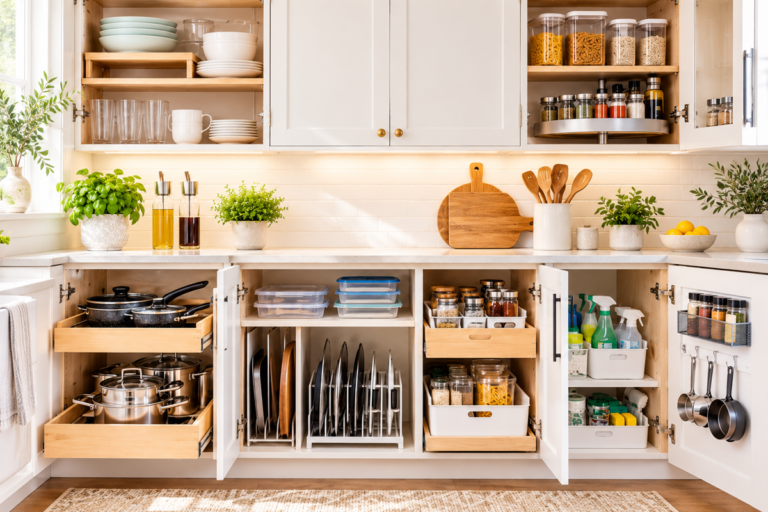
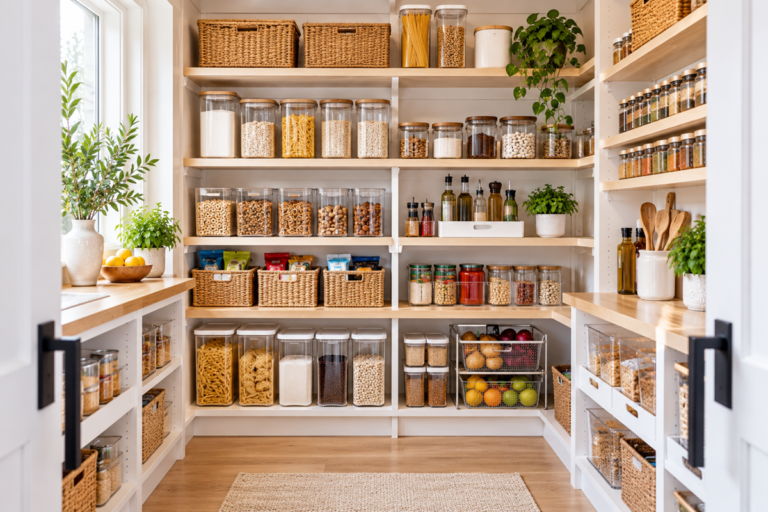
For additional storage inspiration, explore our kitchen cabinet organization ideas and our guide on how to organize a kitchen pantry.