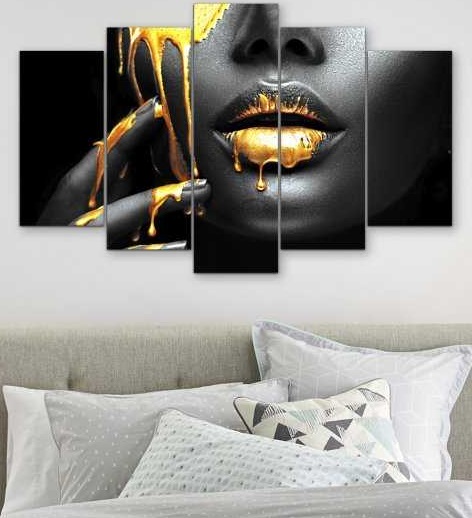
Artwork for Bedroom: How to Choose Size, Color and Style
Artwork for bedroom interiors can add personality, color, texture, and a clear visual focus without taking up valuable floor space. The right piece should suit the room’s scale, coordinate with the furniture and textiles, and create an atmosphere that feels comfortable to the people using the bedroom.
There is no single subject, color, or style that works in every sleeping space. A quiet landscape may feel relaxing to one person, while another may prefer abstract art, photography, botanical prints, or a personal collection.
This guide explains how to choose bedroom artwork, select the right size, arrange art above a bed or dresser, coordinate colors, choose frames, protect valuable pieces, and hang everything safely.
1. What Artwork Adds to a Bedroom
Bedroom artwork can support several design purposes:
- Create a focal point
- Connect wall, furniture, and textile colors
- Add contrast to a neutral interior
- Introduce texture and visual depth
- Make a temporary or rented room feel personal
- Balance an empty wall
- Express interests, memories, or personal style
The artwork does not need to match every object in the room. It can coordinate with the interior through one repeated color, a similar visual mood, a frame material, or a contrasting accent.
Begin with pieces you genuinely enjoy rather than selecting generic art only because it matches the bedding. A bedroom is a personal space, and artwork should remain appealing after individual decorating trends have passed.

2. Types of Artwork for Bedroom Interiors
Bedroom wall art can use many subjects, materials, and formats.
Paintings
Original or reproduced paintings can add color, texture, and individuality. Oil, acrylic, watercolor, gouache, and mixed-media works each have different surfaces and care requirements.
Art prints
Prints provide access to a wide range of styles and prices. They may be sold as open editions, limited editions, or reproductions of existing artwork.
Print quality depends on the paper, inks, printing process, and framing rather than the image alone.
Photography
Photography works well in contemporary, minimalist, industrial, and traditional bedrooms. Possible subjects include landscapes, architecture, travel, nature, portraits, and abstract details.
Textile art
Woven panels, embroidery, fabric hangings, and other textile pieces introduce softness and texture. Their mounting method should support the material without causing stretching or distortion.
Canvas art
Stretched canvas can be displayed with or without an outer decorative frame. An unframed canvas creates a simple appearance, while a floating frame gives the edges more definition.
Illustration and graphic art
Illustrations, line drawings, typography, and graphic prints can suit modern or playful interiors. Typography should use wording you will remain comfortable seeing every day.
Sculptural wall art
Wood, metal, ceramic, plaster, and mixed-material wall objects add depth. Their weight and shape require suitable fixings and secure installation.
Personal and handmade art
Family photographs, children’s drawings, travel finds, handmade prints, and personal collections can make the bedroom feel distinctive.
Consistent frames or mats can bring visually different pieces together.

3. Choose an Appropriate Subject and Style
The best subject is one that suits the room and feels pleasant to the people who use it. Art does not have to be quiet or neutral, but very intense imagery may be less comfortable in a space intended for rest.
Popular bedroom subjects include:
- Landscapes and nature
- Botanical illustrations
- Abstract compositions
- Architecture and travel photography
- Minimalist line art
- Still-life paintings
- Black-and-white photography
- Personal photographs
- Textile and woven art
Match the level of visual activity
A room with patterned wallpaper, colorful bedding, and decorative furniture may benefit from simpler artwork. A restrained bedroom can support a larger, more expressive piece.
Coordinate with the interior style
Artwork does not need to belong to exactly the same design period as the furniture. Contrast can make a room more interesting.
For example:
- Abstract art can add energy to a traditional room.
- A vintage print can give a minimalist bedroom more character.
- Botanical art can soften an industrial interior.
- Graphic photography can create contrast in a warm neutral room.
For broader room-planning inspiration, see our contemporary bedroom design ideas.
4. Choose the Right Bedroom Artwork Size
Artwork should relate visually to the furniture and available wall rather than being selected from wall dimensions alone.
Large artwork
One large piece creates a clear focal point and is often easier to arrange than several small frames. It can work above a bed, dresser, console, or on an otherwise empty wall.
Make sure the piece does not feel wider than the furniture supporting the composition unless the complete room design intentionally calls for that effect.
Small artwork
A small piece can work above a bedside table, near a reading chair, or as part of a grouped arrangement. A single small frame may look isolated when centered on a large empty wall.
Artwork groups
When several pieces form one arrangement, evaluate the outside dimensions of the complete group. The spaces between frames are part of its total visual size.
Test the size before buying
Use removable paper templates or painter’s tape to mark the proposed artwork dimensions on the wall.
View the outline from:
- The bedroom entrance
- The bed
- The main standing position
- Any mirror that reflects the wall
This makes it easier to compare several sizes without relying only on measurements.
5. How to Hang Art Above the Bed
Art above the bed is a common bedroom arrangement because the bed usually acts as the room’s largest visual anchor.
Coordinate with the headboard
The artwork and headboard should read as one composition without appearing crowded. Leave a visible gap so the frame does not seem to rest directly on the furniture.
A tall headboard leaves less wall space and may work better with a horizontal piece or a compact group. A low headboard can support taller artwork.
Center the artwork on the bed
In most layouts, center the artwork or complete art group on the bed rather than the entire wall. This preserves a clear relationship between the two elements.
An intentionally asymmetrical arrangement can also work, but it should be balanced by lighting, a bedside table, or another decorative element.
Use safe mounting hardware
Artwork above a bed must be securely attached. Select fixings according to:
- Artwork and frame weight
- Wall material
- Frame construction
- Hanging hardware
- Local seismic risk where relevant
Do not hang heavy artwork using a small nail or adhesive strip unless the product is explicitly rated for the weight, surface, and application.
Use two suitable attachment points when appropriate to help keep the frame level and reduce movement. Professional installation may be advisable for large, heavy, glazed, or valuable pieces.
Avoid unstable objects above the bed
Heavy mirrors, loosely mounted shelves, ceramic objects, and projecting sculptures require especially careful assessment. A lighter canvas, textile piece, or securely framed print may be more appropriate when mounting conditions are uncertain.
6. Other Places to Display Bedroom Artwork
Above a dresser
Artwork above a dresser creates a secondary focal point. Coordinate it with any lamps, trays, plants, or decorative objects placed on the furniture.
A frame can be hung on the wall or, where safe, a lightweight piece can be leaned against it. Leaning artwork should remain stable and should not be placed where it can slide or fall.
Above bedside tables
A pair of related artworks above matching bedside tables can create symmetry. Different but visually connected pieces can make the room feel less formal.
Beside a reading chair
A small artwork grouping can define a reading corner without competing with the main wall above the bed.
On the wall opposite the bed
Artwork opposite the bed remains visible from the main resting position. Choose a piece you enjoy seeing frequently and check whether screen reflections, mirrors, or furniture interrupt the composition.
In an alcove or niche
A recessed wall area can display one small piece, a sculpture, or a compact arrangement. Avoid overcrowding a narrow niche.
7. Single Artwork, Pairs, and Gallery Walls
One large piece
A single large artwork creates the simplest composition and works well in bedrooms with clean lines or limited decorative elements.
A matching pair
Two pieces of the same size create symmetry. They may share a subject, color palette, frame, or artistic style.
Triptych
A triptych divides one image or visual concept across three panels. Keep the gaps consistent so the panels appear connected.
Gallery wall
A gallery wall allows photographs, prints, drawings, and personal objects to form one collection.
To create a cohesive arrangement, repeat at least one element:
- Frame color
- Mat color
- Image palette
- Subject
- Spacing
- Frame shape
Plan the arrangement on the floor or with paper templates before making holes in the wall.
Grid arrangement
A structured grid works well with photographs, botanical prints, or minimal drawings of the same size. Accurate alignment is important because small errors are easy to notice.

8. Choose Artwork Colors for a Bedroom
Color can influence how visually calm, warm, cool, bright, or dramatic a room appears, but responses to individual colors are personal and culturally influenced.
Instead of relying on rigid color-psychology rules, compare how the artwork relates to the actual bedroom.
Repeat an existing color
Artwork can repeat a color from:
- Bedding
- Curtains
- A rug
- An upholstered headboard
- A bedside lamp
- Decorative cushions
The colors do not need to match exactly. A lighter, darker, or more muted variation usually looks more natural than perfect coordination.
Introduce a contrasting accent
In a neutral bedroom, art can provide the primary color accent. A controlled amount of blue, green, terracotta, yellow, burgundy, or another color may give the room more character.
Use warm neutrals
Beige, ivory, taupe, muted brown, and warm gray can create a soft composition with natural wood and neutral textiles.
If the room uses light window treatments, our guide to off white blackout curtains explains how lining, color, and installation affect light control.
Use black and white artwork
Black-and-white art can suit almost any interior because it does not introduce a competing color palette.
Monochrome photography, line drawings, graphic prints, and abstract compositions can look minimal, dramatic, nostalgic, or architectural depending on the image and frame.
Black-and-white art is not automatically calming. Subject, scale, contrast, and composition still influence how it feels in the room.

9. Select Frames and Mats
A frame protects and visually defines the artwork. Its material, width, color, and finish should relate to both the image and the bedroom.
Wood frames
Natural wood adds warmth and can coordinate with flooring, bedside tables, or a headboard. The wood species does not need to match the furniture exactly.
Black frames
Black frames provide clear definition and work well with monochrome photography, graphic prints, and modern interiors.
White frames
White frames create a light appearance and can blend into pale walls. They work particularly well with colorful prints or simple line art.
Metal frames
Thin metal frames create a refined contemporary look. Their finish can coordinate with lamps, handles, and other hardware.
Mats
A mat creates space between the artwork and frame. It can make a small print feel more substantial and prevent the composition from appearing crowded.
For valuable or sentimental works, use framing materials appropriate for preservation and consult a professional framer.
Frameless canvas
A stretched canvas can be displayed without a conventional frame. Check that the side edges are finished appropriately and that the hanging system is securely attached to the stretcher or frame.
10. Light Bedroom Artwork Carefully
Artwork should be visible without creating glare, excessive heat, or unnecessary light exposure.
Use indirect room lighting
Ceiling lights, wall lights, and bedside lamps may provide enough illumination without a dedicated picture light.
Avoid direct sunlight
Do not place valuable or light-sensitive artwork where direct sunlight reaches it during the day. Light can fade pigments, photographs, textiles, and works on paper.
Be cautious with picture lights
A picture light should illuminate the artwork evenly without producing a bright hotspot or heating the surface.
Keep fixtures and lamps at a suitable distance and follow the artwork, frame, and lighting manufacturers’ instructions.
Check glare from glazing
Glass and acrylic glazing can reflect windows, lamps, and the bed. Adjust the artwork or lighting position if reflections make the image difficult to see.
Anti-reflective glazing may help with valuable framed works, but options differ in appearance, cost, UV filtering, weight, and scratch resistance.
11. Protect Bedroom Artwork From Damage
Sunlight, humidity, temperature changes, poor framing, unsuitable cleaning, and insecure mounting can damage artwork.
Avoid damp walls
Do not hang artwork on a wall with condensation, water damage, or mold. Resolve the moisture problem first.
Keep artwork away from heat sources
Avoid placing sensitive art directly above radiators, heaters, fireplaces, or other locations with strong temperature fluctuations.
Use suitable glazing
Works on paper, photographs, and some delicate media may benefit from protective glazing and appropriate matting.
The artwork should not normally be pressed directly against ordinary glass. A mat or spacer can create separation.
Dust frames carefully
Use a soft, dry method suitable for the frame. Do not spray household cleaner directly onto framed artwork because liquid may enter around the glazing or damage the frame.
Do not clean an original painting casually
Surface dirt, cracking, flaking, or discoloration on a valuable painting should be assessed by a qualified conservator. Household cleaning products can cause irreversible damage.
12. Artwork for a Small Bedroom
A small bedroom does not need miniature art on every wall. One well-proportioned piece can create a stronger and less cluttered result than several unrelated decorations.
Useful small-bedroom approaches include:
- One horizontal artwork above the bed
- A matching pair above bedside tables
- A vertical piece on a narrow wall
- A small grid of matching prints
- Lightweight textile art
- A framed photograph above a dresser
- A restrained gallery wall on one focal surface
Leave some empty wall space. Negative space helps the room feel calmer and allows each piece to remain visible.
Avoid projecting sculpture or deep frames in narrow walkways where they can be struck when moving around the bed.
For furniture placement, storage, color, and visual-space ideas, see our guide to small modern bedroom designs.
13. Common Bedroom Artwork Mistakes
- Choosing generic art only to match the bedding: select something you genuinely enjoy.
- Using art that is too small for the wall: test its visual scale with a paper template.
- Hanging art too high: relate it to the furniture and normal viewing position.
- Centering art on the wall instead of the bed: use the main furniture as the visual anchor.
- Crowding the headboard: leave a clear gap between furniture and artwork.
- Using weak mounting hardware: fixings must suit the wall and artwork weight.
- Hanging unstable heavy objects above the bed: prioritize secure installation.
- Exposing valuable art to direct sunlight: light damage can be irreversible.
- Using intense picture lights: avoid glare and heat concentrated on the artwork.
- Creating an unplanned gallery wall: arrange templates before drilling.
- Matching every color exactly: subtle variation creates a more natural interior.
- Ignoring reflections: glass may reflect windows and bedside lights.
- Cleaning original art with household products: seek specialist advice when necessary.
Frequently Asked Questions
What type of artwork is best for a bedroom?
The best choice is artwork that suits your taste and feels comfortable in the room. Landscapes, abstract art, photography, botanical prints, textiles, and personal pieces can all work well.
What size artwork should go above a bed?
The artwork should relate visually to the bed and headboard without feeling too small or extending awkwardly beyond the furniture. Mark the proposed size on the wall before buying.
How high should artwork be hung above a bed?
Leave enough visual separation from the headboard without allowing the artwork to appear disconnected. The correct position depends on headboard height, frame size, ceiling height, and viewing angle.
Is it safe to hang artwork above a bed?
It can be safe when the artwork, frame, wall, and hanging hardware are properly assessed. Use fixings rated for the weight and wall material. Large, heavy, glazed, or sculptural pieces may require professional installation.
Should bedroom art match the bedding?
It does not need to match exactly. Repeating one color or visual characteristic can connect the artwork with the room while still allowing contrast and individuality.
Is black-and-white art good for a bedroom?
Yes. It can provide a simple, flexible palette that works with many interiors. The subject, scale, and contrast determine whether the result feels calm, bold, or dramatic.
Can I create a gallery wall in a bedroom?
Yes. Use consistent spacing and repeat at least one element, such as frame color, mat color, image palette, or subject. Plan the complete arrangement before mounting it.
Should artwork be framed behind glass?
Works on paper and photographs generally benefit from suitable glazing. Canvas paintings are often displayed without ordinary glass, although preservation requirements vary by medium and value.
How can I protect artwork from sunlight?
Place it away from direct sunlight, use curtains or blinds, and consider appropriate UV-filtering glazing for sensitive or valuable works. Visible light can still cause fading even when UV is reduced.
Can artwork be placed opposite the bed?
Yes. The opposite wall is a useful location because the artwork remains visible from the bed. Check that furniture, screens, doors, and reflections do not interfere with it.
Final Bedroom Artwork Checklist
- Choose art you genuinely want to see every day.
- Relate the artwork to the bed, dresser, or other furniture.
- Test the dimensions with paper or painter’s tape.
- Coordinate colors without matching every element exactly.
- Select a frame that suits both the artwork and room.
- Plan pairs and gallery walls before making holes.
- Use secure hardware appropriate for the wall and weight.
- Be especially careful with art mounted above the bed.
- Avoid direct sunlight and concentrated heat.
- Use suitable framing for valuable or delicate pieces.
- Leave enough empty wall space around the composition.
The best artwork for bedroom interiors combines personal meaning with appropriate scale, safe installation, and thoughtful placement. A carefully chosen piece can give the room character without making it feel crowded or overly coordinated.